Photo credit: BoomStick Tactical/YouTube
Some guns hang around so long that buyers start treating them like permanent fixtures. You see them on racks for years, hear about them from older shooters, and assume you can always grab one later when the timing feels better. That is how a lot of people miss out. They wait, prices shift, production ends, laws change, or demand spikes, and the gun that felt ordinary yesterday starts looking a whole lot less reachable.
That pattern shows up across handguns, rifles, and shotguns. A gun does not need to be rare to disappear from easy reach. Sometimes all it takes is a factory change, a company collapse, an import cutoff, or a market rush that cleans out the shelves faster than anyone expected. These are the guns plenty of people treated like they would always be around until the day they clearly were not.
Browning Hi-Power

For a long time, the Browning Hi-Power felt like one of those pistols that would simply keep existing forever. It had too much history, too much recognition, and too much global use to seem vulnerable. Even people who never bought one assumed they could always come back later and pick one up once they got around to it. That sense of permanence fooled a lot of buyers.
Then original production ended, and the tone changed fast. Suddenly, people were not casually passing them by anymore. They were hunting cleaner examples, arguing over Belgian versus later guns, and realizing the old standby was no longer just another classic on the shelf. The Hi-Power did not vanish overnight, but it definitely stopped feeling guaranteed.
Remington 1100

The Remington 1100 sat in American gun culture for so long that many shooters stopped noticing how important it was. It was just there. Deer camps had them, skeet ranges had them, bird hunters had them, and used racks almost always seemed to have one leaning somewhere nearby. That kind of familiarity makes people lazy. They start assuming a gun that common will stay common forever.
Then the market shifted, Remington’s troubles dragged on, and that old sense of abundance started thinning out. Nice 1100s got more attention, cleaner field guns moved quicker, and people who used to shrug at them started realizing how easy it had been to wait too long. The 1100 still exists in plenty of closets and safes, but it no longer feels endlessly replaceable.
Norinco MAK-90

The MAK-90 used to be the kind of rifle people bought because it seemed like there would always be another stack of them somewhere. They were not treated like treasures. They were treated like practical imports with rough edges, decent reliability, and a price that made hesitation feel harmless. A lot of buyers figured they could always circle back later if they ever decided they wanted one.
That confidence aged badly. Import realities changed, supply stopped being casual, and the rifles people once dismissed as awkward post-ban leftovers started looking a lot more desirable. Once buyers understood they were not coming in the same way anymore, the whole conversation changed. Guns that once felt like easy future purchases started becoming the kind of thing people wished they had grabbed when nobody cared.
Smith & Wesson 3913
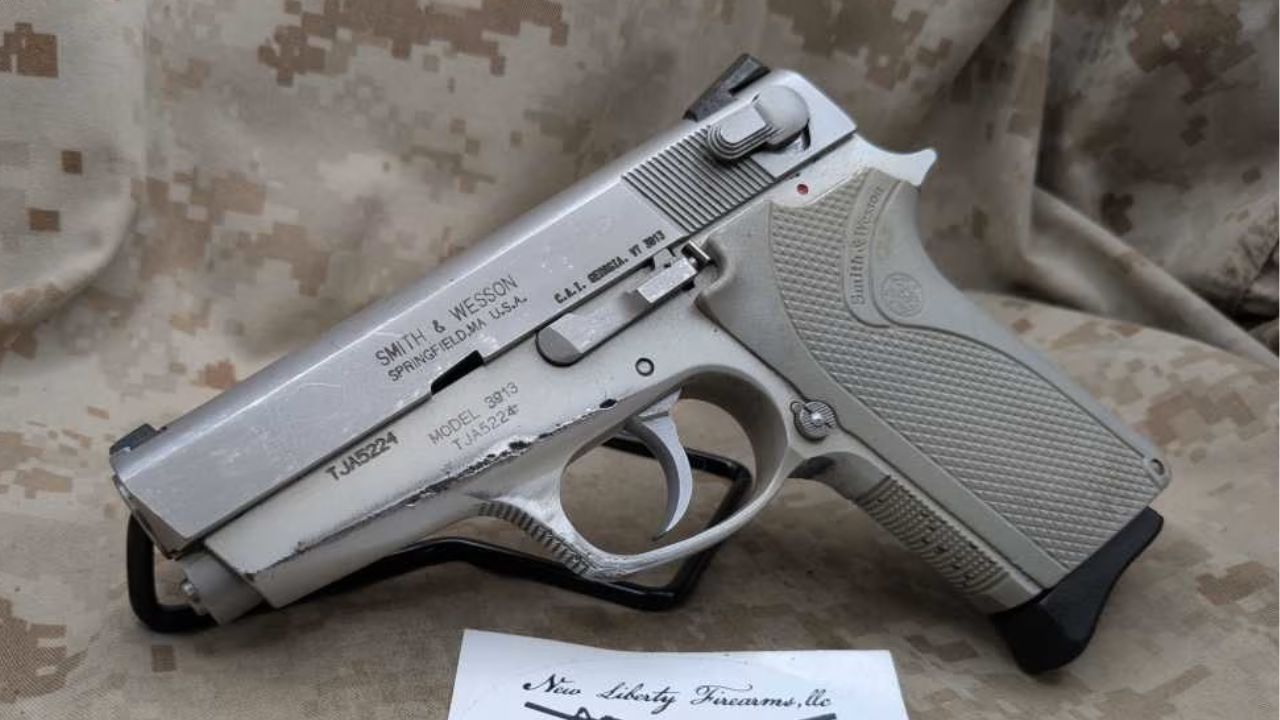
The 3913 was easy to overlook for years because it never screamed for attention. It was slim, metal-framed, practical, and built for a carry market that had not yet gone all-in on polymer micro-compacts. Because it stayed under the radar for so long, plenty of buyers assumed those little Smiths would always be floating around for reasonable money whenever someone decided they wanted a classic carry gun.
That easy assumption disappeared once people started rediscovering them. The 3913 suddenly looked smarter in hindsight than it did in real time. Shooters who got tired of oversized carry guns or bulky old double-stacks started seeing the appeal all over again. Once that happened, the supply that had seemed so ordinary did not feel ordinary anymore.
Marlin 1895

There was a stretch when the Marlin 1895 felt like a lever gun you could always track down eventually. It had a loyal following, but it did not always feel unreachable. Plenty of buyers passed on one because they assumed another would show up down the road, maybe at a better price, maybe in better shape, maybe when they were finally ready to justify owning a big-bore lever action.
Then production disruptions and brand uncertainty changed the mood in a hurry. Suddenly, people were chasing older examples, sorting through era differences, and realizing that “I’ll get one later” was not the safe plan it once looked like. The 1895 became one of those rifles that taught buyers a simple lesson: common enough today does not mean easy tomorrow.
Colt Mustang Pocketlite

The Colt Mustang Pocketlite spent years living in that dangerous zone where a gun is known but not urgent. People liked them, but a lot of buyers treated them like something they could always add later if they ever wanted a lightweight little single-action carry pistol. Colt’s name made it feel established, and that familiarity made it easy to delay the purchase without much worry.
Then the market started paying closer attention to small carry guns, older Colt pistols got more interest, and the lazy confidence around the Mustang started fading. Once people realized they were no longer just sitting everywhere for easy money, demand felt sharper. It became one more example of a pistol buyers respected just enough to assume it would always be waiting for them.
Winchester 9422

The Winchester 9422 is a perfect example of a rifle people treated like background furniture in the gun world. It was well liked, well made, and familiar enough that many shooters just assumed one would always be available if they ever decided they wanted a really nice lever-action rimfire. Because it was not always hyped like a centerfire collectible, people got comfortable delaying the decision.
That comfort wore off once cleaner examples started drying up and prices stopped acting casual. Buyers who once walked past them at gun shows without thinking too hard suddenly started looking twice. The 9422 did not become desirable because it changed. It became more desirable because people finally noticed that steady availability had quietly turned into something a lot less dependable.
SIG Sauer P239

The P239 used to be one of those SIGs people respected without rushing to buy. It was slim, dependable, and easy to like, but it lived in a category that got pushed aside once polymer carry guns took over more of the market. That made it easy for buyers to assume there would always be used ones drifting around whenever the urge hit to pick up a classic single-stack SIG.
Then the usual thing happened. Production ended, people got nostalgic, and shooters started realizing the old gun made more sense than they gave it credit for. Once that reevaluation kicked in, the pool did not feel endless anymore. The P239 went from familiar side option to something buyers actively searched for, often wishing they had done it when nobody seemed in a hurry.
Ruger Deerfield Carbine

The Deerfield Carbine was never the hottest rifle in the room, and that is exactly why so many people assumed it would always be around. It filled a niche, had its own charm, and seemed like the kind of odd but useful Ruger that could always be picked up later by someone who finally decided they wanted a handy semi-auto in a traditional package.
That kind of thinking only works until the niche starts looking a lot more interesting in hindsight. Once production stops and people begin appreciating what made a gun different, the available supply starts feeling smaller than expected. The Deerfield was never everywhere in the same way some other rifles were, but it stayed visible long enough that many buyers mistook visibility for permanence.
CZ 97 B

The CZ 97 B spent years as one of those pistols people admired from a distance and postponed buying because it did not feel urgent. Big steel-frame .45s are not exactly impulse buys for most people, and the gun’s size kept it from being a universal favorite. Still, it had enough respect around it that buyers often assumed they could always pick one up later once they felt like adding something different.
Once it was gone, people started speaking about it with a lot more appreciation. Suddenly the size seemed less like a drawback and more like part of the appeal. The slow, deliberate feel of the pistol stood out more in a market full of lighter, faster, thinner handguns. The 97 B taught a lot of buyers that being overlooked does not mean being permanently available.
Remington 7600

The 7600 is one of those rifles that hunters in certain regions almost take for granted. It was never a glamour rifle, but it stayed useful, familiar, and tied to real hunting culture for so long that many people assumed the pump-action deer rifle would just keep hanging around. It felt too established to become a panic item or a regret piece.
Then availability got less predictable, and that old confidence stopped feeling so safe. Hunters who grew up around 7600s started noticing they were not seeing them quite the same way anymore. What had seemed like a forever option turned into something buyers had to actively look for. That shift hit especially hard because the rifle always felt more permanent than trendy.
Beretta 84FS Cheetah

The Beretta 84FS Cheetah is another pistol that lived for years in the comfortable middle ground of being well known but rarely urgent. Plenty of buyers liked the styling, liked the feel, and liked the idea of a soft-shooting .380 with real character, but still assumed they could always come back for one later. That “later” mindset hangs around until the supply stops acting cooperative.
Once they became less routine to find in good condition, people started paying a lot more attention. Guns that used to feel like pleasant extras began to feel like disappearing opportunities. The Cheetah had always been easy to admire, but it became much easier to regret passing on once buyers realized they had confused long-term visibility with endless future access.
Poly Technologies M14S

The Poly Technologies M14S used to be the sort of rifle people treated like an interesting import they could always revisit later. It was not everybody’s first choice, and that helped create the illusion that the supply would stay relaxed forever. Buyers who were curious but not fully committed often assumed the rifle would remain an easy maybe instead of becoming something they actually needed to move on.
That assumption got weaker as imports became a more complicated story and certain older rifles started gaining appreciation simply because no fresh wave was coming behind them. Once people recognized the M14S as part of a closed chapter rather than an open stream, the tone changed. A rifle that once seemed postponable started looking like one more missed chance from an easier market.
Smith & Wesson 4506

The 4506 belongs to that class of big metal-frame service pistols people never thought would become scarce in any emotional way. For years, they seemed like solid old police-style guns that would always be floating through the used market in steady numbers. Buyers respected them, but often in a casual way. There was no panic. There was no rush. There was just the assumption that one could be had later.
Then later arrived, and the pool did not feel so casual anymore. Clean examples started drawing more interest, older third-generation Smiths got more love, and people who once thought those heavy .45s would always be there realized they had been leaning on a false sense of abundance. The 4506 did not become important overnight. People just finally noticed the supply was not what it used to be.
Browning BAR Safari

The Browning BAR Safari always had the feel of a rifle that would remain part of the landscape. It was too established, too recognizable, and too consistently useful to seem like something buyers needed to rush toward. Plenty of hunters figured a nice older BAR would always be out there somewhere if they ever decided they wanted a traditional semi-auto hunting rifle with a little more class than the average utilitarian option.
That confidence softened once certain configurations became harder to bump into and buyers started seeing how many older rifles had already settled into long-term ownership. The BAR did not need hype to get appreciated. It just needed enough time for people to realize that familiar rifles also disappear by degrees. What seemed permanent slowly turns into something you have to hunt down.
Springfield Armory SAR-48

The SAR-48 is one of those rifles that buyers once treated like a known quantity from an era that felt more stable than it really was. It had the right bones, a strong reputation, and enough visibility that people assumed the chance to buy one would stay open longer than it did. As with many imports, familiarity made people feel safer than they should have.
Once that chapter closed, the rifle took on a different kind of weight. It was no longer just a quality FAL-pattern option that might still be around next year. It became one of those guns buyers referenced when talking about the stuff they should have grabbed before the window narrowed. That is how it usually happens. The gun feels durable, the chance feels permanent, and then both assumptions break.
Like The Avid Outdoorsman’s content? Subscribe to our newsletter so you never miss an article.
Here’s more from us: