Photo credit: FirearmLand/GunBroker
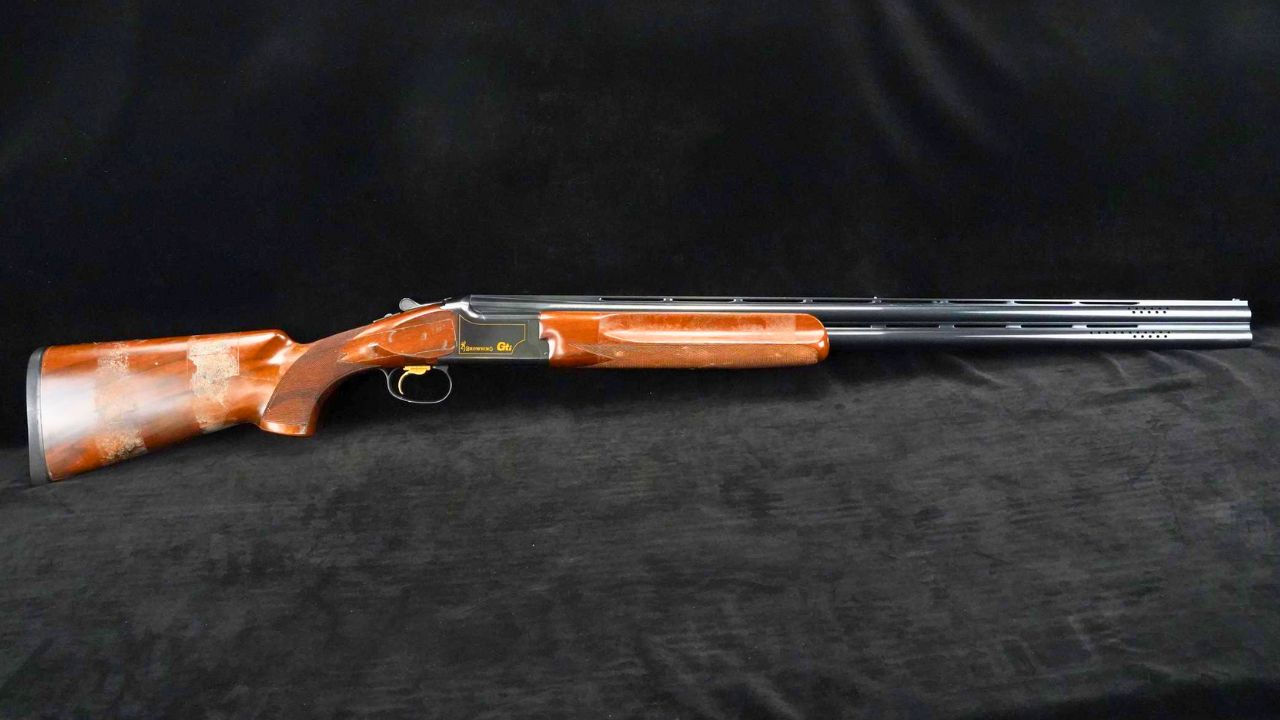
The Browning Citori is one of those shotguns that serious bird hunters, clay shooters, and shotgun people talk about with a certain amount of built-in respect. A lot of shooters know it as a dependable over-under, but the bigger story is that it became Browning’s long-running answer to the end of the original Belgian Superposed era. Browning’s own history says the Citori joined the line in 1971, while Browning’s serial-date page says production began in 1973. That sounds contradictory at first, but it really reflects the difference between lineup introduction and full production start.
What makes the Citori especially interesting is that it was never just a cheaper knockoff of the Superposed. Browning and American Rifleman both describe it as a descendant of John M. Browning’s B25 Superposed, but one that included changes meant to streamline production and improve durability. Browning also emphasizes that the gun is still built with precise hand-fitting and traditional finishing methods, which helps explain why the Citori has held onto such a strong reputation for so long.
1. The Citori’s roots go straight back to the Superposed
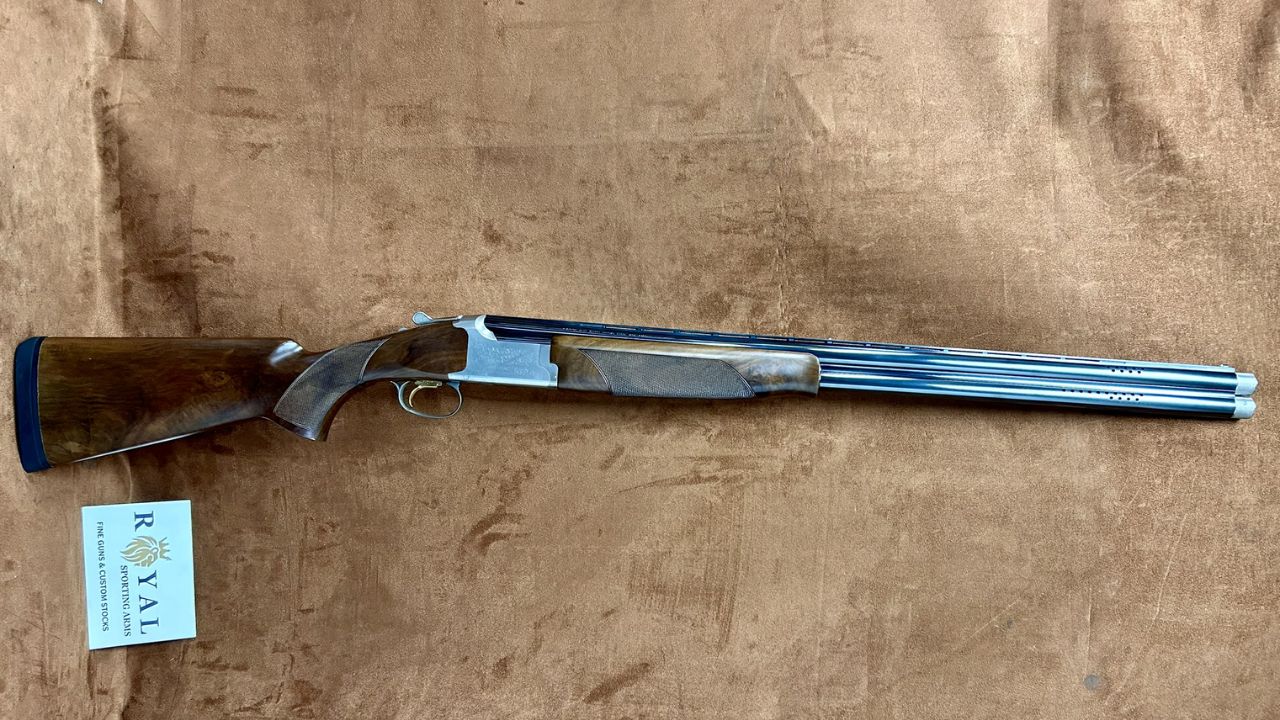
The Citori is not some unrelated Browning over-under that just borrowed a famous name. Browning’s official Citori pages say the shotgun traces its roots directly back to John M. Browning’s B25 Superposed, and American Rifleman’s 2022 history piece calls it a redesigned Superposed.
That matters because the Citori’s whole identity is tied to carrying that lineage forward. It was not designed to replace Browning’s over-under heritage with something totally new. It was designed to preserve the core strengths of the Superposed while making the gun more practical to build and keep in the market.
2. The line joined Browning in 1971, but production started in 1973
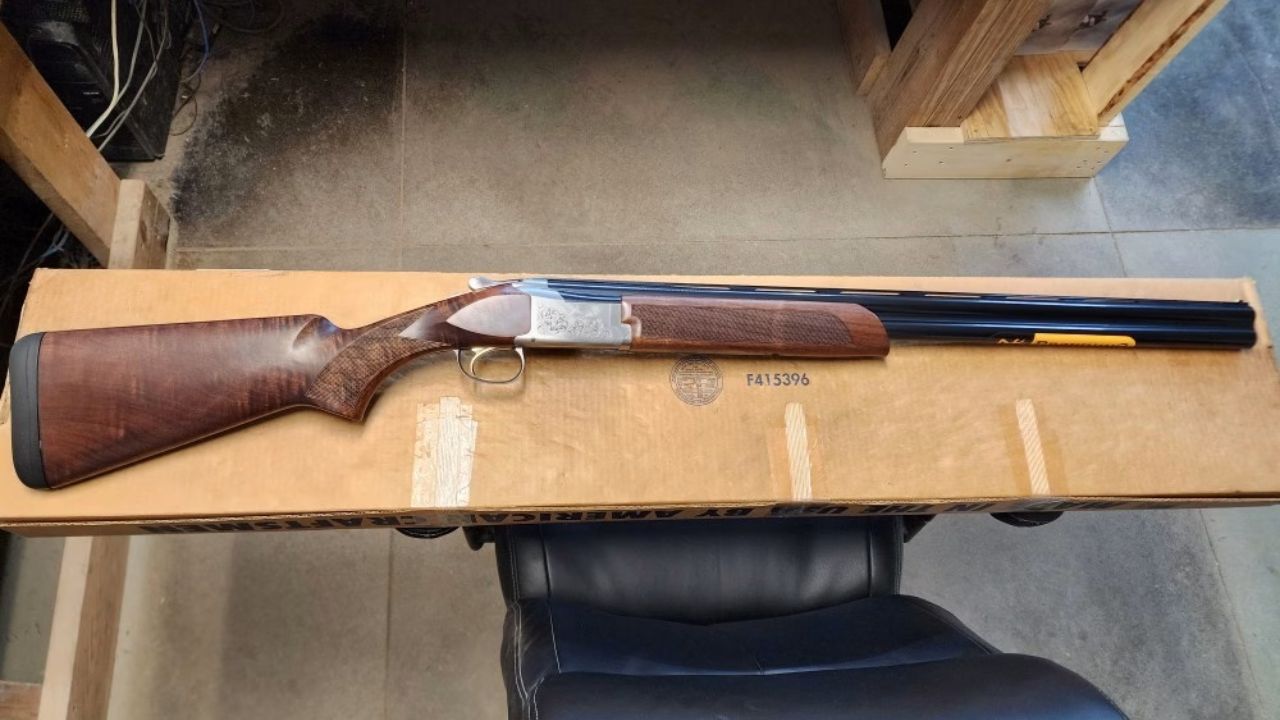
This is one of the easiest details to get wrong because both dates show up in reliable places. Browning’s history overview says the Citori joined the Browning line in 1971, while Browning’s serial-date page says production began in 1973. American Rifleman’s 2025 Citori 825 coverage also says the Citori emerged in 1973.
So the cleanest way to think about it is this: Browning introduced the Citori concept into the line in the early 1970s, and regular production followed shortly after. That clears up why both dates keep appearing in Citori history.
3. It was built in Japan by Miroku, not in Belgium
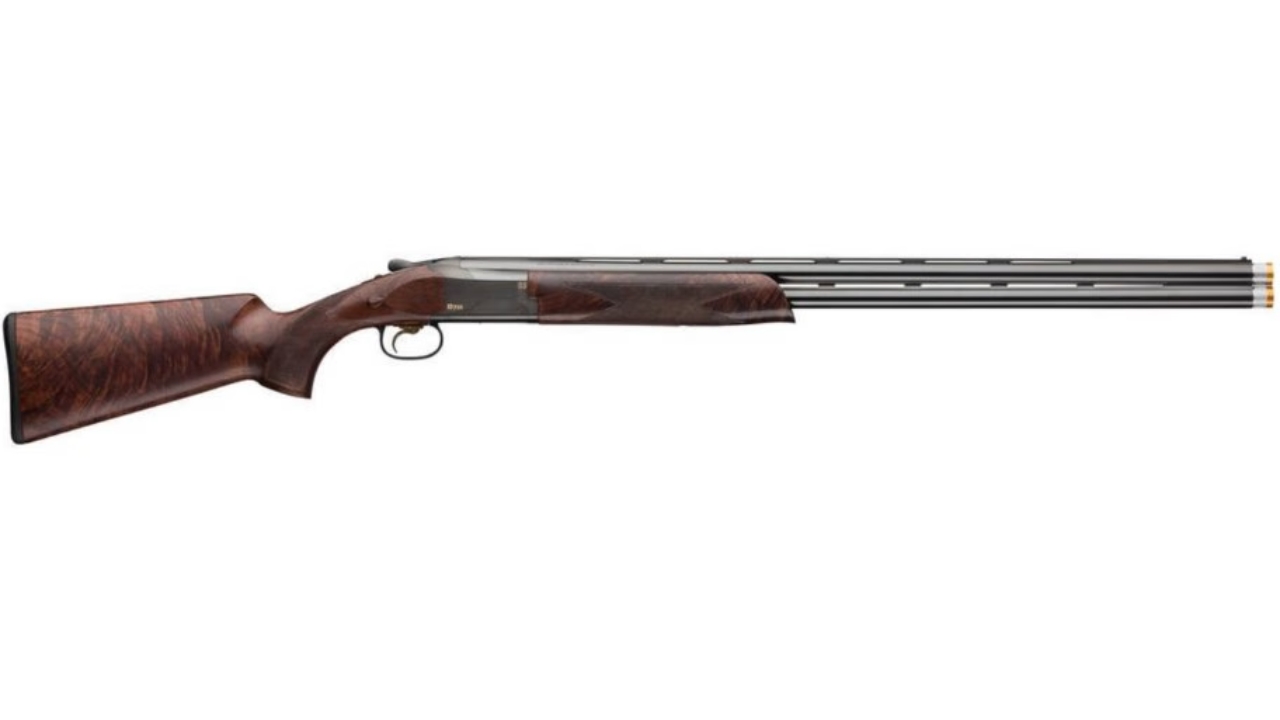
A lot of shooters assume every classic Browning over-under must be Belgian. The Citori was not. Browning’s history of the Miroku relationship and American Rifleman’s more recent Citori coverage both make clear that the Citori was produced by Miroku in Japan.
That matters because some people still treat “made in Japan” like a compromise story, but with the Citori it is really part of the platform’s success story. Miroku became central to Browning’s ability to keep a high-quality over-under in production after the original Superposed era.
4. The Citori was meant to take over after the Superposed era started winding down
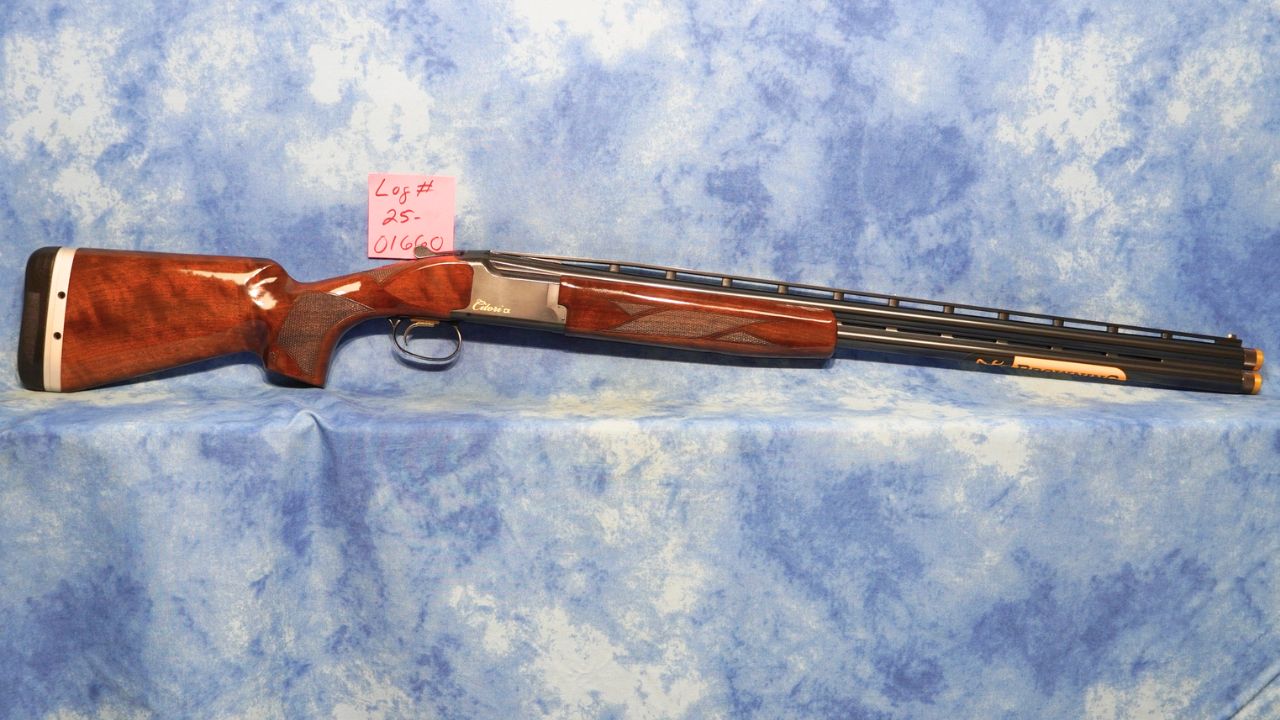
The Superposed remained hugely important, but it was expensive and labor-intensive. American Rifleman’s 2024 and 2025 pieces frame the Citori as the over-under that stepped in as the Superposed’s main successor as that original design moved toward the end of its long run. Browning’s history overview similarly presents the Citori as the next generation in that line.
That is one reason the Citori became such a major name instead of just another model number. It was not filling some random catalog gap. It was carrying one of Browning’s most important shotgun traditions forward.
5. It was redesigned to streamline production and improve durability
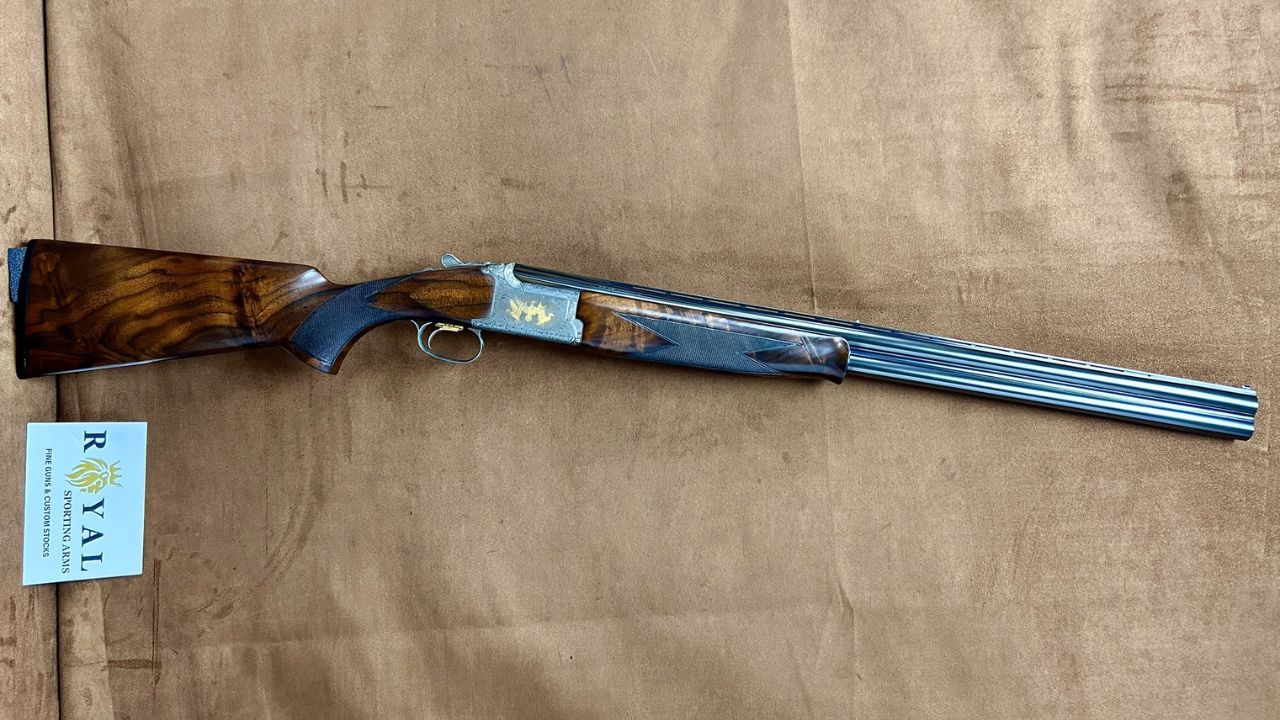
This is one of the biggest facts casual shooters tend to miss. American Rifleman’s 2022 Citori history says the gun was redesigned from the Superposed in ways intended to simplify production and improve durability. The 2025 Citori 825 feature repeats that theme.
That means the Citori was not just “the cheaper Superposed.” Browning was making targeted changes for long-term practicality while still preserving the handling and reputation of the original over-under concept. That is a big reason the Citori lasted.
6. Browning still says the Citori is hand-fitted

A lot of factory over-unders get treated like mass-produced commodity guns, but Browning’s Citori history page says many parts in each Citori are individually hand-fitted and that each gun moves through multiple skilled hands in the process. Browning’s overview page also says action components are assembled using the traditional lampblack-and-file method for precise fit.
That is a big part of the Citori’s image. Browning has always wanted it understood as a production shotgun that still holds onto higher-end build practices instead of feeling like a generic factory over-under.
7. Browning says each Citori takes about four months to complete
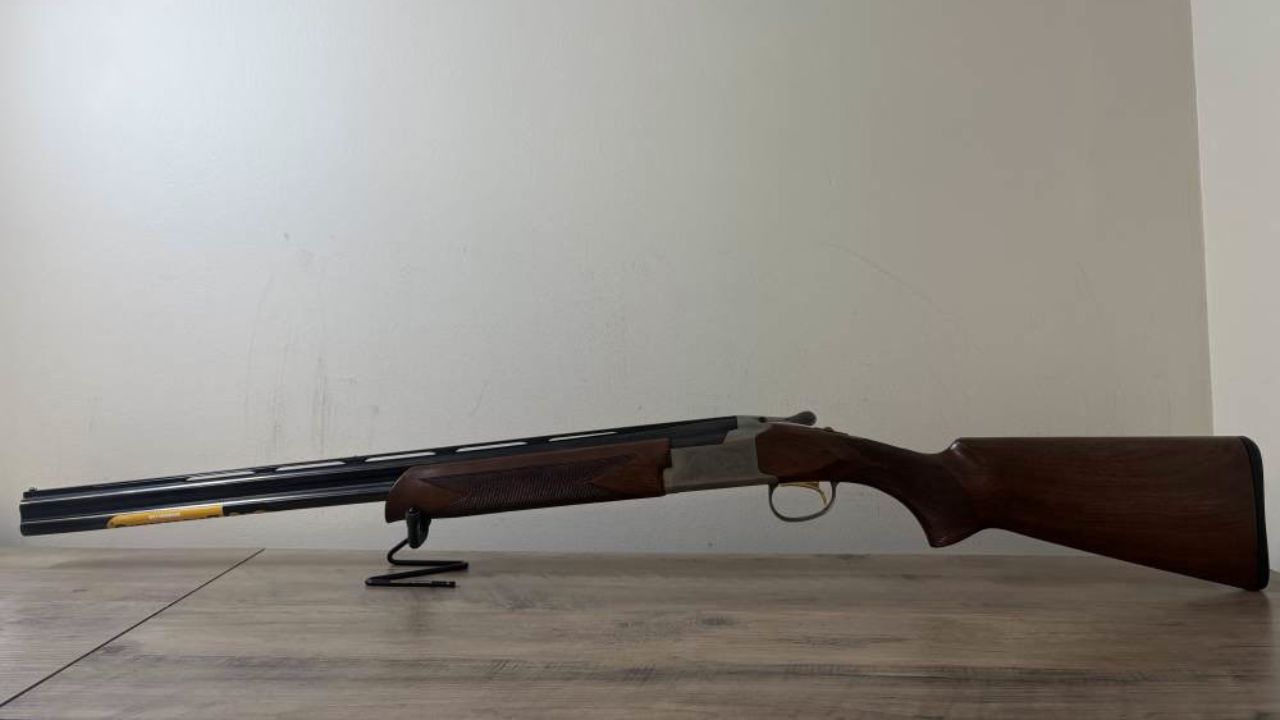
This is one of the more surprising production details. Browning’s Citori history page says each Citori takes about four months to complete because of the level of fitting and finishing involved.
That number helps explain why the Citori has always carried a more premium reputation than a lot of stack-barrel competitors. Browning is clearly positioning it as a serious over-under built with more care than people might expect from a long-running production line.
8. The Citori family became huge over time

A lot of shooters think of “the Citori” as one familiar field gun, but the family has grown into a massive lineup over the decades. Browning’s pages show separate branches for the standard Citori and the Citori 725, and the historic timeline mentions past variants like the Citori Sideplate and all-gauge skeet sets.
That matters because the Citori became more than one shotgun a long time ago. It spread into field guns, sporting guns, trap guns, skeet sets, featherweight models, white-satin editions, anniversary editions, and more.
9. The Feather Lightning showed how far Browning was willing to stretch the platform

The Citori Feather Lightning is a good example of how much the line evolved. American Rifleman’s 2012 feature said that version came in lighter 12- and 20-gauge configurations for long days in the field or on the range, with weights as low as 5 pounds, 14 ounces in 20 gauge.
That is a big shift from the idea that every Citori is a heavy traditional over-under. Browning clearly understood that some shooters wanted the handling and quality of a Citori in a more field-friendly package.
10. The Citori 725 became one of the line’s most important branches

The Citori 725 is not a totally separate historical lane. Browning’s product page calls it the evolution of the B25 Superposed with modern performance advantages, and American Rifleman’s 2020 top-seller piece says the 725 was one of the most popular over-unders on GunBroker for years.
That says a lot about the strength of the Citori name. Browning was able to keep refining the platform while still preserving the lineage strongly enough that the 725 remained part of the same broader family identity.
11. Browning celebrated the Citori’s 50th anniversary in 2023
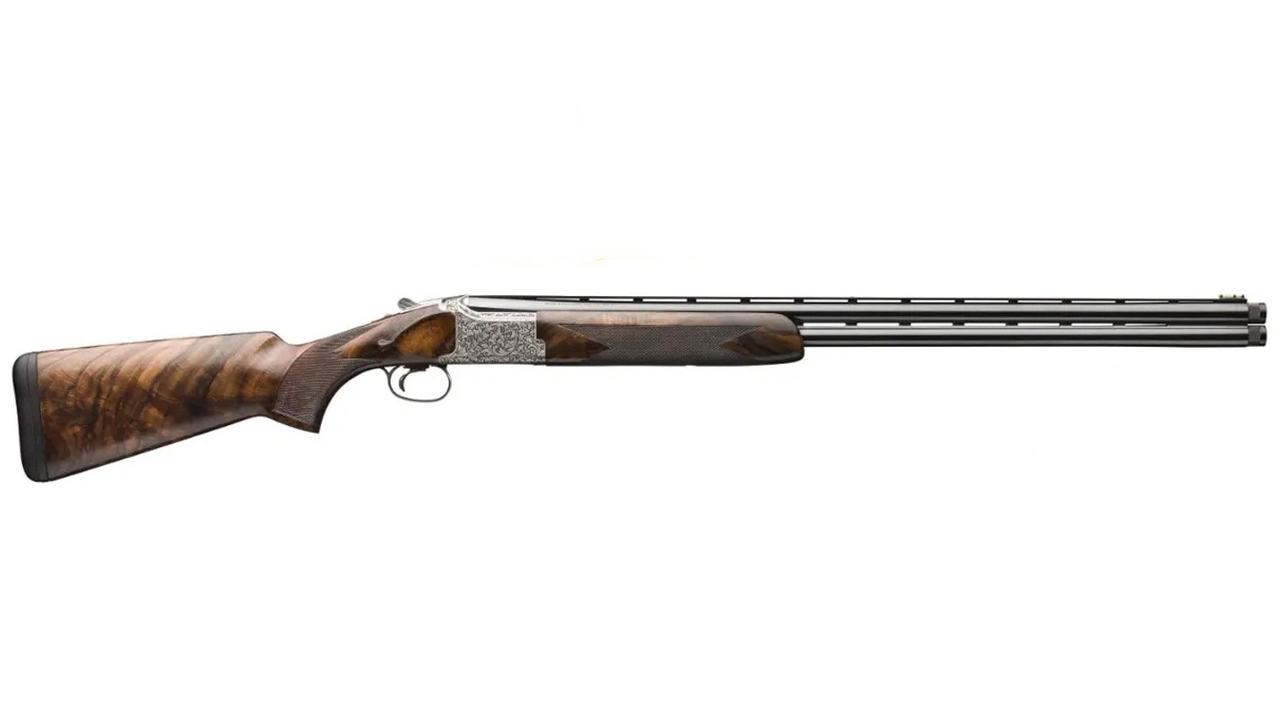
The Citori has been around long enough now that Browning marked its 50th anniversary with a commemorative High Grade edition in 2023, according to American Rifleman.
That is not just a fun marketing note. Anniversary treatment like that usually tells you the company sees the shotgun as one of its core legacy products, not just a model still hanging around because people remember it.
12. The Citori stayed commercially strong deep into the modern market
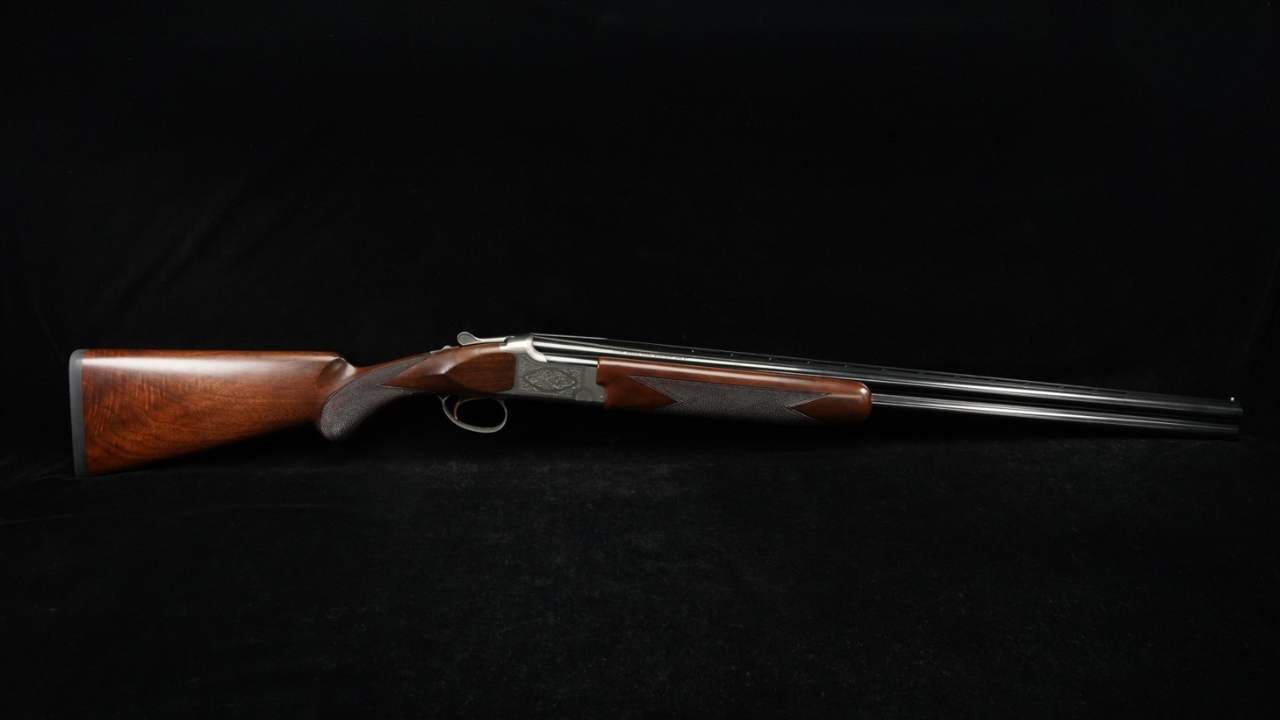
A lot of old shotgun lines survive mostly on nostalgia. The Citori did not just survive. American Rifleman reported in 2020 that the Citori 725 had been the top-selling over-under on GunBroker from 2015 to 2018 and remained the second-most popular in 2019.
That matters because it shows the Citori’s appeal was not confined to older Browning loyalists. The platform still had real commercial traction in the modern used and enthusiast market, which is a big reason Browning kept investing in it.
13. The Citori 825 is now the newest generation in the line
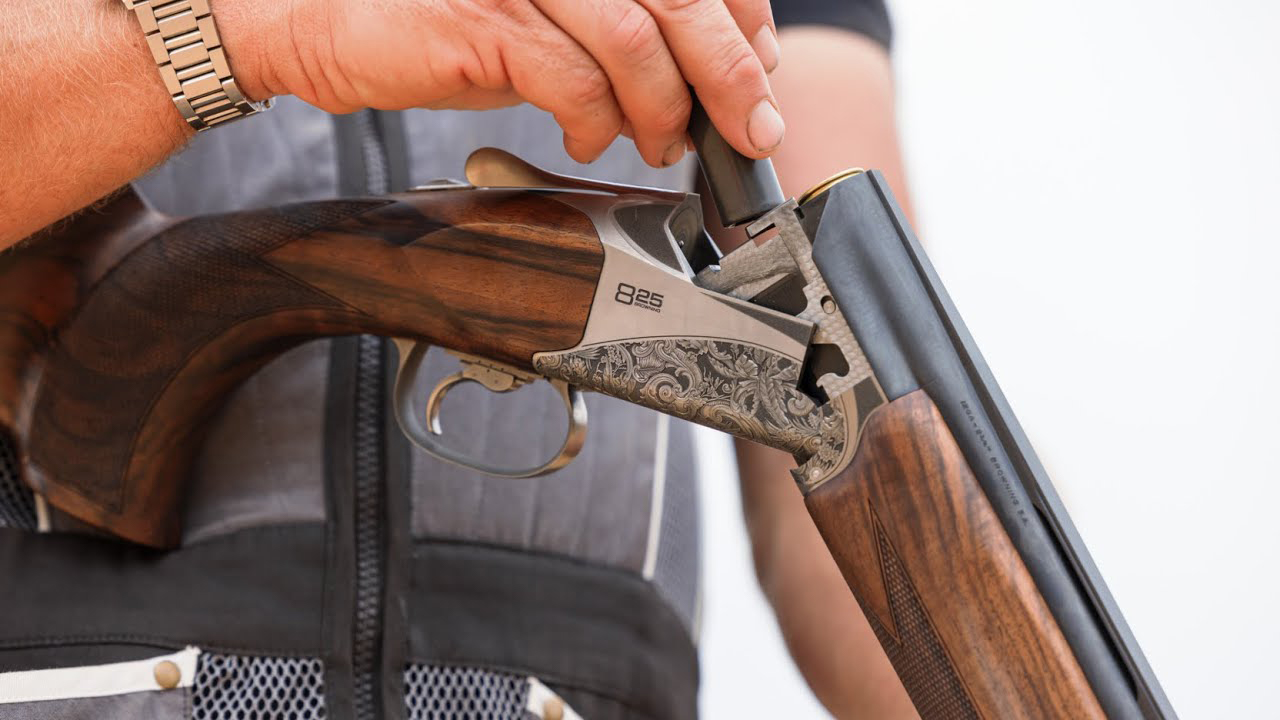
Browning’s 2025 pages and American Rifleman’s 2025 coverage identify the Citori 825 as the latest generation in the Browning over-under line. Browning says it carries forward the handling qualities of the earlier guns while using a low-profile receiver for improved eye alignment, recoil control, and faster swing.
That is pretty significant because it shows the Citori name is still evolving. The line did not stop at the standard Citori or even the 725. Browning is still actively extending the concept into new generations.
14. Browning treats the Citori as one of the clearest expressions of the brand itself

Browning’s own overview page says the Citori is “the quintessential representative of the Browning brand.” That is a pretty strong statement, and it tells you exactly how important the company thinks this shotgun is.
That kind of language is not usually used for a side model. It is used for products a company sees as defining its identity. In Browning’s case, the Citori is one of those guns.
15. The biggest thing most people miss is that the Citori became Browning’s long-term over-under backbone, not just a Superposed substitute
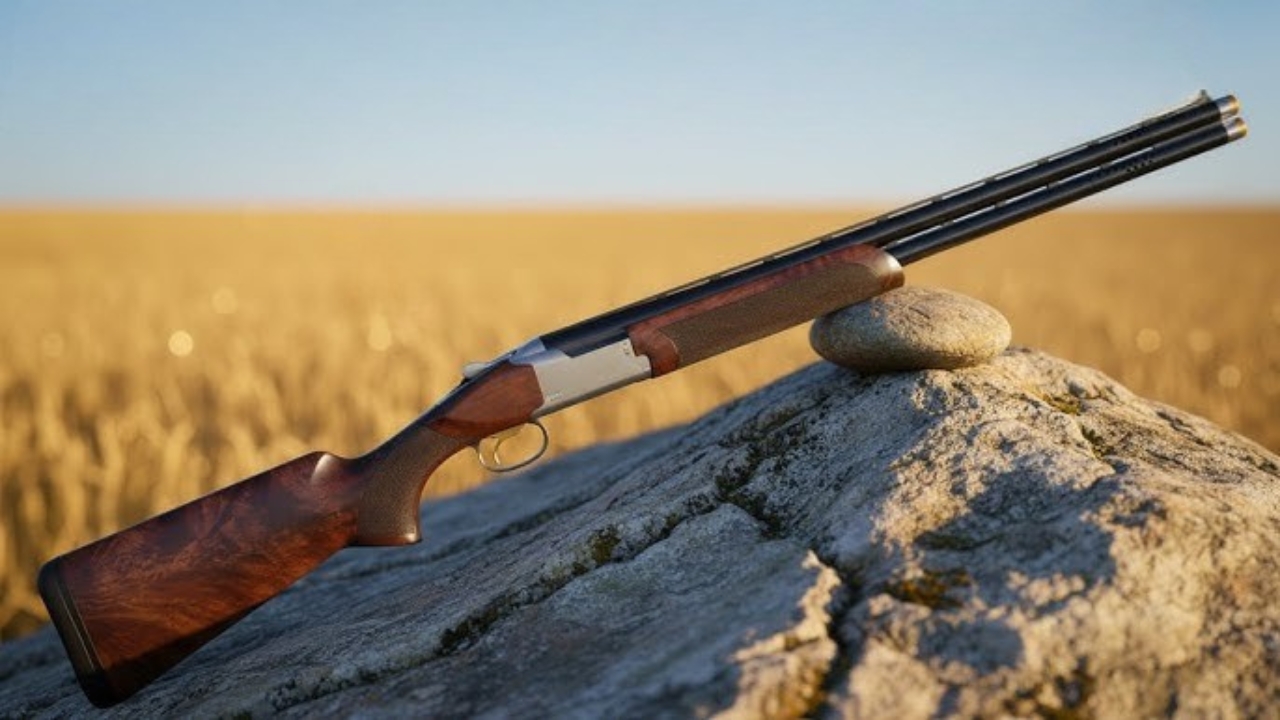
The most interesting fact about the Citori may be that it outgrew the role of “replacement.” It started as Browning’s way of carrying the Superposed legacy forward in a more practical production form, but over time it became a sprawling shotgun family with its own identity, commercial success, anniversary status, and now even newer generations like the 725 and 825.
That is why the Citori still matters so much. It did not just preserve Browning over-under history. It became the main way a lot of shooters experienced it.
Like The Avid Outdoorsman’s content? Be sure to follow us.
Here’s more from us: