Photo credit: Texas Plinking/YouTube
Suppressors add backpressure, speed up cycling, blow more gas into the action, and change how fouling builds. A gun that runs clean and happy unsuppressed can start acting like a different animal once you add a can—especially if it’s over-gassed, has a light buffer, has tight chamber tolerances, or uses mags/ammo that were already near the edge.
This list is about platforms that often need tuning to stay boring suppressed. Some can be made excellent. But out of the box, they’re more likely to show problems.
AR-15 carbines with carbine-length gas

Carbine gas + suppressor is the classic “runs great until suppressed” setup. Backpressure increases, the bolt unlocks faster, the gun gets dirtier faster, and suddenly you’re seeing more gas in the face, faster cyclic rate, and sometimes bolt-over-base issues or inconsistent ejection.
A lot of “suppressed reliability” problems aren’t brand problems—they’re gas problems. The fix is usually an adjustable gas block, heavier buffer, proper spring, or a dedicated suppressed setup. But if you just slap a can on a standard carbine-gas rifle, don’t be surprised if it gets weird.
AR-15s with lightweight BCGs or light buffers

Lightweight parts are great for tuned race setups. Add a suppressor and the system can get too fast. That leads to feeding issues, extraction weirdness, and erratic ejection—especially as fouling builds. Unsuppressed, it might be perfect. Suppressed, it can become a jam machine.
This is where people learn that “smooth” isn’t always “reliable.” A suppressor changes the timing. If you’re going to run light parts, you need to tune specifically for suppressed use—or accept that it’ll be picky.
Short-barreled ARs (10.3–11.5” class)
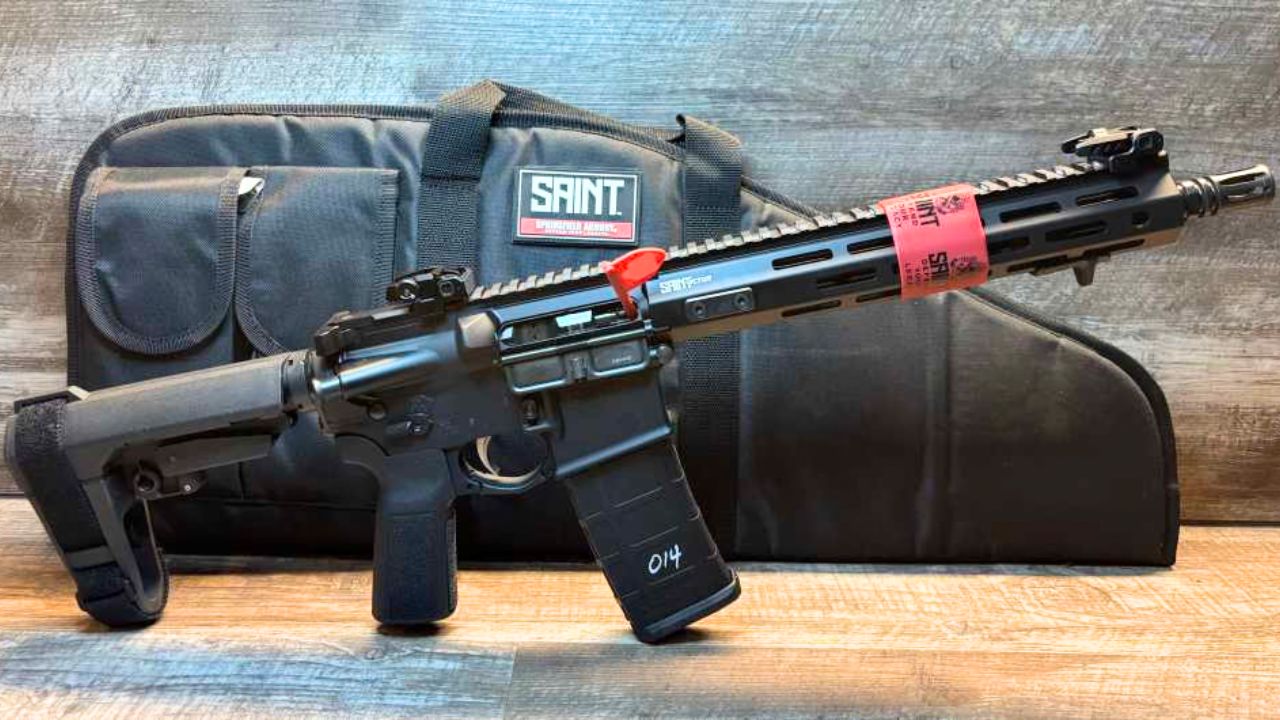
Short ARs are already running hotter, faster, and closer to the edge. Add a suppressor and the system gets more backpressure and more heat. Some SBRs run great suppressed because they’re tuned. Others start ripping through bolts, springs, and extractor parts faster, and reliability can suffer as carbon builds.
If your shorty is reliable unsuppressed and starts choking suppressed, that’s not surprising. It’s telling you the gun needs tuning: gas, buffer, spring, maybe a different can, maybe a different host setup. Short guns magnify everything.
Direct blowback 9mm ARs

Blowback guns can be reliable, but suppressed blowback can be a filthy, fast, violent experience. The suppressor increases backpressure and blowback into the receiver, and the system can start getting sluggish or erratic as it fouls. You’ll also see more gunk in the action and more sensitivity to ammo power.
A 9mm blowback AR that “runs fine” for a while unsuppressed can start short-stroking or having extraction issues suppressed after it gets dirty. The fix often involves heavier buffers, proper springs, and accepting that suppressed blowback is just messier and more maintenance-heavy.
SIG MPX

The MPX is a great platform, but suppressed use can highlight ammo sensitivity and tuning needs. Some run flawlessly. Others start acting picky with certain loads, especially when the system gets dirty. The suppressor changes how gas and fouling behave, and it can show up as inconsistent cycling or increased maintenance demand.
If you suppress an MPX, don’t assume it will behave like it does unsuppressed. Many owners find they need to be more deliberate about ammo choice, cleaning intervals, and sometimes gas-related setup depending on configuration.
AK-pattern rifles

AKs have a “they run no matter what” reputation, and many do. But suppressed AKs can get harsh. Increased backpressure and gas can make them more violent and dirtier, and you can see issues like increased wear, more gas to the shooter, and sometimes inconsistent function depending on ammo and the specific rifle’s gas setup.
Some AKs suppress well. Others feel like you’re putting a turbo on an already over-gassed system. Reliability can stay okay, but the user experience and wear profile can get ugly fast. “Reliable” and “pleasant” are two different things.
PSA AKs

Some PSA AKs run fine. Some are more variable. Add suppressed backpressure and any marginal timing or gas setup gets magnified. If a rifle is already on the edge, suppression pushes it further.
This is one where the individual sample matters. If you have one, prove it. Don’t assume the reputation covers your specific rifle. Suppressed use is a stress test, and stress tests reveal margins.
Ruger 57

5.7 suppressed can get weird depending on ammo and the platform. The Ruger 57 is generally solid, but suppression can alter cycling behavior and make the gun more sensitive to load selection and cleanliness. Some ammo will run great, others will feel inconsistent once you add a can.
If you suppress 5.7, go in knowing you may have to experiment with ammo and maintenance intervals. It can be a fun suppressed setup, but it’s not always “slap a can on and forget it.”
FN Five-seveN

Same general category: suppressed 5.7 can highlight differences in ammo power and how the gun cycles. Many will run, but suppressed performance can be less forgiving than unsuppressed. You can get “it runs fine” and “it’s picky” reports depending on ammo, suppressor, and cleanliness.
This isn’t a knock on the platform. It’s the reality of a high-velocity, small-caliber system with a suppressor changing the pressure environment. Ammo choice matters more than people expect.
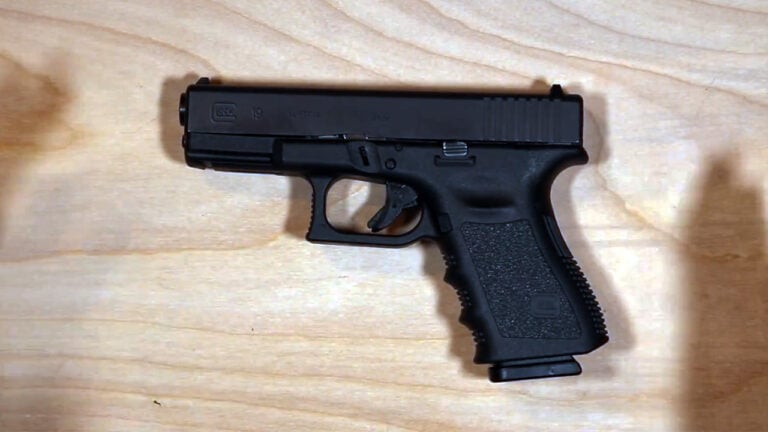
Glock 19

Most Glocks run fine suppressed with the right can, booster, and setup. But “reliable until suppressed” shows up when guys run a cheap barrel, weak recoil spring, or a suppressor setup that isn’t playing well with the gun. Then they get failures to return to battery, sluggish cycling, or weird ejection.
Suppressed pistols are systems. Barrel fit, spring weight, ammo, and booster condition all matter. A Glock that is boring unsuppressed can become annoying suppressed if your setup is off or you don’t keep the booster clean.
SIG P320

P320s can be reliable suppressed, but like other tilting-barrel pistols, they can also become more sensitive to spring weight, barrel fit, and ammo when a suppressor changes slide velocity. Some setups run forever. Others start having return-to-battery issues, especially as the gun gets dirty.
The fix is usually not dramatic—proper booster maintenance, correct recoil spring for your load, and confirming barrel fit. But if you think “suppressed is the same as unsuppressed,” the P320 can teach you otherwise.
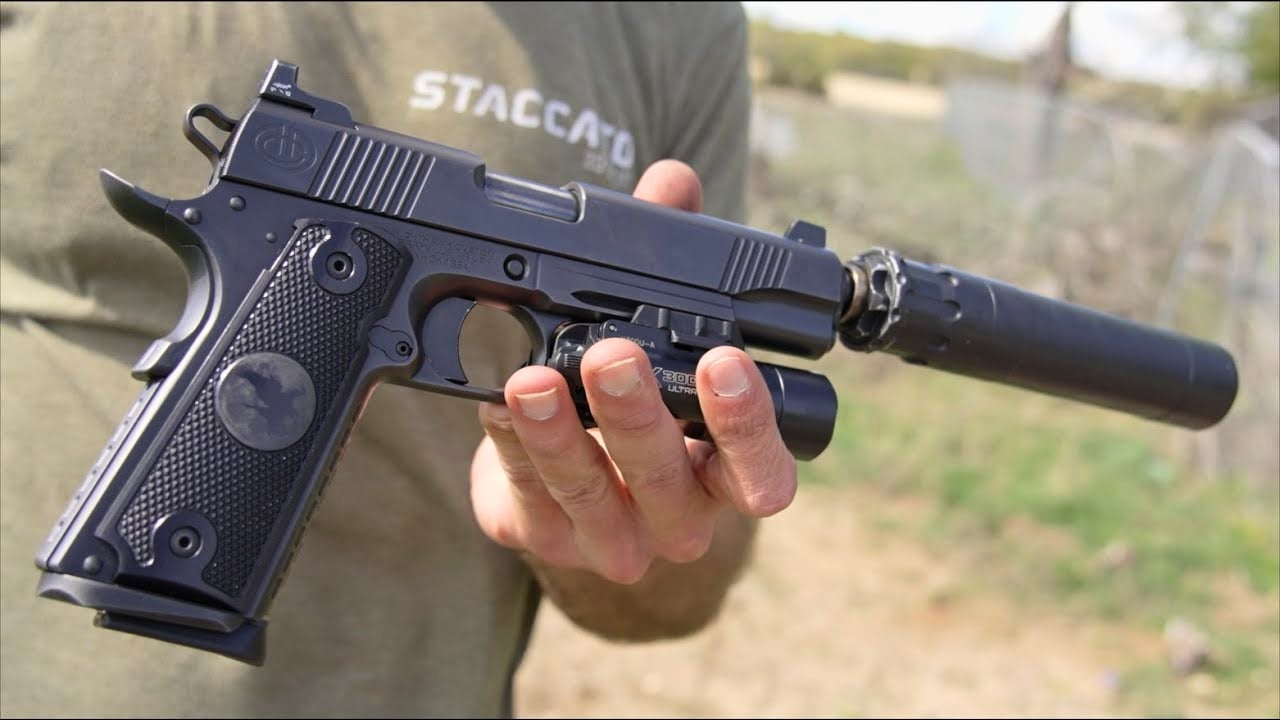
1911s (suppressed can expose timing and ammo sensitivity)

1911s can be suppressed, but they’re often less forgiving about timing changes. Add a can and you change the system’s behavior. Some run great with the right spring and ammo. Some become finicky and never quite settle. If the gun is already tight or already tuned near the edge, suppression can push it into unreliability.
This is one where reputation doesn’t save you. A “great 1911” can still be a pain suppressed if the timing is off. If you want suppressed boring reliability, 1911s usually aren’t the easiest path.
Ruger Mark IV

Rimfire is filthy, and suppressed rimfire is filthier. Mark IVs can run great, then start choking once carbon and lead fouling build up. Unsuppressed, you might get away with longer intervals. Suppressed, you’re cleaning more often—especially if you’re shooting bulk ammo.
If your Mark IV becomes unreliable suppressed, it’s often just a maintenance reality. Keep it clean, use decent ammo, and accept that suppressed rimfire is a dirtier game.
.22 LR semi-auto rifles (10/22 type systems)

Suppressed .22 LR semi-autos are fun, but they can become unreliable quickly because the suppressor increases backpressure and traps fouling. A rifle that runs a brick unsuppressed can start having extraction and cycling issues suppressed once it gets dirty.
This is not because the platform is bad. It’s because suppressed rimfire is a crud factory. If you want it reliable, you clean more and you experiment with ammo that cycles consistently in your specific setup.
Benelli M4 (suppressed shotgun setups can be picky)

Suppressed shotguns are niche, but when you suppress semi-auto shotguns, you can change cycling behavior depending on the system and the can. A platform like the M4 is usually reliable, but suppression can introduce variables—especially with different loads and backpressure.
If you’re doing it, you’re already in the “tinker” category. The gun might run great, or it might demand specific loads and more frequent maintenance. Suppression changes the rules.
Like The Avid Outdoorsman’s content? Be sure to follow us.
Here’s more from us: