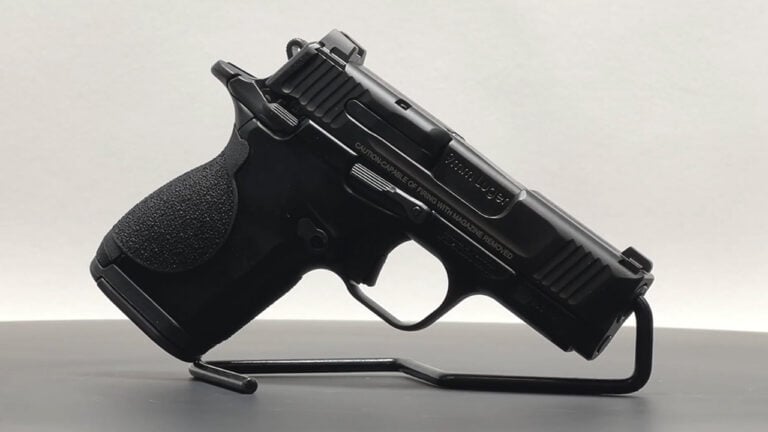
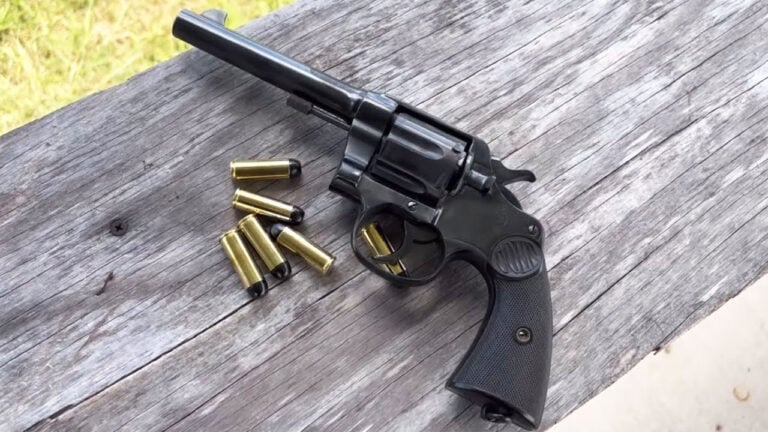
Photo credit: Don't Be A Sitting Duck/YouTube
Price doesn’t always tell the truth in the handgun world. Some pistols look impressive on the shelf, show off premium machining, and come with marketing that makes you think you’re buying the top of the top. But once you start running them—drawing from a holster, shooting fast strings, or pushing past a few hundred rounds—the cracks appear. Sometimes it’s reliability issues, sometimes it’s mushy triggers, sometimes it’s accuracy that never tightens up no matter what ammo you feed it. Experienced shooters learn quickly that cost doesn’t guarantee performance. A pistol either runs or it doesn’t, and some high-dollar models simply never live up to their own reputation. These are the handguns that prove you can spend a lot and still get less than you expected.
Kimber Solo
The Kimber Solo arrived with big promises but never delivered the consistency its price tag suggested. For a lightweight carry gun, it demanded premium ammo just to cycle reliably, and even then, many shooters experienced frequent stoppages. The short, snappy recoil system didn’t tolerate variations in bullet weight, making it hard to trust for everyday carry. When a pistol is marketed as defensive-ready, needing hand-picked ammo undermines the whole point.
Accuracy wasn’t impressive either, especially considering the cost. Many shooters reported that the Solo felt good in the hand and hid easily, but performance in live-fire sessions often disappointed. For the money, people expected something steadier—something dependable—and what they got instead was a pistol that never settled into the role it was supposed to fill.
SIG Sauer P938 Legion

The P938 Legion should have been the premium carry version of a proven design, but its accuracy varies more than you’d expect from a pistol at this price level. Some examples shoot well enough at close distances, but consistency drops off fast when you stretch beyond typical concealment ranges. The short sight radius already makes precision tough, and the Legion’s trigger doesn’t help much despite the upgraded features.
Reliability is another mixed story. Many shooters find it sensitive to certain hollow-points, especially if the pistol isn’t kept clean. For a micro-carry gun wearing the Legion badge and price, expectations run high. Unfortunately, too many users walk away realizing the Legion polish didn’t automatically translate into top-tier performance.
Heckler & Koch P30L
The P30L has the looks, the name, and a price that puts it in the premium category, but its long, heavy DA/SA trigger holds it back for many shooters. Even after plenty of practice, the transition between double-action and single-action shots can throw off groups more than expected. In a handgun costing this much, most shooters want something more intuitive.
It’s also a big pistol for what it delivers. Despite the great ergonomics, the P30L doesn’t shoot noticeably more accurately than far cheaper polymer pistols. When you factor in the slow trigger reset and the learning curve, it often feels like you’re working harder than you should for the results you’re getting.
Springfield Armory EMP 4
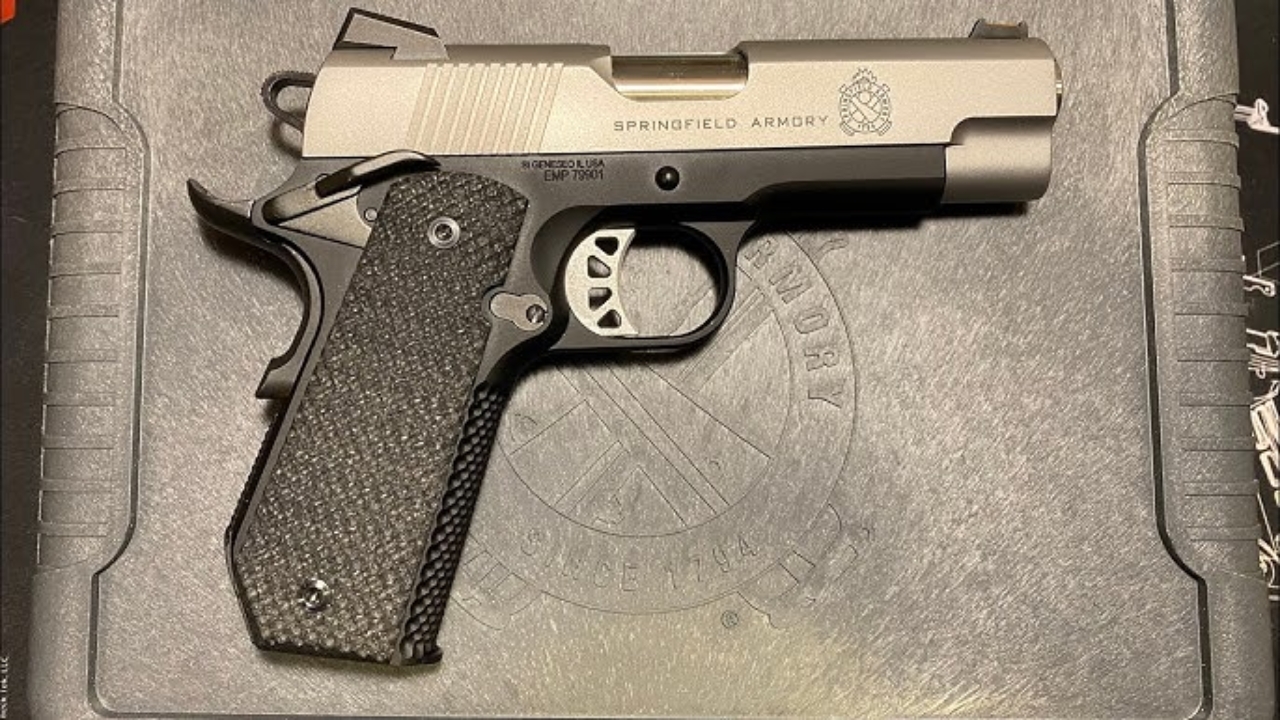
The EMP 4 commands a serious price, but many shooters discover that it doesn’t offer the accuracy advantage you’d assume from a high-dollar 1911-style carry gun. Some examples shoot well, while others never tighten up beyond “acceptable” groups, even with match ammo. For the cost, that inconsistency stands out.
There have also been reliability complaints tied to magazine sensitivity and certain hollow-point designs. A carry pistol in this price range should function across a wide variety of loads without fuss. Instead, the EMP 4 often feels finicky, leaving shooters questioning whether the premium build truly translates into premium performance.
Beretta PX4 Storm Compact Carry
Wilson Combat upgrades gave this model a lot of hype, but the PX4 Compact Carry still struggles with the same issues as the standard line: inconsistent accuracy and a sloppy trigger compared to other pistols in its bracket. The rotating-barrel system softens recoil, but it can also introduce unpredictable shot behavior, especially with lighter bullets.
For many shooters, the ergonomics don’t justify the cost either. The grip feels good, but the trigger lacks the crispness that you’d expect from a pistol wearing a price tag this high. It’s reliable enough, but when you compare the performance to other pistols in its price range, it rarely stands out in a meaningful way.
Dan Wesson ECO

Dan Wesson makes some excellent pistols, but the ECO is one model that often struggles to meet expectations. Its compact size and lightweight frame make recoil surprisingly sharp, which affects follow-up shots more than you’d expect for a 1911 in this price range. Shooters looking for premium shootability often walk away disappointed.
Accuracy also varies from pistol to pistol. Some ECOs group well, while others never reach the standard you’d expect from a high-dollar 1911. Combine that with sensitivity to certain defensive loads, and you end up with a pistol that feels more demanding than it should for what it costs.
SIG Sauer P210 Carry
The original P210 is known for legendary accuracy, but the P210 Carry doesn’t quite match that reputation. Its shorter barrel and lighter frame make it noticeably harder to shoot with precision, especially beyond 15 yards. You still get a well-built pistol, but the accuracy gap is larger than most shooters expect given the price.
There are also reports of slide-bite and grip comfort issues that don’t align with its premium branding. When a pistol costs this much, people expect near-flawless ergonomics and refinement. The P210 Carry feels like a compromise—a nice pistol, but not the performer the name suggests.
Walther Q5 Match Steel Frame

The Q5 Match Steel Frame looks like a competition powerhouse, but its performance doesn’t always match the cost. The extra weight helps with recoil, but it also slows transitions and can make the gun feel cumbersome compared to lighter competitors. Shooters expecting a dramatic jump in speed or accuracy often walk away underwhelmed.
There have also been complaints about the trigger feeling spongier than expected compared to other pistols in its class. For a handgun marketed as competition-ready straight out of the box, you shouldn’t feel like you need aftermarket tuning to keep up. The Q5 SF is nice—but not always worth the price.
Kimber Micro 9 Stainless Raptor
The Stainless Raptor looks great, but performance falls short. Accuracy is inconsistent, and the short barrel amplifies the Micro 9’s already snappy recoil. Many shooters find it harder to control than other pistols in the same size class, which doesn’t align with what you’re paying for.
Reliability also varies, with some examples struggling to run certain hollow-points cleanly. When a pistol costs this much, it should be trustworthy right out of the gate. Instead, the Micro 9 Stainless Raptor ends up feeling like a fashion piece rather than a dependable carry option.
SIG Sauer P320 XFive Legion
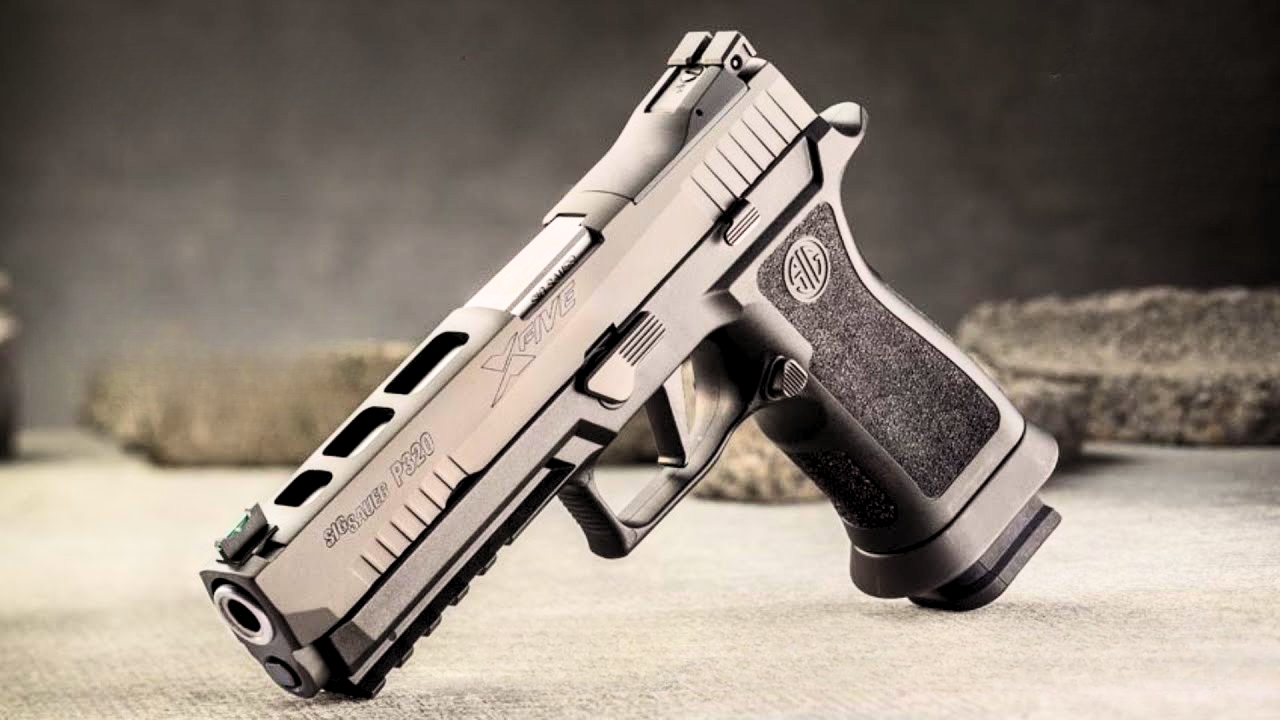
The XFive Legion has the looks and the marketing, but its performance doesn’t always justify the cost. Many shooters expect laser-tight accuracy and competition-ready behavior, but some units produce average groups that don’t match the hype. The trigger feels good, yet not dramatically better than more affordable P320 models.
Its weight can also be a downside. While it softens recoil, it slows transitions and becomes fatiguing during long sessions. When you’re paying this much, you expect clear advantages—and the XFive doesn’t always provide them.
Browning Hi-Power (modern FN/Browning reissues)
The modern Hi-Power reissues look beautifully made, but they don’t deliver the accuracy many shooters expect. Some examples group reasonably well, but plenty never reach the precision level the price implies. The heavy trigger pull and noticeable hammer-bite issues remain, even after years of potential improvements.
Recoil impulse also feels sharper than most modern 9mm pistols. Older shooters love the nostalgia, but when you compare actual performance to similarly priced modern handguns, the Hi-Power reissues often come up short. Style alone can’t make up for performance gaps.
CZ 2075 RAMI BD

The RAMI BD is built well enough on the outside, but accuracy and reliability vary widely between samples. Some shoot acceptably, while others struggle to hold tight groups even with premium ammunition. For a pistol in this price category, that inconsistency stands out immediately.
The weight-to-size ratio also works against it. It’s heavy for a subcompact yet doesn’t offer the shootability you’d expect from that extra mass. Combined with a long double-action pull and a short sight radius, the RAMI BD feels harder to shoot than its competitors—especially for what you’re paying.
Like The Avid Outdoorsman’s content? Be sure to follow us.
Here’s more from us:
The worst deer rifles money can buy
Sidearms That Belong in the Safe — Not Your Belt
*This article was developed with AI-powered tools and has been carefully reviewed by our editors.