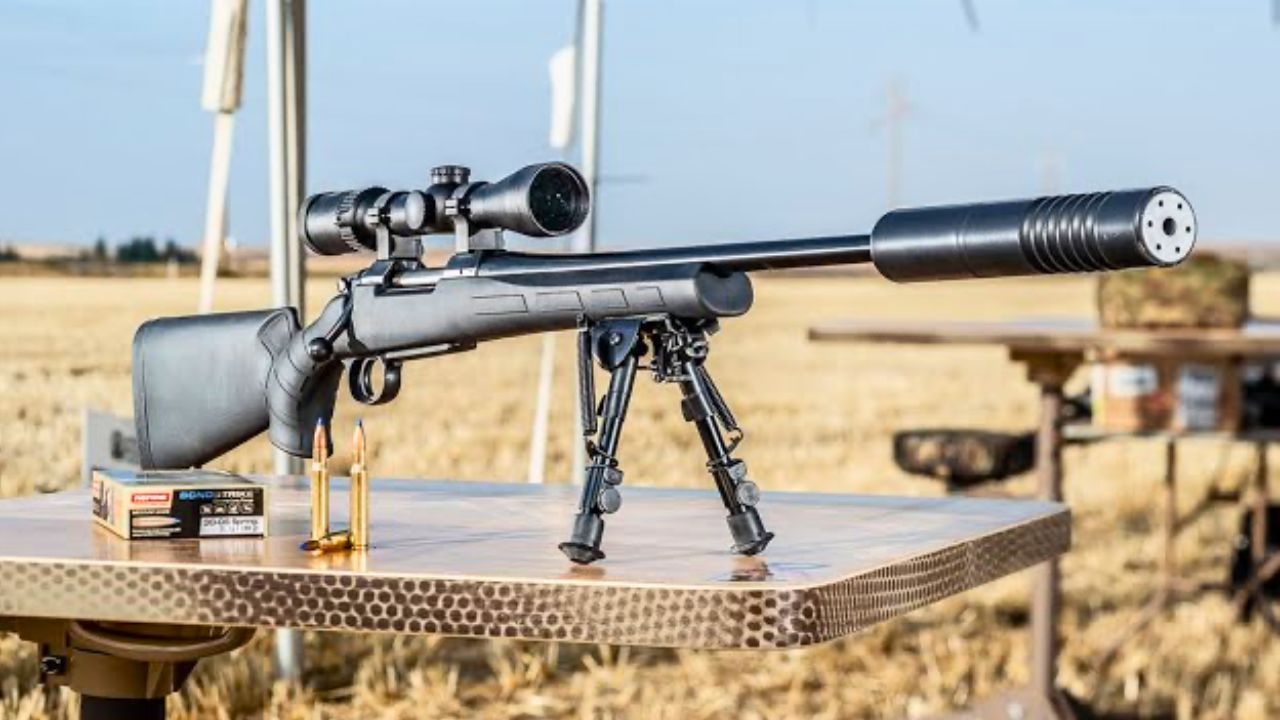
Photo credit: Ballistic Magazine/YouTube
Long-range rifles all make big promises these days, and the marketing usually paints them as effortless tools for stretching distance. But once you get them on the range, cracks start to show. Some rifles struggle with consistency, others with barrel heat, and a few simply don’t have the build quality to keep groups tight past a few hundred yards.
When you push them beyond mid-range, flaws that didn’t matter at 200 yards suddenly become deal-breakers. These rifles can still be useful, but they fall short of the expectations their advertising sets—and they make you work harder than you should for hits at distance.
Remington 783 Long Range

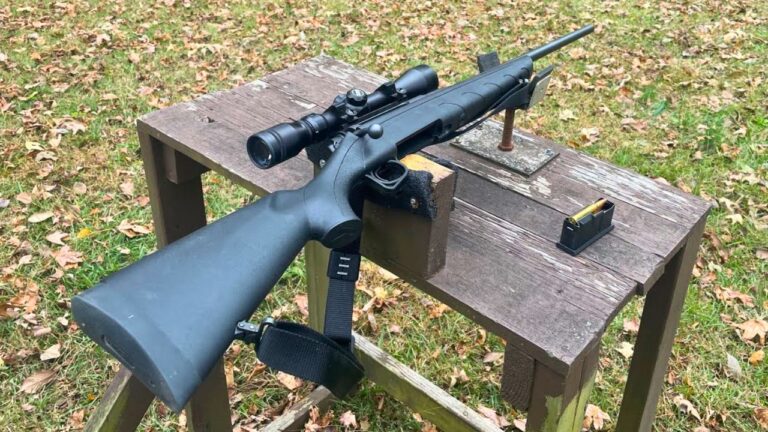
The Remington 783 Long Range is affordable and appealing to hunters wanting to test long-range shooting without breaking the bank. But the rifle’s Achilles’ heel is inconsistency as the barrel heats. You’ll often see groups widen noticeably, which becomes a major problem once you stretch past 500 yards.
Even with good ammo, the 783’s heavy trigger and budget-level stock don’t help maintain precision. It’s capable inside normal hunting distances, but it doesn’t deliver the predictable, repeatable long-range performance the name suggests. Most shooters eventually bump up to a sturdier platform.
Savage Axis II Precision

The Axis II Precision looks ready for distance work thanks to its MDT chassis, but the action still behaves like the entry-level rifle it’s built on. Lockup isn’t as smooth or consistent as you need for long-range precision, and many shooters notice vertical stringing once they move past 600 yards.
The rifle’s overall ergonomics are solid, yet it struggles with consistency between cold-bore and follow-up shots. Inside the typical hunting envelope, it does fine. Beyond that, its limitations show quickly, especially when compared to higher-tier precision rifles with more stable actions.
Ruger American Hunter

The Ruger American Hunter has a great reputation as a practical, accurate rifle for normal hunting ranges. But when shooters try to stretch it to 800 yards and beyond, the differences between this gun and a true precision rifle become clear. Barrel harmonics shift as it heats, and groups can drift even with match ammo.
The Magpul stock helps, but the action isn’t built for tight long-range consistency. Many shooters love the American Hunter for what it is—a dependable mid-range tool. It simply can’t sustain the precision needed to compete with rifles designed specifically for long-range work.
Winchester XPR Renegade Long Range SR

The XPR Renegade Long Range SR has solid features on paper, but performance at extended ranges tends to flatten out. Its trigger leaves little room for fine control, and the action isn’t as rigid as competing designs. At 300–400 yards it stays respectable, but the accuracy curve drops fast as you push out.
The rifle feels great off bags and the stock fits most shooters well. But consistent sub-MOA performance at true long-range distances is a tall order for the platform. It’s a reminder that parts alone don’t make a long-range rifle—action quality matters too.
Howa 1500 Hogue
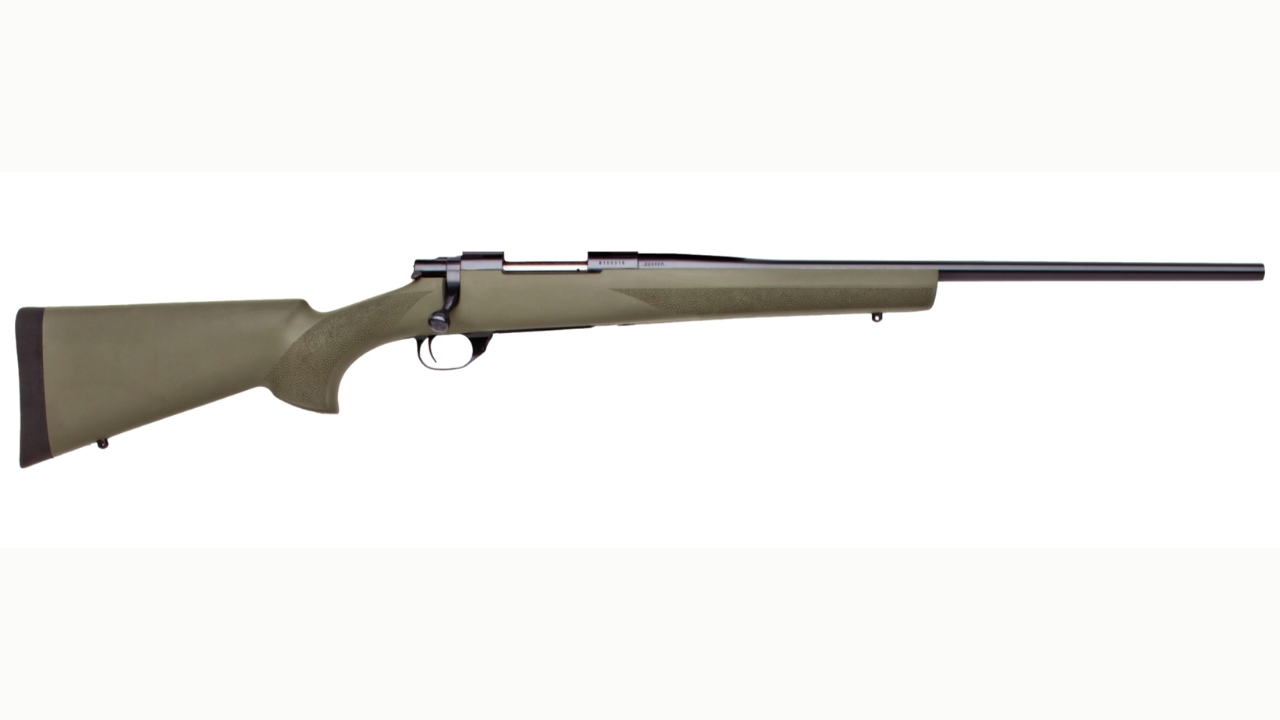
The Howa 1500 action is smooth and respected, but the Long Range variant paired with the Hogue stock shows limitations when you stretch distance. The flexible forend can shift under bipod pressure, affecting point of impact more than most shooters expect. At extended ranges, those small shifts turn into misses.
The rifle does fine on cooler days with slower shot strings, but as the barrel warms, precision drops. It remains a reliable hunting rifle inside 400 yards, but the long-range claims outpace the practical performance you see on steel past that mark.
Browning AB3 Hunter

The AB3 Hunter combines affordability with Browning branding, but the recoil pad, stock geometry, and barrel contour work against tight groups past mid-range. It’s comfortable to shoulder, yet many shooters notice wandering groups once they start dialing elevation for longer shots.
The rifle is dependable for deer seasons and casual target work, but it doesn’t maintain the stability or repeatability needed for 600-yard precision. Its limitations don’t make it a bad rifle—they just keep it from reaching the long-range performance many buyers expect based on the name.
Thompson/Center Compass II Long Range

The Compass II Long Range gained attention for its price and factory MOA guarantee, but its accuracy window narrows once you try to treat it like a precision rifle. The barrel heats quickly, the stock flexes, and the action isn’t built for perfect consistency under pressure.
You can absolutely hunt with it confidently, but if you try to ring steel past 700 yards, groups open up. The upgrades help, but the platform remains entry-level. Its long-range branding oversells what the rifle realistically delivers in high-precision scenarios.
Franchi Momentum Elite Varmint
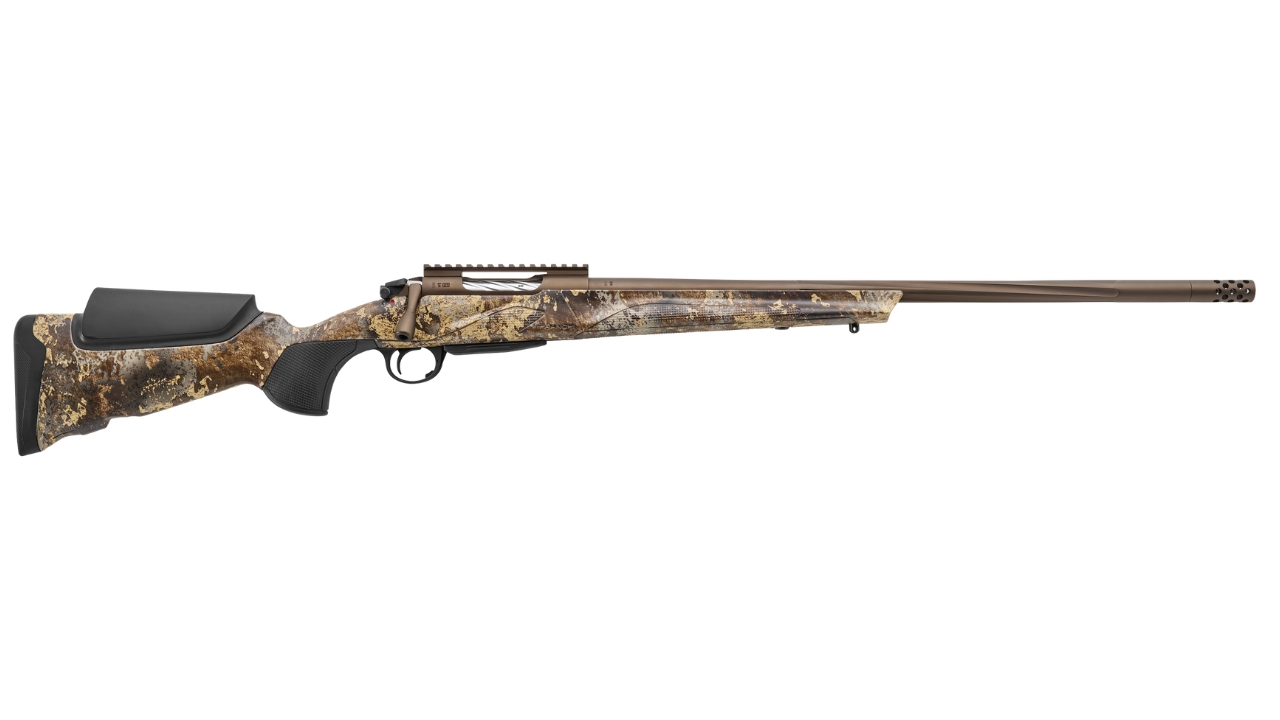
The Franchi Momentum Elite Varmint is stable on the bench, but its long-range performance suffers from a barrel profile that heats faster than expected. Once warm, groups begin to drift, and tuning loads doesn’t completely fix that issue. It’s excellent for coyotes and mid-range shooting but not meant for pushing far.
The rifle’s ergonomics and reliability are strong points, yet long-range consistency isn’t its strength. It excels where quick handling and maneuverability matter more than raw precision. For true distance work, shooters often move to a heavier platform.
Bergara B-14 Hunter

The B-14 line is well-regarded for reliability and smooth actions, but the Hunter model isn’t built for extended-range performance. Its lighter barrel and traditional stock design limit repeatable precision, especially when you string shots together. It shoots well at 200 and 300 yards but plateaus after that.
Hunters appreciate its balance and field accuracy, and it’s extremely dependable in those roles. But expecting it to perform alongside Bergara’s dedicated long-range models leads to disappointment. The Hunter simply wasn’t designed with long-distance steel work in mind.
Christensen Arms Mesa
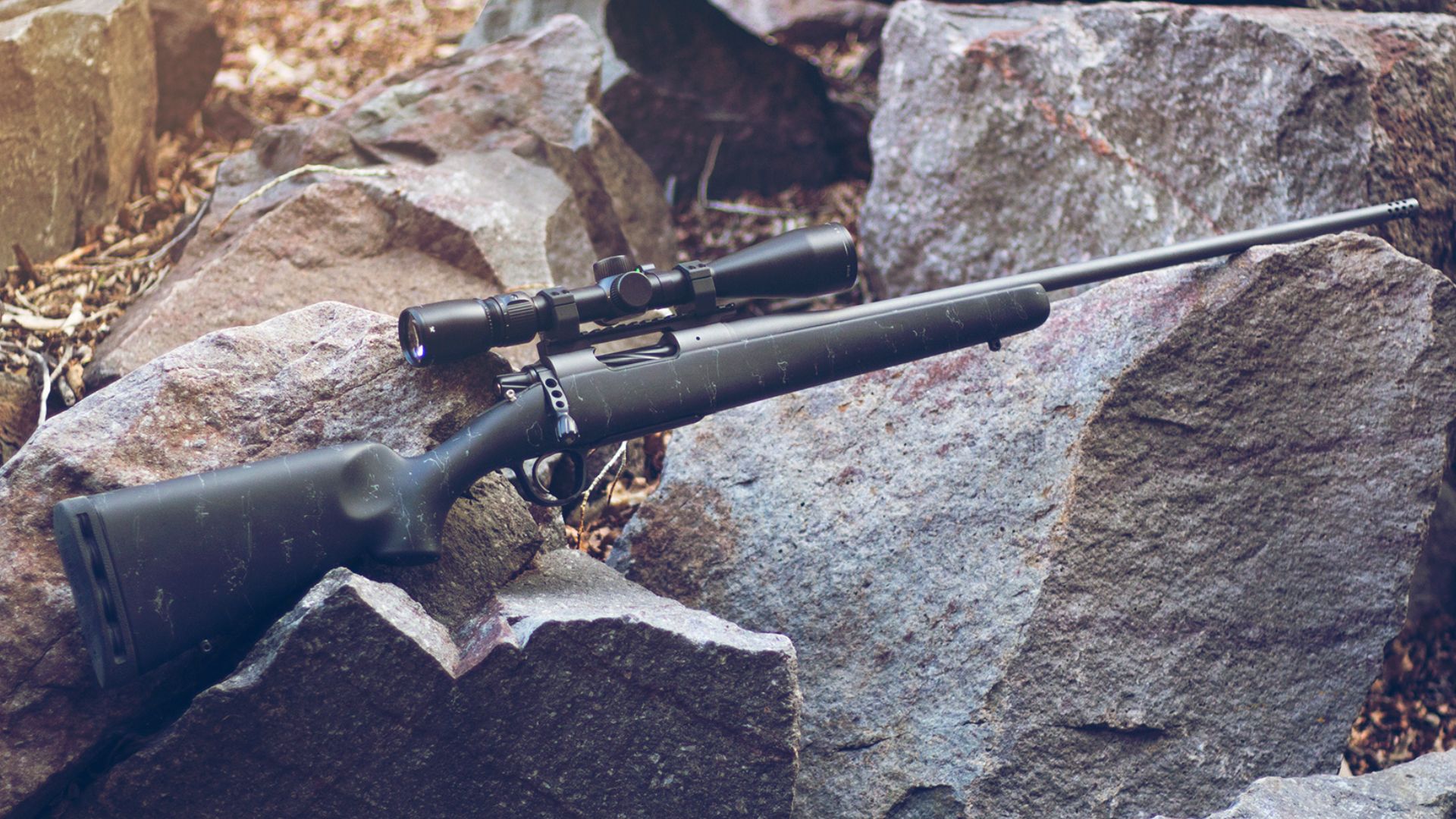
The Mesa brings a lightweight build and excellent handling, but those same features make long-range consistency a challenge. The thin profile barrel warms quickly, and even slight heat affects shot placement. At 200–400 yards it shines, but accuracy fades as distances increase.
Weight savings are the Mesa’s biggest selling point, yet they’re also its biggest drawback for distance work. Hunters love it for mountain carry, but if you intend to shoot beyond 700 yards regularly, the rifle simply doesn’t hold the vertical consistency required for that game.
CZ 557 Eclipse

The CZ 557 Eclipse offers smooth operation, but long-range performance is limited by its thinner barrel and lighter build. Shooters often report strong early groups that fade once heat builds. Past 500 yards, point of impact shifts are more common than you’d like from a precision-minded rifle.
Its strength lies in reliable hunting performance, not extended-distance consistency. The smooth bolt and good factory trigger make it enjoyable to shoot, but its design simply isn’t optimized for long-range precision sessions or competitive environments where repeatability is crucial.
Ruger Hawkeye Hunter

The Hawkeye Hunter is rugged and dependable in the field, but its long-range potential is hampered by its traditional stock ergonomics and stiffer recoil impulse. The rifle shoots well enough inside hunting distances, yet it becomes harder to maintain tight groups once you start dialing elevation.
It carries and handles beautifully, which is why hunters love it. But for stretching distance, the platform doesn’t offer the stability or barrel profile you need for consistent sub-MOA results beyond mid-range. It’s more field gun than long-range tool, despite its name.
Sauer 100 Atacama
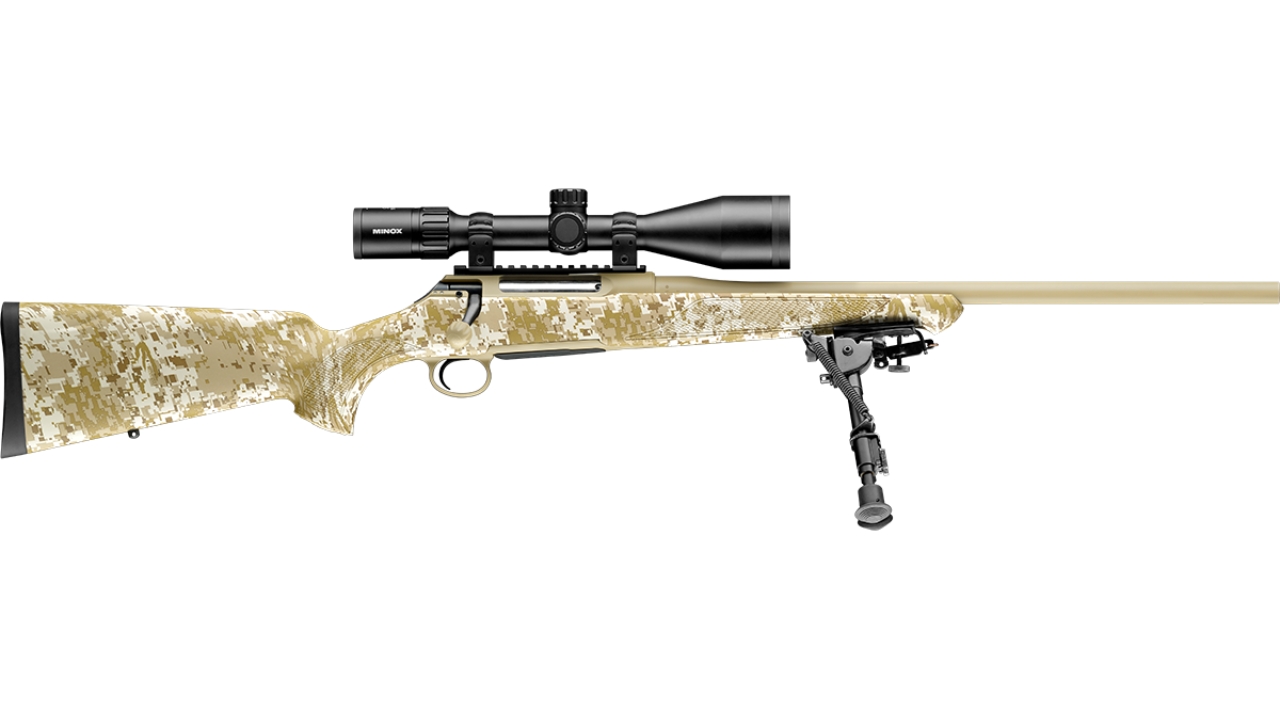
The Sauer 100 Atacama impresses with smooth cycling and good factory accuracy, but the barrel and stock combination isn’t ideal for sustained long-range shooting. Heat buildup reduces consistency, and the lightweight design lets recoil disturb follow-through more than you’d expect.
It’s a practical hunting rifle with excellent reliability, but if you’re expecting precision-rifle consistency past 600 yards, the performance tends to fall off. It’s a capable tool—just not one that matches the long-range confidence its marketing often implies.
Remington Model 700 SPS

The SPS version of the Model 700 uses a budget stock that flexes enough to cause long-range inconsistencies. Pressure on the forend, especially from bipods, changes point of impact. At hunting distances you won’t notice it, but past 500 yards the flaws stand out quickly.
The action remains proven, and with upgrades the rifle becomes far more capable. But from the factory, the SPS falls short of being a true long-range platform, even though many buyers hope the 700 name alone will put it in that category.
CVA Cascade

The CVA Cascade offers excellent value and dependable hunting accuracy, but it wasn’t built with true long-range precision in mind. The lightweight barrel heats up rapidly, and group sizes increase once it warms. At moderate hunting distances it performs admirably, but it can’t maintain consistency at extended ranges.
Shooters appreciate its handling, trigger, and reliability. Still, expecting it to consistently hit small targets beyond 600 yards is unrealistic. It’s a practical field rifle—not a precision tool—and the long-range marketing often creates expectations the rifle can’t meet.
Like The Avid Outdoorsman’s content? Subscribe to our newsletter so you never miss an article.
Here’s more from us: