Photo credit: sootch00/YouTube
Rifle actions are one of those things shooters can spend years around without fully appreciating at first. Early on, a lot of people focus on brand, caliber, barrel length, or whatever new feature is getting the most attention. Then time passes. They carry rifles longer, shoot them more, hunt in worse weather, and deal with enough awkward real-world moments to realize the action itself changes a lot about ownership. It affects speed, feel, reliability, balance, and the kind of confidence a rifle gives you when the moment is not neat or convenient.
That is why certain rifle actions keep winning people over even as trends change. Some are fast. Some are simple. Some just feel right in the hands of a hunter or shooter who values a clean, proven design. The action is not everything, but it shapes almost everything. A rifle that feeds smoothly, cycles naturally, and fits the way a person actually hunts or shoots tends to stay appreciated long after newer ideas come and go.
Bolt actions keep winning because they make life easy
The bolt action still wins people over because it remains one of the simplest and most dependable answers in the rifle world. A good bolt gun is easy to understand, easy to maintain, and easy to trust. Whether it is a Winchester Model 70 Featherweight, Tikka T3x Lite, or Remington Model Seven, the appeal tends to come down to the same thing: the system stays honest. Load it, run the bolt, make the shot, and move on.
That matters more than people think. A bolt action does not usually ask the owner to manage much beyond basic fundamentals and ordinary maintenance. It handles pressure well, works across a huge range of cartridges, and still feels like the cleanest practical answer for hunters who want one rifle to do its job without argument. Once people spend enough time around rifles, that kind of straightforwardness starts looking smarter every year.
Lever actions still have a feel nothing else replaces
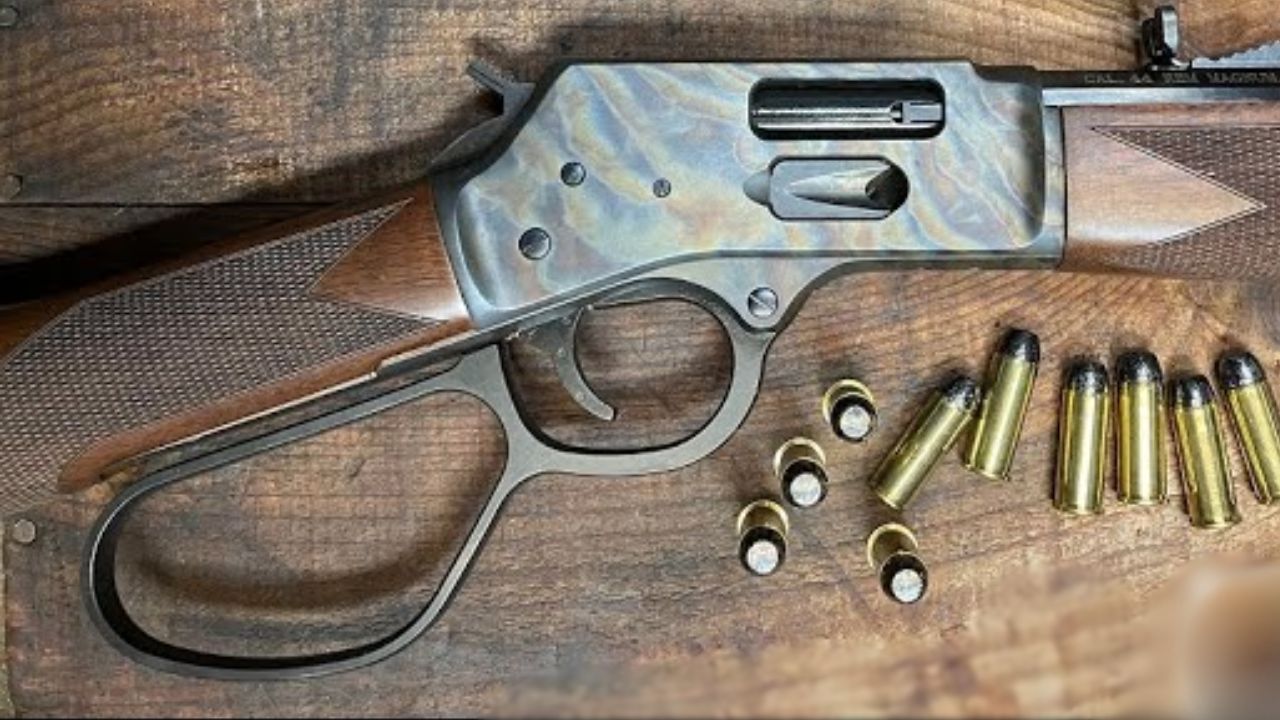
Lever actions keep winning people over because they bring speed and personality without giving up usefulness. A good lever gun like a Winchester Model 94, Marlin 336, or Browning BLR has a way of feeling alive in the hands. It carries flat, mounts quickly, and often feels more natural in the woods than many rifles that look better on paper. There is something about the way a lever rifle moves that still clicks with people once they actually hunt with one.
That does not happen by accident. Lever guns fit a certain rhythm. In thick cover, on short walks between openings, or during hunts where shots come fast and close, they make the whole process feel smooth. Even when other actions offer more reach or more cartridge flexibility, lever actions keep winning people over because they match a kind of hunting and shooting experience that still feels very real.
Pump actions win over people who care about speed and instinct
Pump-action rifles are not the center of the market anymore, but they still win people over once those people spend real time with one. A Remington 7600 or older Model 760 has a very direct feel. For hunters who grew up on pump shotguns, the motion is almost automatic. The rifle stays shouldered, the second shot comes fast, and the whole system feels practical in the kind of country where deer do not stand around offering perfect opportunities.
That instinctive quality is a big reason pump actions keep a loyal following. They are not for everybody, but for the right shooter, they feel incredibly natural. People who like them usually like them for life because the action fits the way they move and shoot. Once that connection is made, it is hard to replace with something more theoretical and less familiar.
Semi-auto actions win people over when they behave like real hunting tools
Semi-auto rifles win people over when they stop feeling like gadgets and start feeling like dependable field tools. A Browning BAR Mark III, Winchester Model 100, or even an older Remington Model 8 can show people why the action still has real value. Fast follow-up shots matter. Reduced felt disruption between shots matters. A rifle that lets the shooter stay on the animal and keep the gun working smoothly can be very convincing in the field.
What makes people stick with these actions is not only speed. It is confidence. If the rifle handles well and cycles reliably, the semi-auto starts feeling less like a specialty choice and more like a very practical one. That is especially true for hunters who spend time in mixed terrain, on drives, or in situations where a second chance comes quickly. When the action proves itself under those conditions, it wins people over fast.
Controlled-round feed keeps appealing to hunters who want certainty
Certain bolt actions keep winning people over specifically because of controlled-round feed. Rifles like the Winchester Model 70 or Ruger M77 Hawkeye appeal to hunters who like knowing the cartridge is under control from magazine to chamber. For many shooters, that is not an abstract feature. It is part of how the rifle feels when worked hard, at odd angles, or in ugly weather.
That sort of certainty matters most once people have actually hunted enough to appreciate little details. A controlled-feed action often feels like it was built with rough conditions in mind. It may not matter equally to every shooter, but to the hunters who care about it, it becomes one of those things they stop wanting to live without. Once that happens, the action has already won them over.
Short, compact actions often feel better in the real world
A lot of rifle actions win people over not because they are flashy, but because they make the rifle handier. Compact bolts like the Remington Model Seven, trim lever guns like the Savage 99, and short carbines built around useful actions keep earning respect because people discover that handling matters more than they thought. A rifle that moves easily through timber, rides comfortably in one hand, and comes to the shoulder without delay tends to leave a strong impression.
That is a big part of why certain action types never really fade. They shape the feel of the rifle in a way people notice once the hunt gets real. Bench talk can focus on raw performance. Field use tends to reward actions that keep the rifle lively, direct, and easy to live with. That kind of practicality wins people over faster than spec-sheet bragging ever will.
Familiarity turns into loyalty
One of the biggest reasons certain rifle actions still win people over is simple familiarity. Shooters and hunters build trust through repetition. A man who has cycled a Model 94 through ten deer seasons, worked a Model 70 in cold rain, or carried a 7600 through brush starts to feel something more than preference. He feels certainty. He knows what the action will feel like under stress. He knows how it sounds, how it moves, and how it behaves when the shot matters.
That is hard to replace with any new trend. Rifle actions do not win people over only by being technically good. They win by becoming familiar enough that the owner stops doubting them. Once a person gets there, the action becomes part of the reason the whole rifle keeps getting chosen over and over again.
Good actions make rifles feel honest
In the end, certain rifle actions still win people over because they make rifles feel honest. A good action does not only cycle cartridges. It shapes the whole relationship. It tells the owner whether the rifle feels clumsy or natural, fragile or dependable, fast or awkward. When the action is right, the whole rifle starts making more sense.
That is why this part of rifle design still matters so much. A hunter may come in focused on caliber. A collector may start with the name on the barrel. A newer shooter may care first about looks. But people who spend enough time with rifles usually end up paying close attention to the action. It is one of the biggest reasons some rifles keep their following for generations. The action is where trust starts, and certain ones still earn it better than others.
Like The Avid Outdoorsman’s content? Be sure to follow us.
Here’s more from us: