

Photo credit: Muddy River Tactical
Carrying a pocket pistol as a backup has been a long-time habit for some and a total mystery for others. It’s easy to wonder if hauling around a second gun is overkill or just good planning. The answer depends on your setup, your daily routine, and how you think about personal safety. Backup guns aren’t for everyone, but in the right hands, they can offer peace of mind.
Let’s break it down and take a look at the pros, cons, and real-world factors that come with carrying a pocket pistol as a backup.
A Backup for Your Primary Malfunction

Even the most reliable carry gun can fail. It’s rare, but it happens. A pocket pistol gives you a second option if your main firearm jams, breaks, or runs dry in a bad situation.
You don’t want to be fumbling with a tap-rack when everything’s gone sideways. Having a small backup gun can be faster than fixing the problem under stress.
When Access Becomes the Priority

Sometimes your main gun just isn’t reachable. If you’re seated in a vehicle, carrying off-body, or wrestling with someone, that pocket pistol could be the one you get to first.
People don’t always think about angles and accessibility under pressure. A backup in a different location could give you a fighting chance when your primary isn’t an option.
Better Than Nothing When You’re Not Fully Dressed

Let’s be honest—there are times when carrying a full-size gun just isn’t practical. Maybe you’re walking the dog in gym shorts or running to the store in sweats.
That’s when a pocket pistol fills the gap. If you’re not going to carry your primary, at least you’ve got something on you. Something small is still better than being empty-handed.
Redundancy Isn’t Always a Bad Thing

Carrying two guns might feel excessive to some, but so does carrying a spare tire—until you need it. The point isn’t to invite trouble, but to have options when things go wrong.
A backup pistol adds another layer to your defense. It’s not about looking tactical—it’s about being prepared in a worst-case scenario.
Weight and Comfort Tradeoffs

Pocket pistols shine when it comes to size, but they still take up space. Adding another gun means rethinking your pockets, beltline, and daily routine.
If you’re already struggling to carry comfortably, a backup could be more of a burden than a benefit. You’ve got to balance preparedness with practicality.
Training Is Non-Negotiable

A backup gun won’t do you any good if you’re not trained to use it. You need to practice drawing it, shooting it, and making decisions under pressure.
Pocket pistols can be harder to shoot well, especially in a hurry. If it’s part of your setup, it needs to be part of your training too.
Small Guns Have Small Limitations

Pocket pistols don’t give you the same control, capacity, or sight radius as larger guns. You trade a lot to get that size.
They’re great in a pinch, but not ideal for long engagements. Know their strengths and weaknesses before betting your safety on one.
Revolver or Semi-Auto for Backup?

Both have their place. Revolvers are simple, reliable, and less sensitive to lint and pocket gunk. Semis give you more rounds and quicker reloads.
What matters most is what you’re comfortable with and what fits your carry setup. Either one can work—just don’t overthink it.
Pocket Holsters Matter More Than You Think
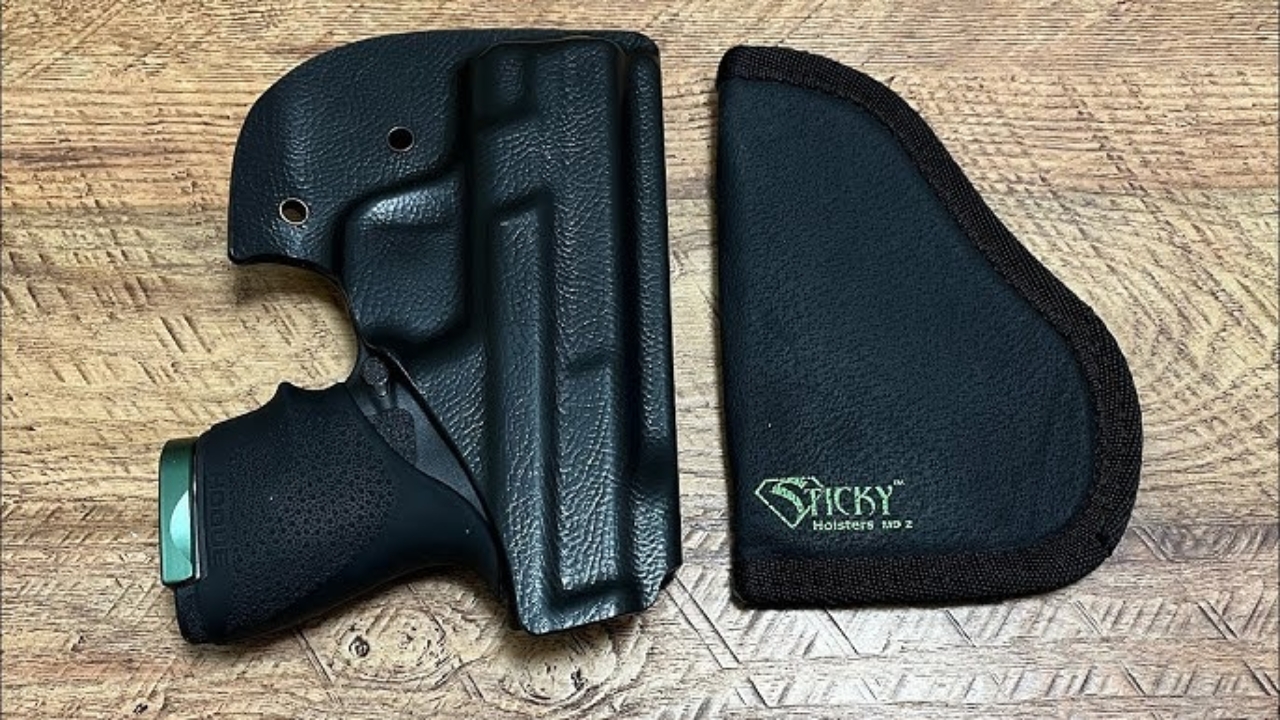
Just stuffing a gun in your pocket isn’t smart. You need a holster that covers the trigger, keeps it oriented right, and breaks up the outline.
A decent pocket holster makes the gun safer and faster to draw. It’s a small detail that makes a big difference in how well your backup works.
Know When It’s Too Much

There’s a point where carrying extra gear becomes a hassle. If adding a pocket pistol makes you skip carrying at all, it’s not helping.
Backup guns are for folks who already carry every day and want just a little more peace of mind. If it’s not realistic for you, stick to your primary and make it count.
*This article was developed with AI-powered tools and has been carefully reviewed by our editors.


