Photo credit: Tier 1 Concealed/YouTube
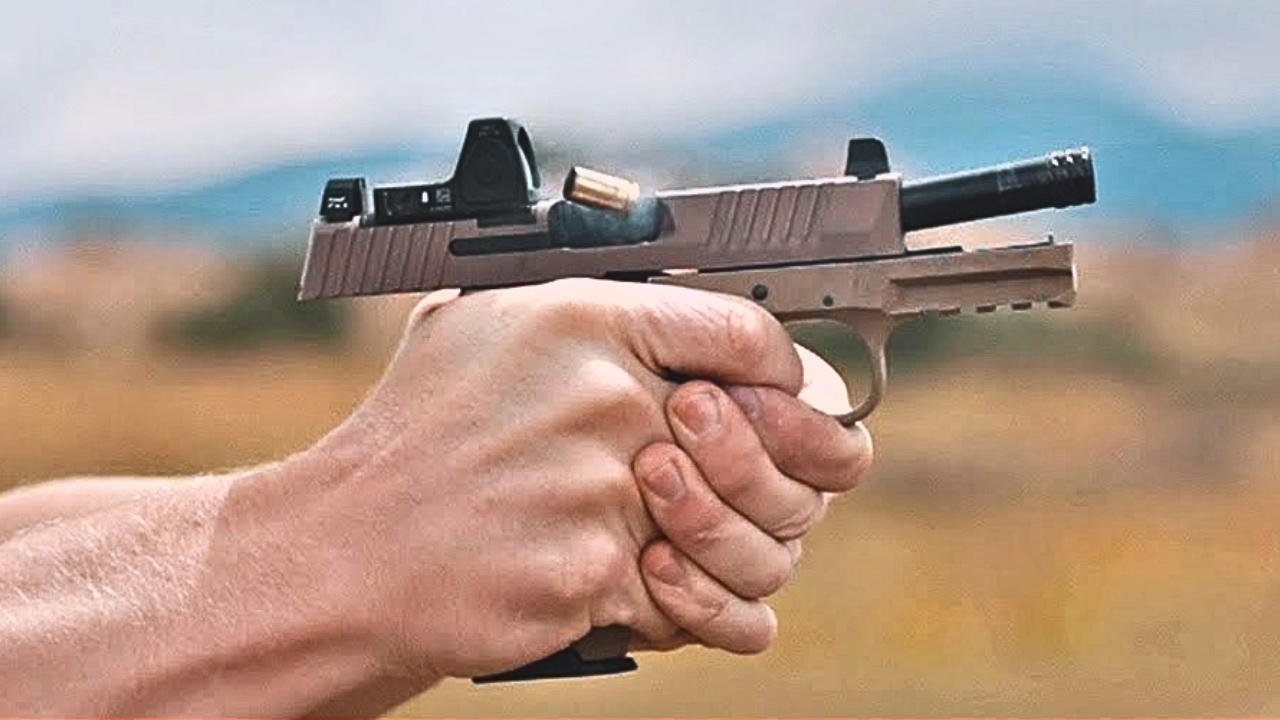
The fastest way to make a new shooter worse isn’t buying the “wrong” gun. It’s buying into the trend that gear can replace fundamentals. Right now, the biggest version of that trend is stacking performance add-ons onto a carry pistol before the shooter can run the basics clean: red dot, compensator, fancy trigger, extended controls, magwell, and a pile of micro-optimizations—then calling it “setup.” New shooters end up with a pistol that feels impressive and shoots “okay” when they’re taking their time, but they never build the core skills that make a handgun work under stress. The gear doesn’t ruin them. The shortcuts ruin them.
What makes this trend so damaging is that it gives a false sense of progress. The shooter feels like they’re leveling up because the gun looks serious and the internet told them those parts are “must-have.” Meanwhile, their grip is unstable, their trigger press is sloppy, and their presentation is inconsistent. Those fundamentals don’t show up in casual range time. They show up when the shooter is cold, rushed, or trying to shoot fast. And that’s when the gear stack turns into a crutch instead of a help.
The trend is “build the gun first, build the shooter later”
A new shooter should be building consistency: same grip every draw, same sight picture, same trigger press, same follow-through. The trend pushes the opposite. It says, “Make the gun easier and you’ll shoot better.” Sometimes that works short-term, but it creates bad habits. A lighter trigger can let a sloppy press still land hits. A comp can reduce recoil enough that poor grip doesn’t immediately punish you. A red dot can make a shooter feel more precise while they’re still presenting inconsistently. The shooter gets rewarded for things that should be corrected, and that reward system locks in the wrong habits.
You can see it when those shooters pick up a basic pistol again. Their performance drops hard. They can’t run irons anymore. They can’t manage recoil without a comp. They struggle with a normal trigger. They never built a baseline. They built dependency. That’s why this trend makes people worse faster: it trains their brain to rely on equipment to cover gaps instead of attacking the gaps directly.
The red dot trap for beginners isn’t the dot—it’s the draw
This is the part people get defensive about. Red dots are great. But a new shooter with a dot often stops learning how to present a pistol correctly. They “hunt” for the dot instead of building a consistent draw that brings the dot into view automatically. When they miss the window, they wiggle the gun around until they find it. That works on a slow range line. Under speed, it falls apart. The dot wasn’t the issue. The presentation was.
A dot also amplifies wobble. New shooters see the dot bouncing and assume the solution is to chase it, when the real solution is grip and trigger control. A good instructor can coach through this, but the trend encourages people to bolt the dot on and self-teach through YouTube. That’s where the problem grows. It’s not the technology. It’s the order of operations.
Compensators and “flat shooting” builds hide weak grip
Comps can make a pistol shoot flatter, but they also hide grip problems. New shooters start thinking recoil control is about hardware instead of about locking wrists and applying consistent support-hand pressure. They get used to the gun doing the work. Then they shoot a normal gun—or their comp gets dirty, or they switch ammo—and suddenly they can’t keep the gun under control. They never learned to drive the gun. They learned to ride the gun.
For carry, comps add other issues too—blast, noise, extra length, sometimes reliability quirks depending on setup. New shooters skip past all of that because the gun “feels good” and looks cool. Then they wonder why training doesn’t translate cleanly when conditions change. If the goal is defensive competence, building a grip that controls a normal pistol is a better long-term investment than relying on a comp.
Aftermarket triggers make sloppy trigger control feel “fine”
This is another big one. A cleaner, lighter trigger can make early groups look better, and that’s intoxicating. The shooter thinks they improved. But a good trigger doesn’t magically teach a straight-back press, proper prep, and clean break. It just reduces the punishment for doing it wrong. When that shooter is stressed, their trigger habits matter more, not less. If their trigger control was never built properly, they’ll still yank shots—only now they’re doing it faster.
Instructors see this constantly: shooters with “upgraded” triggers who can’t call their shots, can’t manage the wall, and can’t keep the gun steady at speed. The trigger made them feel confident early. It didn’t make them competent. That’s why it’s such a common trap for newer shooters.
The biggest damage is mental: gear replaces accountability
When people lean on gear early, they stop holding themselves accountable. Miss? Must be the sights. Slow? Must be the trigger. Recoil? Must need a comp. That mindset blocks improvement because it externalizes every problem. The shooter becomes a parts shopper instead of a skill builder. That’s the real reason this trend makes new shooters worse faster—it trains them to solve performance problems with purchases instead of reps.
If you want a shooter to improve quickly, give them a stock pistol, decent sights, and a structured plan. Track hits. Track time. Build consistency. If you want to make them worse, convince them their next upgrade will fix their skill gap. It’s a guaranteed way to keep them stuck.
The better approach: earn the upgrades
The right way to add gear is to earn it. Start with a stock gun and learn to shoot it clean. Then add a dot if your presentation is consistent enough that you’re not fishing for it. Add a comp only if you can already control recoil well and you have a specific reason. Change triggers only if you understand the system and you’re willing to test reliability hard. Upgrades should solve identified problems, not imagined ones.
If you’re going to do one practical thing that actually helps a new shooter improve faster, it’s structure. A shot timer and simple targets force honesty. You can grab basic training targets and timing tools at Bass Pro Shops, but the magic isn’t the gear—it’s that it creates measurable reps. Measurable reps make improvement unavoidable.
Like The Avid Outdoorsman’s content? Be sure to follow us.
Here’s more from us: