Photo credit: topseller/ShutterStock.com
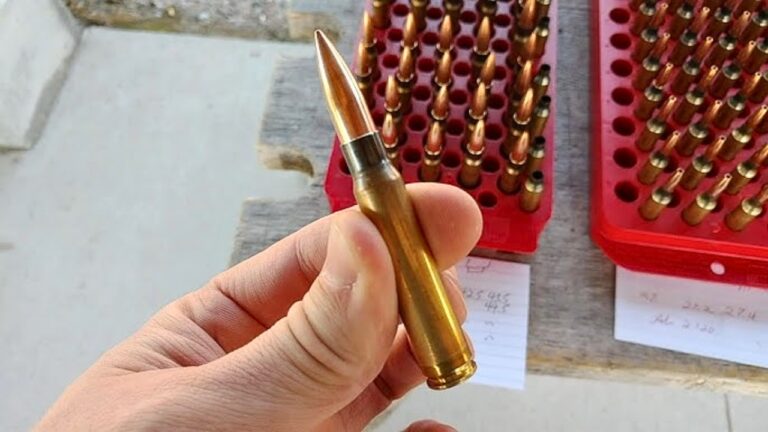
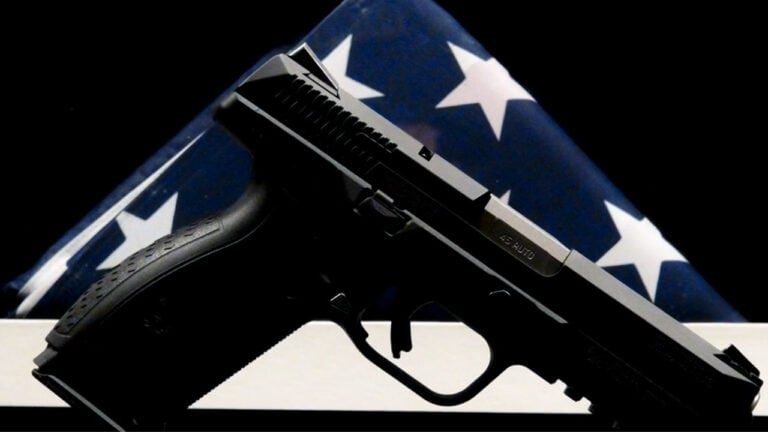
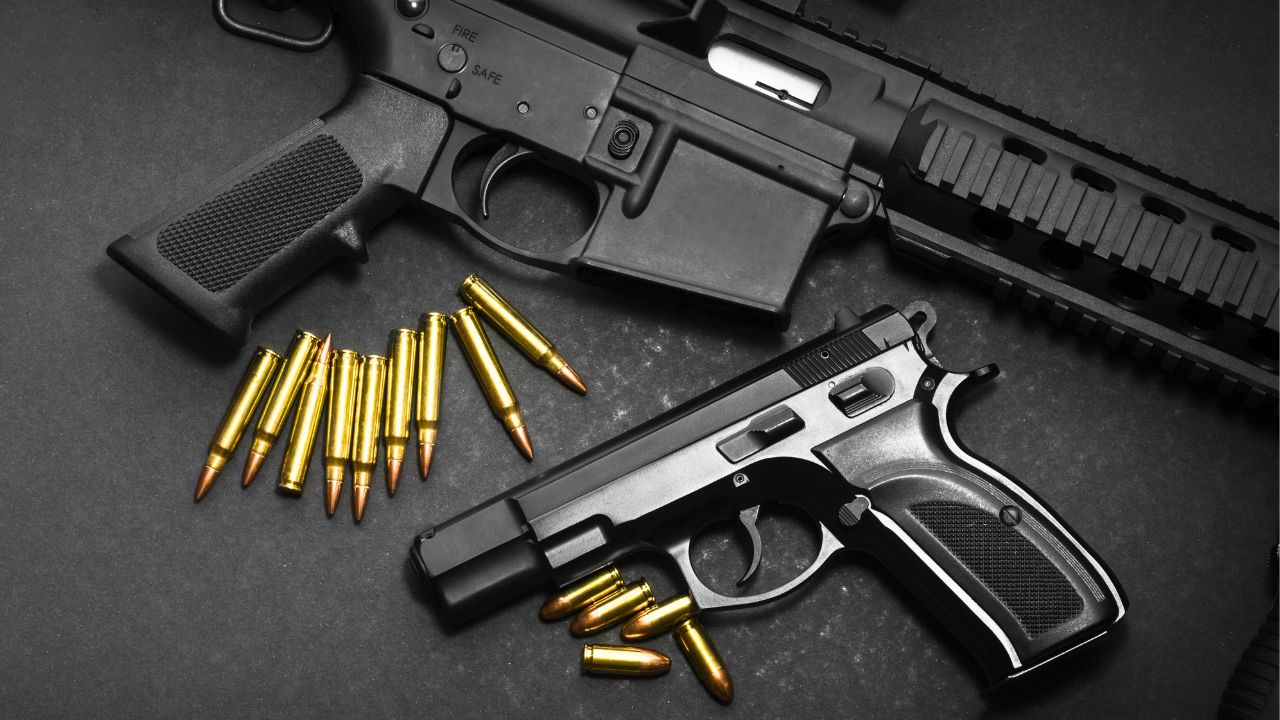
Caliber debates have been going on as long as rifles and pistols have been in hunters’ and shooters’ hands. You’ve heard the arguments—bigger is better, smaller is faster, or one round is “all you’ll ever need.” The truth is, caliber often matters less than shot placement, bullet design, and knowing your rifle. But there are times when the numbers on the headstamp make all the difference. Understanding where caliber doesn’t matter—and where it absolutely does—will keep you from making the kind of mistake you only make once.
Bullet design matters more than caliber

Plenty of hunters get hung up on caliber when what really matters is how the bullet is built. A well-constructed .243 with a quality bonded bullet will outperform a poorly chosen .30-06 soft point in many real-world situations. Penetration, expansion, and weight retention decide whether an animal drops cleanly or runs off. If you focus more on the bullet design than chasing “biggest caliber” bragging rights, you’ll get more consistent and ethical results in the field.
Shot placement beats raw power

A poorly placed magnum round won’t make up for bad aim. At the same time, a smaller, well-placed shot will anchor game quickly. Hunters have proven this time and again with calibers like the .270, .308, and even .223 on the right-sized game. Accuracy and discipline matter more than how many foot-pounds are on the box. You can’t buy better shot placement by moving up in caliber, but you can build confidence with practice and patience.
Recoil can cost you accuracy

Caliber alone doesn’t make you a better shot, and too much recoil can set you back. Jumping from a mild .243 to a .338 without proper preparation can lead to flinching and poor groups. The result is missed or wounded game, no matter how “capable” the bigger caliber is on paper. Choosing a round you can actually handle and shoot well, over one that looks good in theory, will make you far more effective as a hunter or marksman.
Small calibers shine in the right context

For varmints, coyotes, and even smaller deer, light calibers like .22-250, .223, or .243 are more than enough. They shoot flat, have light recoil, and allow for quick follow-up shots. In these cases, “more gun” doesn’t necessarily give you an advantage. What matters is matching the caliber to the task, not assuming bigger automatically equals better. When you’re realistic about your target and range, small calibers can be some of the most effective choices out there.
Large game demands more than minimum

Here’s where caliber does matter. Elk, moose, and bear aren’t forgiving animals, and under-gunning yourself can lead to disaster. While a .243 can technically kill an elk with perfect placement, you don’t want to gamble on a shot angle that requires more penetration. That’s when stepping up to a .30-06, .300 Win Mag, or .338 Win Mag starts to make sense. Bigger game calls for deeper penetration and heavier bullets—things smaller calibers can’t always deliver reliably.
Distance changes the equation

At 100 yards, caliber choice often matters less than the shooter’s ability. Stretch that to 400 or 500 yards, and ballistics take over. Smaller calibers may lack the retained energy and penetration needed at those distances. That’s when calibers with higher ballistic coefficients—like 6.5 Creedmoor, .270, or .300 Win Mag—start to separate themselves from lighter options. If you hunt or shoot long range, caliber selection suddenly matters a lot more than it does inside 150 yards.
Brush and obstacles expose weak calibers

Not every hunting shot happens in a clear field. Brush, twigs, and even tall grass can deflect lighter, faster rounds and cause them to tumble or miss altogether. In these situations, heavier calibers with slower, sturdier bullets have the advantage. Rounds like .35 Remington or .45-70 have earned their reputation for handling brush better than small, high-velocity calibers. When you know your hunting ground has obstacles, that’s when caliber can decide whether you hit or miss.
Energy transfer is no substitute for penetration

Some hunters get sold on energy numbers, thinking a smaller caliber with high velocity will outmatch a slower big bore. Energy on paper doesn’t tell the full story. Without penetration, that energy doesn’t reach vital organs where it matters most. Calibers that carry heavier bullets—like .308 or .30-06—often perform better in practice than smaller, faster ones that “look good” in charts. When you need an animal down quickly, penetration beats flashy velocity every time.
Regional hunting laws force caliber choices

Sometimes caliber isn’t a matter of preference—it’s the law. Many states set minimum caliber requirements for hunting big game, often ruling out smaller rounds regardless of bullet design. That’s why you’ll see .223 banned for deer in certain places, while others allow it. These regulations reflect the real-world shortcomings of smaller calibers when ethical kills are on the line. So even if you’re confident with your shot placement, caliber suddenly matters because of the law.
The right caliber builds confidence

At the end of the day, confidence matters as much as ballistics. If you’re second-guessing whether your caliber is enough, you won’t shoot as well. Choosing a caliber you trust—one with proven performance on your game and terrain—makes you steadier behind the trigger. That confidence translates into cleaner kills and better hunts. So while caliber may not always matter on paper, it matters when it comes to how sure you are about taking the shot.
*This article was developed with AI-powered tools and has been carefully reviewed by our editors.