
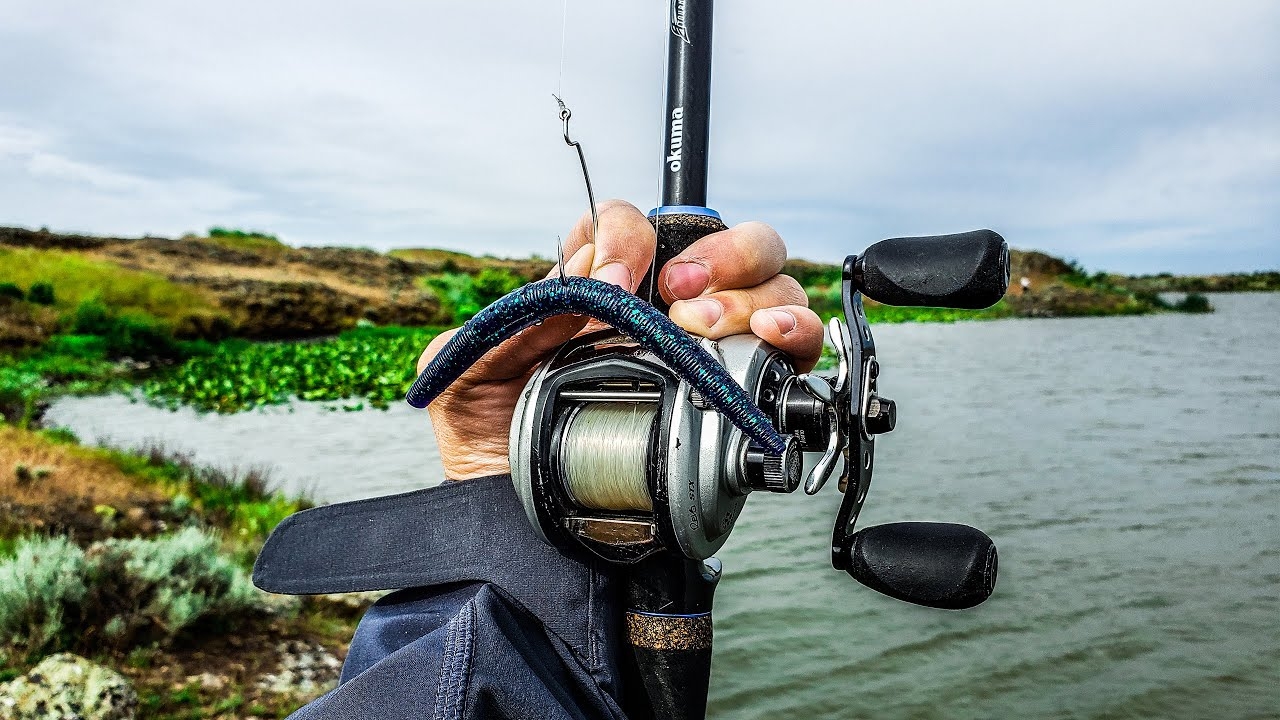
Photo credit: Samong Outdoors/YouTube
If you’ve spent any time bass fishing, you know there’s no magic bait that works every time. Some days, they’re hammering topwater. Other days, they won’t touch anything but a finesse rig. That’s why it pays to have a few go-to setups that consistently get bites, no matter where you’re fishing or what mood the fish are in.
These rigs have been catching bass for decades, and for good reason—they work. Whether you’re fishing heavy cover, deep water, or clear lakes with spooky fish, having the right rig can mean the difference between a full livewell and a frustrating day on the water. If you’re not using these setups yet, you’re missing out on some of the best ways to put bass in the boat.
Wacky Rig

If you’re after finicky bass in shallow water, the wacky rig is about as foolproof as it gets. All you need is a finesse worm—like a Senko—and a wacky hook. Just hook the worm right through the middle so it dangles evenly, then cast it near cover and let it fall naturally. Nine times out of ten, bass grab it before it even hits the bottom.
This setup shines on spinning gear with a 20-pound braided mainline tied to a 10-pound fluorocarbon leader. The slow, unpredictable fall makes it irresistible, especially when fish are being stubborn. If you’re not already using a wacky rig, you’re missing out on one of the easiest ways to get a bite.
Drop Shot Rig

If you’ve ever fished a clear lake and felt like the bass were ignoring everything you threw at them, the drop shot rig is your best friend. This finesse setup puts a soft plastic—like a straight-tail worm—above a small weight, keeping it right in the strike zone while you shake it in place.
The beauty of the drop shot is how natural it looks underwater. Use spinning gear, a light fluorocarbon leader, and fish it around brush piles, rock piles, or open water structure. It works year-round, but when bass are being picky, this is one of the best ways to convince them to bite.
Carolina Rig

The Carolina rig is perfect when bass aren’t hanging tight to cover but are roaming deeper water. It’s a drag-and-wait kind of setup, where the weight sits ahead of the bait, allowing your soft plastic to glide freely behind it. This keeps your lure off the bottom, making it look like an easy meal cruising through open water.
The setup is simple: a sliding weight, a bead (to protect your knot), a swivel, and a leader line with a hook at the end. An 18-inch leader is a good starting point, but you can go longer if needed. If you’re fishing deep points, ledges, or flats, a Carolina rig is one of the best ways to cover water and find active fish.
Texas Rig
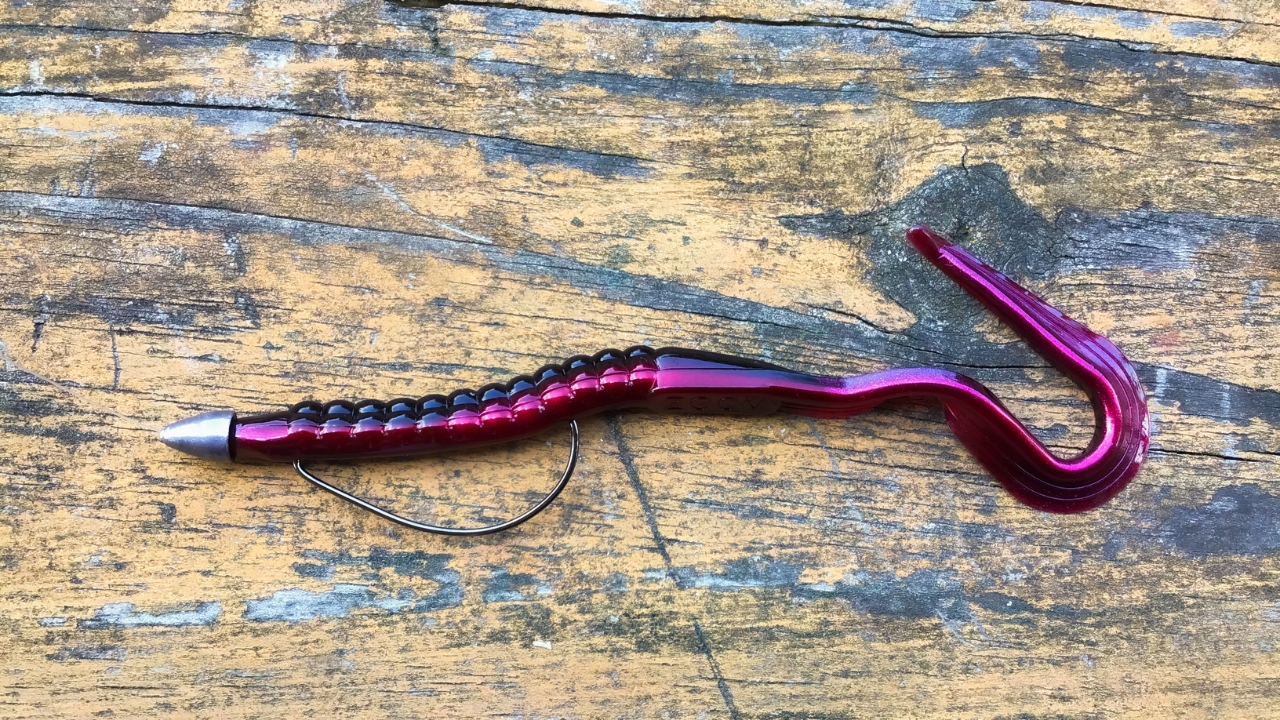
If you could only pick one rig for bass fishing, the Texas rig might be it. It works anywhere, anytime, and in just about any cover. You’ll need a bullet weight, a worm hook, and your favorite soft plastic—like a creature bait or a worm. Slide the weight onto your line (pointed end first), tie on a hook, and rig the soft plastic so it’s weedless.
This rig is killer for fishing heavy cover like grass, wood, and docks because it slips through without getting snagged. Whether you’re pitching into thick brush or dragging along the bottom, the Texas rig is a must-have in every angler’s lineup.
Ned Rig

The Ned rig might not look like much, but trust me—it catches fish when nothing else will. It’s just a small soft plastic on a lightweight jighead, but the way it stands up on the bottom makes it look like an easy meal. Bass can’t resist it.
If you’re fishing deeper water or around sparse cover, tie on a Ned rig and let it do its thing. It works best on light spinning gear, and you don’t need to overwork it—just let it sit and give it a little shake. Sometimes, simple is better, and the Ned rig proves that every time.


