
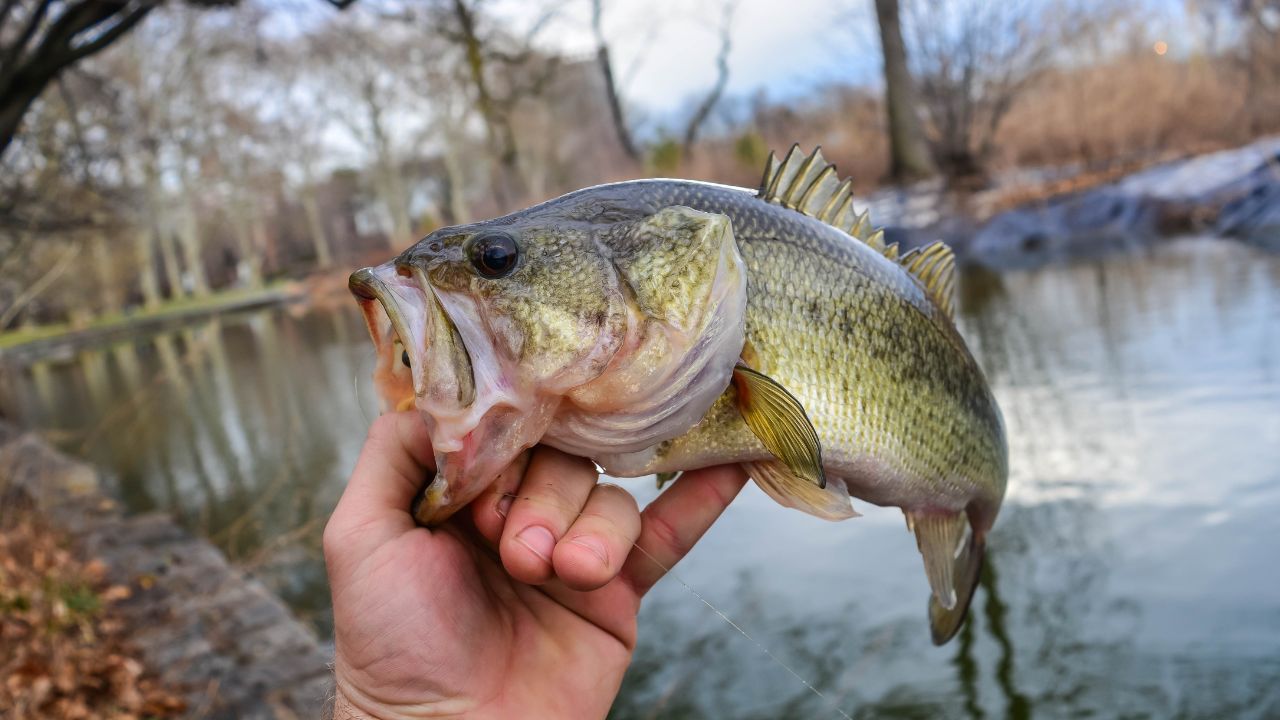
Photo credit: michasekdzi/Shutterstock.com
Spawning season is when bass fishing myths do the most damage. You hear hard rules repeated every spring—dates, temperatures, moon phases, and behaviors that are supposedly set in stone. The problem is that bass don’t operate on folklore. They respond to conditions in real time, and those conditions shift constantly from lake to lake and year to year.
When anglers rely on oversimplified ideas about the spawn, they end up fishing memories instead of reading what’s actually happening. If you’ve ever felt out of sync during the spawn—seeing fish but struggling to understand them—these myths are usually the reason. Knowing what isn’t true about spawning bass often matters more than knowing another pattern.
Bass Spawn at the Same Time Everywhere
One of the most common myths is that bass spawn on a universal schedule. You hear specific weeks, dates, or water temperatures treated like guarantees. In reality, spawning timing varies widely depending on latitude, elevation, water clarity, and weather trends. A shallow, stained lake can see spawning activity weeks earlier than a nearby deep, clear reservoir.
Bass respond to local conditions, not regional assumptions. Even within the same body of water, different sections warm at different rates, causing spawning activity to stretch out over time. Cold fronts can pause movement, while sustained warming can accelerate it. Expecting all bass to spawn at once leads to missed opportunities because fish may be staging, spawning, and recovering simultaneously. The spawn is a process, not a moment, and treating it like a fixed event keeps you behind the fish.
All Bass Move Shallow to Spawn
It’s easy to assume spawning season means every bass rushes to the bank, but that isn’t how it plays out. While shallow water is important, bass don’t all commit to the same depth or location at the same time. Many fish stage just outside spawning areas, especially larger females waiting for stable conditions.
In clear water, bass often spawn deeper than expected because sunlight penetrates farther. Some fish never appear on visible shoreline beds at all. If you only fish what you can see, you’re ignoring a large portion of the population that’s close but not fully committed. Spawning behavior isn’t strictly shallow or deep—it’s transitional. Treating it as a shoreline-only event narrows your approach and costs you fish that are positioned just out of sight but very much active.
Water Temperature Alone Triggers the Spawn
Water temperature matters, but it isn’t a switch that flips spawning behavior on and off. Many anglers fixate on a specific number and assume bass will instantly move shallow once it appears. That thinking ignores how bass actually respond to changing conditions.
Temperature works alongside daylight length, weather stability, and warming trends. A lake may briefly hit the “right” temperature only to cool again after a front, delaying activity. Bass respond to consistency, not spikes. They need confidence that warming conditions will hold. Relying on isolated readings often puts you ahead or behind the fish. Successful spawn fishing comes from watching trends and timing, not chasing numbers.
Big Bass Always Spawn First
There’s a widespread belief that the biggest bass are always the first to spawn. While large fish can spawn early, they often don’t. In many systems, larger females stage longer and wait for stable conditions before committing.
Smaller bass frequently move shallow first, creating the illusion that the spawn is fully underway. Big bass didn’t get big by taking unnecessary risks, and shallow water during unstable spring weather can be risky. If you assume early shallow fish represent the largest class, you may mistime when trophy fish actually commit. Understanding that size influences caution helps you stay patient instead of forcing a pattern too early.
Bass Stay Locked on Beds
Many anglers believe spawning bass stay glued to their beds nonstop. In reality, bed fish move more than people think. Bass may slide off beds to feed, avoid pressure, or respond to weather changes.
They often pull back during low-light periods or after repeated disturbance. This movement doesn’t mean the spawn is over—it means bass are managing risk. If you don’t see fish where you expect them, they’re often nearby. Assuming bed fish never leave causes anglers to abandon productive areas prematurely instead of adjusting their timing and approach.
Bass Don’t Feed During the Spawn
It’s often said that spawning bass stop eating entirely. While feeding behavior changes, it doesn’t disappear. Bass still strike out of aggression, territorial defense, and opportunity.
Instead of chasing prey long distances, they react to intrusions near the nest or immediate area. They may also feed briefly between spawning activities. Assuming bass won’t bite leads anglers to fish timidly or give up on productive water. Spawning bass are selective, not inactive, and understanding that distinction keeps you engaged instead of discouraged.
Every Visible Bed Is Worth Fishing
Seeing a bed doesn’t mean there’s a catchable fish on it. Some beds are abandoned, some belong to small males, and others hold fish that won’t tolerate pressure.
Bass may only use certain beds intermittently, especially when conditions fluctuate. Others may already be finished spawning. Focusing only on visible beds causes anglers to ignore fish spawning deeper or in less obvious areas. Not every bed deserves your time, and learning which ones to leave alone saves effort and frustration.
Bass Need Hard Bottom to Spawn
Hard bottom is preferred, but it isn’t required. Bass adapt to what’s available in a given system. In lakes without ideal substrate, they spawn in sand, silt, grass, and even shallow wood.
Protection and stability matter more than textbook bottom composition. Believing bass won’t spawn without perfect conditions causes anglers to overlook areas that consistently produce fish. Bass don’t wait for ideal—they work with what they have.
Moon Phase Controls the Spawn
Moon phases influence spawning, but they don’t control it completely. Full moons often coincide with increased activity, but they aren’t guarantees.
Bass will spawn during multiple moon phases if conditions are favorable. Weather stability and warming trends often outweigh lunar influence. Treating the moon as a rule instead of a factor leads to mistimed expectations and missed opportunities.
The Spawn Ends All at Once
Another common myth is that once the spawn ends, it ends everywhere at the same time. In reality, spawning happens in waves. Different groups of bass spawn at different times.
Some fish may already be post-spawn while others are just beginning. This overlap creates mixed behavior across the lake. Understanding this prevents you from assuming the bite has died when fish are simply in different stages.
Post-Spawn Bass Immediately Leave
Many anglers believe bass instantly move offshore after spawning. While some do, many linger near spawning areas to recover.
Post-spawn bass often stage near nearby depth changes or cover. If you abandon shallow zones too quickly, you miss fish that are still accessible and catchable. Recovery doesn’t always mean relocation.
Fishing Pressure Doesn’t Matter During the Spawn
Spawning bass are not immune to pressure. Boat traffic, repeated casts, and shoreline activity all influence behavior.
Under pressure, bass may spawn deeper, relocate beds, or become far more cautious. Assuming spawning fish are oblivious leads to poor positioning and approach. Pressure doesn’t stop the spawn, but it absolutely reshapes it.
You Can Fish the Spawn the Same Way Every Year
One of the most damaging assumptions anglers make is believing last year’s success guarantees this year’s results. Conditions change annually, and bass respond accordingly.
Water levels shift, weather patterns arrive earlier or later, forage changes, and fishing pressure increases. Treating each spring as a fresh puzzle instead of repeating habits keeps you aligned with what the fish are actually doing. Observation beats memory every time.
Like The Avid Outdoorsman’s content? Subscribe to our newsletter so you never miss an article.
Here’s more from us:


