Photo credit: William T Smith/Shutterstock.com
A deer moving through the woods doesn’t care about where your shooting lanes are cut. If you want consistent opportunities, you’ve got to guide their movement without spooking them. That means using natural behavior, food sources, and subtle pressure to make them travel where you need them. The methods below aren’t gimmicks—they’re field-proven tactics hunters have used season after season to line up shots in clean lanes instead of brush-choked openings that ruin your hunt.
Cut natural trails through thick cover

Deer usually follow the path of least resistance. If you trim narrow paths through briars, downed limbs, or thick saplings, you’ll often find deer start using them quickly. Keep them subtle and avoid leaving heavy scent when working.
Once those trails are in, line them up with your shooting lanes. It doesn’t take long for deer to adjust, and you’ll be surprised at how often they choose your path instead of busting through brush. A few hours of preseason trimming can set you up for cleaner shots all season.
Use mock scrapes in sight of lanes

Deer, especially bucks in the fall, are drawn to scrapes. Placing a mock scrape near a shooting lane encourages them to pause in the open where you’ve got a clear shot. Position it where prevailing wind won’t blow your scent right at them.
All you need is a low-hanging branch and a cleared patch of dirt. Adding scent during peak times can boost its draw. Even without that, deer are naturally curious, and you’ll get them to stop right where you want them instead of passing through too quickly.
Place mineral sites strategically

In areas where it’s legal, mineral sites are one of the easiest ways to influence deer movement. By putting them within sight of a lane, you’ll see deer stepping out regularly to use them. It works especially well in summer and early fall.
Don’t overdo it or place them in obvious open spots. Tuck them just far enough into cover that deer feel comfortable using them, but still visible to your stand or blind. The goal is to give them a reason to move into your lane naturally instead of forcing it.
Position feeders where lanes intersect

If you hunt where feeders are allowed, placement is everything. Put them where multiple lanes converge, and you’ll have deer stepping into clearings to check them out. The feeder doesn’t have to dump a lot—it’s the sound and routine that keeps them circling.
Make sure you’ve got prevailing winds in mind. If deer catch human scent every time they approach, they’ll skirt around instead of entering the lane. Done right, feeders can keep deer returning on a predictable route that lines up with your shooting window.
Rake leaves for quiet entry points

Deer avoid noisy footing, especially when pressured. If you quietly rake leaves and sticks off trails leading into lanes, you’ll notice they start taking those paths more often. It doesn’t alter their pattern as much as it reinforces where you want them to walk.
This is a low-effort but highly effective trick for bowhunters. Deer moving silently on a raked trail are also easier to hear before they step into view. It helps you prepare for the shot without the sudden surprise of one crashing through thick ground cover.
Plant small food plots leading to lanes

If you’ve got the ground for it, planting small food plots that funnel deer into shooting lanes can be one of the most effective long-term strategies. Clover strips, brassicas, or even rye can guide movement if positioned correctly.
Instead of big open fields, think narrow plantings that lead toward the lane. Deer will often follow the line of green until they’re standing exactly where you need them. With the right prep, you can essentially train deer to feed into your line of fire season after season.
Use blocking cover to steer movement

Sometimes it’s not about attracting deer—it’s about discouraging them from taking routes you can’t shoot. Deadfall, brush piles, or even snow fencing in the offseason can steer deer into openings. They don’t want to fight thick obstacles when a clear lane is nearby.
Be strategic—don’t block everything, or you’ll push deer out completely. Instead, funnel their movement so the path of least resistance ends in your shooting lane. It’s one of the most overlooked but effective ways to influence where they’ll step.
Set up calling where lanes cross
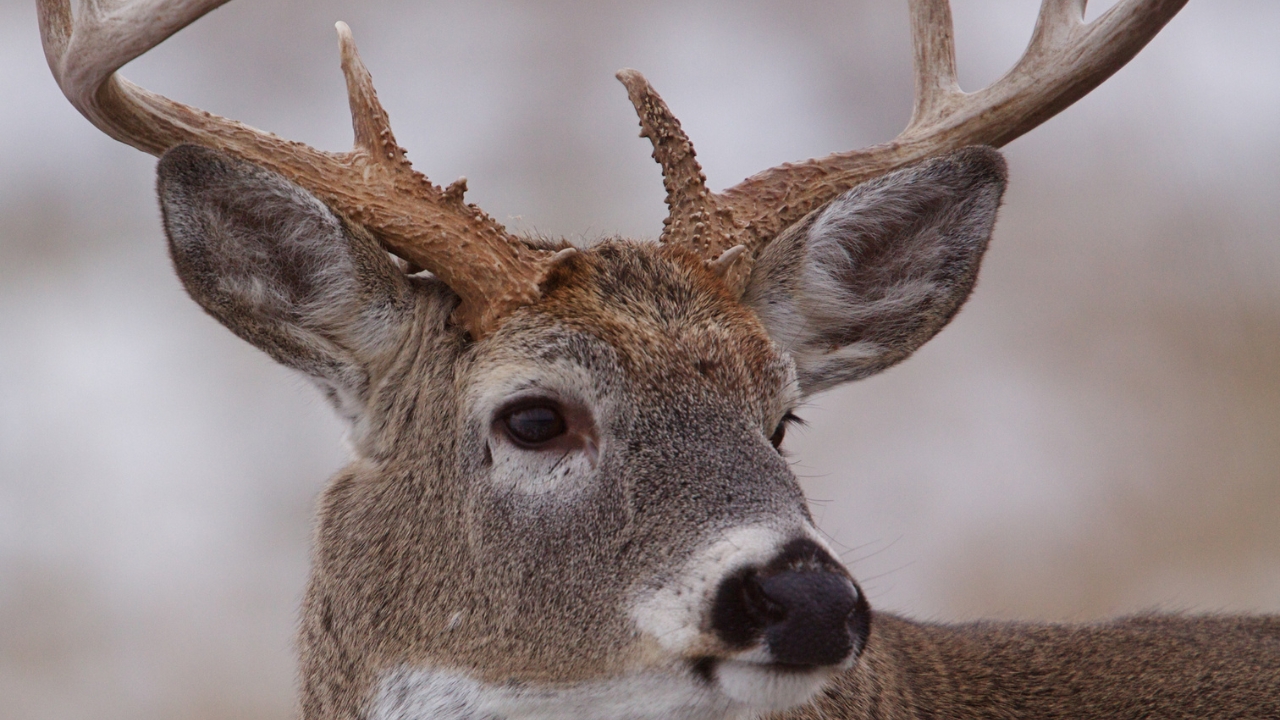
Deer respond to calling, but your setup determines where they’ll show. If you’re grunting or rattling, position yourself so lanes converge nearby. Deer investigating the sound will almost always try to get downwind, which you can use to your advantage.
By aligning calls with lanes, you’re not just hoping they show—you’re directing their approach. This is especially useful during the rut, when bucks are curious and more willing to step into openings. A good setup makes them commit to your lanes instead of hanging in the brush.
Time entry to natural movement patterns

Even the best setups fall apart if you’re hunting at the wrong time. Use trail cameras or scouting to figure out when deer naturally move through your area, then time your sits to match. When deer are already active, they’re more likely to step into the open.
It’s easy to think cutting more lanes is the answer, but timing is often more important. Get in early, stay quiet, and wait for deer to do what they naturally do. Combine this with other tactics, and you’ll consistently have them stepping where you need them.
*This article was developed with AI-powered tools and has been carefully reviewed by our editors.