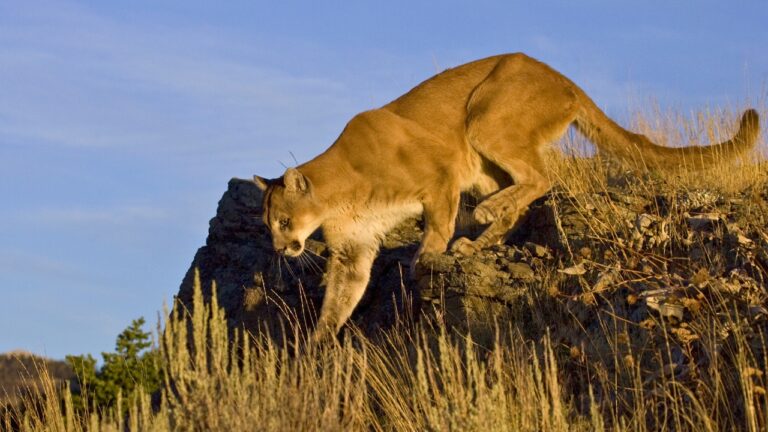
Photo credit: SVshot/Shutterstock.com
Texas has quietly overhauled how visiting hunters buy licenses, trimming a confusing menu of options into a smaller set that is easier to match to your trip. If you are coming from out of state, the changes affect everything from how long you can hunt to whether you need to carry paper tags in your pocket. Understanding the new structure before you book a lease or an outfitter can save you money, time at the counter, and potential trouble in the field.
Why Texas simplified non-resident licenses now
Texas has long marketed itself as a national hunting destination, with whitetails, waterfowl, pronghorn, and exotics drawing visitors from across the country. That popularity also exposed a problem: non-resident hunters were confronted with a maze of license types, endorsements, and special permits that could be hard to decode if you were not already steeped in the state’s regulations. Lawmakers responded earlier this year by backing legislation that directed wildlife officials to streamline the system for visiting hunters so that the license you choose more clearly matches what you plan to hunt.
According to a Media Contact update from TPWD, that legislation simplified license options for non-resident hunters from several overlapping categories down to a core group centered on a Non-resident General Hunting License and a Non-resident Special 5-Day Small Game/Exotic Hunting license. The agency framed the change as a way to make it easier for out-of-state visitors to understand what they need before they arrive, while still protecting game populations through bag limits and season structures. For a state as large and varied as Texas, that clarity matters, because a hunter chasing doves in the Panhandle has very different needs from someone booking an axis deer weekend in the Hill Country.
The new menu: what changed for out-of-state hunters
The centerpiece of the overhaul is a tighter menu of non-resident licenses that are organized by what you hunt and how long you stay. Instead of a patchwork of overlapping options, you now choose between a full-season license that covers any legal bird or animal and a shorter, trip-focused license for small game and exotics. That structure is meant to mirror how most visitors actually hunt in Texas, whether you are committing to a full season of travel or flying in for a long weekend.
TPWD’s own “New This Year” rundown notes that, effective in early September, there are Changes for Non resident hunters that consolidate choices around the Non-resident General Hunting License and the Non-resident Special 5-Day Small Game/Exotic Hunting license. The same update explains that this simplification sits alongside other regulatory tweaks for the 2025–26 season, so you are not just choosing from a shorter list, you are also stepping into a broader refresh of how the state manages access and opportunity. For you, the practical takeaway is that the first decision is now simple: full-season coverage for everything, or a five-day window focused on small game and exotics.
Non-resident General Hunting License: your all-species passport
If you are planning to hunt deer or want the flexibility to chase multiple species over several trips, the Non-resident General Hunting License is the workhorse option. This license is valid to hunt any legal bird or animal, including whitetail deer, so it is the only path if your Texas plans include a buck on the wall. It is built for the hunter who might start with teal in September, return for the rut, and then come back again for late-season hogs or predators.
TPWD’s license table spells out that the Non resident General Hunting License is “Valid” to hunt any legal bird or animal, including deer, and that “Endorsement” requirements apply on top of the base license. A separate FAQ reinforces that when it comes to deer, the only license available to non-residents is this general license, a point made explicitly in the section that begins with What license is available to non-residents to hunt deer. If you are booking a guided whitetail or mule deer hunt, outfitters will expect you to show up with this license in hand, plus any required stamps for the specific species or season.
Non-resident Special 5-Day Small Game/Exotic: built for quick trips
Not every out-of-state hunter needs a full season of access. If you are flying in for a long weekend of dove, quail, or exotic game, the Non-resident Special 5-Day Small Game/Exotic Hunting license is designed to match that itinerary. It covers a block of five consecutive days, which is usually enough to arrive, scout, hunt hard, and travel home without paying for weeks of unused license time.
In TPWD’s license listings, the Non resident Special 5-Day Small Game/Exotic Hunting Legal for any period of five consecutive days, with valid hunting dates printed on the license, and endorsement requirements still apply. A separate summary of the 2025–26 changes notes that this five-day option is part of the simplified structure for non-residents, giving you a cheaper way to hunt small game and exotics without buying the full general license. If you are planning a quick aoudad or axis trip, or a short run at early-season doves, this is the license that most closely fits that style of travel.
Digital-by-default: how the new system actually works in your pocket
The license overhaul is arriving at the same time Texas is pushing hard into digital delivery, which changes how you carry and show your paperwork in the field. For the first time, all recreational hunting and fishing licenses can be stored and displayed on your phone, which is a significant shift for visiting hunters who are used to juggling paper tags and plastic cards. That digital pivot is meant to reduce lost documents and make it easier to buy or upgrade a license from the truck or the lodge.
TPWD’s season preview highlights Going Digital and notes that, for the first time, all TPWD licenses are available in a fully digital format, with simplified options for non-residents who mainly hunt small game and birds (excluding wild turkey). A separate regulatory update explains that, effective in early September, there are Effective September expanded digital license options, with “Starting” language that makes clear hunters can now choose digital versions for most license, combo license and tag types. Another overview of the 2025–26 season changes notes that Hunters can now opt for a fully digital license for all recreational hunting, which means your phone effectively becomes your wallet for proof of purchase.
Endorsements, tags, and the fine print you cannot skip
Even with a simplified license menu, you still need to pay attention to endorsements and tags, because the base license is only part of the legal picture. Many species and seasons require additional stamps or certifications, and some hunts still rely on physical tags that must be attached to an animal immediately after harvest. If you are used to a different state’s system, it is easy to assume your general license covers everything, but in Texas the endorsements are where the details live.
The main license page explains that Hunting Licenses sit within a broader structure of “Licenses, Permits & Endorsements,” and that Resident and non-resident licenses are valid from date of purchase until August 31 unless otherwise noted. For migratory birds, the rules are even more specific: the section titled License Requirements All migratory game bird hunters must have a valid hunting license, and it notes that Non residents under 17 years of age are treated differently from adults when it comes to certain licenses or personal identification certificates. On top of that, a broader explanation of tags reminds hunters that When it comes to selling hunting licenses and tags, states separate hunters into residents and non-residents, with non-residents typically paying more and having fewer hunting opportunities. In practice, that means you should double check which endorsements and tags attach to your chosen non-resident license before you step into the field.
Public land, drawn hunts, and how non-residents fit in
License simplification does not just affect private ranch hunts, it also shapes how you access public land and special-permit opportunities. Texas has a reputation as a private-land state, but there is a substantial network of wildlife management areas, national forests, and leased tracts that you can hunt with the right combination of license and permits. For non-residents, the key is understanding that your base license is only the first step toward those opportunities.
TPWD’s drawn hunt program notes that Permits are open to residents and non-resident hunters alike, and that to apply for e-Postcard hunts and U.S. Postcard and Forest Service and other special hunts, you must apply online between 8 a.m. and 5 p.m. Monday–Friday. For more general public access, the Annual Public Hunting Permit program explains that Information valid September 1, 2025 to August 31, 2026 is compiled in “This Map Booklet” and that the Annual Public Hunting Permit, priced at $48, provides full privileges including hunting, fishing, camping, hiking and other recreational uses on designated lands. A separate overview of public hunting access reiterates that the Annual Public Hunting program covers property owned by the state and leased from private landowners, giving non-residents a way to explore Texas beyond guided ranch hunts as long as they pair the permit with the correct non-resident license.
Costs, timing, and how to match a license to your trip
For any visiting hunter, the real-world question is how much this will cost and how far in advance you need to plan. Texas prices non-resident licenses higher than resident equivalents, which is standard practice across the country, but the simplified structure makes it easier to avoid overbuying. The key is to be honest about what you will actually hunt and how many days you will be in the state, then choose the license that fits that window instead of defaulting to the most expensive option.
A practical guide to Texas licensing notes that Resident hunters pay $25 for a basic hunting license, while the popular Super Co combo package costs more but bundles multiple privileges, and it emphasizes that all licenses follow an August-to-August timeline. For non-residents, a separate explainer on out-of-state hunting stresses that Key Takeaways include that Out of state hunters must purchase a Texas hunting license, with the options based on the type of game and the length of stay, and that the Non-resident General Hunting License is the only option for deer while the Non-resident Special 5-Day Small Game/Exotic license is better suited for those planning a short trip. If you are unsure which way to go, some outfitters even suggest you Call one of their favorite state game wardens, such as Scott Blackburn at 979 533 1793, to walk through Out of State License Requirements for Non Resident hunters, especially when a ranch freshwater fishing trip also requires licenses.
Practical tips so you arrive legal and ready to hunt
Once you understand the new structure, the final step is putting it into practice so you arrive in Texas fully legal and focused on the hunt. That starts with buying your license early, double checking endorsements, and saving digital copies in more than one place in case your phone dies or you lose service. It also means coordinating with your outfitter or host ranch so that your license type matches the species and dates on your booking.
TPWD’s statewide overview of This Map Booklet and related materials makes clear that regulations can vary by property and season, so you should always cross-check your planned hunt against the latest online information. If you are targeting migratory birds, remember that the section labeled Non residents under 17 in the Non resident portion of the License Requirements All migratory game bird hunters must have a valid hunting license, and that additional stamps or certifications may apply. For any lingering confusion, TPWD’s news office, listed with a TPWD News contact at 512 389 8030 during Business Hours, can point you toward the right regulation page. Taken together, the simplified licenses, digital options, and clearer public land rules mean that if you do a bit of homework before you travel, you can spend your time in Texas focused on the hunt instead of the paperwork.
Like The Avid Outdoorsman’s content? Be sure to follow us.
Here’s more from us: