Photo credit: GUN SHOT SOUNDS/YouTube
There’s a big difference between a handgun people talk about and a handgun people shoot well. Some models earn a reputation because they look sharp, carry heritage, or show up in movies or gun-counter conversations. But when you actually step onto a range, those same pistols often reveal their quirks fast.
Heavy triggers, awkward ergonomics, unforgiving recoil patterns, or controls that punish sloppy hand placement—those things don’t show up in bragging rights. They show up when you’re trying to land controlled hits. These are the handguns that sound impressive in a conversation but rarely translate into real-world confidence on the firing line.
Desert Eagle .50 AE

The Desert Eagle is one of the most iconic pistols ever made, and people love to brag about owning one. But the truth is, very few shooters handle it well. The size alone forces an unnatural grip for many hands, and the weight makes transitions slow and awkward. It’s fun in short bursts, but that novelty wears off once you try to run controlled pairs or accurate follow-up shots.
Recoil recovery is another hurdle. The .50 AE generates a sharp, disruptive impulse that takes practice to manage. Even experienced shooters find themselves dipping the muzzle or losing their sight picture. It’s a showpiece pistol, not something most folks shoot well.
Smith & Wesson Model 29 (.44 Magnum)
Everyone loves to talk about “Dirty Harry” power, but the Model 29 exposes weaknesses in technique faster than almost any revolver. The gun is beautifully made, but the recoil of full-power .44 Magnum loads is simply more than most shooters can control consistently. That leads to flinching, muzzle rise, and wide shot groups.
Even stepping down to softer loads doesn’t solve everything. The long, relatively heavy double-action pull demands clean mechanics, and the single-action break—while crisp—doesn’t cover for poor fundamentals. It’s a revolver that rewards mastery, not casual range trips.
Glock 20 (10mm Auto)
People love bragging about carrying a Glock 20 into the woods or using it as a “do-everything” pistol. But the big-frame Glock design paired with full-power 10mm loads isn’t forgiving. The recoil has a sharp snap that forces many shooters to slow down dramatically between shots.
Grip size also becomes an issue. The large circumference causes inconsistent hand placement for many people, which leads to trigger control problems. On paper it’s a powerhouse, but in real life it highlights every weakness in your fundamentals.
SIG Sauer P210

The P210 is one of the most accurate service pistols ever built, and you’ll hear plenty of people brag about owning one. But it’s not a pistol most shooters perform well with right away. The trigger is exceptional, but the low-profile grips and weight distribution take real acclimation. Many shooters struggle with maintaining a consistent grip and managing recoil impulse.
The sights are also finer than what most defensive shooters are used to. That means you have to hold your focus longer and harder, which exposes any inconsistency in trigger press. It’s a masterpiece—but it demands precision from the shooter, not casual bragging.
FN Five-seveN
The Five-seveN gets tons of hype because of its lightweight frame and high-capacity design. But the long, spongy trigger and unusual bore axis make it tough for many shooters to perform well. It’s incredibly light for its size, which sounds good, but also means every little mistake in grip shows up on target.
The 5.7x28mm round has minimal recoil, but the pistol’s ergonomics aren’t intuitive for everyone. Many shooters report vertical stringing or inconsistent hits when firing quickly. It’s a pistol you must learn deliberately—not one you brag your way into shooting well.
Colt Python (New Production)
The updated Python is smooth and gorgeous, but it’s not a gun most shooters run well without real revolver skill. The double-action pull—though improved—is still long and requires disciplined finger pressure. Any hesitation or uneven pull translates directly onto the target.
The weight helps with recoil, but accuracy depends heavily on grip consistency. Python shooters often exaggerate their groups in conversation, but the gun demands more concentration than most expect. It’s not a “pick up and dominate” kind of revolver.
Heckler & Koch USP .40

The USP .40 has a cult following because of the idea that it’s “built like a tank.” But the .40 S&W round, especially in older service loads, produces a snappy recoil that many shooters never settle into. The large grip and high slide profile add to the difficulty. Reacquiring your sights quickly takes real effort.
The trigger, while serviceable, isn’t nearly as forgiving as more modern striker-fired designs. Shooters who brag about how “tough” it is often struggle to shoot it cleanly at speed.
Kimber Ultra Carry II
Compact 1911s look great and carry well, but they’re notoriously hard to shoot. The shorter slide increases felt recoil, the grip is chopped down, and the timing of the cycling process makes them picky about ammo and grip technique. The Ultra Carry II is no exception.
People often brag about owning a “premium compact .45,” but most don’t run them well under pressure. Weak thumbs, inconsistent grip, or slightly limp-wristed shots all cause problems. It’s a gun that punishes any lapse in technique.
Springfield XD-M Elite
The XD-M Elite line has strong marketing and sleek aesthetics, which leads plenty of shooters to talk it up. But the trigger isn’t as crisp as many assume, and the higher bore axis makes muzzle rise more pronounced during quick strings. That leads to slower follow-up shots and inconsistent groups.
The grip safety also trips up some shooters who don’t maintain perfect backstrap pressure under stress. Nothing about the gun is bad—it’s simply not as easy to master as the bragging makes it sound.
Walther PPK

The PPK is one of the most bragged-about handguns in history thanks to James Bond. But it’s also one of the hardest modern shooters struggle with. The small grip offers little leverage, the blowback recoil is surprisingly sharp, and the heavy double-action trigger requires serious finger strength.
Once people actually shoot one, they often realize it’s far less pleasant than the movies made it look. It’s a classic, but not a gun most folks shoot well.
Beretta 92FS
The 92FS has a huge fan base, and people love to talk about its military heritage. But the long reach to the trigger, the large grip circumference, and the heavy double-action first pull make it difficult for many shooters. Consistency between DA and SA shots takes real practice.
It’s incredibly reliable, but not nearly as intuitive for newer shooters as the conversations around it suggest. Many folks brag about a 92FS while shooting noticeably better with simpler striker-fired pistols.
Desert Eagle .44 Magnum
The .44 Magnum version of the Desert Eagle gets less attention than the .50 AE, but it’s still a pistol people boast about constantly. The recoil is slightly lighter, but the size and weight remain a challenge. Grip control becomes the deciding factor, and most shooters don’t lock in well enough to run it smoothly.
Everything about the pistol demands deliberate mechanics. Bragging is easy; landing consistent groups is not.
SIG Sauer P229 (.40 S&W)
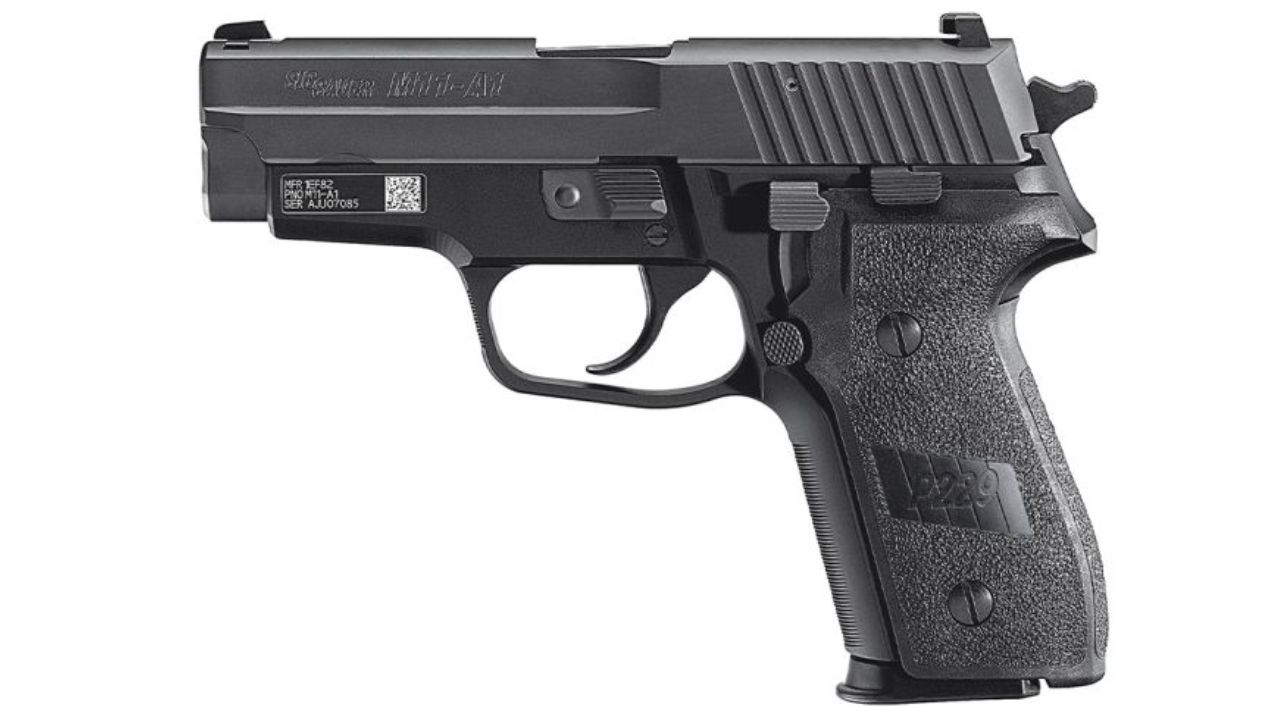
The P229 in .40 S&W is a tank of a pistol, but controlling the recoil impulse is tough. The snappy muzzle rise combined with the SIG’s higher bore axis makes it difficult to shoot fast and clean. It’s a great duty gun, but not one that flatters a shooter who hasn’t put in serious practice.
The DA/SA system also takes commitment. Many shooters brag about owning one but rarely master the transition.
Ruger LCP
People brag about pocket pistols all the time, but few are harder to shoot well than the original Ruger LCP. The tiny grip, long trigger, and minimal sights all work against accuracy. Even at close defensive distances, it requires discipline to keep rounds where they need to go.
Recoil feels sharper than expected for a .380 due to the lightweight frame. It’s easy to carry, but bragging about owning one doesn’t mean you run it well.
Colt Single Action Army
The SAA is a legend, and folks love talking about its history and looks. But it’s absolutely a handgun that exposes modern shooters’ limitations. The grip shape requires a unique technique, the sights are small, and the cocking cycle slows everything down.
Accuracy is possible, but not without dedication. Most people brag about owning one, not about shooting one well—and there’s a big difference.
Like The Avid Outdoorsman’s content? Be sure to follow us.
Here’s more from us:
The worst deer rifles money can buy
Sidearms That Belong in the Safe — Not Your Belt
*This article was developed with AI-powered tools and has been carefully reviewed by our editors.