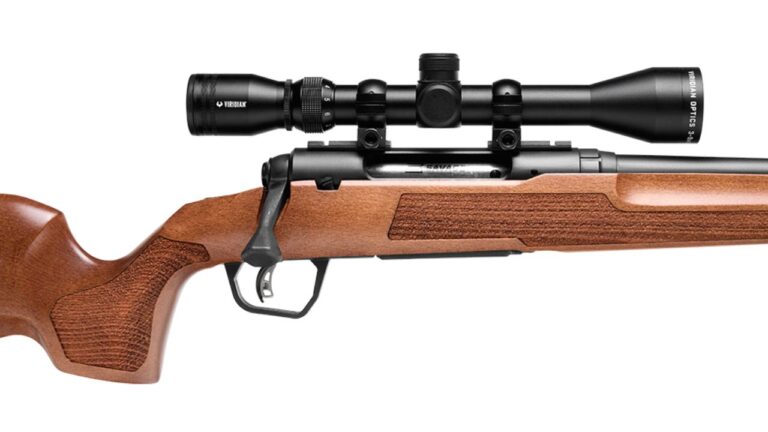
Revolvers aren’t dead. They’re simply specialized now, and that’s why they still make sense in the real world. A good snub can ride in places a semi-auto won’t, work cleanly in a pocket, and stay reliable after weeks of lint and sweat. A revolver also gives you a long, steady trigger that rewards discipline, and it doesn’t care if you’re pressing it against a jacket or firing through a tight retention position where slides can get bumped out of battery.
The tradeoffs are real: fewer rounds, slower reloads, and you need to practice the trigger if you want speed and precision. But if you pick the right gun and carry it smart—with quality ammo and a real holster—there are revolvers that still fit modern carry better than people admit.
Smith & Wesson 642 Airweight

The 642 keeps showing up in pockets for a reason. It’s light enough that you’ll actually carry it when you’re running errands, mowing, or slipping out the door for a quick drive. The enclosed hammer also matters more than people think. It draws cleanly, doesn’t snag, and doesn’t tempt you into thumb-cocking habits that don’t belong in a defensive carry gun.
Under recoil, it’s brisk, but it’s predictable once you learn the grip and trigger. The sights are basic, so you’re not pretending it’s a target revolver. You’re carrying it because it’s reliable, compact, and easy to live with every day. Add a pocket holster that stays put and you’ve got a setup that works with real clothes, real schedules, and real life.
Smith & Wesson 442 Airweight

The 442 is the 642’s darker twin, and plenty of people prefer that finish for a gun that’s going to see sweat and pocket grime. It carries the same way: light, flat for a revolver, and comfortable enough that you don’t make excuses to leave it at home. It’s a legitimate “always” gun, and that’s the whole point.
Shootability comes down to honesty. You’re not buying it for a soft recoil impulse. You’re buying it because you’ll have it when you need it, and because it can be run well with practice. The trigger is the skill barrier, not the recoil. Put in reps with dry-fire, confirm your carry load, and you’ll find the 442 can be fast up close while still staying controllable when you need a careful hit.
Smith & Wesson Model 60 (3-inch)

A 3-inch Model 60 hits a carry sweet spot that a lot of snubs can’t. You get a longer sight radius, a little more weight to calm recoil, and an ejector rod length that makes reloads less fussy. It’s still compact enough for concealment, but it shoots more like a real fighting revolver than a deep-cover compromise.
For carry, the Model 60 also gives you flexibility. In .357 you can run full-power loads, but many experienced carriers settle into .38 +P for faster follow-ups and less blast. Either way, you’ve got a stainless gun that stands up to sweat and daily wear. If you want a revolver you can practice with a lot—and not dread it—the 3-inch Model 60 is one of the smartest choices.
Smith & Wesson 340PD

The 340PD is for the person who wants maximum carry comfort and is willing to pay for it, in both money and recoil. This gun disappears in a pocket or ankle rig, and it stays there without dragging your pants down. The enclosed hammer keeps the draw clean, and the weight is so low you stop noticing the gun during long days.
Then you shoot it, and you learn respect. With .357 it’s harsh for many hands, and most carriers end up running .38 +P to stay effective while keeping control. That’s not weakness—it’s realism. The 340PD makes sense when you need a revolver that’s always with you, even in light clothing. If you’ll actually carry it and you’ll practice enough to run it, it fills a role that few guns can match.
Ruger LCR in .38 Special +P

The Ruger LCR earns its keep because it makes small revolver carry less punishing than it used to be. The grip and frame geometry help soak up recoil, and the trigger is often smoother than many small-frame revolvers right out of the box. That matters because the trigger is what makes or breaks your ability to shoot a snub well under stress.
It’s also a practical choice for pocket carry. The shape rides well, the snag profile is low, and it doesn’t demand constant attention. You still need a holster that covers the trigger and keeps the gun oriented correctly. If you’re looking for a revolver that’s easy to carry and easier to shoot than most of its size, the LCR is one of the best modern answers. It’s a tool built for the way people carry today.
Ruger LCRx (3-inch)

The 3-inch LCRx is what you pick when you like the LCR idea but want more control and better sights. The longer barrel gives you a little extra velocity and a longer sight radius, and the added weight makes recoil less abrupt. It’s still light enough to carry comfortably, but it’s not as specialized as a pocket snub.
For real-world carry, the 3-inch format is underrated. It rides well inside the waistband, works with a cover garment, and it’s far easier to shoot accurately than many two-inch guns. You also get an ejector rod length that helps clear cases more reliably during reloads. If you want a revolver that you’ll actually train with—and not treat like a last-ditch option—the LCRx 3-inch is a strong choice that bridges carry and shootability.
Ruger SP101
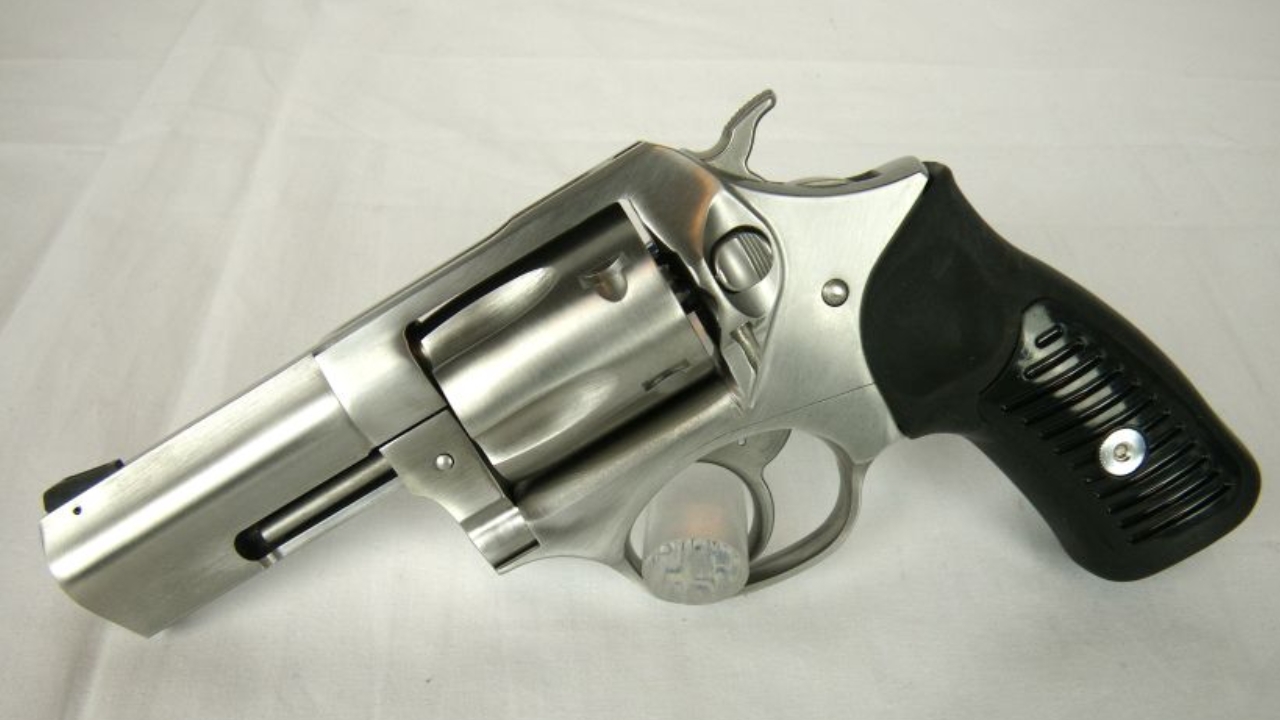
The SP101 has a reputation as the compact revolver that doesn’t feel fragile. It’s heavier than the featherweight guns, and that weight pays you back in control. With .38 +P it’s comfortable enough for serious practice. With .357 it’s still sharp, but far more manageable than the ultra-light carry revolvers.
As a carry gun, the SP101 makes sense when you want durability and you don’t mind a little extra weight on the belt. It’s also a good option if you tend to carry in rough environments—sweat, dirt, and daily bumps—because the gun is built to take it. Pair it with a quality belt holster and you’ll forget it’s there after a while. Then you’ll appreciate it when you actually shoot it.
Ruger GP100 (3-inch)

A 3-inch GP100 is not a pocket revolver, and it’s not trying to be. It’s a belt gun for people who want a revolver that shoots well, handles pressure, and stays controllable under real recoil. The extra mass lets you run .357 loads without feeling like the gun is fighting you. That matters if your carry role includes outdoors use or four-legged problems.
For concealed carry, the 3-inch GP100 works better than you’d think with the right holster and cover garment. You get a strong sight picture, a trigger you can learn, and a gun that’s forgiving when your grip isn’t perfect. It also gives you more confidence for longer shots than most snubs. If your daily life supports belt carry and you want a revolver that feels steady and capable, the 3-inch GP100 still makes a lot of sense.
Kimber K6s (2-inch)
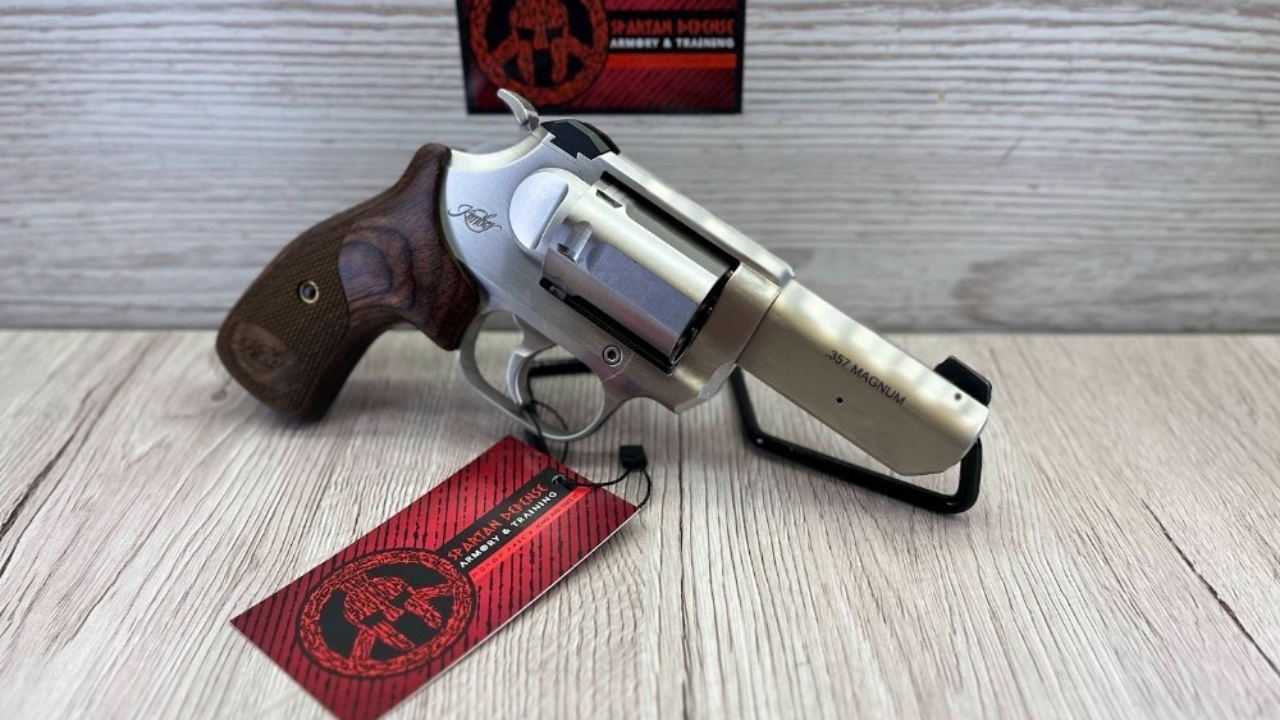
The Kimber K6s carved out its lane by offering a compact carry revolver with a modern feel and a practical feature set. The big headline is capacity: six rounds in a size class where five is the norm. That extra round isn’t magic, but it’s real, and it can matter when you’re carrying a revolver by choice instead of nostalgia.
The K6s also tends to carry well. It’s smooth around the edges, it conceals without drama, and it’s built to be shot, not admired. Recoil depends on load choice, but in .38 +P it’s very manageable for most shooters. The sights and trigger can also make it easier to shoot well than many traditional snubs. If you want a carry revolver that feels current and gives you a little more capacity without getting bulky, the K6s is worth serious consideration.
Colt King Cobra (3-inch)

The 3-inch King Cobra is one of the most practical modern Colts for carry because it balances size, sights, and shootability. It carries like a compact belt revolver, but it shoots like a larger gun. The extra barrel length helps you track sights and control muzzle rise, and it gives you an ejector rod length that makes reloads less clumsy.
In the real world, that means you’re more likely to practice with it, and practice is what makes a revolver a smart carry choice. With .38 +P it’s comfortable and fast. With .357 it’s stout but controllable for many shooters. The frame feels solid, and the gun has the kind of handling that encourages confident shooting instead of flinching. If you want a carry revolver that doesn’t feel like a compromise, the 3-inch King Cobra is a strong, modern pick.
Colt Cobra (2-inch)

The Colt Cobra makes sense for carry when you want a traditional snub profile but you still want a revolver you can run with modern expectations. It’s compact, it hides well, and it gives you six rounds in a size category where that’s still a selling point. The sights are also more usable than what you get on many old-school snubs.
Where it earns its keep is carry comfort with enough shootability to stay honest. It’s not a range toy, but it’s also not a pain machine. With quality .38 defensive loads, you can practice without dreading it, and you can keep your hits where they need to be at practical distances. A revolver like this works for real-world carry because it’s easy to live with, and it doesn’t demand perfect conditions to function the way it should.
Smith & Wesson Model 640

The Model 640 is the heavier, steel alternative to the Airweight guns, and that extra weight is the whole story. It carries a little heavier, but it shoots noticeably better for many people. Recoil is less abrupt, the gun stays steadier during fast strings, and you’re less likely to develop bad habits because the gun isn’t punishing you every time you practice.
The enclosed hammer keeps it snag-free, which is a real advantage for pocket carry and close-body carry. It also runs well in an ankle rig or deep concealment setup where lint and grime are part of the deal. If you like the idea of a snub revolver but you want something you can shoot often and shoot well, the 640 is a smart middle ground. It’s a carry revolver that rewards practice instead of fighting it.
Smith & Wesson Model 36

The Model 36 is still a viable carry revolver because it’s compact, proven, and sized in a way that works with normal clothing. It’s not a high-tech solution, but it’s a revolver that has spent decades doing the job. A clean, properly functioning Model 36 carries easily and points naturally, which matters when you’re drawing under pressure.
What you need to respect is the older-gun reality. Condition matters, springs and timing matter, and you want a gun that hasn’t been abused by amateur work. Load choice matters too. Many carriers stick with quality .38 +P only if the gun is rated for it, otherwise standard-pressure defensive loads are the safer play. If you find a solid Model 36 and you train the trigger, it can still be a practical carry gun that disappears on your body and stays dependable when you need it.
Smith & Wesson Model 19 Carry Comp
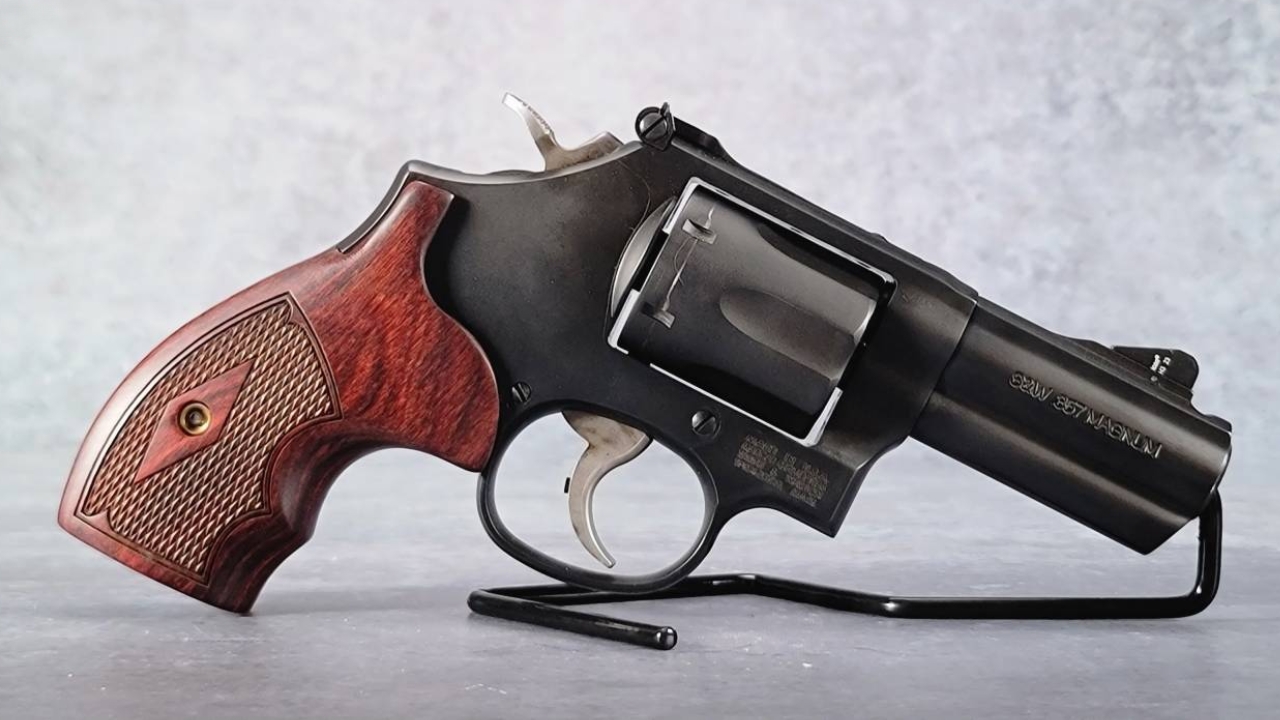
The Model 19 Carry Comp makes sense for someone who wants a serious revolver that shoots flatter than most compact .357s. The compensator helps reduce muzzle rise, and the K-frame size gives you better control than a tiny snub without turning into a full-size duty gun. It’s built around the idea that carry guns should also be guns you practice with a lot.
For real-world carry, it shines in belt holsters where you can support the weight and conceal it with a cover garment. You can run .38 +P for fast work and manageable recoil, or step into .357 with a bit more confidence than many smaller guns allow. The sights are usable, the trigger can be excellent, and the overall handling encourages accurate shooting at speed. If you want a carry revolver that feels modern in performance, this one earns its place.
Smith & Wesson 686 Plus (2.5-inch)

A 2.5-inch 686 Plus is a carry revolver for people who value shootability and capacity and don’t mind belt carry. Seven rounds is meaningful in revolver terms, and the L-frame soaks up recoil in a way that small guns can’t. That means you can run real .357 loads without feeling like you’re getting punished for choosing a revolver.
Concealment takes the right setup, but it’s very doable with a good holster and a cover garment. The benefit is confidence. You get a stable gun, strong sights, and an action that rewards practice. You can also choose to carry .38 +P and have a very controllable package with excellent accuracy potential. If your daily life supports a belt gun and you want a revolver that feels steady, capable, and forgiving, the 686 Plus is hard to beat.
Ruger Redhawk Alaskan (2.5-inch)

The Alaskan isn’t a casual carry revolver, but it makes real sense for a certain kind of life. If you spend time in bear country, work remote property, or fish and hunt where four-legged problems are a real possibility, a compact big-bore revolver can be a practical tool. The Alaskan is built for that role: short, durable, and designed to handle powerful cartridges in a package that can ride on a belt.
It’s not easy to conceal, and recoil is serious with heavy loads. That’s the deal. But the gun is built to take abuse, and it’s the kind of revolver you can trust when conditions are ugly and you need deep penetration. Carried in a strong chest rig or belt holster, it becomes a realistic “always there” option for people whose carry needs extend beyond two-legged threats.
Like The Avid Outdoorsman’s content? Be sure to follow us.
Here’s more from us: