Photo credit: Savage Arms
When a rifle won’t keep its point of impact consistent from one group to the next, you end up chasing zero instead of improving your shooting. This kind of wandering usually points to stock fit issues, poor bedding, or barrels that are overly sensitive to heat and pressure. Some rifles develop this problem over time, while others seem built that way from the start. If you’ve had one of these, you know how frustrating it is to watch your groups shift without touching the sights.
Remington 770

The Remington 770 is notorious for wandering groups, often because of its budget-level stock and inconsistent bedding. The barrel channel can have uneven pressure points, so your zero shifts depending on how the rifle is rested. As the barrel heats up, it’s common for impacts to walk across the target. Even after careful re-zeroing, the next group can land somewhere else entirely, making it hard to trust this rifle for repeat accuracy.
Mossberg ATR
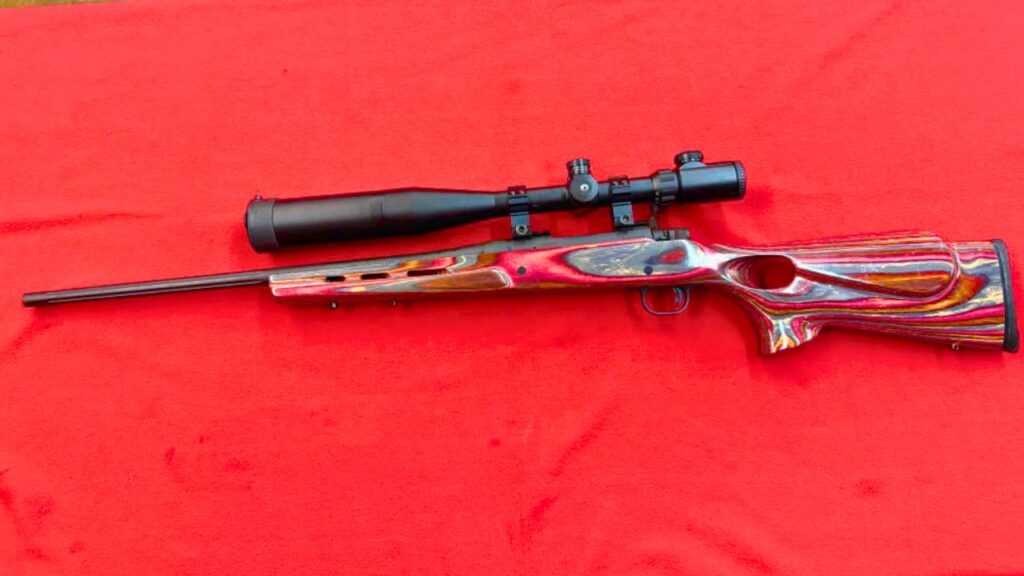
The Mossberg ATR struggles with stability over multiple shot strings. The synthetic stock can flex under recoil or when pressure is applied, which changes the barrel alignment. Heat from a few quick shots can also affect its grouping, pushing rounds higher or to one side. While it can shoot a decent group now and then, getting two back-to-back in the same spot without re-zeroing is rare.
Ruger American Rimfire
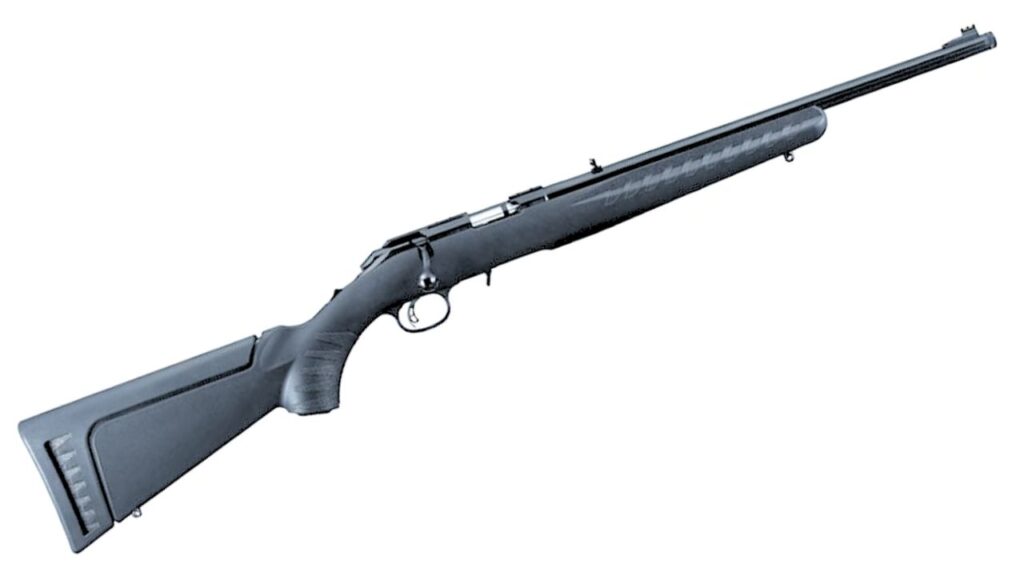
The Ruger American Rimfire has a lightweight design that makes it handy, but the thin barrel can cause shifts in point of impact as it warms up. Even small environmental changes, like humidity or temperature, can move your groups. It’s also stock-sensitive — how you rest it on a bag or grip it on a bench can alter where rounds land. Over several groups, you’ll often see a drift that’s tough to predict.
Winchester XPR

The Winchester XPR can produce good accuracy at first, but its plastic stock and bedding design sometimes allow the action to move slightly. That movement shows up on target as a point-of-impact change between groups. Barrel heating adds to the issue, especially with lighter-contour barrels. You may find yourself chasing zero even after a slow, careful session where nothing else has changed.
Savage Axis II (Standard Stock)

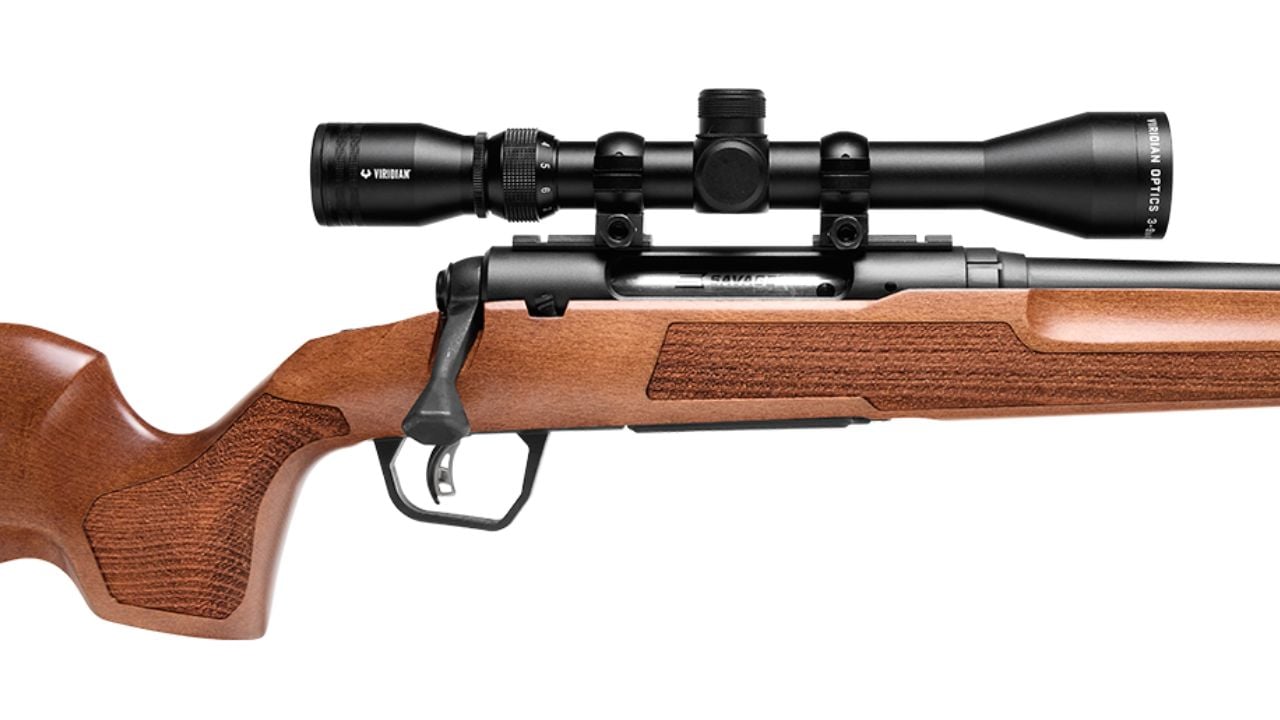
The Savage Axis II shoots well for the price, but the factory stock has a lot of flex. That flex changes how the barrel sits after recoil, leading to wandering groups. If you shoot a tight cluster, you might notice the next one shifts an inch or more without any adjustment. This is especially common with bipod use, where the pressure exaggerates the barrel-to-stock contact.
Remington 783

The Remington 783 often suffers from point-of-impact drift because of stock fit and inconsistent bedding pressure. As the rifle heats up or cools down, those changes can move your zero. While it’s possible to tighten groups with upgrades, the factory setup can leave you adjusting your sights more often than you should. This wandering tends to show up more during longer shooting sessions where heat cycles have more effect.
Marlin X7
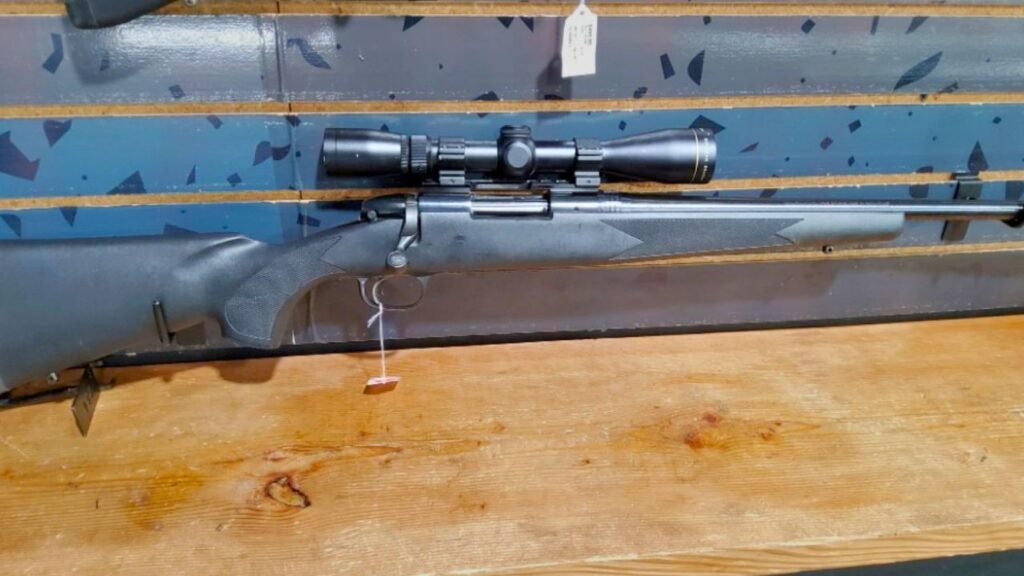
The Marlin X7 can group well for a short string, but many shooters notice the impacts creeping with each new group. The synthetic stock, while lightweight, doesn’t always hold the action firmly enough. Barrel heating or a different rest position can throw off the next group, even if you haven’t touched the scope. It’s a common issue that can make range days more about sighting in than practicing.
Thompson/Center Compass
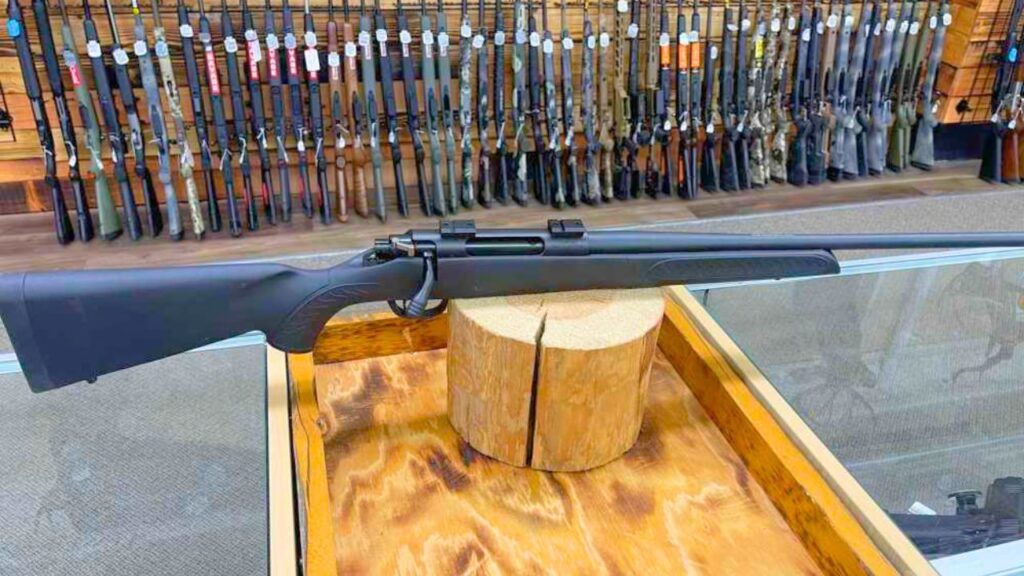
The Thompson/Center Compass has an action and stock fit that can allow small shifts after each group. The barrel heating up can cause the zero to wander, especially in warm weather or under sustained fire. Even environmental changes between range trips can create noticeable movement. If you don’t keep an eye on it, you can find your groups drifting in a way that’s hard to track or predict.
Rossi RS22
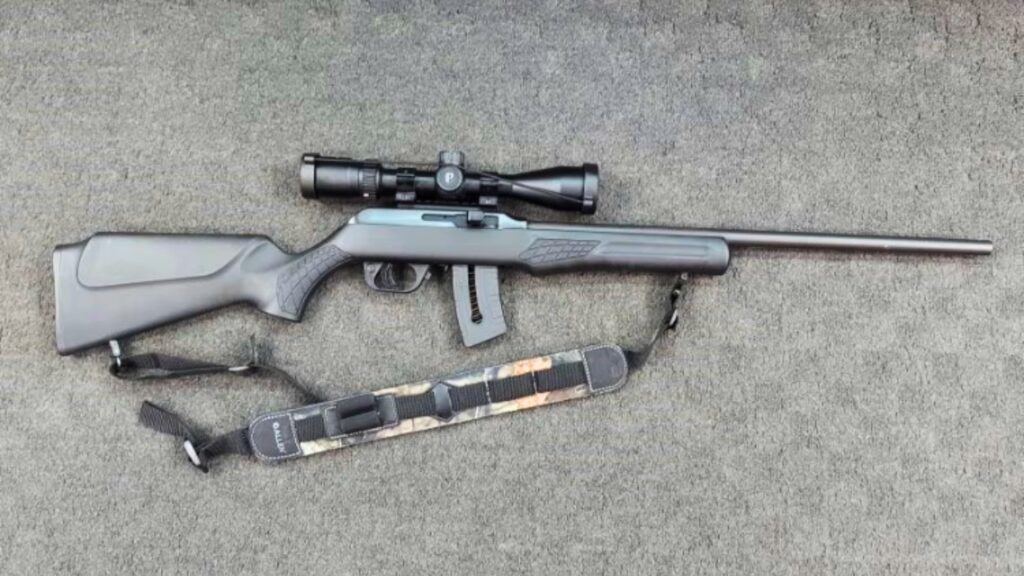
The Rossi RS22 is a budget rimfire that’s prone to point-of-impact changes between groups. The lightweight barrel and flexible stock make it sensitive to how it’s supported. Slight changes in shooting position, rest type, or barrel temperature can all move your shots around. While it can be fine for casual plinking, keeping a consistent zero over multiple groups is a challenge.
Savage 93 F
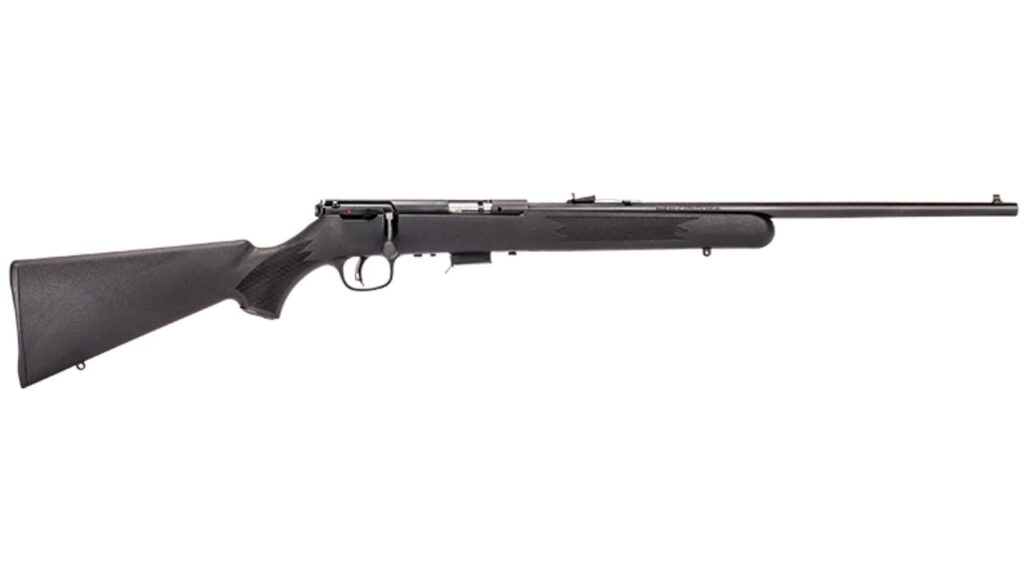
The Savage 93 F is another rimfire that often struggles with repeatability between groups. The narrow barrel and injection-molded stock make it prone to small shifts that add up over time. If the barrel heats even slightly, your next group may land differently. Changing how the rifle is supported — even just moving your hand forward or backward — can also affect where rounds print.
*This article was developed with AI-powered tools and has been carefully reviewed by our editors.