Photo credit: EnglishShooting/YouTube
Some hunting rifles will stack bullets like a target rig—right up until you change one small thing. Different ammo lot, a new scope mount, a slightly different action screw torque, or even a cold, wet morning can turn a “laser” into a head-scratcher. That doesn’t mean the rifle is bad. It means it’s sensitive. Tight chambers, thin barrels, finicky bedding, stiff stocks, and picky feeding geometry can all show up as accuracy that’s real, but conditional.
If you hunt a lot, you learn to respect those conditions. You don’t swap loads the week before season. You don’t loosen and retighten action screws without a plan. You don’t assume a different bullet weight will “probably” hit the same. The rifles below can shoot extremely well, but they tend to demand consistency—same ammo, same torque, same cleaning routine, and sometimes even the same magazines. If you give them that, they’ll reward you. If you don’t, they’ll humble you.
Kimber Mountain Ascent

The Mountain Ascent can be impressively accurate for how light it is, but ultralight rifles often come with a shorter patience fuse. The thin barrel heats quickly, and heat changes point of impact faster than you expect. That means a rifle that prints a tight three-shot group can open up or start walking if you keep sending rounds without letting it cool.
It can also be picky about how it’s held and supported. Rest it differently on a bag, change your sling tension, or torque the action screws inconsistently, and you can see it on paper. These rifles often prefer one load and one seating depth style, especially in magnum chamberings. Keep your testing disciplined: slow strings, consistent support, and one variable at a time. Treat it like a hunting rifle, not a range toy, and it will usually shoot like it has something to prove.
Remington 700 CDL (thin-barrel hunting setups)

A 700 CDL can shoot very well, but plenty of thin-barrel 700 hunting rifles are sensitive to stock pressure and how they’re bedded. A slight change in humidity can swell a wood stock enough to touch the barrel, and that tiny contact can move your point of impact. Even some synthetic stocks can flex if you load a bipod hard or torque the rifle into a rest.
Ammo preferences can be strong, too. A CDL that loves one 150-grain load might hate the next box of the “same” weight with a different bullet design. When you find a load it likes, you’re smart to buy enough to last a season or two. Keep your action screw torque consistent, watch for barrel contact, and don’t chase five-shot speed groups with a thin barrel. The CDL can be accurate, but it wants everything the same.
Ruger M77 Hawkeye (some rifles with angled action screws)

The Hawkeye can be a very accurate hunting rifle, but the action screw system can be sensitive if you don’t tighten it the same way every time. A small change in torque or sequence can change how the action sits in the stock, which can show up as a shift in point of impact. When a rifle has a repeatable “sweet spot,” you need to treat that torque like part of your zero.
They can also be picky about ammunition shape and feeding, depending on chambering and magazine setup. Some Hawkeyes run like butter with round-nose or traditional soft points, then feel rougher with longer, sleeker bullets. None of that is fatal, but it means you can’t assume every load will behave the same. Once you find what it likes, stay there. Keep the bedding stable, confirm your screw torque, and don’t reinvent the rifle every fall.
Browning X-Bolt (lightweight hunting trims)

X-Bolts are often accurate out of the box, but the lighter hunting versions can be sensitive to heat and support. You’ll see a great first group, then a second group that shifts if you rush the pace. That’s not you “losing it.” That’s the rifle telling you it wants to be shot like a hunting rifle—slow, controlled, and cool barrel.
They can also show strong preferences for bullet type and seating depth style, especially in faster cartridges. Some rifles will love one load and throw another into a different zip code, even if both are high quality. Bedding and action screw torque can matter more than people expect, too, because small changes can shift how the rifle vibrates. When you’re working up a load or choosing factory ammo, keep notes and don’t chase too many variables. When you find the combo, lock it in.
Winchester Model 70 Featherweight

The Featherweight can shoot extremely well, but the whole point is that it’s light and lively. That also means it can be more sensitive to how you hold it and how you rest it. A slight change in front rest position or sling tension can show up in group size. It’s not that the rifle is inconsistent—it’s that it reflects inconsistency.
Ammo preferences can be real, especially with thinner barrels and hunting-weight stocks. Some Featherweights settle in with traditional cup-and-core loads and get touchy with long, modern bullets that change jump and pressure curves. The fix is usually discipline, not hardware. Pick one load, confirm it in cold and warm conditions, and don’t rapid-fire groups that cook the barrel. If you treat it like a carry rifle that fires one or two shots in the field, it can be a hammer. If you treat it like a bench gun, it can act moody.
Tikka T3x Lite

The T3x Lite is often accurate, but the light barrel and stock can make it sensitive to shooting technique. If you load a bipod hard or clamp the forend against a rest, the stock can flex and change how the barrel behaves. That can turn a tight group into a wandering group without you changing ammo at all.
They can also be picky about bullet weight and design in certain chamberings. Many shoot great with common loads, but some rifles strongly prefer a particular velocity window or bullet shape. The practical move is to test like a hunter: cold-bore shots, slow groups, and consistent support. Also keep your torque consistent on mounts and action screws. Once you find the load it likes, don’t casually swap to a different bullet because it was on sale. A Lite that’s dialed can be deadly, but it wants consistency.
Savage 110 Lightweight Hunter
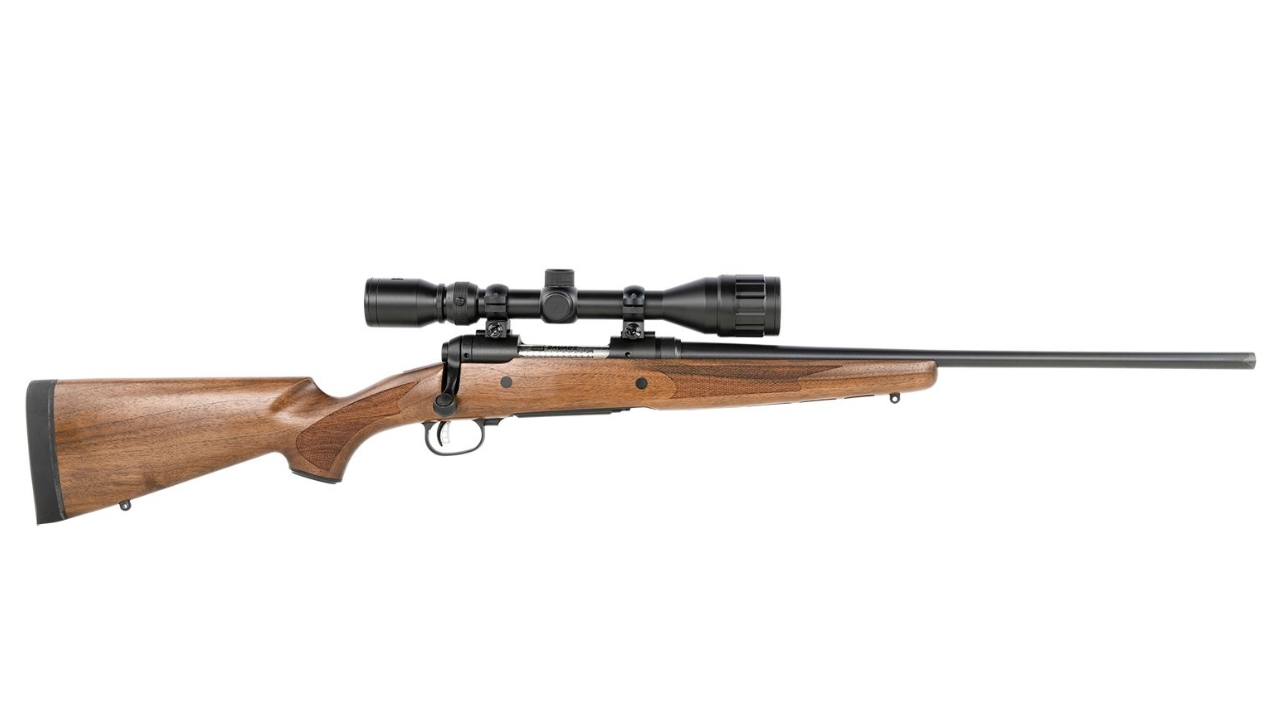
Savage rifles have a reputation for accuracy, and the lightweight versions can absolutely shoot. The catch is that light barrels heat up fast and show point-of-impact changes sooner than heavier setups. It can look like the rifle is “opening up,” when really you’re just asking too much of a thin hunting barrel in a short time.
They can also be sensitive to bedding and stock fit, especially if the stock is flexible. If the action isn’t sitting consistently or the forend is contacting the barrel under pressure, groups can change depending on how you rest it. Ammo preference shows up, too—some will shoot one load into a ragged hole and scatter another. The answer is boring: confirm barrel clearance, keep torque consistent, and test ammo slowly. When you find the load, buy enough and stop experimenting right before season.
Christensen Arms Ridgeline

The Ridgeline can be very accurate, but lightweight carbon-barrel hunting rifles can be picky about heat management and consistency. Some shoot best with slow strings and plenty of cooling time. If you try to treat it like a range rifle and run fast five-shot groups, you can see shifts that make you doubt what you’re looking at.
They can also be sensitive to ammo selection, especially with tight-ish chambers and certain bullet designs. You might find one load that prints beautifully and another that throws fliers for no obvious reason. Keep your optic mounting solid and your torque consistent, because light rifles amplify small changes. Test cold-bore performance and two-shot strings, because that’s what hunting asks of the rifle. If you keep the rifle in its intended lane, it can be excellent. If you push it outside that lane, it can feel temperamental.
Weatherby Mark V (lightweight variants)

Mark V rifles can be accurate, but the lightweight variants can be picky about recoil management and shooter input. Light rifles in fast cartridges punish sloppy fundamentals, and that shows up as “inconsistency” that’s really a mix of recoil anticipation and stock fit issues. When you’re on your game, the rifle prints. When you’re not, it doesn’t forgive you.
They can also show preferences for certain bullet weights and velocity ranges. Weatherby chamberings especially can have strong opinions about what they like, and swapping loads can move impact more than you expect. The best approach is to pick a load, stick with it, and build your zero around it. Confirm action screw torque and keep your scope mounts tight and consistent. These rifles can be very accurate, but they tend to reward the shooter who treats setup and ammo like part of the system, not afterthoughts.
Bergara B-14 Ridge

Bergaras can shoot extremely well for the money, but some rifles get picky when you start changing things around them. Swap scopes and rings, change torque, or move between different ammo lots, and you can see subtle shifts. That’s not unusual in accurate rifles, but it can surprise you if you expect everything to stay put regardless of changes.
They can also show definite preferences for bullet shape, especially with certain chamberings and throats. A rifle might love a traditional soft point and throw long, sleek bullets into wider groups, or vice versa. The smart move is to settle on one hunting load and confirm it in the conditions you actually hunt in. Keep your bedding stable, don’t overtighten screws, and don’t chase heat-soaked groups with a hunting barrel. The B-14 Ridge can be a tack driver, but it wants you to keep the variables under control.
Remington 700 SPS (with flexible factory stocks)

RSShootingSports/GunBroker
Some SPS rifles shoot far better than they have any right to, and that’s why they fool you. You’ll get a great group, then a bad one, and you’ll start blaming the ammo. Often, the culprit is the factory stock flexing under pressure and changing barrel contact. Load a bipod or rest it differently and you’ve changed the rifle.
Once you address stock fit and consistency, many SPS rifles settle down. But as a used or factory setup, they can be picky about how they’re shot. Ammo preference can also be strong, especially if the crown is slightly rough or the barrel has a narrow “happy zone.” The practical move is to confirm barrel clearance, keep your support consistent, and slow down your shooting. A thin-barrel SPS can be accurate, but it often requires you to be methodical about how you test and how you hunt.
Howa 1500 Super Lite

The Howa 1500 Super Lite is capable of excellent accuracy, but “super light” is always a warning label for sensitivity. Thin barrels heat quickly, recoil is sharper, and small changes in hold show up faster. A rifle that shoots a tight cold-bore group can start shifting if you shoot too quickly or change your rest position.
They can also be picky about ammo, especially with certain bullet weights. Sometimes you’ll find the rifle loves one load and acts indifferent to everything else. Don’t fight that. Find the load it likes, then confirm it over multiple sessions with a cool barrel. Keep your action screw torque consistent and avoid flexing the forend into the barrel with aggressive bipod loading. If you keep the rifle in a hunting cadence—slow shots, cool barrel—it can be very accurate. Push it hard, and it can act touchy.
CZ 550 (some older hunting setups)

A CZ 550 can be very accurate, but older rifles can be picky about feeding and stock fit depending on how they were set up. Some will run like a dream with one bullet profile and feel rough with another, especially if you’re using long, modern bullets that change overall length and how cartridges present from the magazine.
Stock and bedding consistency also matter, particularly on older wood stocks that have lived through seasons of humidity swings. A tiny change in barrel channel contact can shift impact. The rifle might still shoot a small group, but that group might not be where it was last month. The solution is to be consistent: keep the same load, keep screws torqued consistently, and confirm zero after big weather swings. The CZ 550 can be excellent, but it asks you to pay attention.
Ruger American (some rifles that are load-sensitive)

The Ruger American line can surprise you with accuracy, but some rifles are extremely load-sensitive. You’ll see one factory load shoot lights-out, then another load that should be similar will scatter. That can come from barrel harmonics, chamber differences, and the reality that budget rifles sometimes have more variation rifle to rifle.
They can also be picky about magazine fit and feeding, depending on generation and chambering. A slightly off magazine presentation can cause odd feeding behavior that shows up as inconsistent bolt feel and occasional bullet damage. The practical move is to pick a load your rifle likes, buy enough, and don’t keep changing variables. Confirm your scope mounts and action screws, and keep your shooting technique consistent. When you treat the rifle as a system with a preferred diet, the accuracy can be excellent. Ignore that, and it can feel moody.
Lightweight 7mm Rem Mag rifles in general

Fast magnums in lightweight hunting rifles are often accurate, but they’re picky because the whole system is under stress. Recoil is sharp, barrels heat quickly, and small differences in ammo can change pressure and velocity enough to move point of impact. A rifle that prints tight groups can still “walk” as heat builds or as the shooter starts anticipating recoil.
They also tend to have narrow sweet spots for bullet weight and speed. One load will feel right and group tight, while another will kick harder and scatter. That doesn’t mean the rifle is junk. It means you’re driving a high-performance setup and it demands consistency. If you hunt with a lightweight magnum, keep your practice realistic: cold-bore shots, slow two- and three-shot strings, and a load you don’t change casually. Treat it with discipline and it will shoot. Treat it like a range toy and it will punish you.
Like The Avid Outdoorsman’s content? Subscribe to our newsletter so you never miss an article.
Here’s more from us: