Photo credit: Filmbildfabrik/Shutterstock.com
Buying a used rifle isn’t always the budget win it looks like. Sometimes you pick one up and think you’ve scored a deal—low round count, clean bore, nice scope rings already mounted. But a few trips to the range and it starts shooting patterns instead of groups. That’s when the suspicion sets in: this thing might be shot out. And the kicker? It doesn’t have to look beat-up to be burned out. Barrels don’t wear evenly across rifles or calibers, and some sellers aren’t exactly forthcoming about what they put their gun through. If you’re not careful, your “new” rifle might already be past its prime before you even zero it.
Round count isn’t the full story
A low round count doesn’t always mean low wear. Some barrels wear out faster than others, especially with high-pressure or fast-moving calibers. A couple hundred rounds of .243 or .300 Win Mag can do more damage than a thousand .308s if the shooter was running them hot and fast. Factor in poor cleaning habits and rapid-fire shooting sessions, and you’re dealing with more wear than the numbers suggest. Sellers love to toss out “less than 100 rounds” like it’s gospel, but without a real log or target history, it’s anyone’s guess what the barrel has actually been through.
Improper cleaning can kill a barrel

You might assume a clean rifle is a healthy rifle—but not if it was cleaned the wrong way. Jamming cheap rods down the muzzle or scrubbing like you’re polishing a cast-iron skillet can chew up the crown and throat fast. Bronze brushes left too long in the bore or solvents that weren’t flushed out properly can also pit the steel. Some folks never use a bore guide, which means the throat takes unnecessary abuse. When you’re buying used, that kind of invisible damage doesn’t show up in photos. It shows up on paper when you can’t get three shots to touch.
Throats wear faster than barrels
The rifling might look sharp at the muzzle, but accuracy lives or dies at the throat. That first few inches past the chamber takes the biggest beating from pressure and heat. Hot loads, fast strings, and aggressive cleaning all eat into that area. Once it starts eroding, your bullets won’t seat consistently and groups start wandering. You might not notice it right away, especially if the rifle still cycles well and looks fine. But if it suddenly hates every load you try, that worn-out throat could be the problem. And by the time you figure it out, rebarreling is your only real fix.
Overbore calibers burn out fast
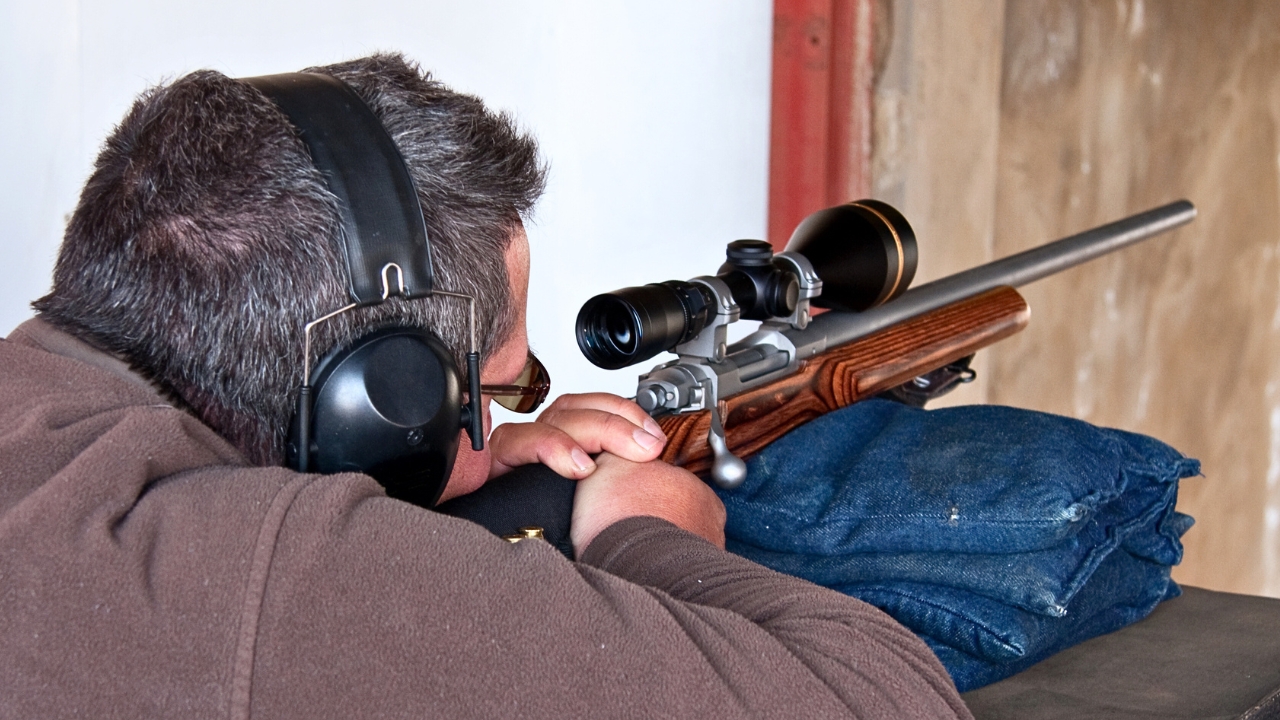
Some cartridges are barrel-eaters by design. If you’re looking at a used rifle chambered in something like .264 Win Mag, .257 Weatherby, or even .220 Swift, you better assume it’s halfway done before you even touch it. These rounds push a lot of powder through a narrow bore, which means extreme heat and throat erosion. They might shoot laser-straight when new, but the accuracy window is narrow. If the last owner was chasing tight groups or long-range kills, chances are the barrel took a beating. That’s not something a bore snake and fresh ammo can fix.
Chrome lining and nitriding don’t mean invincible
A lot of newer barrels are treated with chrome-lining or nitriding to extend barrel life. And while that does help, it doesn’t make them immortal. Abuse, heat, and lack of maintenance will still catch up to them. Some people assume that a treated barrel is “good forever,” so they skip the basics—like proper break-in, cooling between strings, or using the right solvents. Those shortcuts add up. If you’re buying used and banking on the finish saving the barrel, don’t. Even a nitrided bore can lose accuracy long before it looks bad from the outside.
Group size tells the real story

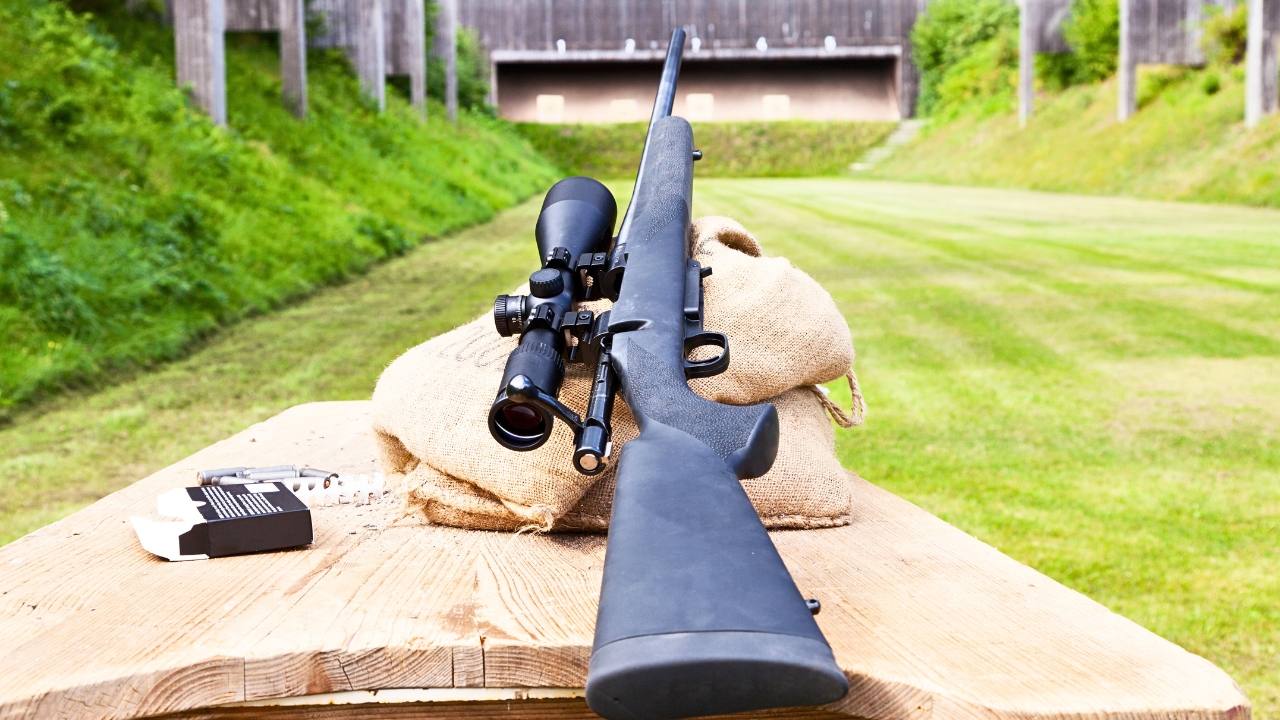
One of the first things you should do with a “new to you” rifle is shoot for groups—real groups, not just minute-of-deer. If it can’t put three to five rounds inside an inch at 100 yards with good factory ammo, something’s up. That doesn’t mean it’s shot out, but it narrows down the possibilities. Try a few loads, shoot from a good rest, and see how consistent it is. If you’re getting stringing, vertical shift, or wandering groups, the barrel might be past its prime. That’s the truth no spec sheet or seller photo will show you.
Bore scopes don’t lie
If you really want to know what you’re dealing with, spend the money on a bore scope or find someone who has one. They’ll show you the fire cracking, throat erosion, and copper fouling that regular inspection can miss. It’s one thing to hear a seller say “the bore is shiny,” and another to see heat damage and tool marks for yourself. A bore scope doesn’t lie, and it doesn’t take much practice to spot a barrel that’s near the end of its useful life. It’s one of the best tools for buyers—and sellers who want to be honest.
Like The Avid Outdoorsman’s content? Be sure to follow us.
Here’s more from us:
The worst deer rifles money can buy
Sidearms That Belong in the Safe — Not Your Belt
*This article was developed with AI-powered tools and has been carefully reviewed by our editors.