Photo credit: LeverBoy/YouTube
Revolvers have a way of getting past your practical brain faster than most handguns. A good one feels mechanical in all the right ways. The lines look better, the triggers can feel more honest, and the whole experience carries enough history to make a buyer feel like he is choosing substance over trend. That is where the trouble starts. A lot of people do not buy certain revolvers because they are the smartest fit for how they actually shoot. They buy them because memory, image, and old-school appeal hit harder than utility.
That does not mean these guns are worthless. A lot of them are excellent at being exactly what they were meant to be. The problem is that buyers often build a romance around them that real use cannot always support. Weight, capacity, recoil, price, dated sights, slow reloads, and plain inconvenience all start mattering once the first glow wears off. These are the revolvers people talk themselves into because they feel timeless, then slowly realize timeless is not always the same thing as practical.
Colt Python 6-Inch

The Python gets a lot of buyers on emotion alone. It has the name, the finish, the lines, and that long-running reputation that makes people feel like they are buying one of the few revolvers that still means something special. At the counter, it is easy to convince yourself that common sense does not matter because this is not just another wheelgun. It is a Python. That story sells a lot of them before the first box of ammo is even opened.
Then reality starts asking more annoying questions. Are you really going to carry a big six-inch .357? Are you going to shoot it enough to justify the price? A lot of buyers eventually admit they were chasing the feeling of owning a Python more than the daily reality of shooting one. It stays beautiful, but beauty does not erase bulk, cost, or the fact that plenty of owners become more protective of it than excited by it.
Smith & Wesson Model 29
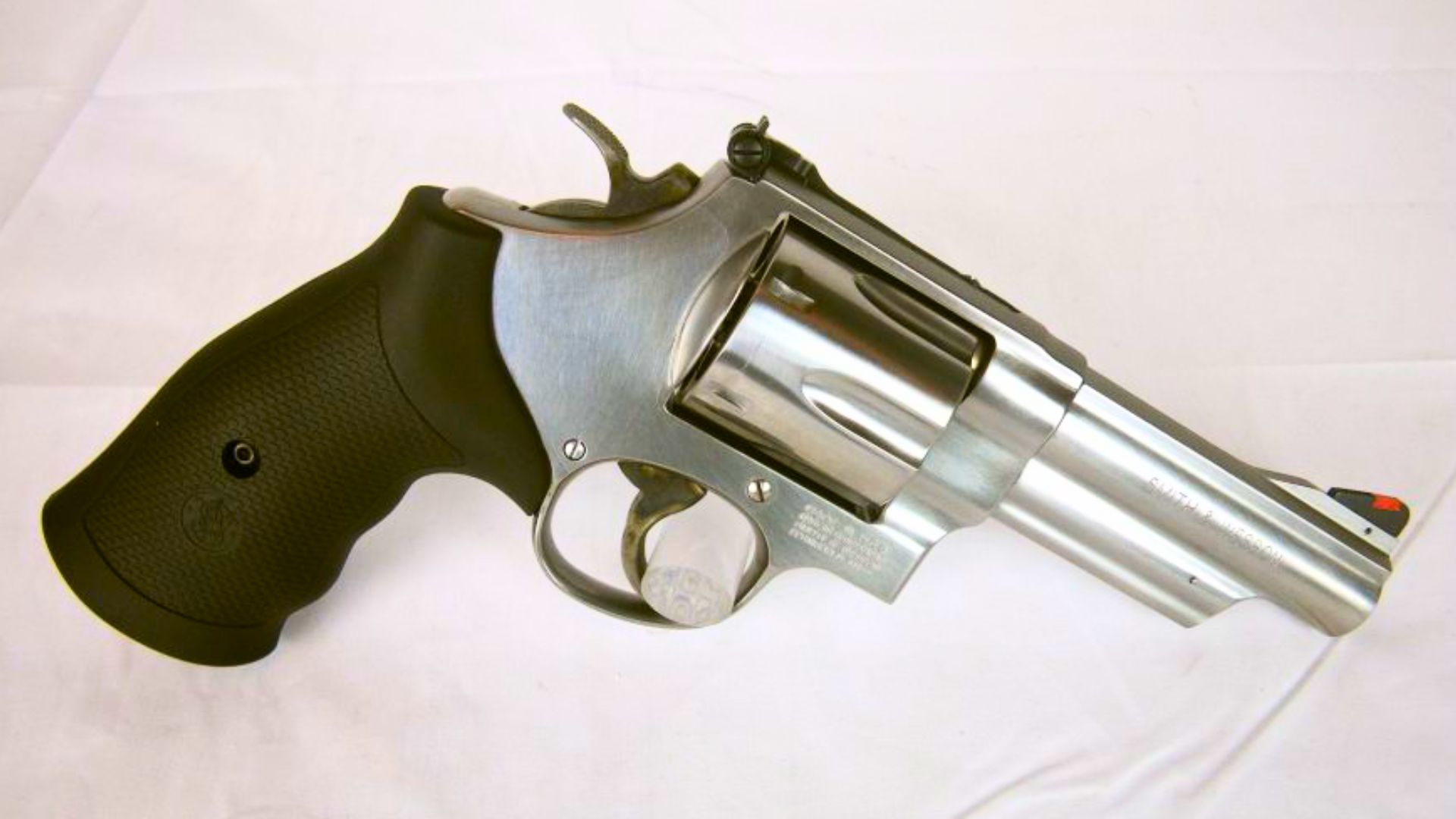
The Model 29 may be one of the clearest examples of nostalgia beating judgment. A lot of buyers do not fall for it because they need a big .44 Magnum revolver. They fall for it because the gun carries a giant cultural shadow. It feels iconic in the hand before you ever fire it, and that alone is enough to make a buyer overlook how specialized it really is. Owning one feels like joining a story people already know.
That story tends to soften once range time becomes routine. Full-power .44 Magnum is not something most people want to shoot all afternoon, and a large N-frame revolver is not exactly the kind of gun that fits easily into modern practical use. Buyers often keep defending it because it is still cool, and it is, but cool does not always make it the right gun to own. Many fall hardest for the legend and then quietly shoot lighter, simpler revolvers far more often.
Colt Single Action Army
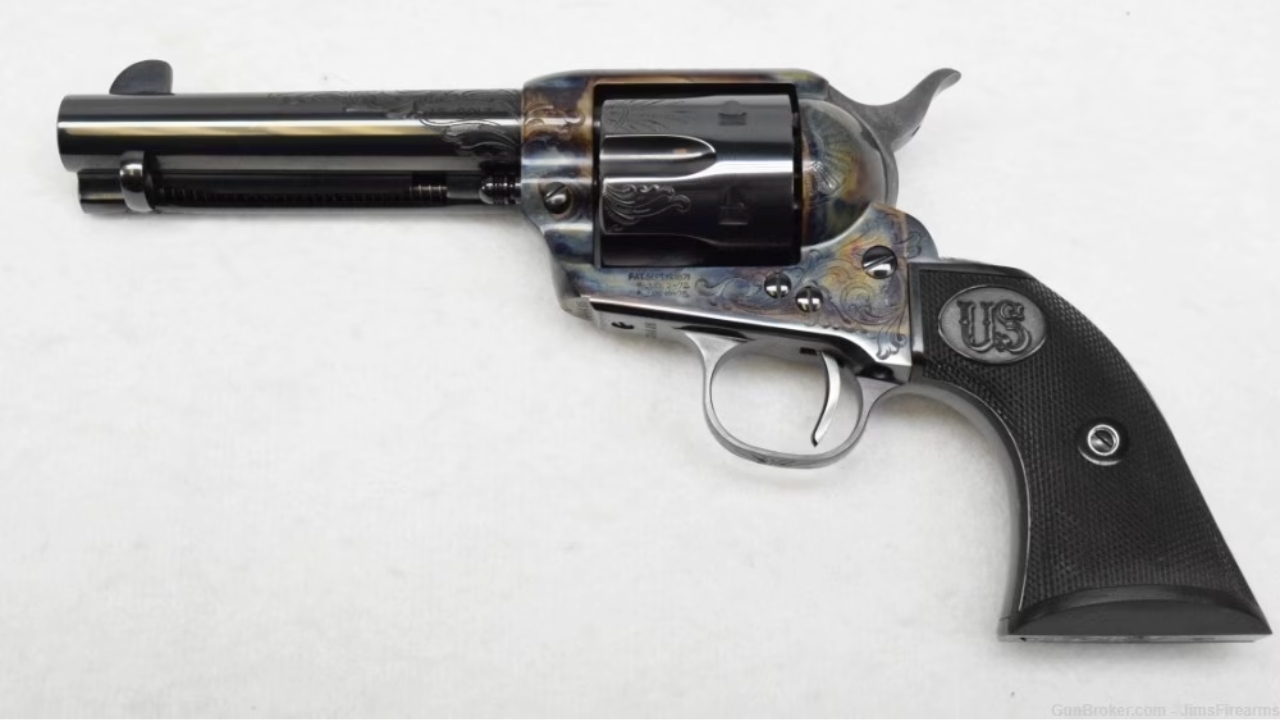
Few revolvers hit the nostalgia nerve harder than a Single Action Army. You are not just buying a handgun at that point. You are buying frontier history, cowboy imagery, old-West romance, and the feeling that your taste is somehow more grounded than the guy chasing the newest polymer pistol. That emotional pull is real, and it convinces a lot of buyers that loading one round at a time and working an old manual rhythm is part of the charm.
Sometimes it is. The problem is that charm can wear thin once you get past the first stretch of admiration. A Single Action Army is slow, limited, and deeply tied to a style of shooting most people do not actually live with for long. Buyers often fall in love with what the revolver represents, then realize they do not enjoy the pace and handling enough to keep reaching for it. Nostalgia got the sale. Practicality usually starts winning later.
Ruger Blackhawk .357 Magnum

The Blackhawk speaks directly to buyers who want something that feels old-school, rugged, and above modern nonsense. It looks like a revolver with a purpose, and for a lot of people that is enough to start building excuses in their head. They tell themselves it is durable, simple, and more meaningful than another double-action revolver. The single-action layout becomes part of the appeal because it feels more traditional and deliberate.
Then the gun starts competing with the real world. A lot of owners realize they liked the frontier flavor more than the actual pace of using one. The Blackhawk is solid, but that does not automatically make it the revolver they want to bring every time. It is one of those guns buyers respect immediately and sometimes enjoy only selectively. Nostalgia makes the manual operation feel romantic at first. Later, it can just feel slower than they really want.
Smith & Wesson Model 19

The Model 19 gets buyers who want to own the idea of the classic .357 service revolver. It has the badge-era appeal, the handsome K-frame balance, and just enough history to make it seem like the thinking man’s revolver. Buyers talk themselves into one because it feels like a connection to a time when handguns looked better and people trusted steel. That is a powerful sales pitch when it is playing inside your own head.
Common sense starts pushing back when you remember what you are actually getting. Six rounds, older-style sights on many examples, slower reloads, and a gun that makes more sense to admire than to press into serious modern use. The Model 19 is still a fine revolver, but plenty of buyers lean harder on the nostalgia than on the actual role it will fill. That is why it often ends up treasured first and used more selectively than expected.
Colt Detective Special

The Detective Special is one of those revolvers that feels smarter in memory than in real life. Buyers see the compact frame, the classic Colt lines, and the old-school concealed-carry history and convince themselves they are getting a snubnose with real character. Compared with a modern pocket gun, it feels like a gentleman’s answer. That image is strong enough to make people ignore how much concealed carry has changed since this gun first built its reputation.
Once the carrying and shooting start, the romance can thin out. Older snub revolvers can be tougher to shoot well than buyers expect, and they usually ask more from the user than the nostalgic image suggests. The Detective Special still has charm, but charm does not automatically make it the smartest carry choice. A lot of buyers fall for the story of old-school undercover practicality, then learn that modern convenience has a way of making that story feel less persuasive.
Smith & Wesson Model 36 Chief’s Special

The Model 36 pulls buyers in because it looks like the revolver people remember from dresser drawers, ankle holsters, and old detective movies. It feels compact, honest, and tied to a simpler era of handgun ownership. A lot of buyers convince themselves that this kind of revolver represents common sense itself, which is a funny twist because they are often ignoring actual modern common sense when they make the purchase.
The trouble shows up once they shoot it regularly. Small steel snubs can be more demanding than people remember, and the short sight radius does not do anyone favors. What looked sensible in nostalgic terms can start feeling like a compromise in practical terms. Buyers often keep one because it means something to them, not because it outperforms better modern options. That is the whole pattern here: they are buying memory first and utility second.
Ruger Vaquero

The Vaquero is easy to justify because it taps into that same cowboy impulse that sells so many single-actions in the first place. Buyers look at one and start imagining range days with slower rhythm, simpler pleasures, and a kind of shooting experience that feels more connected to history. It feels like an antidote to tactical sameness, and that can make a buyer think he is choosing something more authentic rather than less practical.
Later on, that authenticity can start feeling narrow. The Vaquero is fun in the right mood, but the right mood is not always there. Slow loading, single-action handling, fixed-sight limitations on some variants, and the general lack of versatility mean many owners enjoy the idea more consistently than the use. Nostalgia gets this gun into safes very easily. The question is how often it keeps getting into range bags after the first rush wears off.
Smith & Wesson Model 586

The 586 catches buyers who want the look and feel of a classic service revolver without going all the way into something truly exotic. It has weight, blue steel appeal, and the kind of balanced reputation that makes it seem like the sensible classic. That is how nostalgia sneaks in here. Buyers tell themselves they are not being sentimental. They are being smart. They are buying proven steel instead of hype.
That logic only goes so far once the shooting life around the gun becomes real. A medium-to-large revolver with six rounds and old-school carry dimensions is still a niche choice for a lot of people, no matter how well made it is. The 586 remains deeply appealing, but it can still become a gun owners admire more than they use. It scratches the itch for classic revolver ownership beautifully. It does not always satisfy the need for practical regular use.
Colt Anaconda

The Anaconda gets bought by people who want big-bore Colt prestige with enough power and polish to feel like they own something above ordinary revolvers. It is not hard to see the appeal. The name matters, the frame matters, and the whole gun feels like a statement piece even before the first range trip. Buyers talk themselves into it because they think size, power, and Colt heritage will automatically translate into lasting satisfaction.
Then the practical side starts raising its hand. Large revolvers are fun in bursts, but that does not mean they stay compelling for the average owner. Weight, recoil, cost, and narrow use cases can make a gun like the Anaconda feel more ceremonial than useful. A lot of buyers do not regret owning one, exactly. They just slowly realize they bought a revolver for the emotional payoff more than the day-to-day shooting experience.
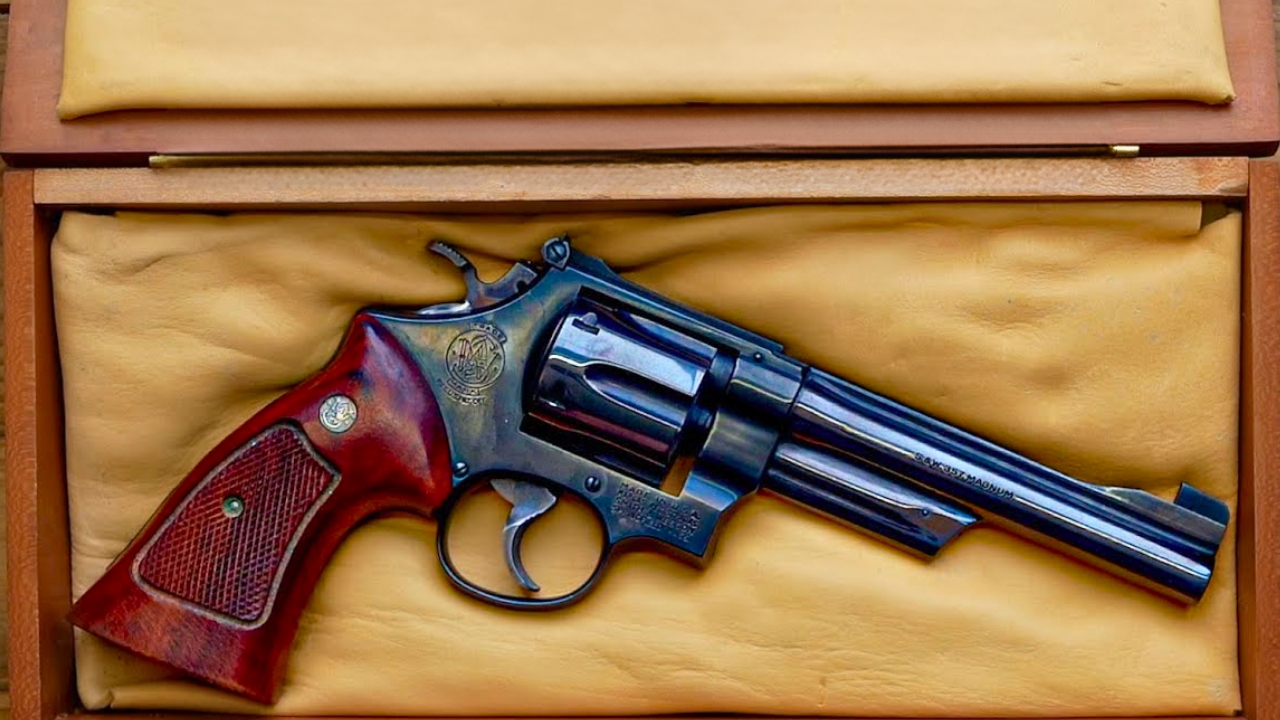
Smith & Wesson Model 27

The Model 27 appeals to buyers who want old-school refinement with magnum authority. It feels like the kind of revolver a serious person was supposed to want before semiautos took over the conversation. That image works because the gun really does have presence. Buyers can tell themselves they are buying craftsmanship and legacy, not just another handgun, and in a narrow sense that is true. The trouble is how easily that truth drifts into self-persuasion.
Once common sense reenters the room, the Model 27 starts looking like a heavy, expensive, six-shot revolver that most owners will appreciate more than they will truly use. It is handsome and historically important, but neither of those things automatically makes it the right revolver for regular shooting or modern defensive needs. It is exactly the sort of wheelgun people buy because it feels smarter than it really is for their actual life.
Ruger Redhawk .44 Magnum

The Redhawk sells on toughness in a way that blends perfectly with nostalgia. Buyers tell themselves they are not chasing old memories or big-bore fantasy. They are buying a rugged working revolver. In a sense, that is true. The Redhawk is stout, capable, and purpose-driven. But a lot of owners are still falling for the same old idea that a big .44 revolver represents a more serious kind of handgun ownership, even when they do not really need what it offers.
That is where common sense starts losing ground. Large-frame magnum revolvers ask a lot in return for their appeal. They are heavy on the belt, expensive to feed, and often more fun in theory than in volume. The Redhawk remains respected for good reason, but respect is not the same thing as practical fit. Many buyers eventually admit they were drawn to the aura of powerful old-school confidence more than to a revolver they would realistically use often.
Colt King Cobra

The King Cobra pulls buyers who want a Colt revolver with muscle, shine, and enough snake-gun appeal to feel a little special. It is one of those revolvers that carries more emotional weight than its basic role might suggest. Buyers talk themselves into one because they see it as a bridge between classic prestige and practical magnum ownership. It feels like the revolver for someone who wants heritage without going full collector.
Sometimes that works. Other times buyers realize they were still paying mostly for the feeling attached to the name and look. The King Cobra is a solid revolver, but it can still end up in that same trap where the owner enjoys owning it more than actually living with it. Nostalgia does not have to look antique to distort judgment. Sometimes it just wears stainless steel and a famous rollmark and gets treated like a smarter choice than it really is.
Smith & Wesson Model 66
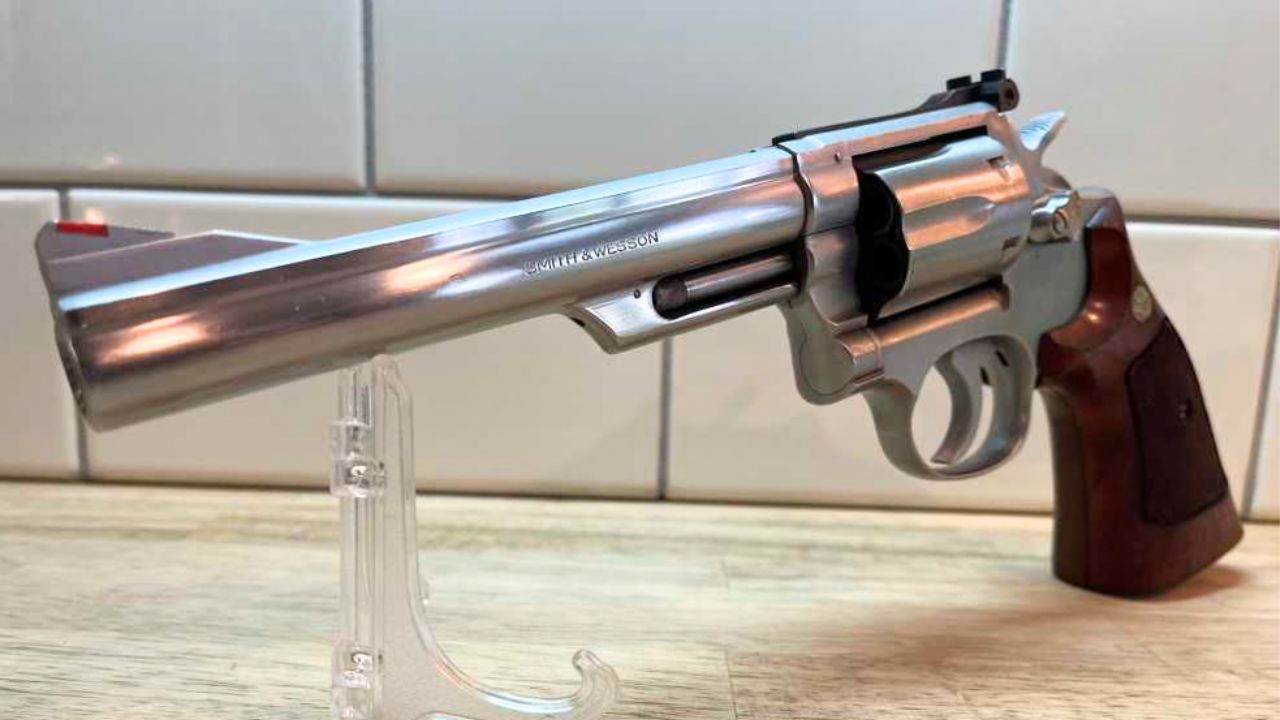
The Model 66 draws buyers because it seems to offer the classic revolver formula in a cleaner, more durable package. Stainless steel gives it a little more practicality on paper, and that makes it easier for nostalgia to disguise itself as reason. Buyers tell themselves they are choosing a timeless revolver that still makes sense. They are not just being sentimental. They are being balanced. That is usually how a revolver like this wins them over.
Then they spend time with it and remember that timeless still comes with the same old constraints. Capacity is limited, reloads are slower, and the gun fits a narrower slice of real modern use than many buyers first admit. The Model 66 is still deeply likable, but a lot of owners bought it because it made them feel connected to a better handgun era, not because it was the most practical tool for the way they actually shoot today.
Freedom Arms Model 83

The Model 83 is what happens when nostalgia, pride, and the idea of owning a serious single-action hunting revolver all stack on top of one another. Buyers can tell themselves they are choosing precision and strength, and that part is not wrong. It is an exceptional revolver. But many buyers are also falling for the deeper emotional pull of a gun that feels like it belongs to a more rugged, self-reliant version of handgun culture.
That emotional pull can get expensive and very selective in a hurry. A premium single-action revolver in a hard-hitting chambering is not something most owners will use broadly or often. It may be brilliant in its lane, but the lane is still narrow. That is where common sense gets drowned out. Buyers are not just paying for performance. They are paying for the fantasy of what owning that kind of revolver says about them, and that fantasy can outrun practical reality fast.
Like The Avid Outdoorsman’s content? Be sure to follow us.
Here’s more from us: