Photo credit: Stsvirkun/ShutterStock.com
Every hunter’s been there—you buy a rifle that looks perfect on paper, feels good in the store, and promises sub-MOA accuracy. Then you take it to the range, burn through a box of ammo, and realize it’s never leaving the safe again. Sometimes it’s brutal recoil, poor ergonomics, or a stock that flexes like a fishing rod. Other times it’s inconsistent accuracy, cheap materials, or a trigger that ruins any chance at precision. Whatever the reason, these rifles lose their appeal fast.
Hunters talk, and certain models come up again and again as rifles that don’t live up to expectations once you actually start shooting them. They might group fine for a few rounds, but by the time that first box is gone, you’re already thinking trade-in. Here are the rifles that rarely make it past that first range day.
Remington 770
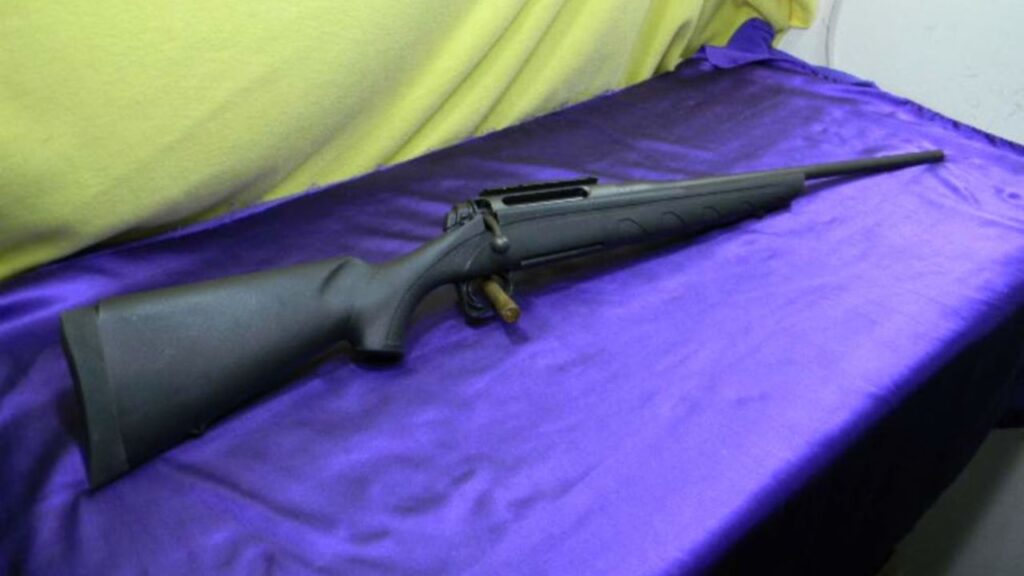
The Remington 770 is the rifle many hunters wish they’d never brought home. On the rack, it seems like a budget-friendly way to get into the game. After a box of ammo, you realize it’s the definition of “false economy.” The bolt feels rough, the stock flexes under recoil, and the accuracy is wildly inconsistent from one group to the next.
Even if you baby it, the included scope setup rarely holds zero. Hunters often find themselves spending more time tightening screws and clearing jams than actually shooting. The synthetic stock might look durable, but it twists and warps in a way that throws shots all over the paper. Most hunters who try to “make it work” stop after that first box and start browsing classifieds for something better built.
Mossberg Patriot Synthetic
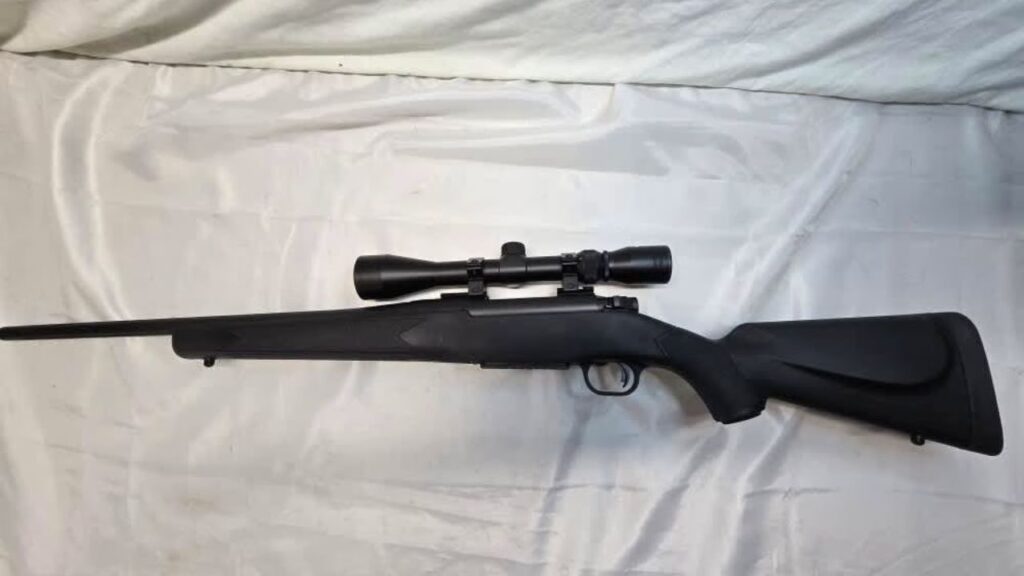
The Mossberg Patriot Synthetic draws attention with its clean look and appealing price tag, but its performance doesn’t hold up beyond the first range session. The lightweight plastic stock is too flexible, often touching the barrel and killing any chance of consistent accuracy. As it heats up, your groups open fast.
Hunters also complain about the factory scope mounts loosening and the recoil pad being too firm for magnum calibers. After that first box, it’s clear the rifle wasn’t designed for sustained shooting. It’s fine for a few sight-in shots before deer season, but if you actually plan to practice or push its limits, the Patriot feels cheap in a hurry. Most hunters move on to something with a better stock and real stability.
Savage Axis (First Generation)

The Savage Axis can produce a few good groups, but after a single box of ammo, most shooters notice its flaws. The ultralight synthetic stock flexes under sling tension, altering the point of impact. The trigger on early models is gritty and heavy, and the recoil pad feels more like a block of plastic than real cushioning.
Even though Savage barrels are accurate, the rifle’s overall design works against it. By the end of your first trip, your shoulder’s sore, your groups are inconsistent, and you’re wondering how such a good brand turned out something this rough. Later Axis models fixed a lot of these issues, but those first-generation rifles sent plenty of hunters looking for upgrades before they even finished their first box.
Remington 710
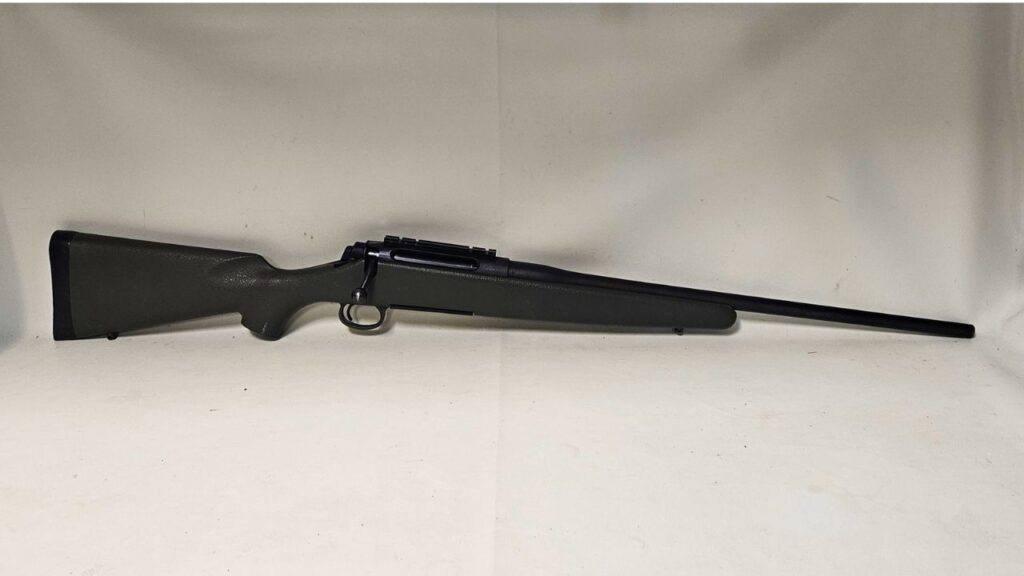
The Remington 710 was supposed to be the affordable successor to the 700, but it ended up being one of the most abandoned rifles in hunting history. The polymer receiver insert and rough bolt action made it feel clunky right out of the box. After a few shots, it becomes clear that it’s not built to last—or shoot well.
Accuracy is all over the place, and the integral scope mounts loosen with even moderate recoil. The bolt handle, infamous for breaking off under stress, adds insult to injury. By the time most shooters finish 20 rounds, they’re fed up with feeding issues, sticky extraction, and wandering zero. The 710’s short lifespan on the market says it all—it’s a rifle most hunters dropped almost immediately.
Ruger American Compact (Early Runs)
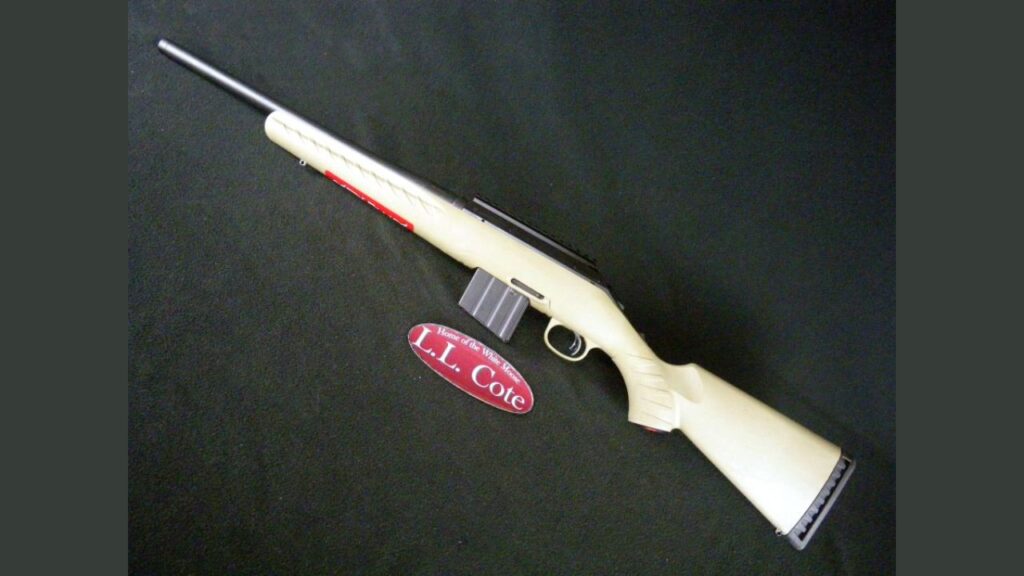
The Ruger American Compact was designed for hunters who wanted a light, easy-carry rifle, but the early runs made recoil miserable. The short stock and lightweight frame combine to deliver a sharp kick, even in mild calibers. Add in the flexible stock and inconsistent bedding, and you’ve got a rifle that’s tough to shoot comfortably or accurately.
By the end of the first range session, most hunters find themselves flinching or fighting to stay on target. It’s not that the American line is bad—later versions improved a lot—but that short, punchy design was unforgiving. For anyone expecting a mild, pleasant range rifle, the Compact model quickly became a one-box-and-done experience.
Thompson/Center Compass

The T/C Compass came loaded with features on paper, but after a box of ammo, the flaws show through. The trigger, while adjustable, feels inconsistent and vague. The stock flexes easily, especially in prone or benchrest shooting, and it tends to shift point of impact under recoil.
While some rifles shoot decently, others group poorly from the start, often due to uneven barrel bedding. Feeding issues from the rotary magazine are common, adding frustration to the mix. By the time most hunters finish sighting in, they’ve already lost confidence in the rifle. It’s not a disaster, but it’s not a rifle you’ll want to spend any more time with after that first box of shells.
Marlin X7
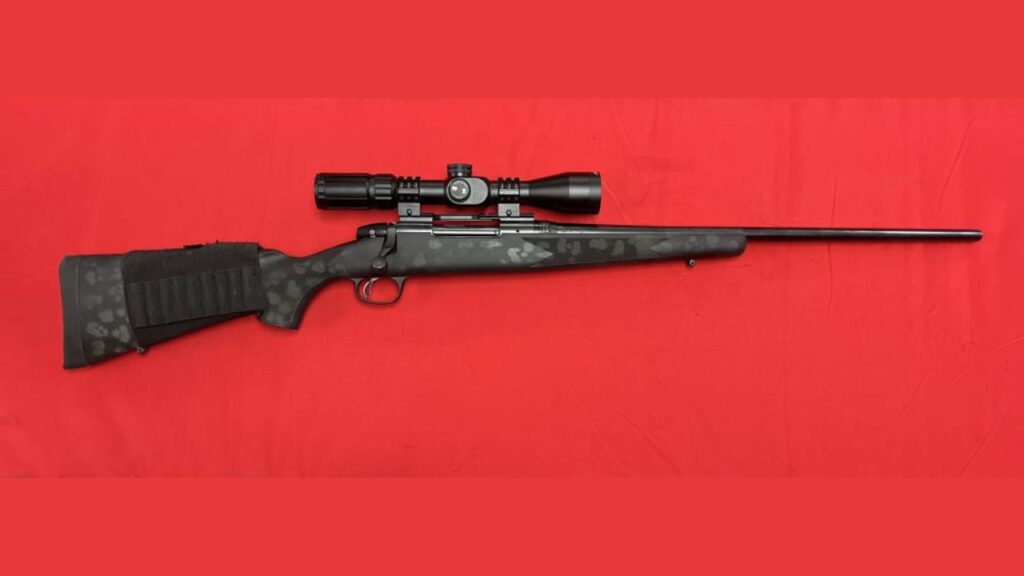
The Marlin X7 earned attention for its affordable price and solid trigger, but it struggled to stay consistent. After a few range trips—or even one box of ammo—shooters noticed groups opening up and stock screws loosening. The thin, flexible synthetic stock made recoil uncomfortable and caused accuracy to shift with every adjustment.
It could produce a tight group now and then, but repeatability was never its strength. Hunters expecting the same reliability as Marlin’s lever guns were disappointed fast. The X7 never developed the loyal following Marlin hoped for because it felt too fragile for real-world hunting conditions. After that first box, most shooters realized there were better budget rifles available.
Remington 783
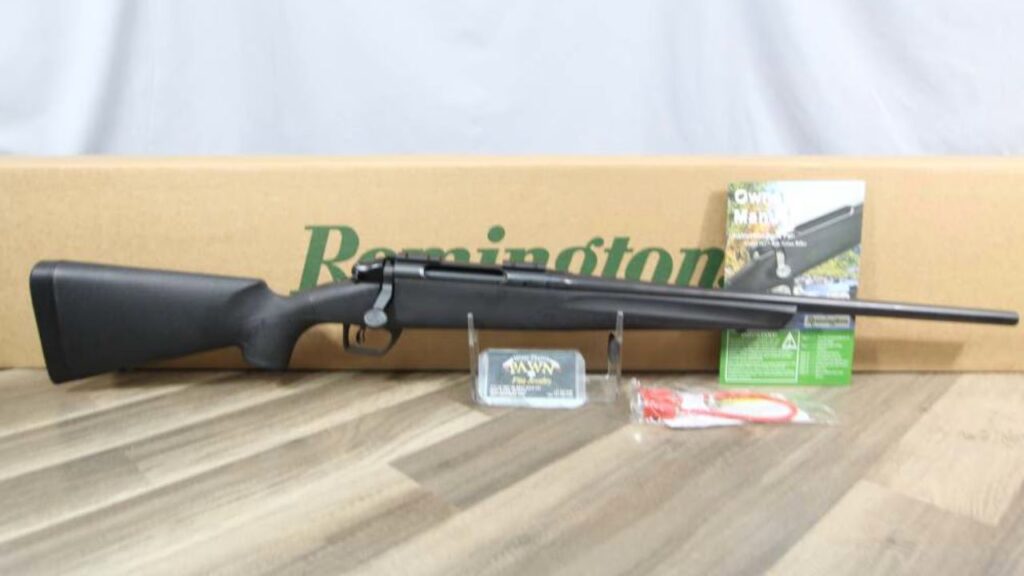
The Remington 783 was intended to redeem the company’s reputation after the 710 and 770 fiascos—but it didn’t quite stick the landing. Accuracy was inconsistent, the bolt lift felt uneven, and the trigger, though adjustable, was far from crisp. After about 20 rounds, most hunters found it unpleasant to shoot.
The hollow stock amplified recoil, and the hard pad didn’t help. Even though it grouped decently under perfect conditions, real-world handling told a different story. Many owners noticed their zero shifting between range sessions, especially after transport or minor bumps. By the time they burned through that first box of ammo, most hunters were already planning their trade-in.
Winchester XPR
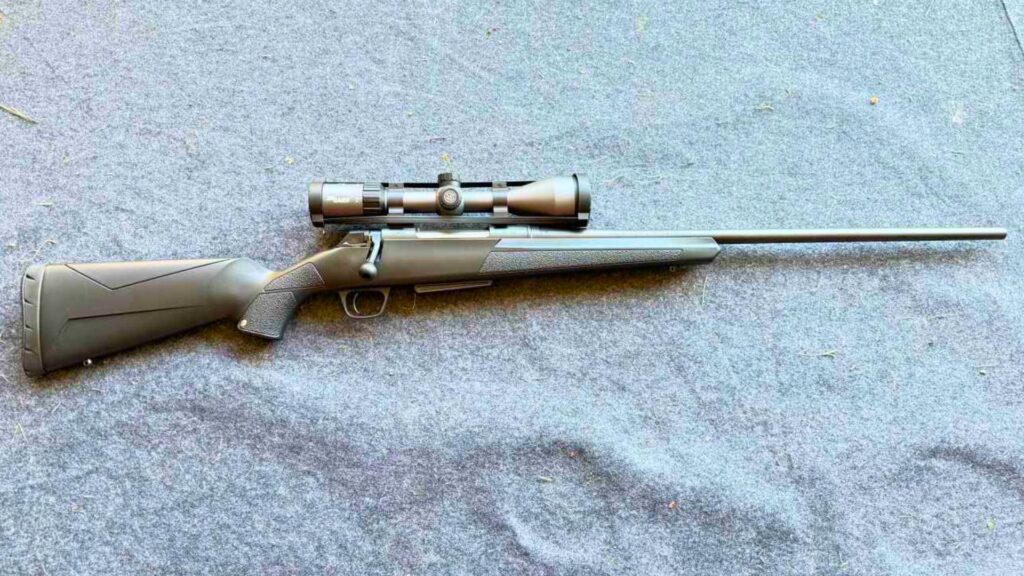
The Winchester XPR looked promising, but the early models disappointed. The action was stiff, the bedding inconsistent, and the stock material didn’t inspire confidence. Hunters who took them to the range often found the first few shots accurate, only to watch groups wander as the barrel heated or the stock flexed.
Recoil management was another issue. In magnum calibers, it delivered more kick than expected for its weight. While later versions improved, the original rifles felt rushed to market. By the time the first box of ammo was gone, most shooters had seen enough to move on. For a rifle wearing the Winchester name, it didn’t live up to the legacy.
Mossberg ATR 100
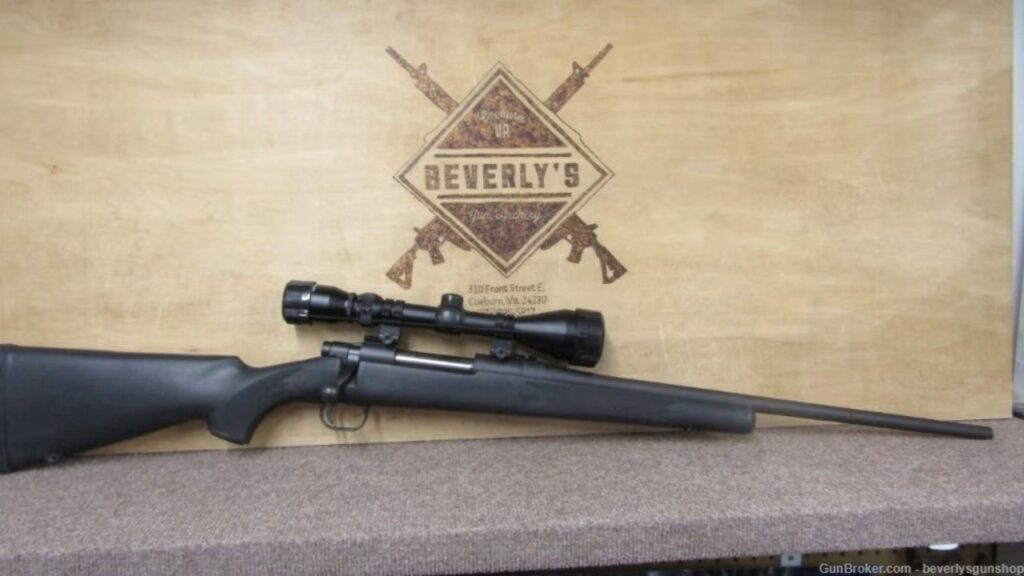
The Mossberg ATR 100 tried to be the blue-collar hunter’s rifle but ended up as one of the most returned models Mossberg ever made. Its bolt felt gritty, the trigger inconsistent, and the accuracy unpredictable. Hunters often saw the first few rounds land together, then drift wildly across the target.
The stock was the biggest problem—it flexed and warped under recoil or heat. The bedding system didn’t hold up to consistent use, so your zero rarely stayed put. By the end of that first box, frustration outweighed curiosity. Many hunters who tried the ATR quickly realized that saving a few bucks up front often costs you more in wasted ammo and time.
CVA Cascade (Early Production)

The CVA Cascade eventually earned respect, but early production rifles were rough. The triggers varied in quality, and many rifles failed to deliver on the “sub-MOA” promise. The plastic magazine was fragile, and feeding issues were common. A few even struggled to extract cases cleanly after multiple shots.
For many hunters, it took just one box of ammo to realize the rifle needed fine-tuning before it was field-ready. The potential was there, but the early builds didn’t inspire confidence. CVA corrected a lot of these issues later, but those first models left a mark. Hunters who got one early often dropped it from the lineup after a single trip to the range.
Kimber Hunter

The Kimber Hunter is a lightweight rifle with high-end looks, but the recoil and accuracy inconsistency make it tough to love. The polymer stock feels slick and hollow, and many shooters complain about the rifle’s tendency to jump under recoil. For a premium-priced gun, it feels harsher than it should.
Accuracy can be hit or miss depending on the individual rifle. Some shoot tight, while others open up dramatically after a few rounds as the barrel heats. The combination of sharp recoil, flexible stock, and finicky accuracy makes most hunters call it quits early. It’s a beautiful rifle to look at, but after one box of ammo, many decide that carrying it into the woods isn’t worth the frustration.
*This article was developed with AI-powered tools and has been carefully reviewed by our editors.