Photo credit: GBGuns/YouTube
A pistol needing a few rounds to smooth out isn’t uncommon—but some models never settle in. You put in the work, run the recommended break-in, and still end up chasing failures. Whether it’s feeding issues, light strikes, or failure to return to battery, some pistols never seem to “wear in” the way they should. These aren’t guns that get better with time. They’re the ones that keep letting you down no matter how much ammo you burn through.
Kimber Ultra Carry II

The Kimber Ultra Carry II is known for needing a few hundred rounds before it runs consistently, but even then, many users still report feed issues. Hollow points in particular tend to hang up on the feed ramp.
You’ll hear people blame the tight tolerances, but when you spend that kind of money, you expect it to function out of the box. Cleaning, lubing, and “shooting it in” only go so far if you’re still dealing with failures after 300+ rounds.
Taurus PT1911

The Taurus PT1911 came in as a budget-friendly 1911, but it brought a reputation for being ammo sensitive and slow to smooth out. Some owners claim it needs up to 500 rounds before it starts to feel trustworthy.
Even after break-in, failures to feed and inconsistent ejection patterns pop up. You can polish and tweak all you want, but a gun that demands that much attention just to be range-ready isn’t one you want to rely on for anything serious.
Remington R1

Remington’s R1 looks like a decent entry-level 1911, but it doesn’t always behave that way. Break-in is rough, with common complaints about slide sluggishness, poor extractor tension, and FTF issues even with ball ammo.
You can’t expect custom-tier performance at this price, but you should at least be able to get through a box of ammo without clearing malfunctions. Some smooth out eventually—others stay picky and require more tuning than most are willing to put in.
Para Ordnance P14

The Para P14 holds a lot of rounds for a 1911-style pistol, but that double-stack frame doesn’t always feed well, even after hundreds of rounds. Magazine fit, feed ramp geometry, and extractor problems show up often.
Plenty of users report frustration long after the so-called break-in period. When a pistol asks for that much patience—and still chews through mags, lips, or springs—it stops being worth the effort, especially when modern alternatives run smoother out of the gate.
Kahr CW9

The CW9 is compact, affordable, and has a great trigger feel. But it’s got a reputation for needing a break-in of at least 200 rounds before you can trust it for carry. Until then, expect occasional failures to feed or return to battery.
Some clean up fine with time. Others keep acting up, especially if you don’t keep them well-lubed. If a carry pistol won’t behave reliably without constant attention, it’s hard to recommend—even if the price is attractive.
SIG Sauer Mosquito

The SIG Mosquito might look like a scaled-down P226, but it’s earned a reputation for being one of the most frustrating .22 pistols around. It’s notoriously ammo-sensitive and rarely runs clean without extensive tuning.
Even with the recommended CCI Mini-Mags and a break-in of 500+ rounds, misfeeds and stovepipes are common. That’s a long runway for a rimfire plinker, especially one that’s supposed to represent SIG quality. Most shooters end up moving on to something less picky.
Desert Eagle 1911U

This compact 1911 from Magnum Research looks the part, but it’s not always smooth sailing. Tight tolerances and rough edges create issues out of the box, and it often needs a heavy break-in just to cycle reliably.
You’ll run into feeding problems, especially with JHPs, even after polish work and decent magazines. For a gun priced to compete with more proven options, it’s hard to justify the trial-and-error time this one tends to demand.
Rock Island Armory 1911s

Rock Island makes affordable 1911s that shoot surprisingly well—once they’re broken in. The problem is that break-in can take longer than expected, especially with their smaller calibers or models chambered in .22 TCM or 10mm.
Loose tolerances, gritty triggers, and sharp internal edges can all cause hiccups early on. For some folks, the trade-off is worth it. But for others, it’s a headache they didn’t sign up for, especially if the gun keeps misbehaving after that “first few hundred rounds.”
SCCY CPX-2

The SCCY CPX-2 is one of the cheapest 9mm pistols on the market, and you get what you pay for in terms of reliability. It’s known for needing a lengthy break-in—if it ever runs clean at all.
Failure to feed, stovepipes, and ejection issues all pop up frequently. The trigger pull is heavy and long, and that doesn’t help the overall experience. Some folks find a rhythm with it, but if yours doesn’t smooth out quick, it probably never will.
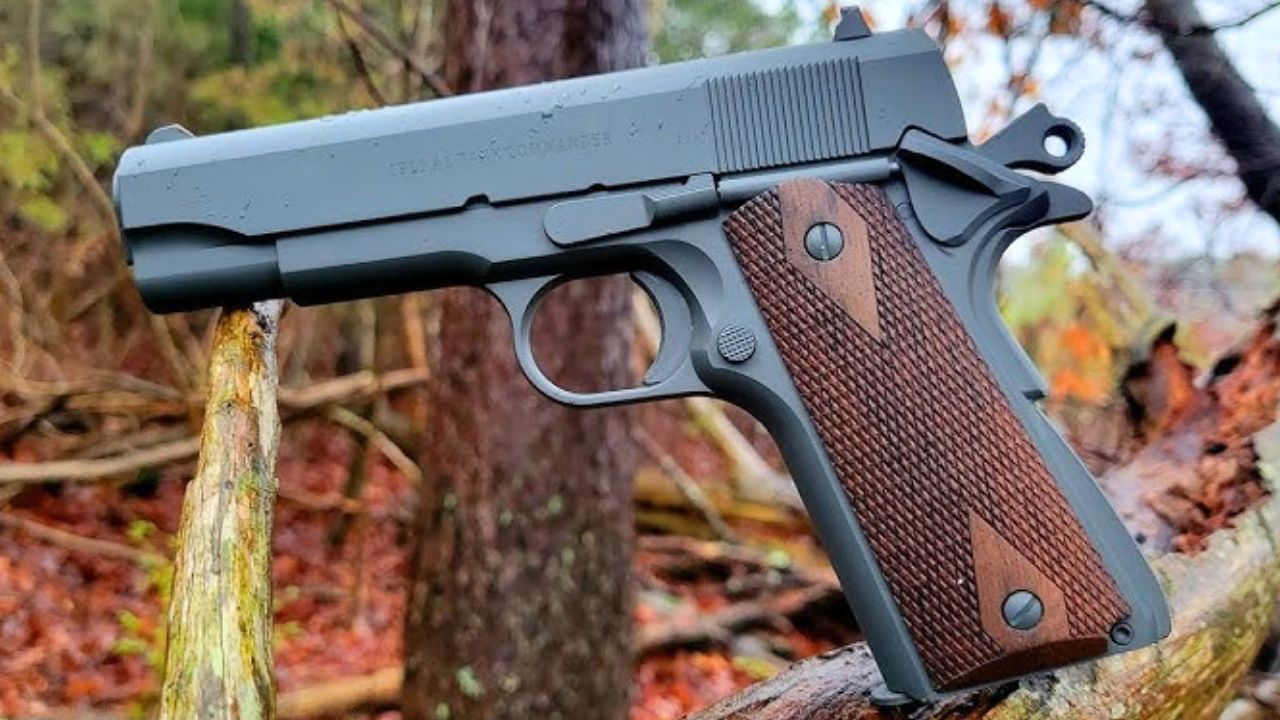
American Classic 1911

Another budget 1911 that’s hit or miss, the American Classic often ships with rough internals and loose slide-to-frame fit. That means more malfunctions during break-in than most are comfortable with.
After a few hundred rounds and maybe some polishing, it might settle into a smoother cycle. But if it doesn’t, you’re stuck with a pistol that costs time and energy to fix when others at the same price point run better right away.
*This article was developed with AI-powered tools and has been carefully reviewed by our editors.