
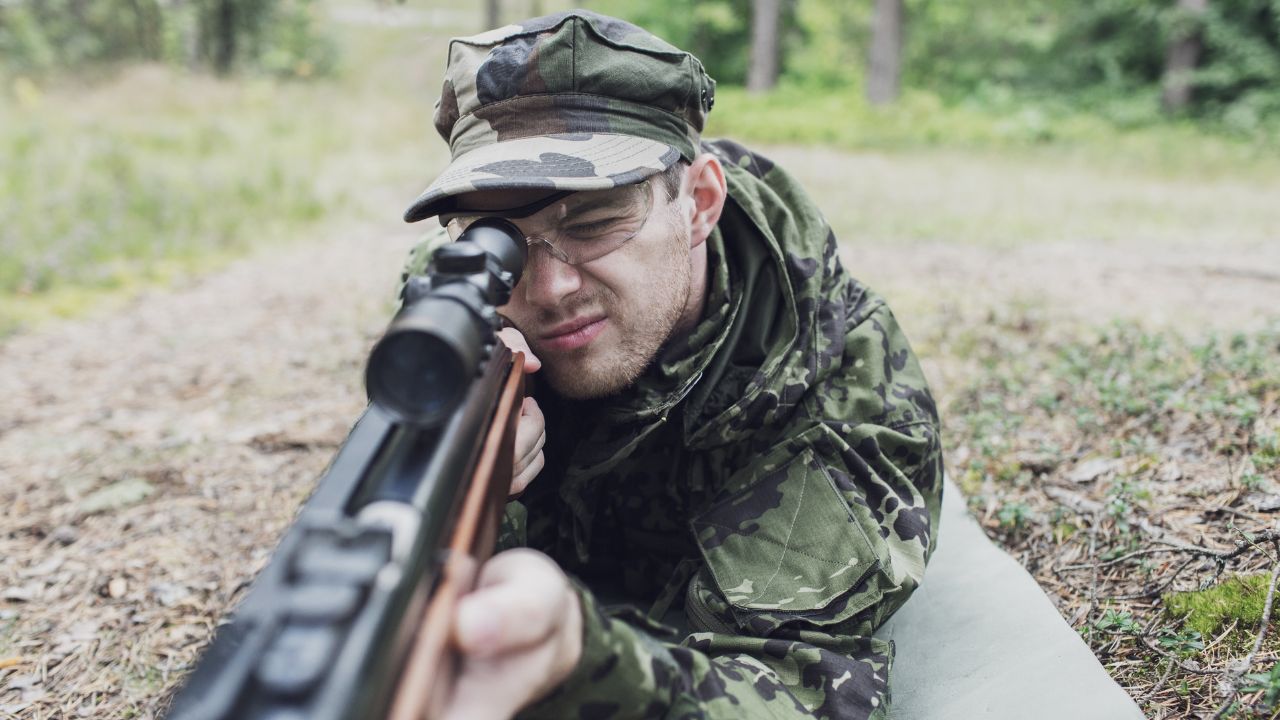
Photo credit: Ground Picture/ShutterStock.com
Every hunter has fallen for it—a “great deal” on a scope or optic that looks solid online but falls apart the moment it meets bad light or bad weather. Cheap glass fogs up, shifts zero, and loses clarity right when it matters most. You can save money on ammo or gear, but optics aren’t where you cut corners. Whether it’s a scope that won’t hold zero or a red dot that dies in the cold, bad optics cost you opportunities. Here are the specific models hunters regret buying cheap—and the reasons they don’t last past one season.
Tasco World Class 3-9×40

The Tasco World Class line has been around for decades, but it’s one of the most common “first scope regrets.” On paper, it offers the classic 3-9×40 versatility at a low price. In the field, the story changes. The image is dim, especially at dawn or dusk, and the glass has a yellowish tint that kills contrast when you’re trying to pick out an animal through brush.
After a few range trips, most hunters start noticing wandering zero and sloppy turret adjustments. A small bump can shift point of impact, and internal fogging is common once temperatures drop. You’ll spend more time re-sighting it than hunting with it.
Simmons 8-Point 3-9×50

The Simmons 8-Point looks impressive with its 50mm objective lens, but it’s proof that size doesn’t equal performance. The lenses are uncoated, making it prone to glare in sunlight and nearly useless in low light. The scope’s internal seals are weak, so even a light drizzle can fog the inside permanently.
Its windage and elevation knobs lack precision, and repeatability is nonexistent. Many hunters report chasing zero all season. It might hold up on a .22 or pellet rifle, but once mounted on a centerfire hunting gun, the shortcomings show fast. For a few extra bucks, you could’ve bought something like a Bushnell Banner 2 that actually stays consistent.
Barska Huntmaster Pro

Barska’s Huntmaster Pro line looks like a feature-packed bargain—adjustable objective, illuminated reticle, and wide magnification range—but that’s where the appeal ends. The illumination bleeds light through the tube, creating a red or green glow that washes out your entire sight picture in low light.
Even worse, the adjustments don’t track. Dialing for distance rarely lands where you expect, and the zero won’t hold after a few boxes of ammo. Rain and humidity quickly fog the glass, and dust gets inside the scope body over time. The Huntmaster Pro is notorious for failing mid-hunt, which is why you’ll see so many for sale “lightly used.”
NcStar Mark III Tactical

The NcStar Mark III looks tactical, but it’s all show. It’s one of those scopes that looks like a $1,000 setup at first glance—until you use it. The reticle shifts with every few rounds, and the turrets don’t track consistently at all. On rifles with even moderate recoil, internal parts loosen.
The illumination is dim and uneven, the glass is hazy, and focus blurs badly at higher magnification. The eye relief also changes dramatically, forcing you to readjust every time. NcStar scopes are better suited for airsoft than a real hunting rifle, yet they keep finding their way onto deer guns. A cheap “tactical” scope rarely survives its first trip to the woods.
Sightmark Wolverine FSR Red Dot

Sightmark’s Wolverine FSR promises durability and long battery life, but in practice, it’s a different story. The housing feels solid, yet the electronics don’t hold up to extended use or recoil. After a few boxes of ammo, many hunters report flickering dots or complete failure.
Even when functioning, the dot often blooms too bright, washing out targets in sunlight. The adjustment clicks are vague, and zero shifts after mild impacts. It’s an affordable optic for plinking, but once it’s cold, wet, and bouncing around in a side-by-side, reliability drops fast. For hunting, especially with anything larger than .22 caliber, it’s not worth the gamble.
Bushnell Trophy TRS-25

The Bushnell TRS-25 earned a following for its price and compact size—but in real hunting conditions, its weaknesses show. The red dot is fuzzy, the brightness dial is inconsistent, and cold temperatures cause the dot to flicker or vanish altogether.
Battery life isn’t great, and it doesn’t handle moisture well—many users have opened them up to find internal condensation. It can survive a mild plinking season but not a long, wet deer hunt. It’s one of those optics everyone buys once, swears off forever, and later upgrades to something like a Holosun or Aimpoint.
Simmons ProHunter 4-12×40

The Simmons ProHunter promises versatility with higher magnification, but it’s plagued by image distortion and soft focus at anything above 9x. The eye relief is unforgiving, making it hard to maintain a full sight picture from typical shooting positions.
Even worse, recoil from larger calibers like .30-06 can knock the reticle off-center. Adjustments don’t hold, and after a few hunts, it starts losing clarity as moisture builds between lenses. It’s not the worst scope on a budget .243, but once you move into harsher weather or longer hunts, the shortcomings pile up fast.
BSA Sweet .22

The BSA Sweet .22 scope is popular among new rimfire shooters, but its name oversells its quality. The concept—calibrated turrets for .22LR—is clever, but the build quality doesn’t back it up. The clicks are vague, the lenses fog easily, and the overall image is washed out.
Under recoil, even from mild rifles, the zero drifts noticeably. The scope is also extremely sensitive to temperature changes, meaning a chilly morning can shift your point of impact. It’s fine for paper targets at 50 yards, but not something you want to rely on when hunting small game in changing conditions.
CVLIFE 4×32 Compact Scope

The CVLIFE 4×32 looks tempting on Amazon with its low price and flashy reviews, but this is one optic that consistently disappoints in the field. The glass is dim and full of color distortion, the reticle is often off-center out of the box, and the mounting hardware is soft enough to strip under minimal torque.
After a few outings, you’ll notice the adjustments don’t move the reticle predictably, and even light rain can fog the interior. Hunters who’ve used one know they don’t survive real recoil or real weather. It’s a “learning experience” kind of scope—you’ll use it once, then buy something that actually works.
Barska Level Tactical Red Dot

Barska’s Level Tactical Red Dot has the same issues as their riflescopes—poor seals, uneven brightness, and unreliable mounting. The dot isn’t crisp, appearing more like a smudge, and parallax issues make fast shots tough. Battery life is weak, and moisture easily seeps into the housing.
Many hunters report losing zero after riding in a truck rack or ATV. It might handle a range session or two, but it’s not built for recoil, vibration, or weather. Once it fogs up or the emitter fails, it’s finished. For serious field use, this optic belongs nowhere near your hunting setup.
Simmons ProTarget Rimfire

The Simmons ProTarget Rimfire is a common budget pick for small-caliber hunting, but its clarity and durability are underwhelming. The glass has heavy edge distortion, and the reticle often appears fuzzy. The adjustment knobs feel gritty and lack repeatability.
In damp or cold conditions, internal fogging is common. Even slight recoil can loosen the internals, leading to wandering zero. While it’s fine for casual plinking, it won’t last through a season of field use. Most hunters who start with this scope replace it with a Vortex Crossfire II or Leupold Rimfire within months.
*This article was developed with AI-powered tools and has been carefully reviewed by our editors.


