
When you’re standing in the gun shop with tags and specs in your face, it’s easy to believe the hype. Slick marketing, clean finishes, and promises of accuracy from the counter guy can make a rifle feel like a sure thing. But after a few seasons in the field—missed shots, missed opportunities, and headaches later—you start to see it for what it really is. Some rifles keep disappointing year after year, no matter how many chances you give them. Whether it’s poor fit, bad feeding, or the wrong kind of accuracy for the real world, these are the ones you leave in the safe when it matters most.
Remington 770
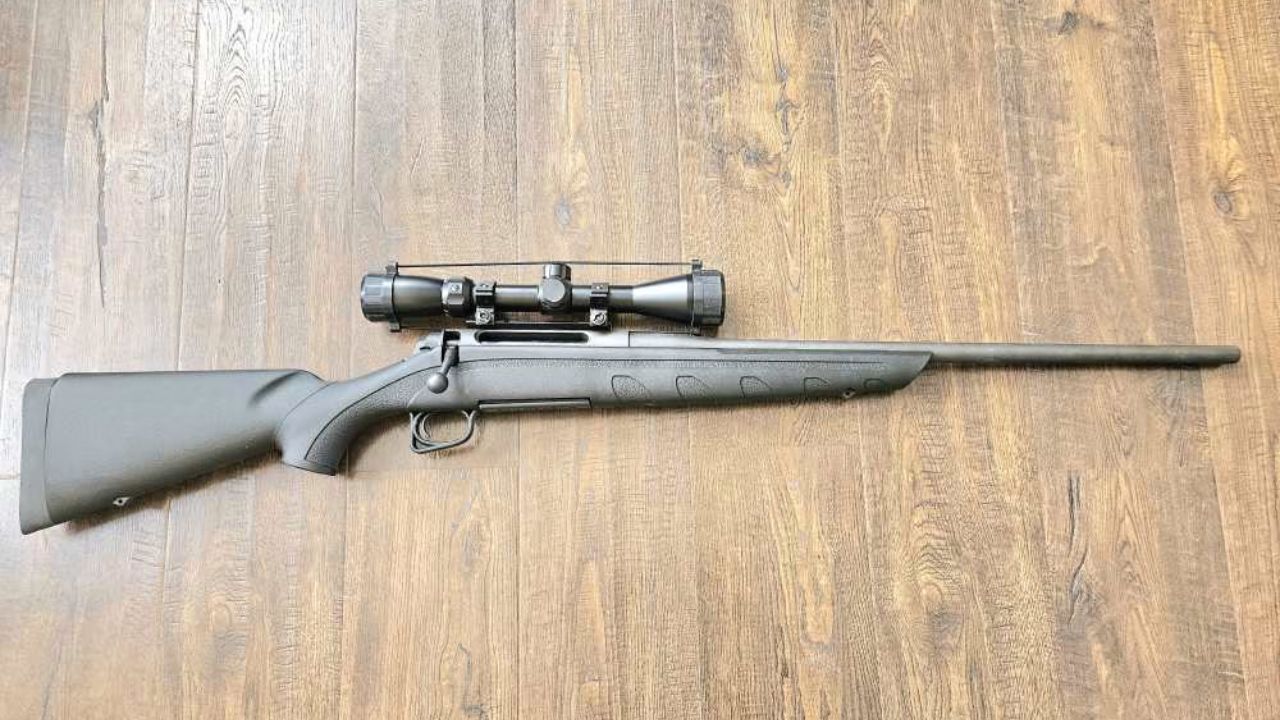
The Remington 770 is one of those rifles you buy because it seems like a deal. You get a scope, a bolt gun, and a name you recognize. But the action is rough, the trigger’s stiff, and the included optic feels like it came from a toy aisle. You try to make it work season after season, but it’s always a compromise.
It’s not that it won’t shoot—some of them will group okay—but it never feels right. The bolt binds. The mag feels flimsy. Eventually, you end up borrowing a buddy’s backup gun because yours doesn’t inspire confidence when the buck steps out.
Mossberg Patriot Synthetic

On paper, the Mossberg Patriot looks like a bargain. It’s lightweight, has a fluted barrel, and comes threaded. But in the woods, it often feels like it’s missing something. The stock flexes under pressure, the bolt can feel sloppy, and the trigger sometimes breaks too light.
You tell yourself it’ll work for one more season, but each fall you’re reminded why you started looking at other rifles. Accuracy might be decent on a bench, but once adrenaline kicks in or temps drop, things don’t line up the way you hoped. A budget rifle is fine—until you miss that shot you waited all day for.
Ruger American Rimfire in .22 WMR

Ruger nailed the idea with the American Rimfire line, but the .22 WMR version leaves a lot of hunters second-guessing. Magazines don’t always feed right, groups can open up with cheap ammo, and the polymer stock can feel hollow in cold weather.
For small game or varmints, it’s serviceable—when it works. But most seasons, you’ll find yourself leaving it behind in favor of something more consistent. It’s not that it’s useless, but the frustration builds with every stovepipe, flyer, or failed reload. After a while, you start to wonder if the accuracy claims were more luck than reality.
Browning AB3

The Browning AB3 is supposed to be a more affordable way into the Browning bolt-action family, but it often ends up sitting out of the hunt. The polymer stock feels too slick, the bolt throw is awkward, and the trigger’s not great out of the box.
It’s a rifle that looks good at checkout but slowly falls out of favor once you’ve carried it up a ridge or tried to run the bolt with gloves on. Hunters who wanted a reliable workhorse often find themselves upgrading after one or two disappointing seasons where the rifle didn’t quite measure up.
Savage Axis II XP Hardwood

This rifle sells well because it offers a wood stock and factory scope for a low price. But that hardwood stock isn’t really hardwood, and the scope rarely holds zero after a season or two. The AccuTrigger helps, but it doesn’t fix the rifle’s handling or weight balance.
Every fall, you pull it out thinking you’ll give it another shot—and every time, it reminds you why you stopped using it in the first place. It’s not that it’s inaccurate—it’s that everything else feels a little off. And in the field, that’s often enough to make you regret it.
Thompson Center Compass

The Compass made waves when it launched for its affordability and accuracy claims. But many hunters found the rough bolt, clunky mag release, and plastic feel tough to live with. It works on paper. It even groups okay. But field use tells a different story.
Once the bolt binds up during a cold snap or the magazine won’t seat when you’re trying to reload, you start to rethink the purchase. It’s hard to trust something that keeps showing you its weak points when it matters most. That doubt adds up every season.
CVA Cascade

CVA’s Cascade bolt-action came in hot with decent reviews, but many hunters report that it feels like it’s still trying to figure out what kind of rifle it wants to be. The bolt throw can be gritty, the stock feels toy-like, and the accuracy is hit or miss depending on caliber and ammo.
It’s not a bad rifle—but it’s not a great one either. And when your season depends on quick follow-ups and confidence behind the trigger, “decent” doesn’t cut it. Year after year, the Cascade gets passed over for rifles that don’t make you second-guess yourself.
Winchester XPR

The XPR tried to offer Winchester performance at a lower price point, but the execution didn’t land for many hunters. The trigger is decent, but the overall feel is clunky. The stock doesn’t inspire much confidence, and feeding can be fussy with certain loads.
You bring it out thinking it deserves another try, but once you cycle that bolt in cold weather or get a stuck round during a rushed reload, it starts collecting dust again. Regret sets in every time you realize how many better choices were on the rack.
Remington Model 710

If you’ve hunted long enough, you’ve probably seen a Remington 710 show up and disappoint. The synthetic stock feels hollow, the bolt action feels forced, and the scope included from the factory is almost always a liability. It was meant to be a starter rifle—but most people never graduate from regretting it.
You keep it around out of nostalgia or stubbornness, but each season it reminds you that it was never really built to last. It’s one of those rifles that teaches a lesson: saving money upfront doesn’t always work out in the field.
Howa 1500 Hogue in .243

Howa actions are solid, but the factory Hogue stock can feel too soft and rubbery for some hunters. In .243, the rifle seems like a dream for light recoil and decent accuracy—but field experience doesn’t always match the promise. The mushy feel and inconsistent groups under pressure start to wear on you.
You try to give it a fair shake, but each fall it finds its way back into the safe in favor of something steadier. There’s nothing glaringly wrong with it, which makes the regret even more frustrating. It’s the kind of rifle that always feels “almost there.”
Marlin X7

The Marlin X7 series had a short run for a reason. While it shared some features with better rifles—like a decent trigger and classic styling—it always felt like a “good enough” project that never got finished. Stocks were light and hollow, accuracy was fine but not exciting, and recoil management could be rough in lighter calibers.
You remember the price tag being attractive, but it’s hard to recall a season where it didn’t disappoint. The regret comes not from one big failure, but from never feeling like the rifle was fully ready for serious use.
Rossi RS22

The RS22 is a budget-friendly semi-auto rimfire that looks appealing for small game and plinking. But in real hunting conditions, it struggles. Feeding issues, weak extractors, and cheap-feeling components all rear their heads by the second season.
Even if it starts strong, long-term reliability is rarely part of the deal. You find yourself clearing jams or re-tightening loose screws when you should be glassing for squirrels. It might’ve seemed like a steal when you bought it—but after a few missed shots or mechanical hiccups, it earns its spot on the bench.
Like The Avid Outdoorsman’s content? Be sure to follow us.
Here’s more from us:
The worst deer rifles money can buy
Sidearms That Belong in the Safe — Not Your Belt
*This article was developed with AI-powered tools and has been carefully reviewed by our editors.


