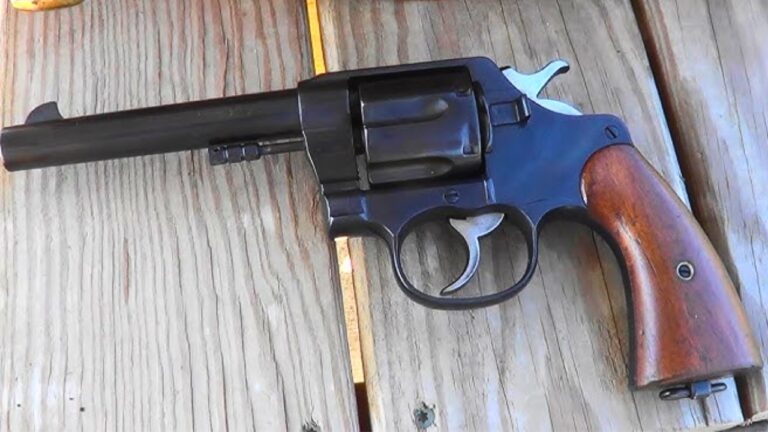
Photo credit: Asif Naseem Photographer/Shutterstock.com
Some pistols stay tight no matter how many rounds you send downrange. Others start rattling before you even make it through a full box of ammo. It doesn’t always mean they’re unusable—but when parts start shifting, screws start backing out, and the slide starts feeling like it’s riding on gravel, your confidence takes a hit. This stuff doesn’t show up on a spec sheet or a dealer’s tag. You only find out when your range bag fills with Loctite and your grip panels feel like they’re held on with hope. If you’ve spent any time actually carrying, shooting, or training with handguns, you’ve probably met a few of these.
Kimber Ultra Carry II

This compact 1911 looks sharp and feels great—right up until you run it hard. The lightweight frame and short barrel make it snappy, and all that movement starts to wear things out faster than you’d like. Slide fit, grip screws, and even safeties have been known to loosen up before you hit 500 rounds.
You can keep it running with a regular maintenance routine and a bottle of thread locker, but most folks don’t want to have to retighten screws every time they clean their pistol. It’ll serve you for a while—but expect to keep a tool kit handy.
Taurus G3C

The G3C offers a decent trigger and good capacity for the price, but it’s not exactly built for long-term abuse. After a few hundred rounds, you may notice the rear sight drifting, pins walking, and even the takedown mechanism getting sticky. The controls start to feel less crisp, and the frame-to-slide fit gets sloppy.
It’s a pistol that runs okay in short bursts, but if you’re expecting it to hold up like a duty-grade handgun, you’ll be disappointed. It’ll shoot. But it won’t stay tight for long—especially if you carry or train regularly. Eventually, it feels like it’s shaking itself apart.
Rock Island M200
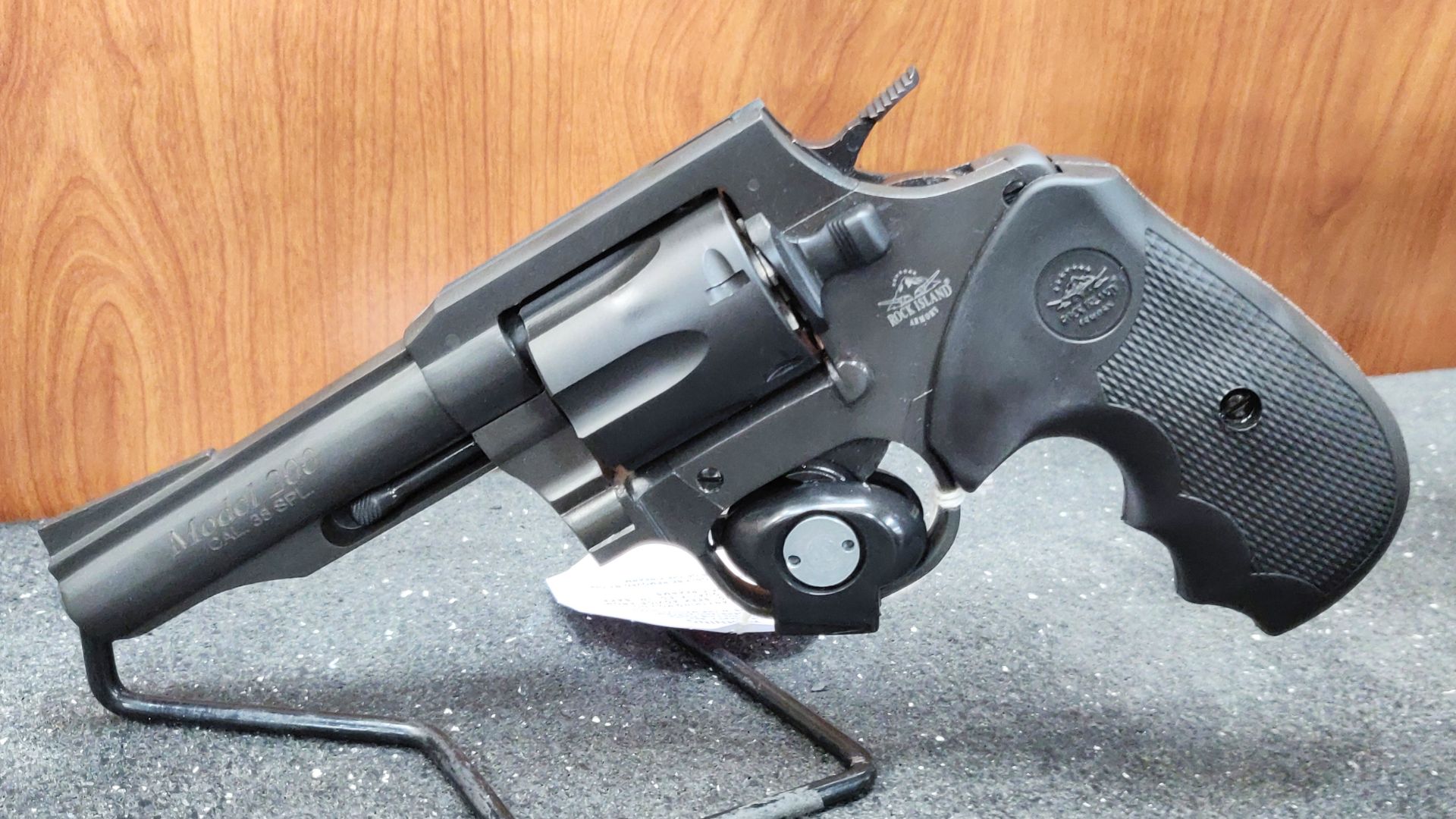
This budget .38 Special revolver looks like a good deal, and for light use, it might be. But after regular shooting, the cylinder lock-up starts to feel mushy, the trigger gets inconsistent, and the crane and yoke don’t always stay aligned.
Revolvers aren’t immune to wear, and when the frame and internals are made to hit a price point, things start moving that shouldn’t. The sights can also come loose, and timing may start drifting if you’re not careful. It’s not a revolver you pass down. It’s one you babysit—until it shakes itself loose and earns a permanent spot in the back of your safe.
SCCY CPX-2

The SCCY CPX-2 is often chosen for budget carry, but it’s known to rattle early and often. Grip pins work loose, frames flex under recoil, and the long trigger pull doesn’t help matters. It might get through a few range trips without complaint, but once you start carrying or training with it, things get soft.
Even the slide can develop noticeable slop, especially with hotter loads. It’s not a gun that falls apart overnight, but you start noticing more play and less confidence with every box of ammo. If you’re shooting more than once a season, you’ll feel it sooner than later.
KelTec P11
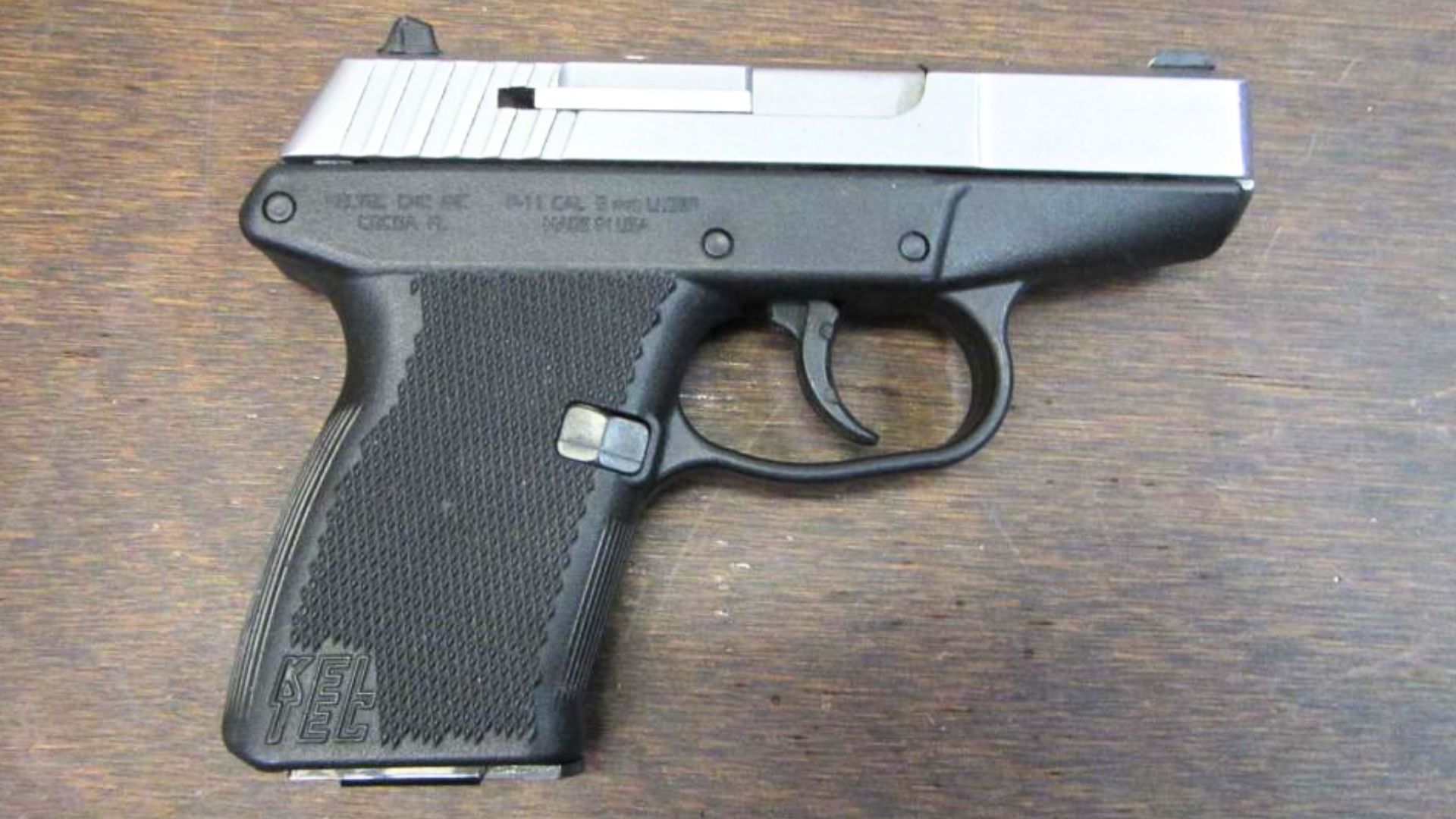
The P11 is compact and affordable, but the tradeoff shows up fast. Its long trigger is hard to manage, and the more you shoot, the more you’ll notice the slide wobble, grip pins shift, and magazine release feel inconsistent. This isn’t a high-round-count pistol—it’s a “last resort” type of tool.
Holster wear doesn’t help either. The polymer frame starts looking rough, and tolerances open up. It’ll fire when you need it to, but by the time you hit a few hundred rounds, you’re spending more time tightening screws than shooting. It’s a gun that loosens itself into retirement.
1911s with Alloy Frames
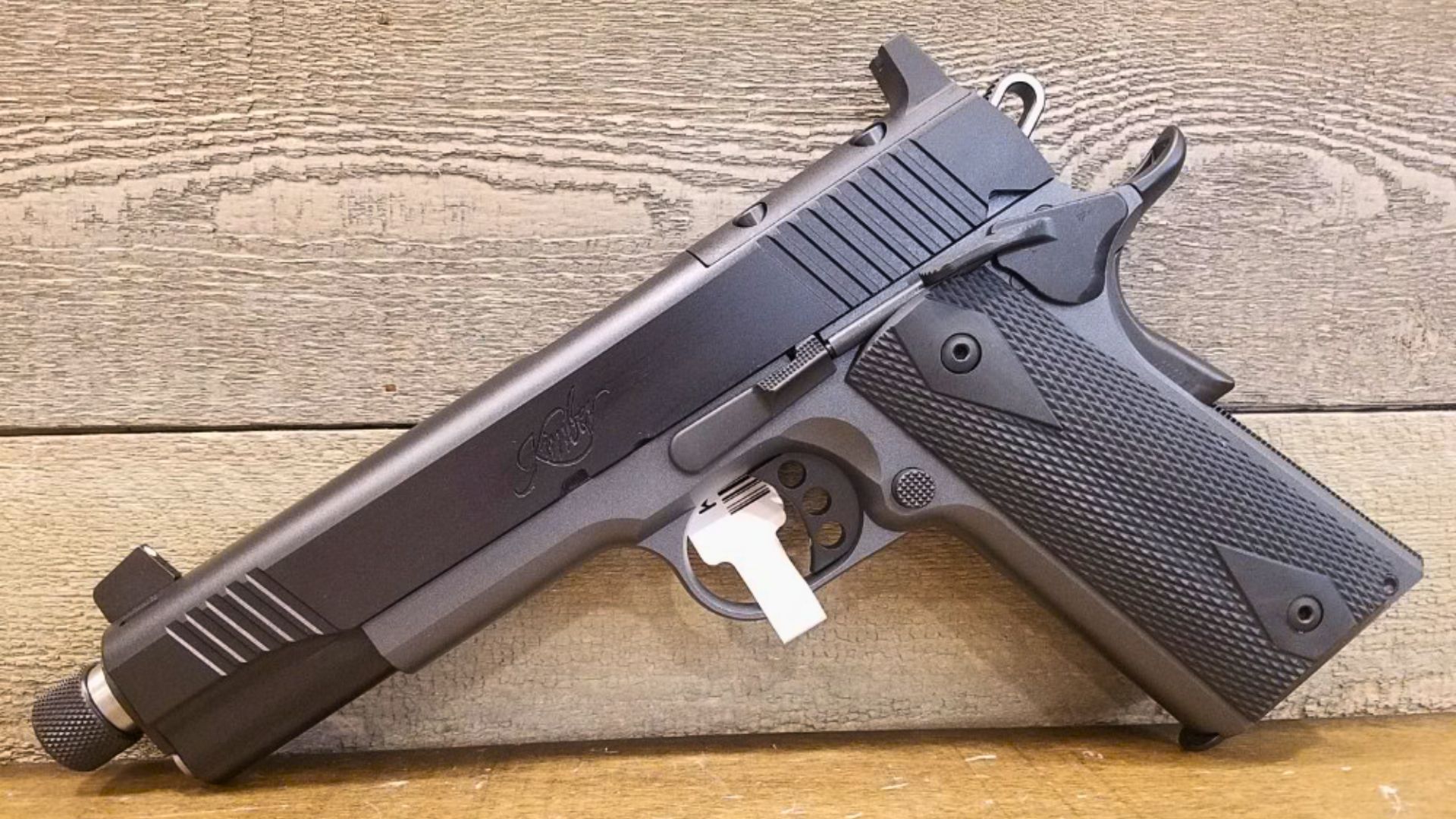
Lots of brands offer aluminum-frame 1911s to shave weight, but that weight loss comes with faster wear. Feed ramps can deform, slide rails loosen up, and grip bushings start to feel like they’re hanging by a thread. You feel every shot in your hand—and your frame feels every shot in the rails.
It doesn’t matter whether it’s a Colt, Springfield, or some boutique brand—lightweight 1911s rattle faster than their steel counterparts. You can keep them running, but they require constant upkeep. And if you run them hard, don’t be surprised when your slide fit goes from tight to sloppy in a hurry.
PSA Dagger

The Dagger gets attention for its Glock-like compatibility and low price, but it’s not a Glock. Some hold up well. Others start loosening around the slide, sights, and trigger pins before you hit the 1,000-round mark. Slide-to-frame fit gets noticeably loose if you’re training weekly.
It’s fine for casual use, but the build quality can be inconsistent. I’ve seen rear sights drift out after a few range sessions and trigger assemblies feel gritty after light use. If you’re expecting long-term reliability without maintenance, it’s going to shake you out of that mindset fast.
ATI FXH-45
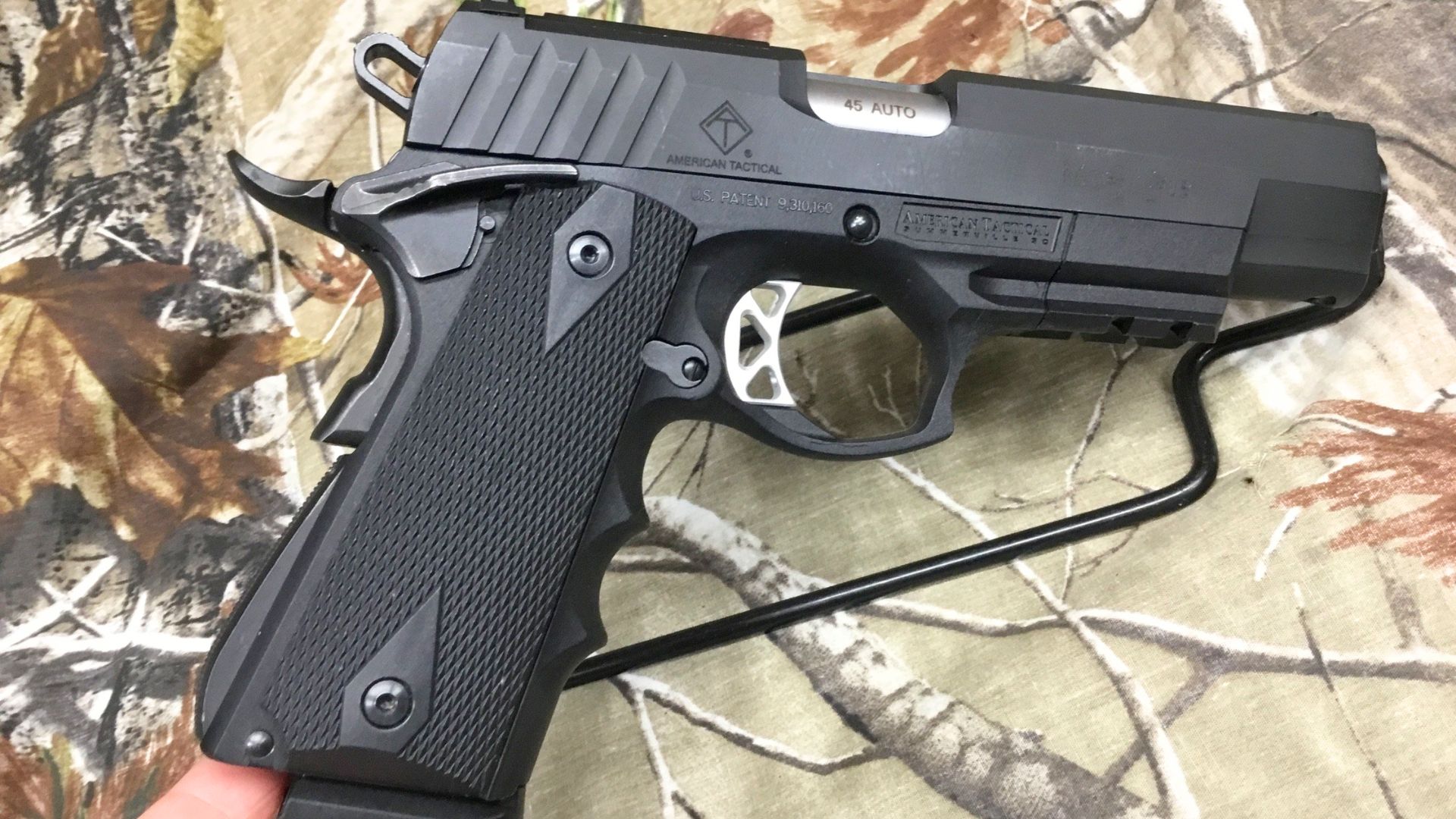
This polymer-framed hybrid 1911 seems like a clever idea—until you shoot it enough. That polymer flex under recoil translates into premature wear, and the slide-to-frame connection starts to feel spongy. Sights work loose, and controls don’t stay crisp for long.
The weight savings come at the cost of durability. I’ve seen these pistols go soft in less than a season with regular use. It’s a unique pistol, sure—but if you’re expecting it to feel like a steel 1911 after a few hundred rounds, you’re going to feel let down by the play that creeps in.
Zastava M88A
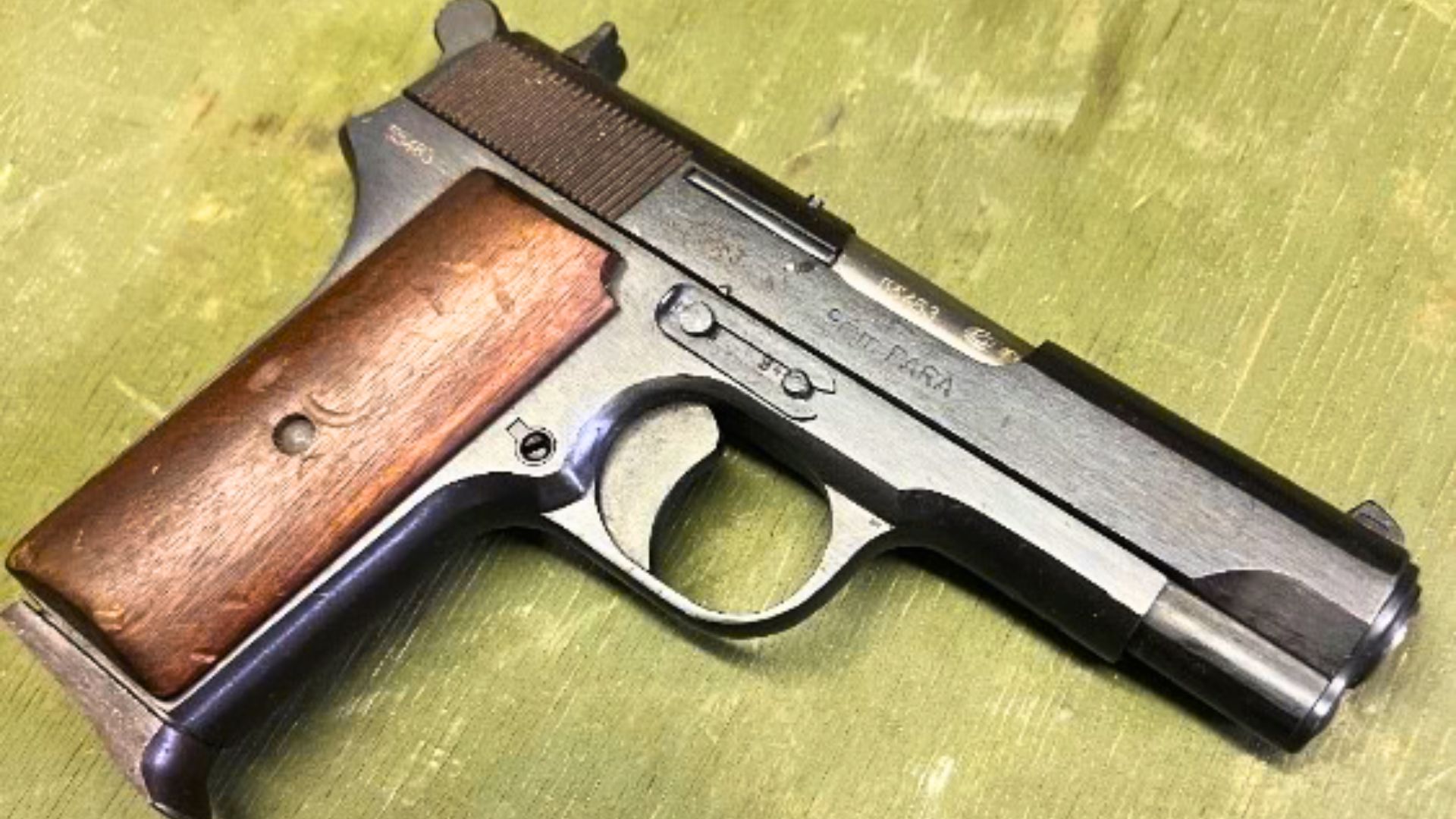
The M88A has old-school military charm, but it’s not a modern duty pistol. The roll pins and frame-to-slide fit start drifting early, and the hammer assembly tends to loosen after a few hundred rounds. It’s compact and rugged-looking—but looks aren’t everything.
You’ll notice small issues first. Then you start seeing groups open up and reliability slip. It doesn’t fall apart all at once, but the wear is obvious if you shoot it consistently. It’s the kind of pistol that feels solid until you treat it like a daily shooter. Then the shake starts.
Bersa Thunder .380

Plenty of folks love the Bersa Thunder for its price and shootability. But frequent use exposes its weak spots. The slide starts to feel loose on the frame, the safety can wear down quickly, and grip screws have a bad habit of backing out.
It’s not that it’s unreliable, but the build quality wasn’t designed for high round counts. Carry it daily, train monthly, and by the end of the year, it’ll rattle more than it did out of the box. It’ll still go bang—but it won’t feel like it used to.
Walther P22
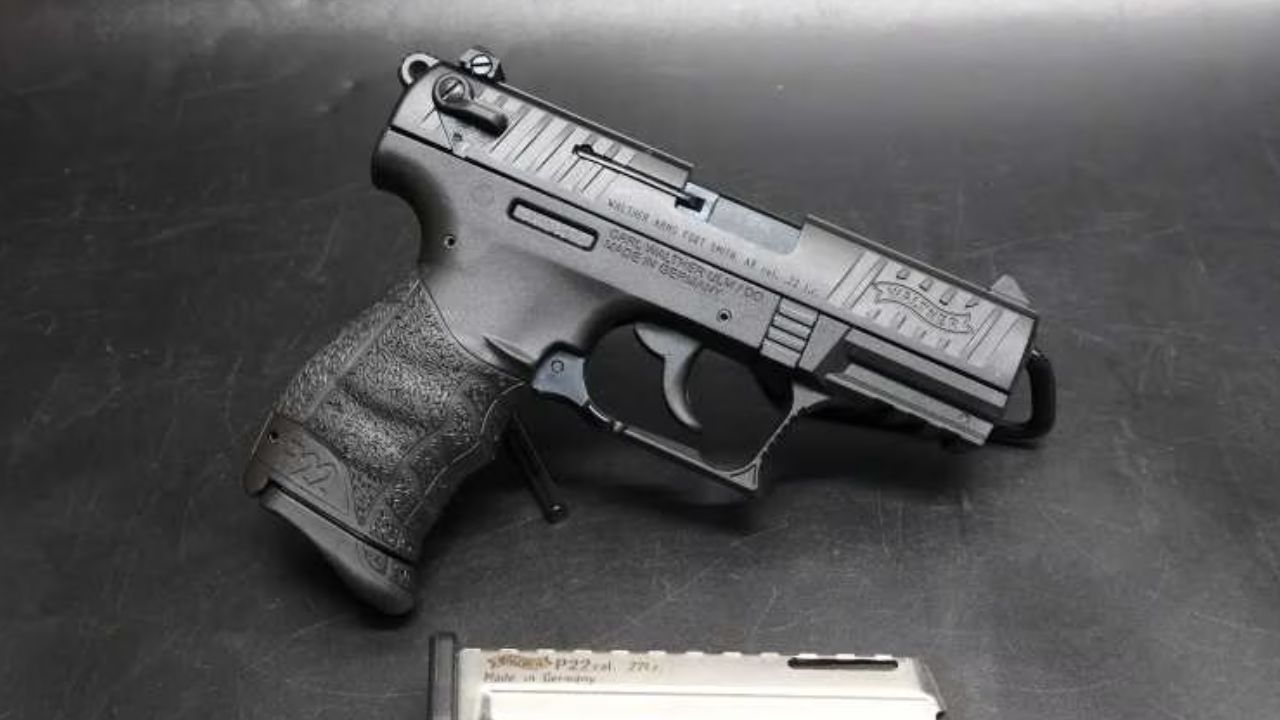
The P22 is fun to shoot and looks good on paper, but even a few bricks of ammo can reveal some fit and finish issues. Slide-to-frame wear shows up quickly, screws start working loose, and the guide rod system isn’t always happy under repeated use.
It’s a training pistol at best—not something built for serious longevity. After enough range time, you’ll start hearing more rattle than you’d like. It’s not falling apart, but the signs are there. If you want something to stay tight, the P22 probably won’t make it through the season without some play.
Diamondback DB9

The DB9 is incredibly small and light, but it shakes itself loose faster than just about anything on this list. Recoil is sharp, pins start walking early, and even sights can drift if you’re not watching closely. It’s not made for high volume. It’s barely made for medium volume.
It carries well. It disappears in your pocket. But once you start training with it regularly, you’ll notice the grip frame loosening up, trigger feel changing, and confidence fading. It’s the definition of carry a lot, shoot a little—and if you flip that, things go south in a hurry.
Like The Avid Outdoorsman’s content? Be sure to follow us.
Here’s more from us:
The worst deer rifles money can buy
Sidearms That Belong in the Safe — Not Your Belt
*This article was developed with AI-powered tools and has been carefully reviewed by our editors.