Photo credit: NRApubs/YouTube
Deer rifles get talked up all the time—usually for accuracy, value, or ruggedness. But plenty of rifles out there consistently disappoint once you take them past the shop counter. Some look sharp on the rack but open groups wider than a paper plate. Others fall apart once you start hiking with them, or shift zero after a few bumps in the truck. A good deer rifle doesn’t need to be expensive, but it does need to be dependable. When you’re sitting in the woods before daylight, you want a rifle that fires when it should, prints where you expect it, and shrugs off the kind of weather deer season always seems to bring. These rifles are the ones that fall short more often than they should.
Remington 770
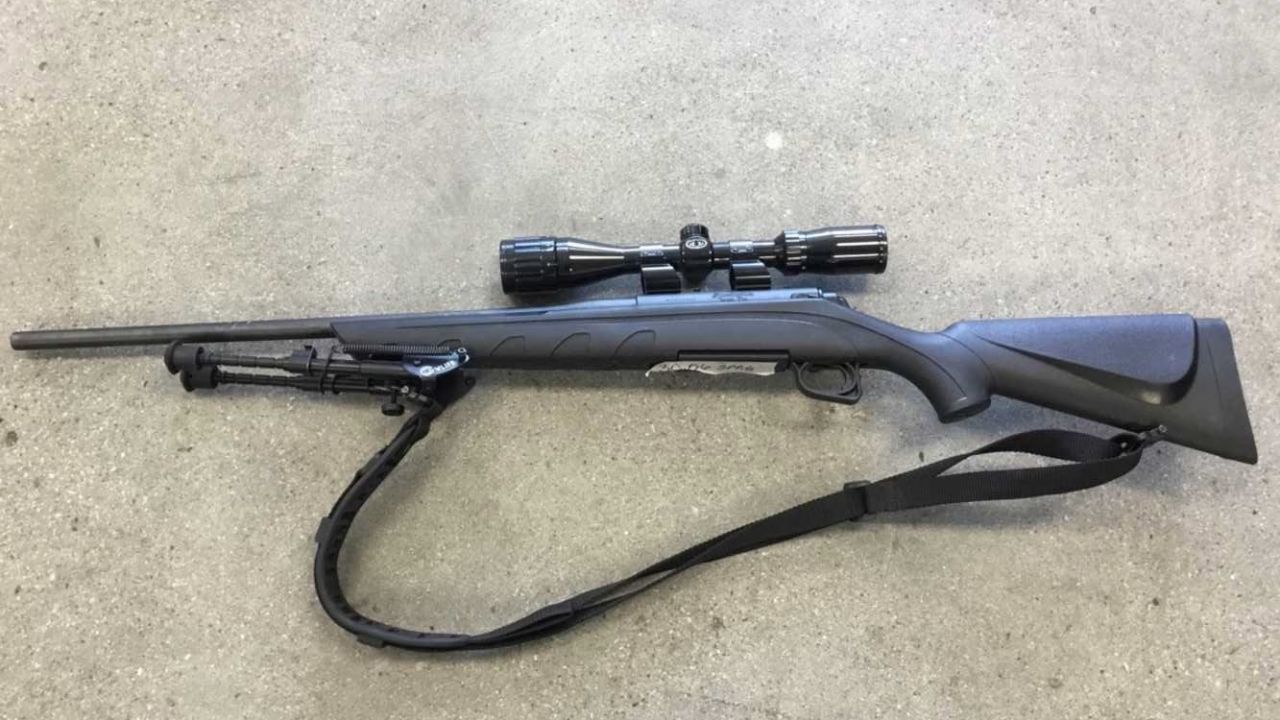
The Remington 770 tried to offer an affordable package for new hunters, but the shortcuts show fast once you start using it. The bolt feels gritty, extraction can be sluggish, and the factory scope rarely holds zero through a full season. Even with decent ammunition, the rifle tends to open up groups beyond 100 yards. Many shooters report wandering impacts after minor bumps, which is a deal-breaker for anyone hunting from a stand or still-hunting through thick cover.
The stock flexes more than most budget rifles, and that inconsistency shows up on paper. While the 770 might seem like a cost-saver, it ends up frustrating hunters who expect dependable accuracy. When you need a rifle that performs under real conditions, it simply doesn’t rise to the occasion.
Mossberg 715T (.22 LR)

The Mossberg 715T looks like a tactical rifle, which convinces some new hunters it might be suitable for deer when paired with hot .22 LR loads. But it’s nowhere close to a deer-capable rifle. Accuracy varies wildly between rifles, and the lightweight bullets lack the penetration needed for consistent, ethical kills. Even at close range, the .22 LR drops velocity fast and struggles to reach vital organs reliably.
The design itself isn’t geared toward big-game performance. Feed issues aren’t uncommon, especially with bulk ammo, and the rifle doesn’t offer the consistency you need when a deer steps out at first light. It’s a fun plinking rifle, but it’s nowhere near capable of handling deer season. Some hunters try anyway, and that’s when the problems start.
Ruger American Ranch in 7.62×39 (with steel-case ammo)

The rifle itself is far better than most of the guns on this list—but the combination of this platform and cheap imported ammo is where things fall apart. Steel-case loads often shoot unpredictable groups, and the soft-point options vary in quality. Hunters expecting .30-30-level performance are usually disappointed. The Ranch rifle is accurate with proper ammunition, but many shooters never feed it anything better than bargain FMJ, and that’s where accuracy and terminal performance vanish.
Hard primers can also lead to light strikes if the rifle isn’t perfectly clean. When accuracy drops below confidence level, ethical shots become risky. The platform is solid, but when paired with the wrong ammunition, this becomes one of the most misleading rifles you can take into the deer woods.
CVA Hunter (basic single-shot trims)
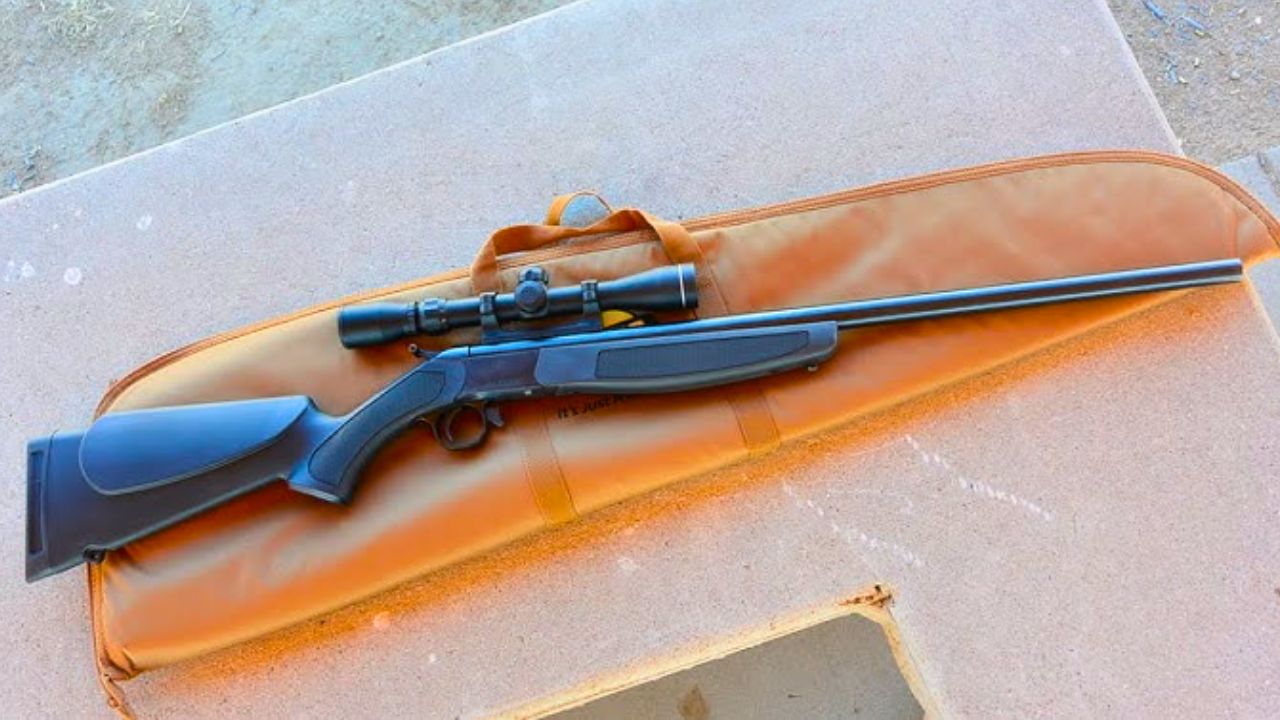
The CVA Hunter is marketed as a budget single-shot that’s lightweight and easy to carry. But lightweight doesn’t equal dependable. Many shooters report inconsistent accuracy from rifle to rifle, especially in calibers producing more recoil than the stock design handles well. The short barrels limit velocity, and some models suffer from rough triggers that make precision tougher than it should be.
Scope mounting can also be tricky due to variations in rail alignment. After a few hikes in wet weather, surface rust isn’t uncommon unless you stay on top of maintenance. The rifle isn’t unsafe, but it can leave you guessing about group size on any given day. When deer season is short, guessing isn’t what you want in your pack.
Winchester XPR (early production issues)

The Winchester XPR eventually turned into a respectable rifle, but the early runs left more than a few hunters frustrated. Some models experienced bolt binding under cold conditions, and accuracy varied enough that you couldn’t trust your zero after carrying it through rough country. The factory stocks had noticeable flex, which affected consistency when shooting from a rest.
While improvements have been made, plenty of those early rifles are still circulating at gun shops. If you get a good one, it performs well for the price. But if you end up with one of the problem rifles, it becomes a season-long headache. When your shot window is measured in seconds, you don’t want to wonder whether your rifle decided to shift point of impact again.
Marlin Model 995
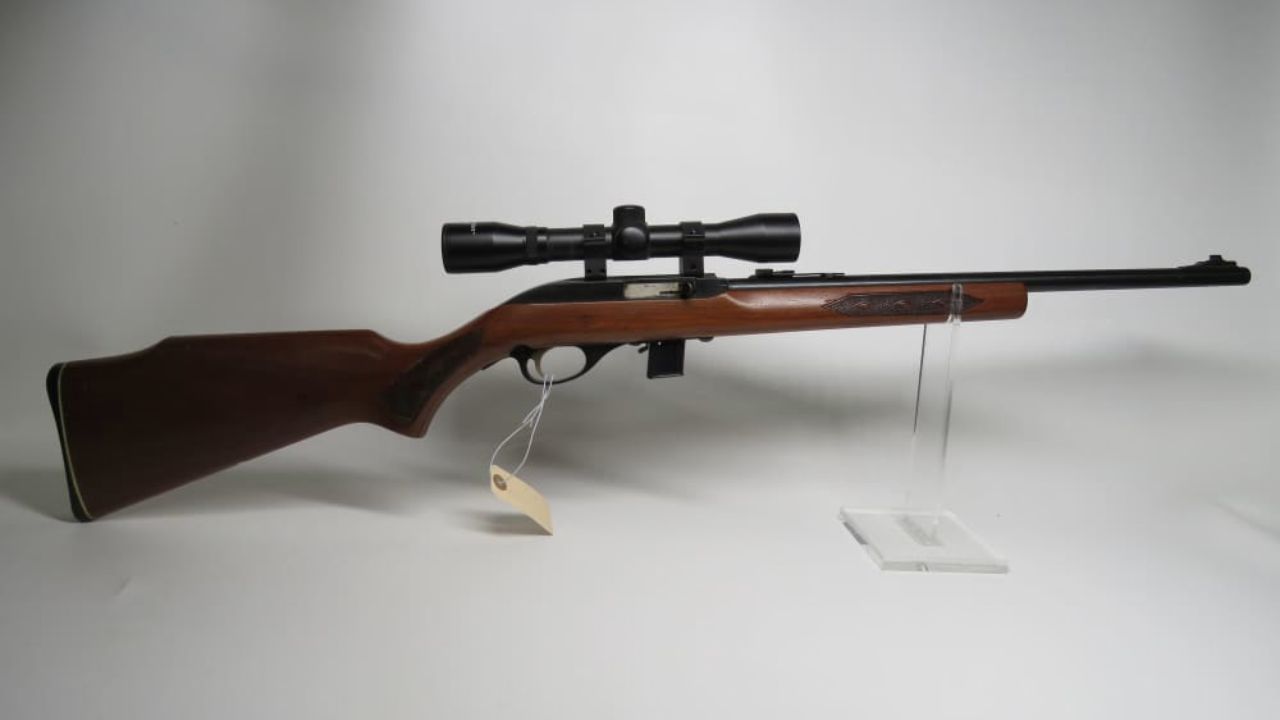
The Marlin 995 is a fun rimfire, but it’s not suited for deer hunting despite its semi-auto appeal. The rifle was never designed to maintain tight groups past 50 yards, and accuracy with different ammunition types can vary massively. Feeding problems are also common in older examples, especially when magazines wear out or get exposed to dirt and debris.
Some hunters try stretching the rifle into deer use by pairing it with high-velocity .22 LR loads, but those rounds still lack the penetration required for whitetail. In real deer conditions—angled shots, thicker muscle, and bone—the bullet performance breaks down fast. It’s a nostalgic rifle, but not a field-reliable option for deer season.
H&R Sportster
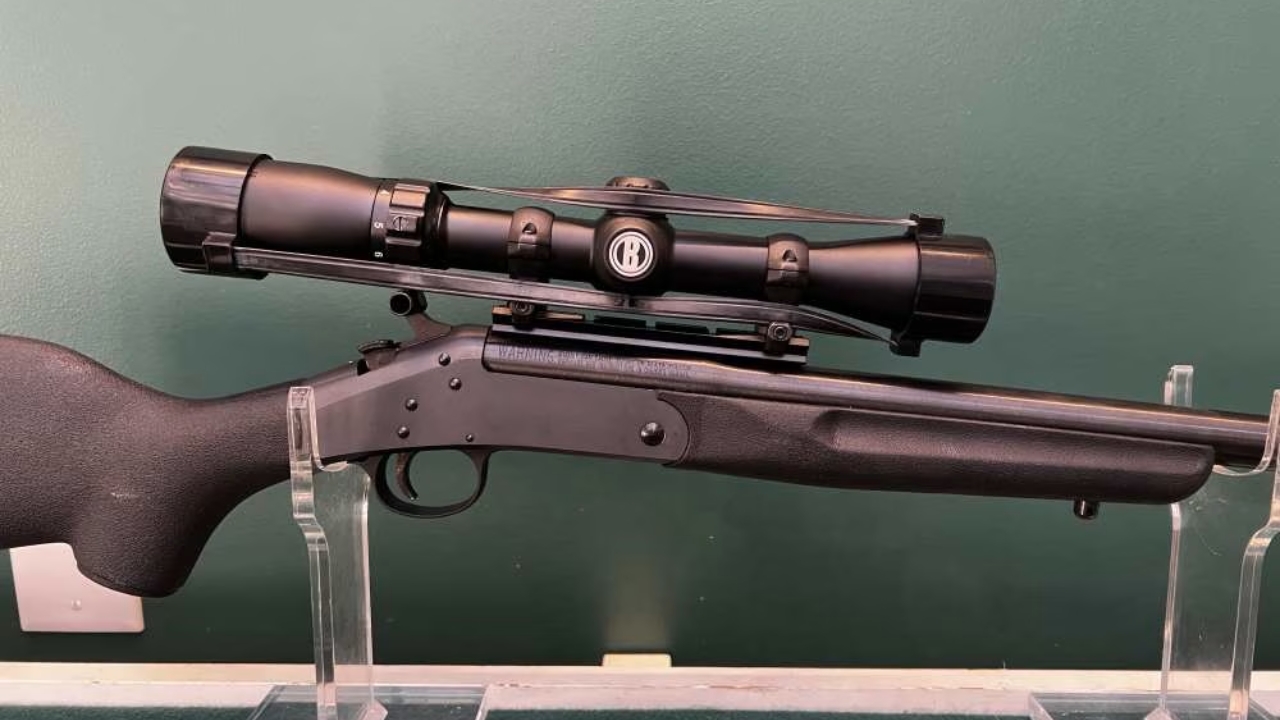
The H&R Sportster was a simple, inexpensive single-shot rimfire. While charming in its own way, it doesn’t belong in the deer woods. The trigger varies widely between rifles, and the lack of a solid recoil pad makes larger calibers unpleasant to shoot. Accuracy is inconsistent past typical rimfire distances, and the rifles can struggle to stay stable in cold or wet conditions.
The Sportster’s design also limits quick follow-up shots, and the lockup can loosen over time if it’s used heavily. When a deer steps out and gives you one chance at a clean shot, you want a rifle with predictable performance. The Sportster might be fun for plinking, but it falls short for deer hunting.
Remington 742 Woodsmaster (worn examples)

A clean, well-maintained 742 can still drop deer today. But worn rifles—and there are many—have serious reliability problems. The locking lugs wear unevenly, extraction becomes unreliable, and accuracy degrades as the action loosens with age. Many 742s found in pawn shops or inherited from relatives are already on their last legs mechanically.
Failures to extract are the most common issue, and they tend to happen at the worst possible moment. Hunters who take these rifles into the woods without inspecting their condition often end up with jammed actions and wounded deer. The 742 deserved its popularity decades ago, but too many of the surviving rifles are past their functional lifespan.
Rossi R95

The Rossi R95 lever-action gained attention quickly, but early production rifles had rough actions, inconsistent accuracy, and feeding glitches—especially with certain bullet designs. While newer production seems improved, many of the first-run rifles struggled to hold respectable groups past 100 yards.
Loose screws and shifting sights weren’t uncommon either, which leads to point-of-impact drift during the season. A lever gun should be dependable in the field, but some R95s required constant tweaking to stay on track. If your rifle needs to be babysat more than shot, it doesn’t belong on a deer hunt.
AK-pattern rifles in 7.62×39 (with factory irons)

The rifles themselves can be rugged, but their practical accuracy often disappoints new hunters. Most AKs were never designed to produce tight hunting groups, and many run loose tolerances and less-than-ideal trigger setups. Combine that with short sight radius and crude factory irons, and your accuracy falls apart fast beyond 75 to 100 yards.
With proper optics and good ammo, accuracy improves—but most hunters try to run these rifles as-is. That leads to wandering groups, inconsistent impacts, and lost confidence during the season. The AK platform brings reliability, but not the precision you need for clean deer kills.
Remington Model 710

The 710 earned a rough reputation for a reason. The injection-molded stock feels flimsy, the bolt operation is sloppy, and the factory scope mounts often need reworking before they’re trustworthy. Group sizes tend to widen quickly as the barrel heats, and many rifles never shoot better than “minute of deer,” even with premium ammunition.
Longevity is another concern—some 710s show wear after a surprisingly low number of rounds. Hunters wanting a reliable entry-level rifle usually discover that there are far better options in the same price range. The 710 doesn’t offer the accuracy or durability needed for dependable field use.
Savage Axis (first generation)

The Axis series eventually improved, but the first-generation rifles had stiff triggers, flexing stocks, and inconsistent accuracy. The action is strong, but everything surrounding it—stock rigidity, trigger quality, scope bases—felt like it barely met the minimum. In cold weather, the factory trigger pull felt even heavier, which made precision tougher.
Some rifles shoot surprisingly well, but others refuse to tighten groups regardless of ammunition choice. With newer models fixing many of these problems, the original Axis rifles stand out as budget guns that often underperform in the deer woods. If you grab one from a used rack, you might inherit somebody else’s frustrations.
Chinese SKS (rough imports)

Some SKS rifles are solid, but many of the rougher imports suffer from poor accuracy, worn bores, and inconsistent triggers. Add in cheap steel-case ammunition and heavy, spongy stocks, and you’re left with a rifle that’s barely capable of dependable groups past 75 yards. While the SKS is reliable mechanically, it isn’t known for precision.
Hunters who expect 150-yard consistency often end up disappointed. The rifle’s charm is its history and ruggedness, not its accuracy. When you’re trying to take a deer cleanly, you want a rifle that doesn’t require guesswork or luck.
Winchester Model 190 (.22 LR)
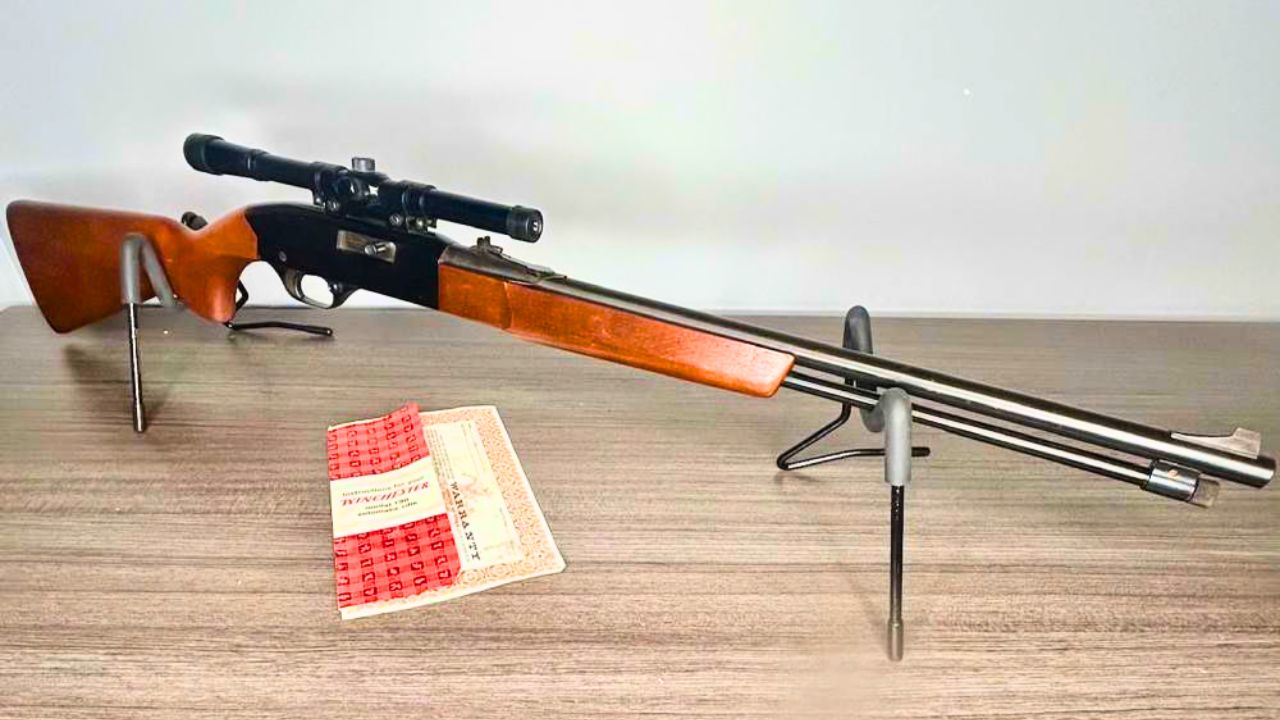
The Winchester 190 is an old semi-auto rimfire, and many examples circulating today are worn out. They often suffer feeding issues, inconsistent accuracy, and weak cycling with modern ammunition. While nostalgic and enjoyable to shoot for recreation, the rifle is nowhere near dependable enough for deer.
The .22 LR itself lacks the energy for ethical kills, and combining that with a rifle known for inconsistent performance only increases the risk. Hunters who attempt to stretch the 190 past small-game roles quickly learn its limitations. It’s a fun plinker—not a deer rifle.
Marlin Model 60 (as a deer rifle)
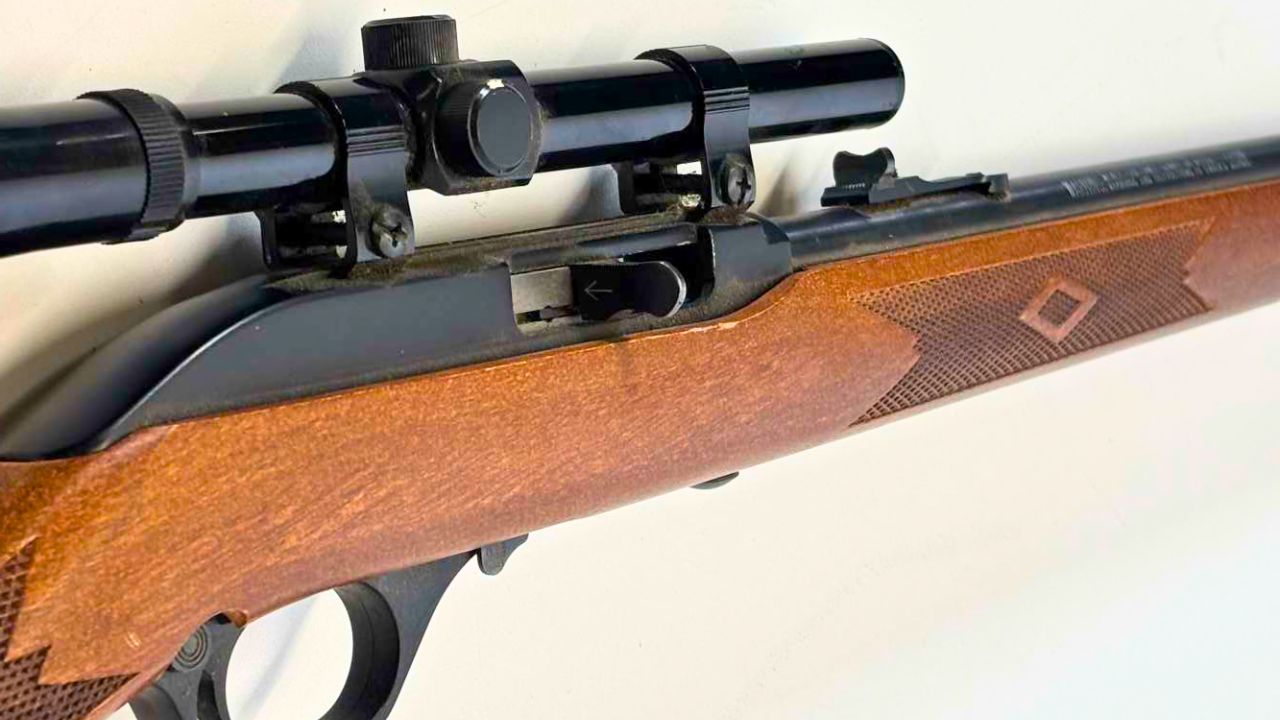
The Marlin 60 is one of the most beloved rimfires of all time, but some inexperienced hunters still try to use it on deer. Even with its reputation for reliability and accuracy in the small-game world, it falls far short on penetration and terminal performance for whitetails. The tubular-fed semi-auto action was never designed for the conditions or demands of deer season.
Using the Model 60 for deer is tempting because many hunters grew up with one, but nostalgia can’t make up for what the round and rifle lack. It’s perfect for rabbits and squirrels, but taking it into the deer woods almost always leads to disappointment.
Like The Avid Outdoorsman’s content? Be sure to follow us.
Here’s more from us:
The worst deer rifles money can buy
Sidearms That Belong in the Safe — Not Your Belt
*This article was developed with AI-powered tools and has been carefully reviewed by our editors.