Photo credit: Oasishifi/Shutterstock.com
Online reviews are often early impressions: “200 rounds, no issues,” “feels great in the hand,” “best value ever.” That’s not the same as living with a pistol for a year, carrying it, training with it, and seeing what breaks, what wears, and what starts annoying you.
These are pistols that often get glowing hype online but end up disappointing real owners once the honeymoon ends.
Taurus G3 / G3C

The G3 series gets a ton of praise for price-to-features. Then real life shows up: inconsistent triggers, uneven QC from gun to gun, and a shooting experience that often feels less refined than the internet makes it sound. Many run fine—some don’t—and that variability is the problem.
A carry pistol can’t be “mostly fine.” It needs to be boringly reliable and easy to train with. Many G3 owners eventually upgrade once they’ve shot a Glock, M&P, or SIG and realize what “refined” actually feels like.
Taurus GX4
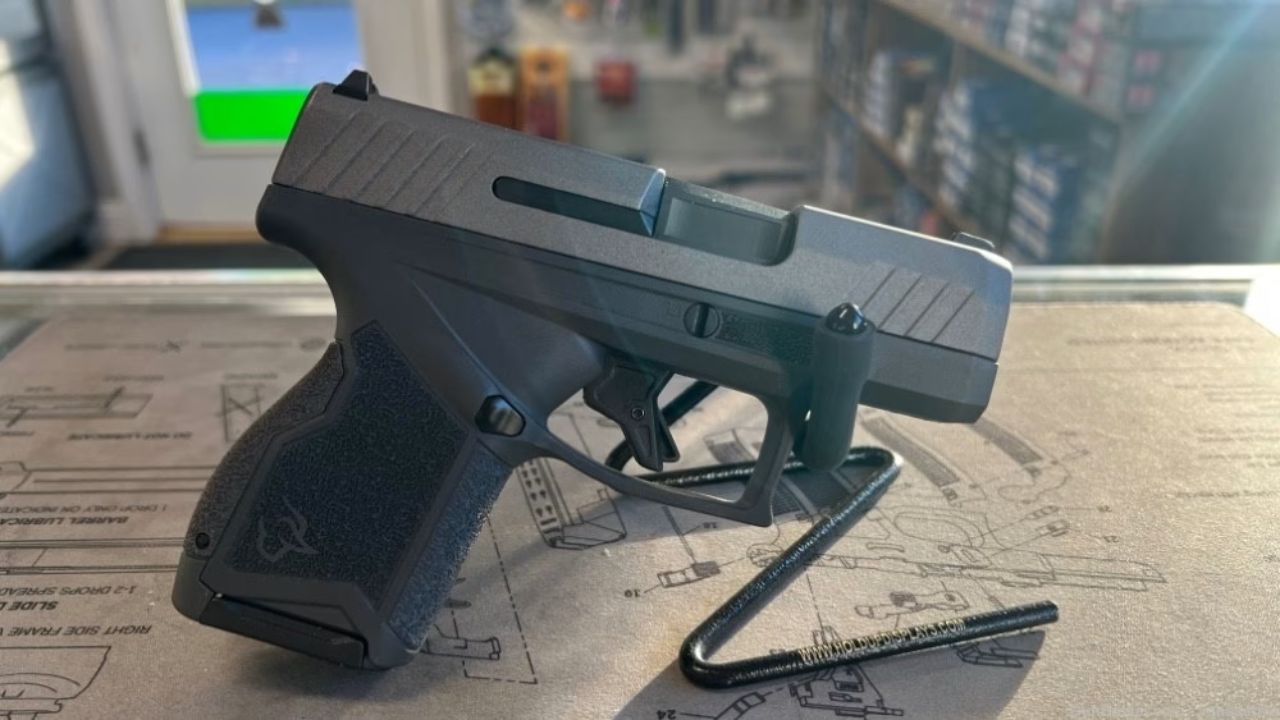
The GX4 got early hype as a micro-compact value play. For some owners, it’s been fine. For others, the reality has included issues that don’t show up in first-week reviews: reliability quirks, parts concerns, and an overall “I’m not betting my life on this” feeling.
Micro pistols already demand good fundamentals. If the gun also carries a question mark in consistency, it stops being a “steal” and starts being a risk.
SCCY CPX-2
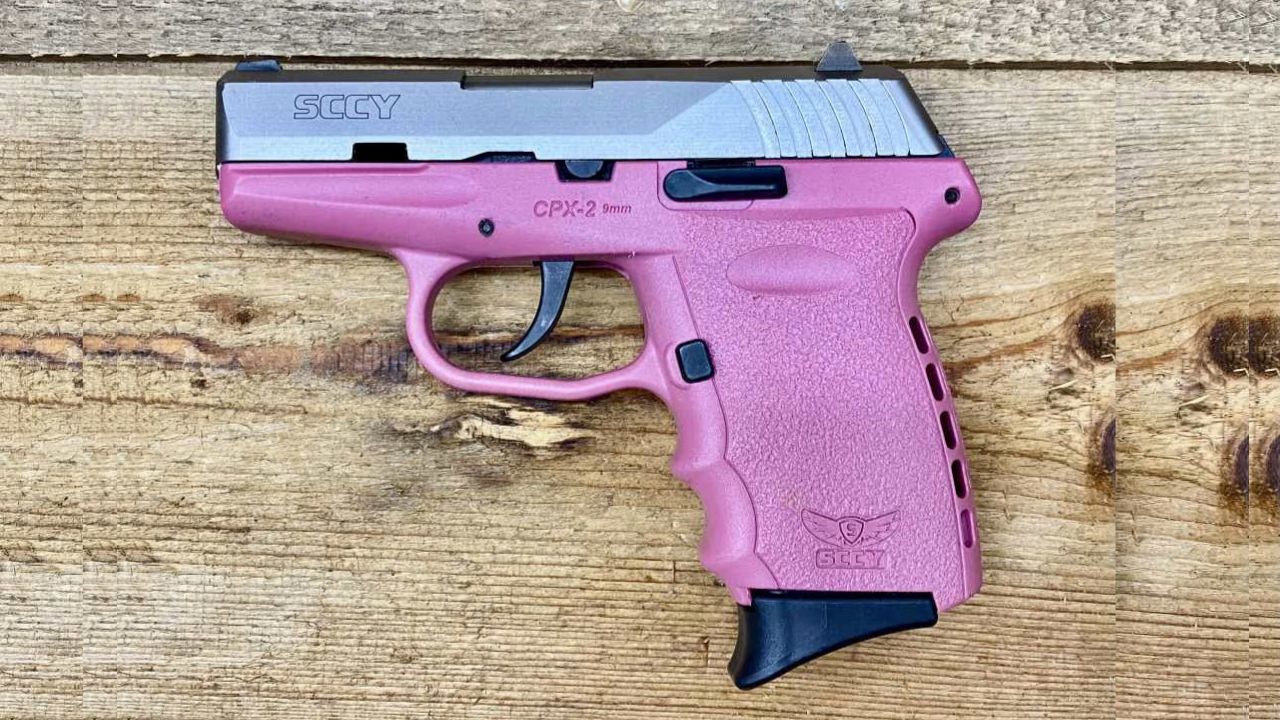
Online defenders love to say “it goes bang and it’s cheap.” Real owners often discover the trigger is a serious barrier to good shooting. If you can’t shoot it accurately at speed, you’ll either stop training or you’ll replace it.
That’s the common CPX-2 story: bought because it was affordable, sold because it wasn’t enjoyable or confidence-building. Reviews don’t always capture that long-term relationship.
Kimber Micro 9

The Micro 9 gets praised for looks and carry feel. Then owners run into the realities of small 1911-ish pistols: ammo sensitivity, spring schedules, and the fact that tiny pistols are less forgiving. Some run great. Enough don’t that “online hype” turns into “I’m over it.”
A lot of Micro 9 owners end up switching to a boring striker gun because boring striker guns don’t require constant attention to stay trustworthy.
Kimber Ultra Carry II (3-inch 1911)

Short 1911s get reviewed like they’re magic: “so small, so accurate, so smooth.” Then you start putting real rounds through them, and timing/spring/magazine sensitivity becomes part of ownership. A 5-inch 1911 can be extremely reliable. A 3-inch version lives in a tighter window.
The online reviews often don’t include enough time and enough round count to show the long-term quirks. Many owners eventually admit they love the idea more than the reality.
Springfield XD-S
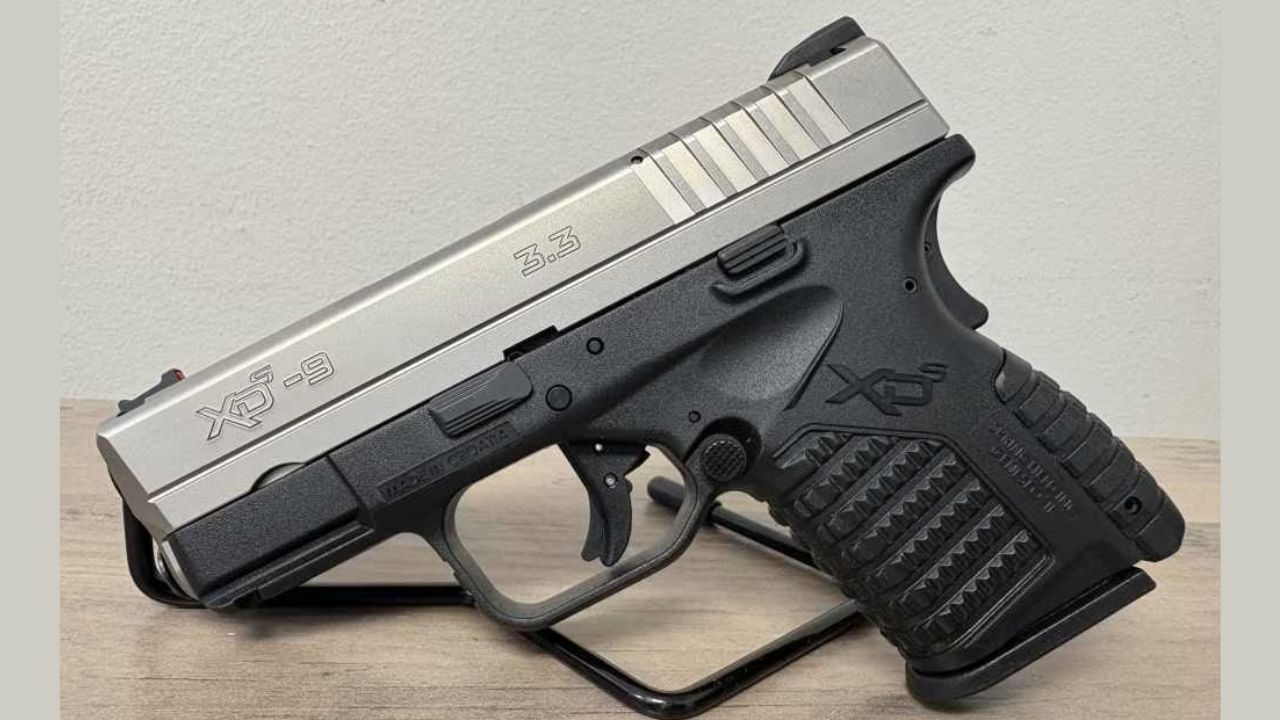
The XD-S has a loyal following, and reviews often talk about how “perfect” it is for carry. Real owners commonly report that it’s snappy, less pleasant to train with, and harder to shoot well than the hype suggests—especially compared to newer micro-compacts.
A carry gun you don’t practice with becomes a problem. Many XD-S owners quietly move on to something they actually enjoy shooting.
SIG Sauer Mosquito

The Mosquito gets sold on the SIG name, and online reviews often focus on “it’s fun” rather than “it’s consistent.” Real owners run into ammo pickiness and reliability problems that make it a frustrating trainer. Fun becomes annoying fast when you’re clearing stoppages all session.
Most people eventually replace it with a Ruger Mark IV or a Buck Mark and wonder why they didn’t do that sooner.
Walther P22
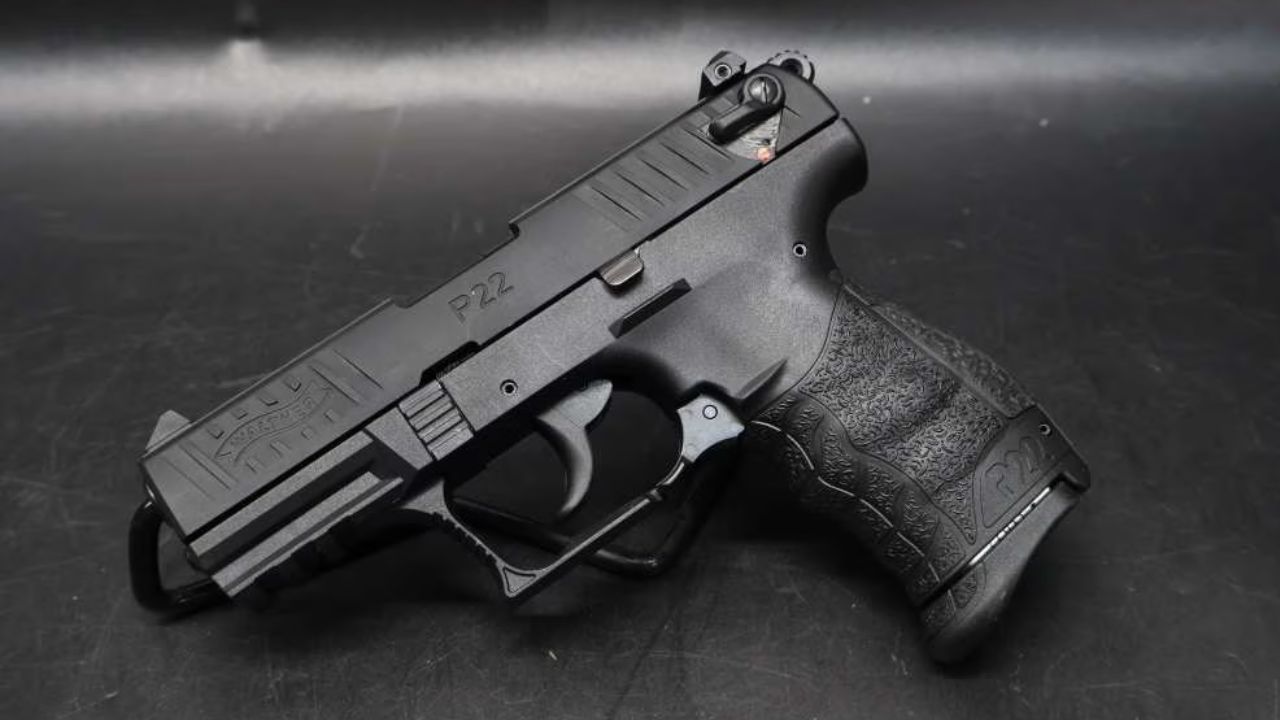
Same situation: lots of hype as a cheap, fun .22. Long-term owners often discover it’s picky and needs frequent cleaning to stay happy. That’s not what most people want from a trainer pistol. It’s supposed to be the easy one.
Online reviews can be overly forgiving because the gun is “cute” and inexpensive. Real ownership is less forgiving.
Ruger LCP (Gen 1)

The LCP gets praised as the ultimate pocket carry. And it can be—if you accept what it is. The problem is reviews often don’t hammer home how hard it can be to shoot well. Many buyers expect it to shoot like a compact 9mm. It doesn’t.
So owners end up disappointed: tiny sights, long trigger, and accuracy that demands real practice. The LCP isn’t a lie. The hype is the lie.
Bersa Thunder .380

People love the Thunder because it’s affordable and “classic.” Real ownership can reveal reliability and parts/support limits depending on the gun and how it’s maintained. Some run fine. Others become finicky, and owners realize there are better-supported options.
The online reviews often gloss over long-term support, holster availability, and how the gun holds up after heavy use. That’s where the Thunder can disappoint.
S&W Bodyguard 380

Reviews often sell it as a perfect pocket pistol. Many owners find it hard to shoot well, and some find reliability less confidence-building than expected. Tiny .380s are always a compromise. Reviews rarely emphasize how much training it takes to be competent with them.
A lot of owners upgrade to something like a P365-380 or a slightly larger gun because they want more shootability without losing concealment.
Remington R51

You’ll still find people defending the R51 online, but real-life ownership often includes trust issues. The platform’s history is hard to shake. If you don’t fully trust a pistol, it doesn’t matter what the internet says—your brain won’t let you carry it confidently.
That’s why it often ends up in the “cool idea, not my carry gun” category, even if it functions.
Beretta Nano

The Nano gets praised as sleek and simple. A lot of owners just don’t shoot it as well as other slim guns. When a pistol doesn’t point naturally for you and the trigger feel isn’t helping, accuracy suffers and confidence drops.
Online reviews can be warm because the gun looks great on paper. Real ownership is about performance in your hands.
Kahr CW9 / CM9
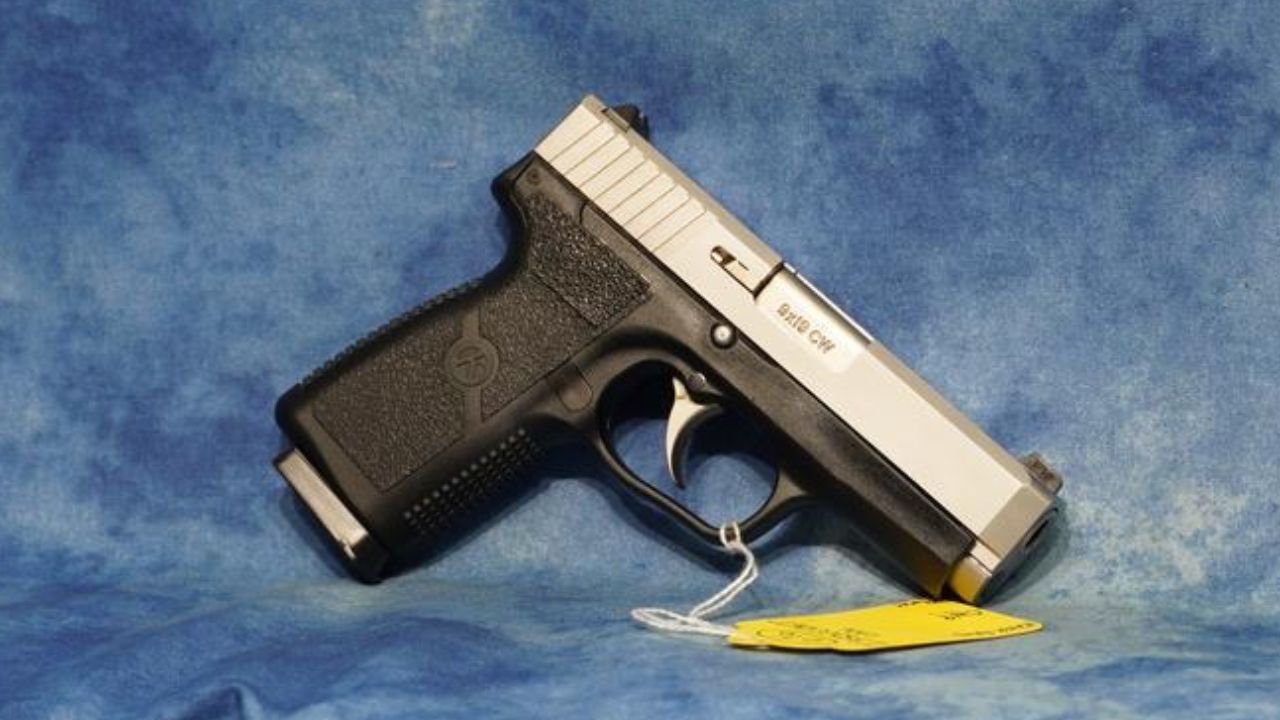
Kahr pistols get glowing reviews from people who love the long, smooth trigger. Many shooters never adapt to it and end up shooting worse than they do with striker pistols. Some Kahrs also come with a “break-in” expectation that turns buyers off.
Online, the narrative is “it’s worth it.” In real life, plenty of owners decide they don’t want a pistol that requires extra patience to become trustworthy.
Hi-Point C9

Online, people love defending the Hi-Point because it’s cheap and often runs. Real life carry and training exposes the truth: it’s heavy, bulky, and not pleasant to live with. It may be reliable, but the ownership experience is rarely what the reviews make it sound like.
A lot of Hi-Point owners keep it as a glovebox gun or a range curiosity, not as a serious everyday tool. That’s the gap between online praise and real-life behavior.
Like The Avid Outdoorsman’s content? Subscribe to our newsletter so you never miss an article.
Here’s more from us: