
There’s a pattern with some rifles: you fall for the specs, the price, or the looks—and then reality sets in. Maybe it’s the clunky action that wasn’t obvious in the store, or how it turns into a shoulder-bruiser after a full box of ammo. Sometimes it’s the trigger. Sometimes it’s the plastic furniture that creaks with every shift. You take it out a few times, try to bond with it, and then it ends up riding shotgun on every gun forum trade post.
Rifles like these tend to show their flaws fast. They look good on paper or in the gun shop, but once you’ve run a few rounds, cleaned it a few times, and taken it into the field, the shortcomings stack up. A lot of these rifles don’t age well in your collection—especially when something better comes along. Let’s get into the ones that start strong but don’t stay in your lineup for long.
Remington 770
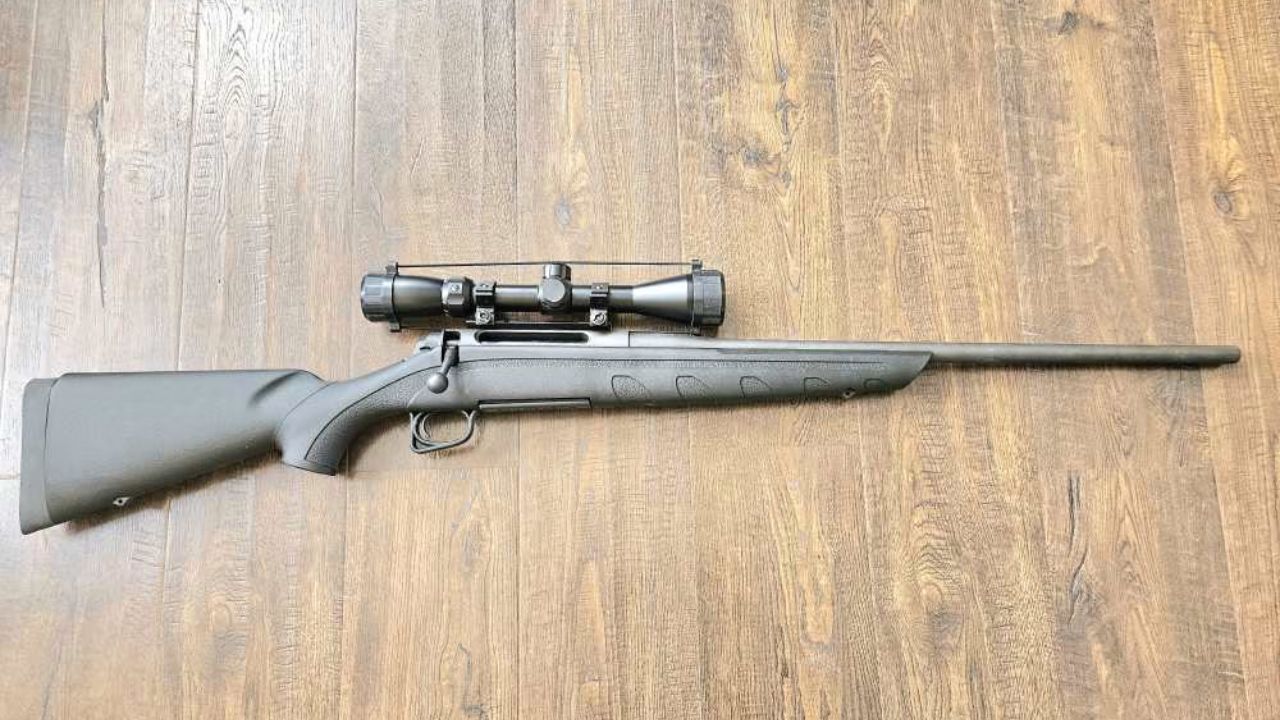
You might think you’re getting a budget sleeper, but it wears thin fast. The bolt feels like it’s dragging through gravel. The trigger’s stiff, and the stock flexes with every shift on the bench or in a blind. It might shoot okay out of the box, but consistency isn’t the 770’s strong suit.
After a couple range days, you’ll notice how often you’re fighting the action. Feeding and extraction aren’t confidence-inspiring. Even the scope it comes with is more of a placeholder than anything else. It’s the kind of rifle that works until you’ve handled something better—then it’s hard to look back. You’ll see them listed online with vague descriptions like “low round count” or “cleaned after every use.” That’s code for: I tried to like it, but I’m moving on.
Browning X-Bolt Speed

At first glance, it checks all the boxes: Cerakoted finish, fluted barrel, light weight. But after some time in the field, the shine wears off. The trigger is decent, but not great. The recoil pad looks soft, but doesn’t soak up much. The weight, while good for hikes, starts to feel twitchy on the shot.
Many guys buy this thinking it’s the next step up in their hunting game, but the price tag sets expectations too high. The stock has that hollow plastic feel, and accuracy can shift between sessions. It’s not terrible—it’s just not what folks hope for when they spend that kind of money. When they move on, they usually replace it with something heavier that actually holds tight groups.
Ruger American Go Wild

On paper, it’s a great setup: threaded barrel, camo stock, Cerakote. But over time, you start noticing the compromises. The action, while passable, never smooths out like you’d want. The magazine can be finicky, especially when feeding the last round.
The stock feels like it’s full of air, and under recoil, the rifle just doesn’t sit still. It works for close-range whitetails, sure, but push it past 200 yards, and the groups start to wander. The rifle doesn’t inspire long-term trust. Most guys keep it for a season or two before trading up to something with better glass bedding or a heavier barrel profile. The Go Wild hype fades faster than you’d think.
Mossberg MVP Patrol

It draws you in with that detachable mag and tactical vibe. Feels handy. Feels useful. But once you run it for a while, a few issues creep in. The bolt can be sticky, especially if you’re running it fast. The mags rattle and don’t always feed clean.
Accuracy is hit or miss depending on the ammo and how warm the barrel gets. The trigger’s not bad, but the overall feel of the rifle starts to feel clunky. It’s marketed as a crossover rifle—range toy and ranch gun—but it doesn’t excel at either. You’ll keep it around until something more purpose-built comes along. Then it heads for consignment.
Savage Axis II XP
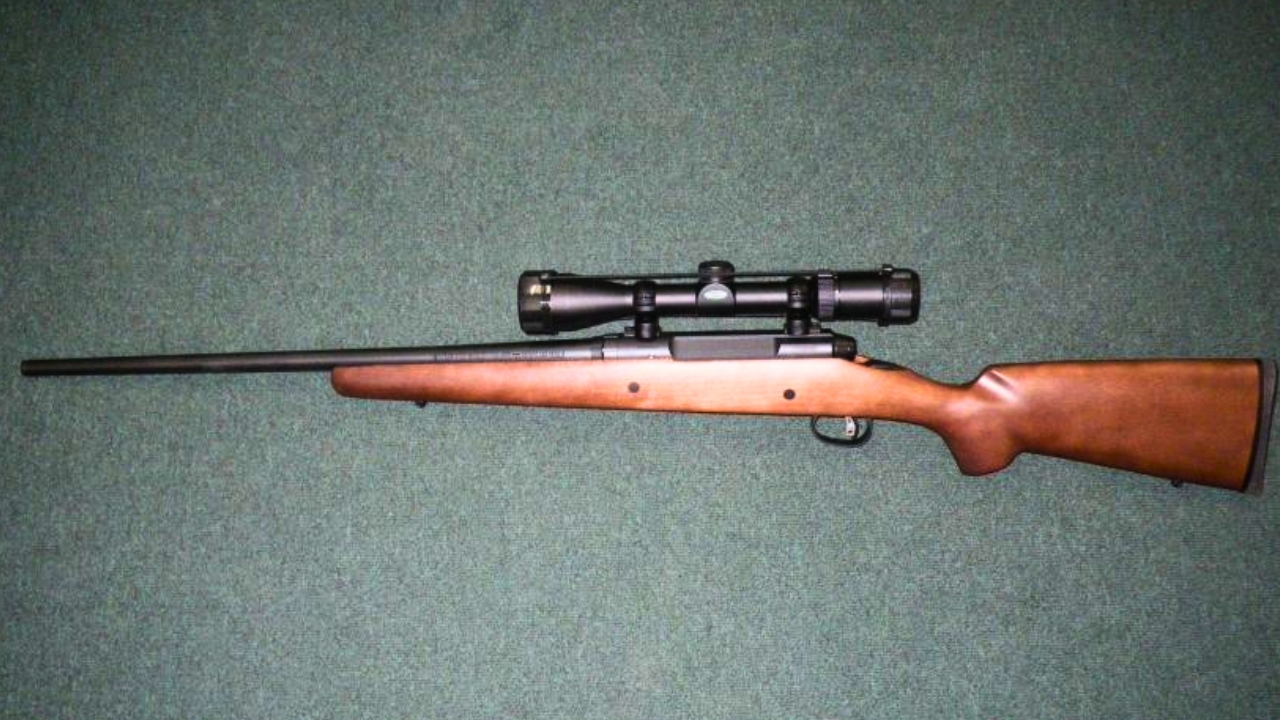
A lot of folks pick this up as a first rifle. It’s cheap, it comes with a scope, and it promises decent groups. But that budget scope fogs up too easily. The stock feels brittle, and the bolt throw has a gritty hesitation that never really goes away.
Sure, the AccuTrigger helps, but the overall shooting experience just isn’t satisfying. Accuracy can be there, but not consistently. It’s a rifle that teaches you what you don’t want in your next gun. A lot of Axis rifles get passed around more than they get used. Once you shoot a better-built rifle, this one collects dust or ends up in the back of the safe.
Winchester XPR

The XPR seems like a solid mid-tier choice—until you’ve used it enough to see the little things stack up. The bolt isn’t bad, but it doesn’t cycle with the confidence of others in its class. The trigger has a weird feel to it, like it wants to be crisp but isn’t sure how.
Accuracy is average, not impressive. The molded stock isn’t terrible, but it transmits every bit of vibration into your cheek. Guys buy these thinking they’re getting a modern Model 70 alternative, but quickly realize it lacks that same feel. It’s not unreliable—it’s forgettable. And that’s worse.
Howa 1500 Hogue
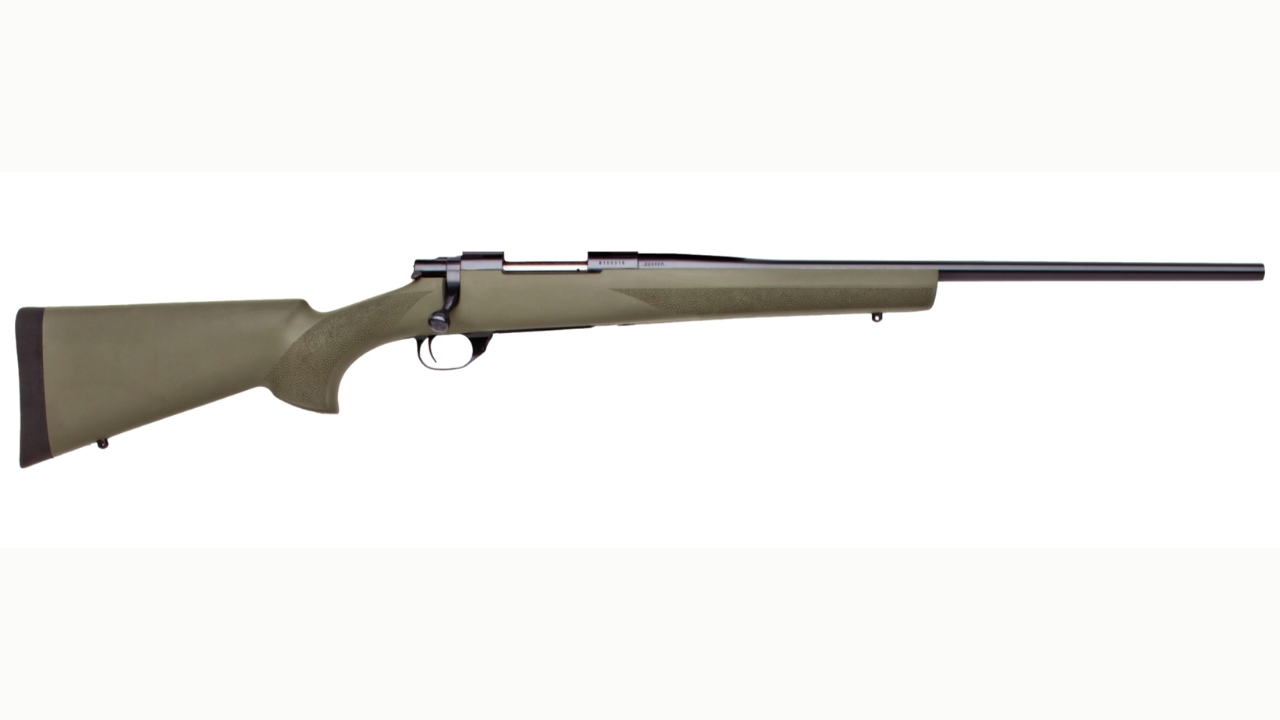
That Hogue stock grabs attention, but eventually, it’s part of the problem. It feels tacky in the hands, and while it soaks up some recoil, it doesn’t do much for stability. The rifle’s not light, either, so carrying it all day starts to wear on you.
Accuracy can be decent if you’re handloading, but factory ammo results vary. The action, borrowed from the Weatherby Vanguard, is functional but not particularly fast. Most shooters respect Howa’s build quality, but the ergonomics don’t work for everyone. Once you’ve spent some time behind it, you might start looking for something with better balance and a crisper trigger.
Thompson Center Compass

TC built this one as a budget rifle, and it shows. The bolt has a long throw and a rough ride. The rotary magazine can be fussy, especially when loading quickly. The plastic stock lacks any real stiffness.
Accuracy is hit or miss—even with good ammo—and the factory trigger needs adjustment right away. It’s a decent entry-level gun if you’re on a budget, but it doesn’t grow with you. After a season or two, most folks sell it off when they find something that feels more solid and shoots tighter groups. It’s a learning experience, not a long-term rifle.
Remington 783

The 783 looks like a step up from the 770—and it is—but not by much. The bolt is smoother, but still far from refined. The stock feels like a toy, especially under recoil, and there’s no real bedding to speak of.
Accuracy can surprise you, but the groups tend to shift once the barrel heats up. The adjustable trigger helps, but it doesn’t save the rifle from feeling generic. Most people who pick one up end up wishing they had waited and saved for something else. The 783 ends up being a placeholder, not a keeper.
CVA Cascade

CVA’s move into bolt rifles made some waves, but the Cascade doesn’t live up to the excitement. It shoulders nicely and the threaded barrel is a plus—but the action isn’t as smooth as you’d want. Feeding issues aren’t uncommon, and the polymer stock has some give under pressure.
Accuracy is acceptable for hunting, but not impressive at the range. The rifle feels like it wants to compete with the Ruger American or the Savage 110, but doesn’t quite get there. For some shooters, that’s enough to send it packing after a season or two. It’s not bad. It’s just not memorable.
Rock River Arms LAR-8

On paper, a .308 AR with quality control behind it sounds great. But the LAR-8 is heavy. Not “hefty”—heavy. And the recoil isn’t as mild as you’d expect from a gas gun. The proprietary parts make it a pain to upgrade or service.
Magazines aren’t always easy to find, and the accuracy, while decent, doesn’t outclass lighter rifles in the same caliber. After the novelty of running a .308 semi wears off, a lot of shooters start looking at lighter bolt guns or more modular AR-10 platforms. It’s fun at first, but the drawbacks catch up fast.
Tikka T3 Lite
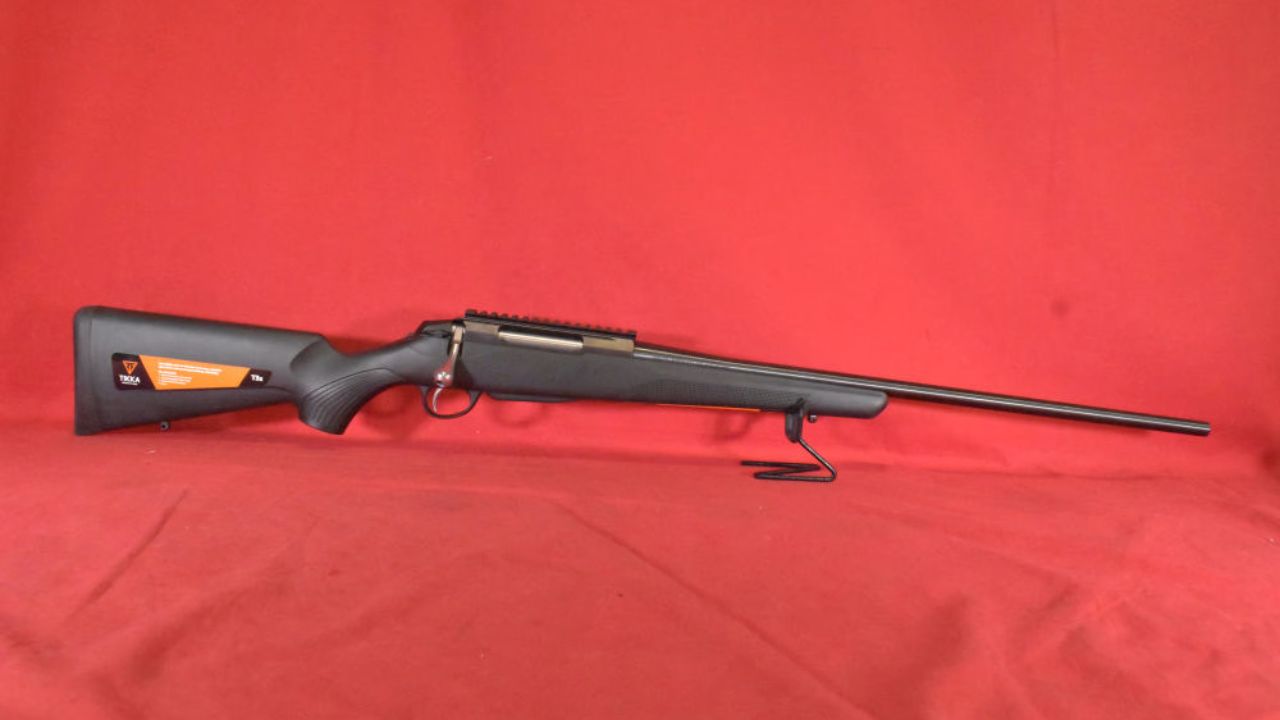
You won’t hear many bad things about the T3, but the Lite version reveals a few issues once you start stacking rounds. The light stock and thin barrel make it a pain to shoot offhand in wind. It bucks hard for what it is. Even with a muzzle brake, it doesn’t settle well for follow-ups.
The accuracy is solid, and the action is butter—but it’s so light that it punishes the shooter more than it should. A lot of guys end up wishing they’d gone for the heavier Tikka models. You won’t hate the T3 Lite, but you’ll probably trade it for something more forgiving.
Ruger SFAR

Lightweight .308 in AR form? Sounds great. Until you shoot it. The SFAR is light—too light for the recoil it puts out. The gas system is adjustable, but finding the sweet spot isn’t always easy. It beats up your shoulder and your brass.
Reliability is solid, but you’ll spend more time tuning than shooting at first. Once the excitement wears off, most folks shelve it in favor of heavier .308s or stick to 5.56. It’s a rifle with a short shelf life unless you’re determined to work around its quirks.
Steyr Scout

The idea of a compact, lightweight scout rifle is appealing. And Steyr delivers that—kind of. But the forward-mounted optic setup isn’t for everyone. The trigger is crisp, but the whole rifle feels too specialized. The integrated bipod is awkward, and the stock storage gets forgotten quickly.
Accuracy is okay, but not exceptional. Most folks who pick up the Steyr Scout enjoy the novelty and then realize how hard it is to find a role for it. It’s not ideal for precision, and not quite rugged enough for rough hunts. After a while, it becomes a safe queen.
Christensen Arms Ridgeline

This one reels you in with carbon fiber and slick marketing. You expect a tack driver, but not every Ridgeline lives up to that. Some barrels shoot great—others throw fliers without warning. The weight is great for backcountry hunts, but that light barrel heats up fast.
Some users report inconsistent bedding or finish issues. For the price, expectations are high—and the rifle doesn’t always deliver. After a few trips and a couple missed shots, many shooters move on to something more consistent. It’s a great concept, but in practice, it’s not always worth the premium.
Like The Avid Outdoorsman’s content? Be sure to follow us.
Here’s more from us:


