Photo credit: THE PEWPEW ZONE/YouTube
If you’ve ever had a rifle “mysteriously” start scattering shots, there’s a good chance it wasn’t the barrel or the ammo. It was something backing out. Recoil, vibration, heat cycles, and cheap/under-torqued hardware will do that—especially on rifles with light weight, sharp impulse, big muzzle brakes, or mounts that weren’t properly degreased and torqued.
This list is basically rifles that either (a) get shot a lot in ways that vibrate everything loose, or (b) have common setups where people forget the boring stuff. None of these are cursed. They just punish sloppy mounting and lazy torque habits.
Ruger American

Ruger Americans are great values, but they show this problem because a lot of owners mount cheap rings, don’t degrease screws, and don’t torque consistently. The rifle will feel fine… until it doesn’t. Then groups open up and people start swapping ammo instead of checking the obvious: base screws, ring screws, and action screws.
If you want a Ruger American to stay boring, treat it like a system. Degrease, torque to spec, mark screws, and recheck after the first range trip. The rifles usually shoot well. It’s the “budget rifle + budget mount + no torque wrench” combo that creates the loose-screw reputation.
Savage Axis

Axis rifles get carried a lot and shot enough, and the factory stock/bedding setup can be more sensitive to torque changes. The rifle might still “feel” solid, but a slight shift in action screw tension changes how the action sits and can change point of impact. On top of that, lots of Axis owners run inexpensive mounts and rings.
When things loosen, you get the classic “it was shooting fine last week.” The fix isn’t sexy: torque the action screws the same every time and don’t cheap out on the mount hardware. A $25 torque wrench and a paint pen solves more Axis problems than a new ammo brand ever will.
Mossberg Patriot

Patriots have a lot of rifles out there with basic scope setups, and that’s where loosening shows up. It’s not that the Patriot is a rattletrap. It’s that many end up with entry-level rings and bases installed by guys who didn’t degrease, didn’t torque, and didn’t check after 20–40 rounds.
If you shoot a Patriot and groups suddenly wander, the first thing I’d do is physically check ring/base screws, then action screws. Don’t guess. Don’t “feel” them with an Allen key and call it good. Torque them. You’ll be amazed how often that fixes “bad accuracy.”
Remington 783

The 783 can shoot well, but it often ends up with a cheap optic setup because it’s a budget rifle. Then the rifle gets blamed when things loosen. The recoil impulse plus vibration can back out improperly installed screws, and the rifle’s accuracy looks inconsistent because your optic isn’t living in the same place shot to shot.
The biggest giveaway is when the group seems to shift in chunks—like it’s in one place, then it’s in another place. That’s usually a mount issue. If you own a 783, put the same seriousness into your mounts as you do your ammo choice.
Tikka T3x Lite

Tikkas are great, but the Lite models are light, and light rifles can be rough on screws—especially with harder-kicking cartridges. A lightweight rifle with a brake or a snappy recoil impulse will shake mounts more than a heavier gun, even if the rifle itself is high quality.
The “loosen screws” problem on a Tikka usually isn’t the action. It’s the optic setup. If you’ve got a Lite and you shoot it a lot, treat ring/base screws like maintenance. Torque them right, mark them, and recheck after the first session. Light rifles don’t forgive sloppy mounting.
Kimber Mountain Ascent

Ultralights are brutal on gear. The Mountain Ascent feels like it should be gentle because it’s “premium.” But premium doesn’t change physics. A very light rifle creates a sharper, faster recoil impulse, and that impulse will test screws, mounts, and even your optic over time.
If your Mountain Ascent starts acting weird, don’t immediately blame the barrel. Check mount torque, check action screws, and make sure you’re not running a setup that’s barely hanging on. Ultralights demand better hardware and better torque discipline than normal rifles.
Browning X-Bolt

X-Bolts are generally solid, but a lot of them get paired with brakes, and brakes can create a sharp vibration profile that works hardware loose if it wasn’t installed correctly. Also, many hunters mount optics once, then don’t touch it for years—until something shifts and they swear the rifle “lost zero.”
If you want to avoid that, torque and mark the screws and check them periodically. You don’t need to obsess. You just need to do the basics. Most “X-Bolt zero issues” I’ve seen were mount issues, not the rifle itself.
Weatherby Vanguard

Vanguards are dependable, but they’re also common hunting rifles that get ridden hard and put away wet. If action screw torque drifts or mount screws loosen, you’ll see accuracy and POI changes that look like the rifle is “inconsistent.” In reality, the system shifted.
This is especially noticeable if you shoot from a bipod or use sling tension. Small changes in how the action sits in the stock or how the scope sits on the rifle become noticeable. Vanguards usually respond well to consistent torque and good mounts.
Winchester XPR
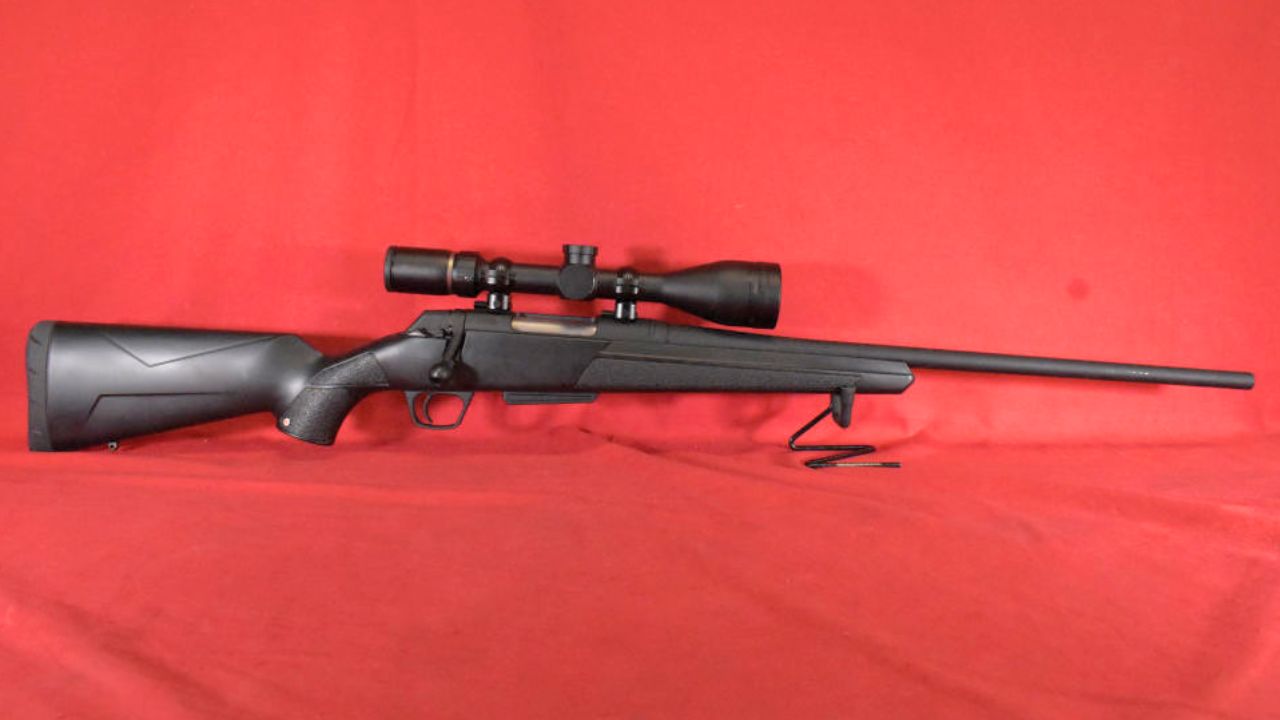
XPRs get bought as “get it done” rifles. That means many get “get it done” mounting jobs too. When screws loosen, it’s rarely because the rifle is junk. It’s because the mount setup wasn’t installed with care. Then the rifle takes the blame when the optic shifts.
If an XPR starts wandering, check base and ring screws first, then action screws. If you’re using low-end rings, consider replacing them. It’s not about being fancy—it’s about not wasting ammo trying to diagnose something that’s literally a loose screw.
Bergara B-14

Bergaras shoot great, which means owners often shoot them more. More shooting means more vibration, more heat cycles, more opportunities for something to work loose—especially if you’re running a heavy optic, tall rings, or you’re dialing turrets a lot.
When a Bergara “loses zero,” it’s almost always the optic system: rings, base, or occasionally the scope itself. The rifle is usually fine. It’s just being used like a rifle that gets shot, not like a safe queen. That’s a compliment—but it comes with maintenance responsibilities.
Ruger Precision Rifle

Chassis rifles are modular, and modular means lots of screws. The RPR has a ton of attachment points and hardware, and if you don’t stay on top of it, something eventually loosens. It might not be the action screws—it might be a rail, a handguard screw, a scope base, or an accessory mount.
It’s not a design flaw. It’s the reality of a system with many interfaces. If you run an RPR seriously, do periodic checks. Use proper torque. Use threadlocker where appropriate. A chassis rifle rewards a little maintenance discipline.
Christensen Arms Mesa / Ridgeline

Christensen rifles often get bought because they’re light and “premium.” Mixed reality shows up because lightweight + brake + hunting recoil cycles can work on hardware over time, especially if mounts weren’t installed perfectly. Some owners never have an issue. Others chase “random” shifts that end up being mount or screw-related.
If you own one, don’t assume “premium” means “can ignore torque.” It doesn’t. Light rifles are harder on mounts, period. Keep things torqued and marked and you’ll avoid a lot of drama.
AR-15s with free-float rails

This isn’t a brand—this is a category. Free-float handguards use clamp screws and interfaces that can loosen if not installed correctly, especially if you’re hanging lights, lasers, bipods, or barricade-stopping hard. You might not notice until your point of impact shifts or your rail-mounted accessory stops returning to the same spot.
People blame barrels and ammo when the real issue is the handguard or rail interface moving slightly. If you run an AR hard, check handguard torque and accessory mount tightness. It matters more than most guys want to admit.
Lever guns with receiver-mounted optics (Marlin 336/1895 style setups)

Lever guns get used in rough conditions—saddles, trucks, ATVs. They also have recoil impulses that can work mount screws loose, especially with heavier scopes and older mounting patterns. Many lever gun optic setups are also “set and forget,” which is a recipe for surprises if screws weren’t installed correctly.
If your lever gun starts shifting, check the base screws and rings first. Lever guns can be accurate, but their mounts get beat up more than a typical deer rifle that lives in a case.
Lightweight hunting rifles in magnum cartridges

Any light rifle in a hard-kicking cartridge will try to loosen something eventually if you shoot it enough. It doesn’t matter how “good” it is. Recoil impulse is recoil impulse. If you’ve got a 6.5 PRC, 7 PRC, .300 class cartridge in a light rifle, hardware is being tested.
If you want to avoid chasing zero, use quality mounts, torque properly, and mark screws. Do that and you’ll stop having “mystery” accuracy issues that are really just screws backing out.
Like The Avid Outdoorsman’s content? Subscribe to our newsletter so you never miss an article.
Here’s more from us: