Photo credit: WHO_TEE_WHO/YouTube
Hunters can argue calibers all night long, but most guys don’t gamble when the shot is steep, the wind is ugly, and the animal’s about to step into cover. The calibers below all can work, and plenty of animals have been taken with them. The reason they keep getting argued is simple: they either have a thinner margin for error, big performance swings depending on bullet/load, or they tempt people into stretching range past what they should.
This isn’t a “never use these” list. It’s the calibers that get talked up online, then quietly get left at home when someone wants the safest, most repeatable outcome in real hunting conditions.
.223 Remington (for deer)
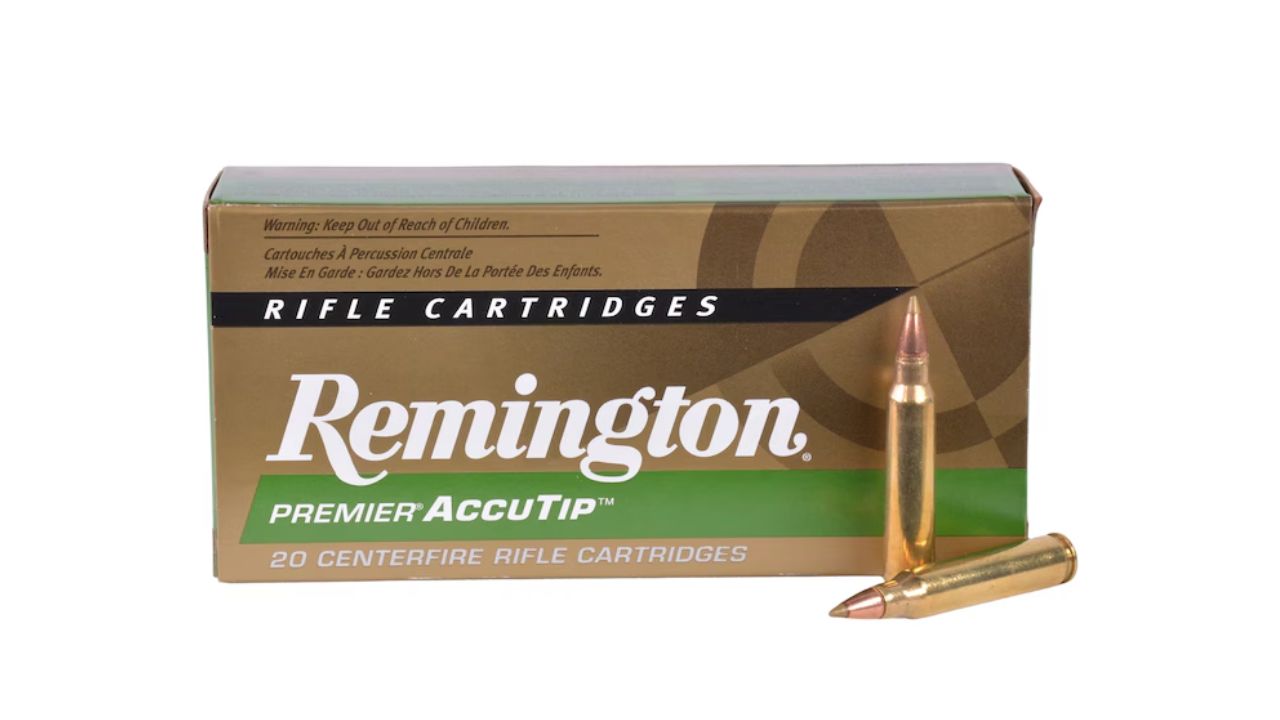
A .223 can drop a deer clean with a proper hunting bullet and good shot placement, but most hunters don’t trust it because it doesn’t give you much room for mistakes. If the angle changes, the deer takes a step, or you clip heavy bone, the cartridge just doesn’t hit with the same authority as larger options. That’s when you hear the “it ran forever” tracking stories.
The other issue is that people mix experiences with cheap FMJ range ammo and actual bonded/controlled-expansion hunting loads. Those are not the same world. A .223 that’s set up right can work, but it demands discipline—range limits, bullet choice, and shot selection—more than most hunters are willing to admit.
6.5 Creedmoor (for elk)

The 6.5 Creedmoor kills elk every season, but a lot of hunters don’t trust it because it’s easy to misuse. The caliber’s reputation makes some guys think it’s a long-range hammer no matter what, and they start taking shots that rely on perfect wind calls and perfect bullet performance. Elk don’t always give you perfect.
When people run heavy-for-caliber, controlled-expansion bullets and keep shots inside a reasonable window, it can be very effective. The trust debate comes from the reality that many hunters won’t do that. They’ll grab whatever box is cheapest, shoot a couple groups, and assume it’ll “do elk” because the internet said so.
.300 AAC Blackout (for deer)

The Blackout is fine inside its lane, but that lane is narrower than many people want. With supers, it can be a solid short-range deer option. With subs, you’re basically making it a different animal entirely, and the terminal performance depends heavily on bullet design. That’s where trust falls apart—too many people assume “.30 caliber is .30 caliber.”
The confusion around supersonic vs subsonic loads causes real problems. A guy will sight in with one, hunt with the other, or pick a bullet that expands poorly at Blackout velocities. Then he’s shocked when it doesn’t perform like a .308. It’s not a bad cartridge, but it punishes sloppy planning.
.350 Legend
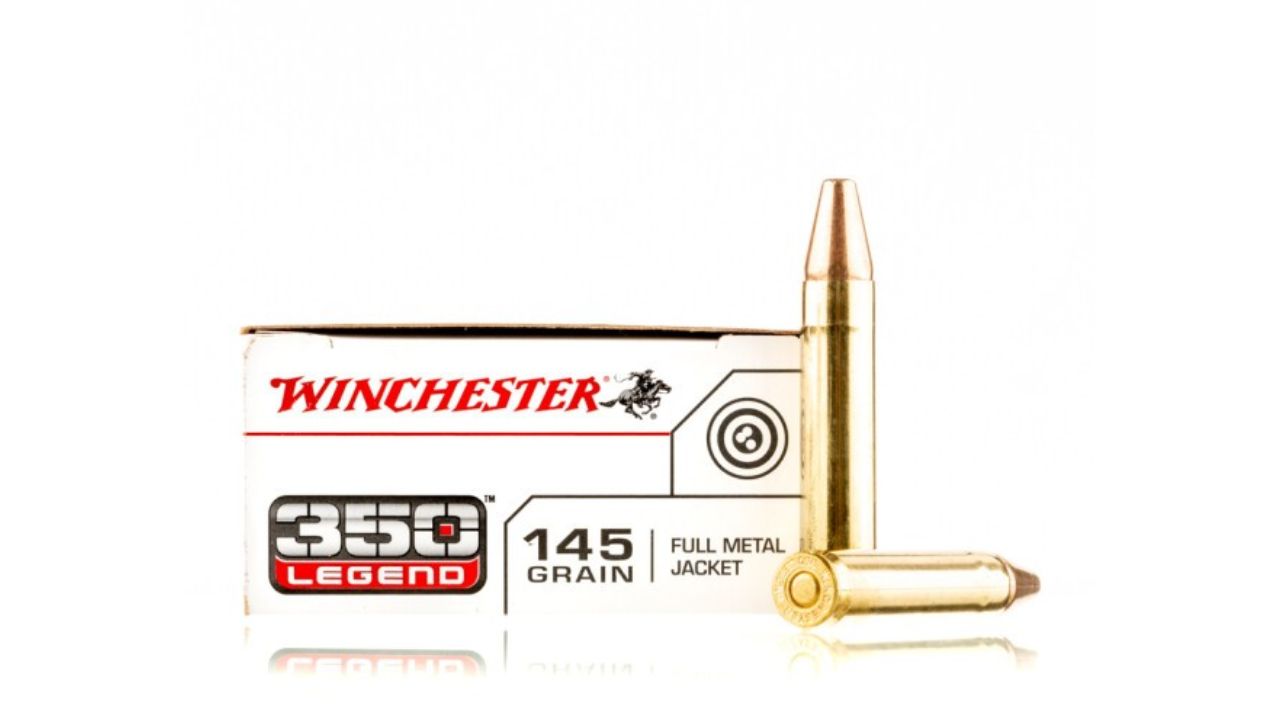
In straight-wall states, the .350 Legend is a smart concept: mild recoil, decent energy, practical rifles. The trust issues show up because performance can vary a lot depending on bullet selection, and some rifles are pickier than expected. You’ll see one guy stacking groups and another fighting feeding issues or unpredictable accuracy with certain loads.
It also tempts hunters to stretch range because it doesn’t recoil much. On paper, it looks flat enough. In the field, wind and drop start biting sooner than people expect, and some bullets don’t behave the way hunters assume on tough angles. When results feel inconsistent from rifle to rifle, guys argue more and trust less.
.450 Bushmaster

The .450 hits hard, but it can be a rough teacher. Light rifles plus big bullets equal recoil that exposes bad habits fast—flinch, poor follow-through, and sloppy fundamentals. Many hunters buy one thinking it’s an easy “big hammer,” then realize they don’t shoot it well enough to place shots clean when the moment matters.
Trajectory is another part of the trust debate. At common deer distances it’s fine, but the drop starts stacking up quickly, and different loads can shift point of impact more than people expect. If you don’t practice with your actual hunting ammo and confirm at multiple distances, you’re guessing. And hunters don’t trust guessing.
7.62×39 (in hunting rifles)
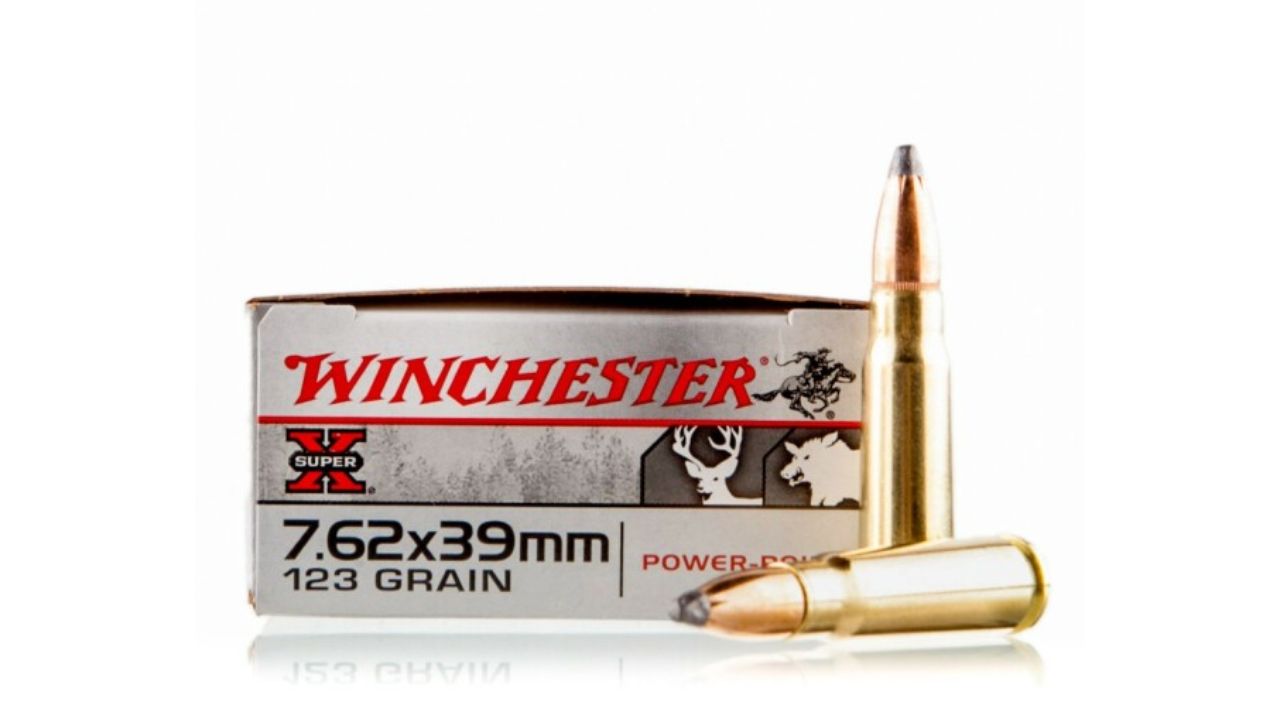
The 7.62×39 has killed plenty of deer, but it lives in a messy world of ammo quality and expectations. A lot of guys have only used steel-case range ammo, then assume the cartridge is “inaccurate” or “weak,” when they’ve never tested quality hunting loads. Others do the opposite—assume it’s a short .308—and push it beyond what it really is.
Rifle variation doesn’t help. Some bolt guns and quality AR setups shoot it great; some budget guns don’t. Add in magazine differences and inconsistent ammo, and you get a cartridge that can absolutely work, but still ends up in constant arguments because results aren’t uniform across the board.
.224 Valkyrie
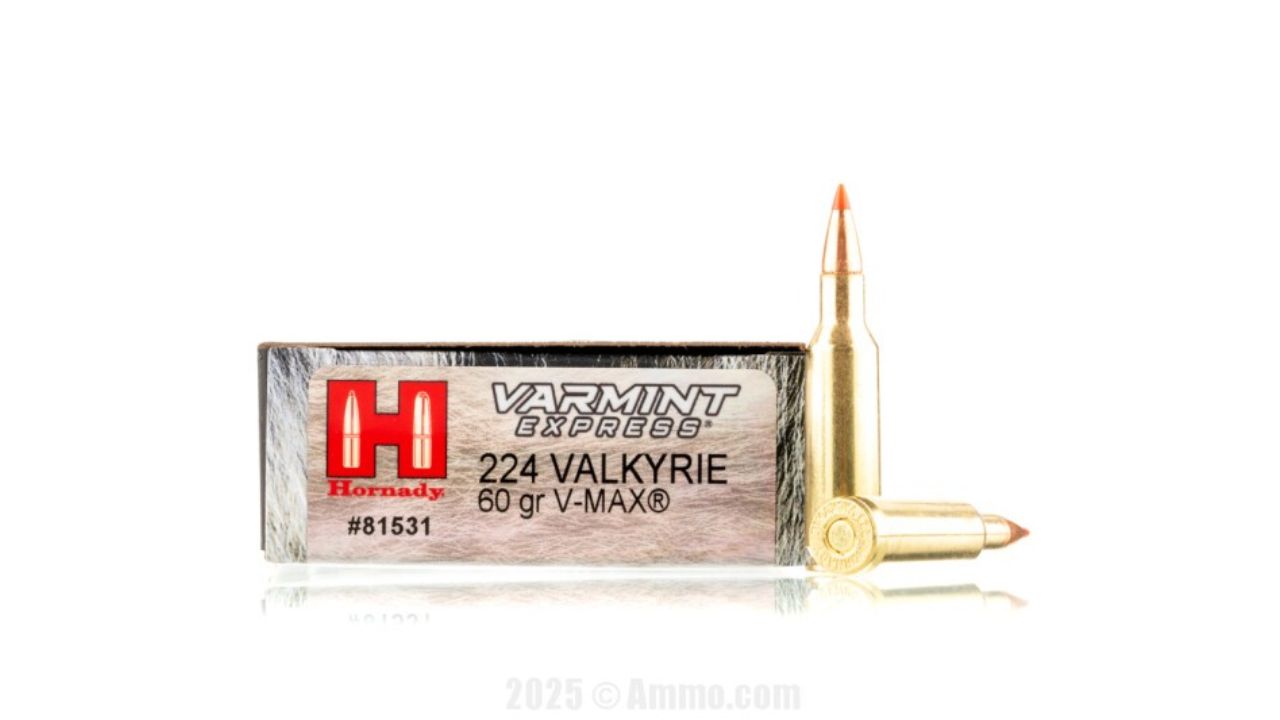
The Valkyrie was supposed to be a laser, and on paper it looks great. In reality, a lot of shooters found it more finicky than expected—barrel twist, load selection, and real-world consistency didn’t always match the hype. That’s why hunters argue about it: some rifles shoot it well, others never really settle down.
For hunting, the bigger issue is that it encourages “ballistic chart confidence.” Guys start thinking in numbers instead of field conditions—wind, shooter stability, animal angle, and how bullets behave at impact. When the cartridge requires more homework than most hunters want to do, it becomes something people debate more than they rely on.
.25-06 Remington

The .25-06 is flat, fast, and deadly on deer, but it’s always had a trust gap on tougher animals and tougher angles. A lot depends on bullet construction. Lighter, rapid-expansion bullets can create messy performance when you hit heavy shoulder or catch a hard quartering shot. That’s where you hear, “It worked great… until it didn’t.”
The other part is wind. The .25-06 can tempt people into taking longer shots because the drop looks friendly. But wind drift and shot angles are what get hunters in trouble, not drop. If you keep it in its best role—deer/antelope with the right bullets—it’s excellent. The trust debate comes from people trying to make it something else.
.270 Winchester (for elk)
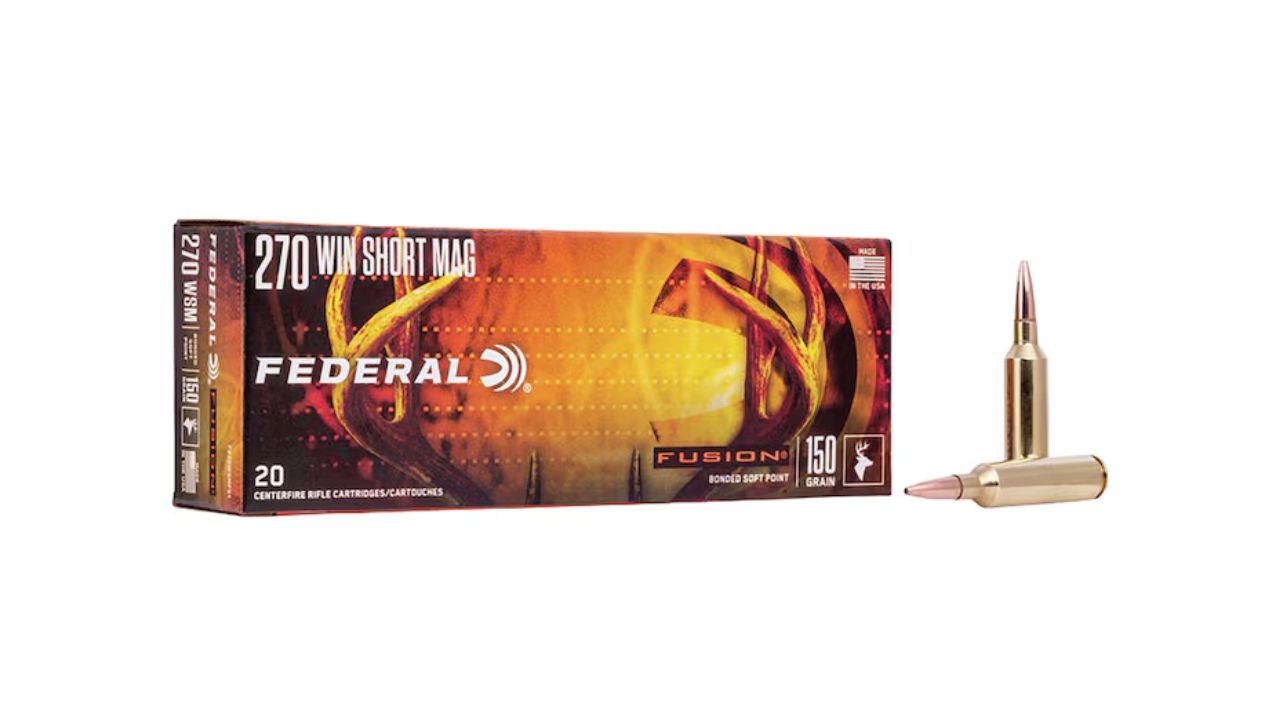
A .270 has put a mountain of elk on the ground over the decades, but it still gets questioned because it’s a “traditional” caliber that people either swear by or dismiss. The reality is that it works well with the right bullets, but it doesn’t hit with the same margin as the bigger .30s when the shot is less than perfect.
A lot of hunters trust it completely on deer and then start second-guessing it when the weather is rough, distances stretch, and angles aren’t ideal. That’s not because the .270 is weak—it’s because most hunters don’t practice enough to be picky about shot selection. The caliber gets blamed for what’s really a planning problem.
.243 Winchester (past its comfort zone)

The .243 is one of the best deer rounds ever made when it’s used the way it was meant to be used: good hunting bullets, reasonable distance, good angles. The trust issues show up when people start treating it like a “do everything” rifle—bigger game, bad angles, and longer shots because recoil is light and confidence is high.
A lot of hunters also mix cheap varmint loads into the conversation, and that’s a recipe for disappointment on deer. With a proper bullet, it’s effective. But it’s still a caliber that depends heavily on placement, and many hunters don’t want to depend on perfection when a larger, forgiving option exists.
10mm Auto (for hunting)

10mm can absolutely work for hunting, especially with the right hard-cast or quality hunting loads. The trust debate comes from how much performance changes based on barrel length, load choice, and the shooter’s ability. A 10mm from a full-size pistol with a strong load is a different world than a compact gun with watered-down ammo.
Handgun hunting already shrinks your margin. Add in people buying “10mm” that performs like hot .40 S&W and suddenly you’ve got a pile of mixed results. Some guys trust it because they’ve tested it properly. Many don’t because they’ve seen too many optimistic claims that didn’t match what happened on real animals.
.40 S&W (for anything beyond its main role)
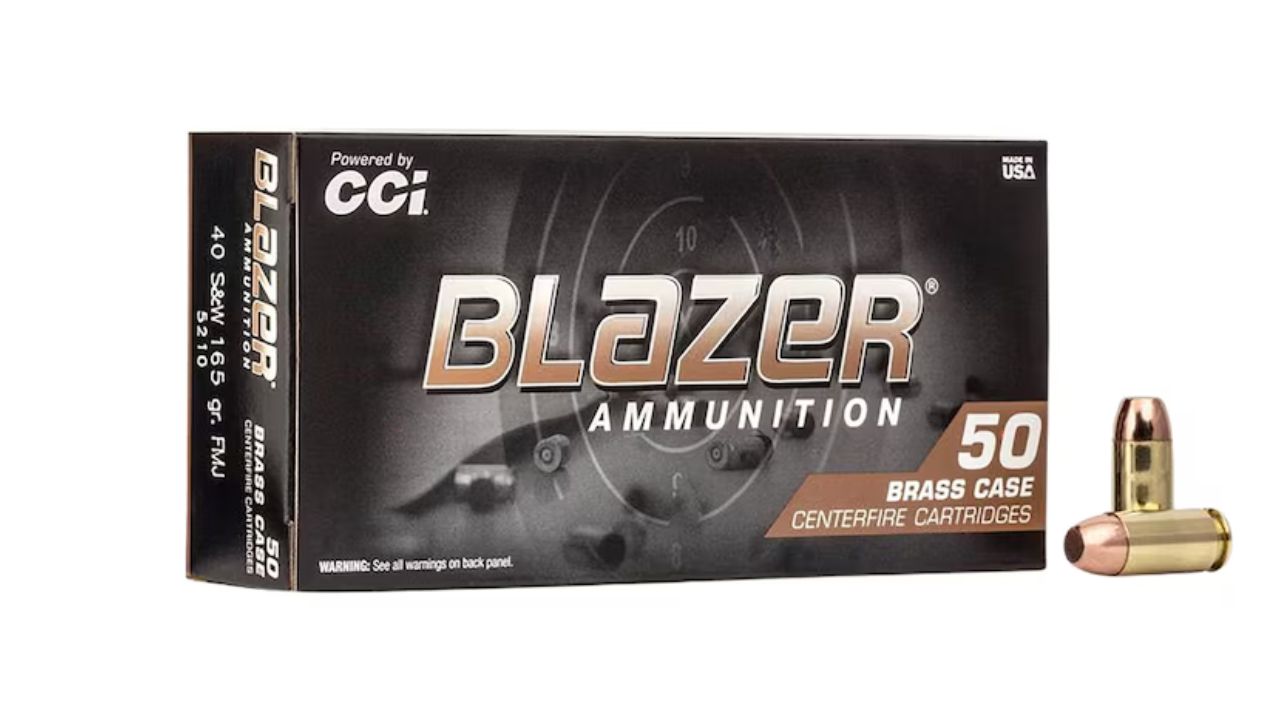
The .40 still works as a defensive cartridge, but it’s in a weird place now. Many shooters moved back to 9mm because modern ammo performs well with less recoil and more capacity. When a caliber becomes something people defend more than they actually train with, trust starts fading.
For hunting or woods roles, it also doesn’t stand out. It’s not a true “step up” like 10mm, and it doesn’t have the cheap training advantage that 9mm has. Plenty of people own it out of habit, but fewer are truly confident in it because it doesn’t offer a clear win anymore.
.357 Magnum (for deer)

From a lever gun with the right ammo, .357 can be surprisingly effective. From a short revolver at questionable distances, it can turn into a tracking job fast. That’s why hunters argue about it—some experiences are great, others are a mess.
The trust issue is that .357 performance is highly dependent on setup and discipline. If you keep range tight and use proper hunting bullets, it works. But it doesn’t tolerate sloppy shot placement or “I think I can stretch it” thinking. Many hunters don’t want a caliber that requires that level of restraint when a larger option removes doubt.
.44 Magnum (for deer)

The .44 Magnum has plenty of power, but it doesn’t automatically equal trust because many hunters don’t shoot it well enough. Recoil and muzzle blast in lightweight revolvers can make people flinch without realizing it. Then they miss or make a poor hit and blame the cartridge instead of the shooter.
It’s also a caliber that people overestimate for range. It can reach, but it’s not a flat-shooting rifle round. If you’re not practicing at real hunting distances with your actual load, you’re guessing on hold and drop. Some hunters trust it because they put the work in. Many don’t because they’ve seen too many confident .44 owners who can’t deliver clean hits.
6.8 SPC

The 6.8 SPC is a genuinely good hunting cartridge in AR-style rifles, especially for deer and hogs at practical distances. The trust gap comes from availability and shared experience. In many areas, you won’t find ammo everywhere, and fewer hunters have deep history with it compared to the big mainstream rounds.
When a caliber feels “niche,” hunters hesitate to lean on it when travel, weather, or supply issues hit. It’s not about the cartridge failing—it’s about confidence in support, consistent ammo options, and being able to grab what you need without hunting down specialty boxes.
Like The Avid Outdoorsman’s content? Subscribe to our newsletter so you never miss an article.
Here’s more from us: