Photo credit: Gear Zone/YouTube
Every hunter has been there—you line up what looks like a perfect shot, squeeze the trigger, and watch your bullet plow into the dirt well below your target. Some cartridges promise more reach than they can deliver. They lose steam fast, fall off trajectory quicker than expected, and make you second-guess your zero after every range trip. These rounds might hit hard up close, but they drop like bricks past 150 yards. When you’re shooting something with a rainbow arc instead of a straight line, it doesn’t take long before you start questioning whether it’s the gun, the scope, or you.
.45-70 Government
The .45-70 Government is an American classic, but it’s no flat-shooter. With a trajectory that drops like a thrown rock after 150 yards, you’ve got to know your ranges cold. Modern loads have improved things, but physics hasn’t changed—big, slow bullets still mean big drop.
It hits with authority up close and will anchor anything within its range, but past that, you’ll be holding over more than you’d like. If you don’t spend time learning its flight path, you’ll find yourself low on the target more often than not. It’s a powerhouse, no doubt, but one that makes you respect gravity.
.30-30 Winchester

The .30-30 is one of the most trusted deer cartridges ever made, but it’s never been known for its flat trajectory. With its moderate velocity and blunt-nosed bullets, drop becomes a serious factor past 200 yards. Many hunters learn the hard way that zeroing high at 100 still leaves you low at 250.
In the brush or timber, it’s unbeatable. Out in the open, though, it demands real range discipline. It’s a cartridge that reminds you quickly why lever guns and long distances don’t usually mix. Keep it under 200 yards, and it’s deadly. Stretch it too far, and confidence goes with the bullet drop.
.44 Magnum

The .44 Magnum might make you feel powerful, but ballistically, it’s anything but flat. Out of a rifle, it holds its own to about 125 yards. Beyond that, gravity takes over in a hurry. Heavy bullets and modest velocity mean you’ll need serious holdover for even modest distance shots.
In dense cover, it’s excellent. But try to tag something across a field, and you’ll be humbled fast. The .44 Mag hits like a hammer up close, but it’s a lobber once you stretch it out. The difference between a clean shot and a clean miss often comes down to knowing just how far that drop really is.
.450 Bushmaster
The .450 Bushmaster was made for short-range power in the AR platform, not long-range precision. It drops hard past 200 yards, even with modern loads. Its big, slow bullets carry energy, but they lose speed and trajectory quickly, making precise shots at distance tricky.
For hogs or deer inside 150 yards, it’s fantastic. But take it past that, and you’ll find yourself aiming higher than feels natural. It’s a cartridge built for brush and woods work, not the wide-open country. It does its job well—but only if you respect its limits.
.350 Legend

The .350 Legend was designed for straight-wall states, and it performs well within those parameters. But its trajectory falls off fast once you pass 200 yards. Even high-velocity loads can’t fight the physics of a relatively slow, heavy bullet.
Zero it for 150 yards and you’ll already be dropping inches by 200. For the average Midwestern deer hunter, that’s fine. For anyone expecting .308-level reach, it’s a disappointment. The .350 Legend delivers efficiency, not range—and if you try to stretch it, you’ll lose confidence faster than your bullet loses altitude.
.450 Marlin
The .450 Marlin is a thumper made for short-range authority, not long-range shooting. It fires heavy bullets that shed velocity quickly, dropping like an anchor after 150 yards. It’s great for thick timber and brush hunts where range is limited, but open-country shooters will find it humbling.
It mirrors the .45-70 in many ways, including its limitations. The trajectory curve is steep enough to make you second-guess even a 200-yard shot. If you know the drop and practice regularly, it’s effective. If you don’t, you’ll start aiming at clouds and still hit low.
.35 Remington
The .35 Remington is loved by traditional hunters, but it’s never been a flat-shooting round. Its heavy, round-nose bullets bleed velocity fast, and by 200 yards, drop becomes significant. It was designed for close work in the woods, and that’s where it shines.
Stretch it too far, and you’ll start missing more than hitting. It’s a perfect reminder that cartridge design follows intent. For short-range power on deer or bear, it’s ideal. For longer shots, it’ll have you guessing and wishing you brought something else.
.300 Blackout
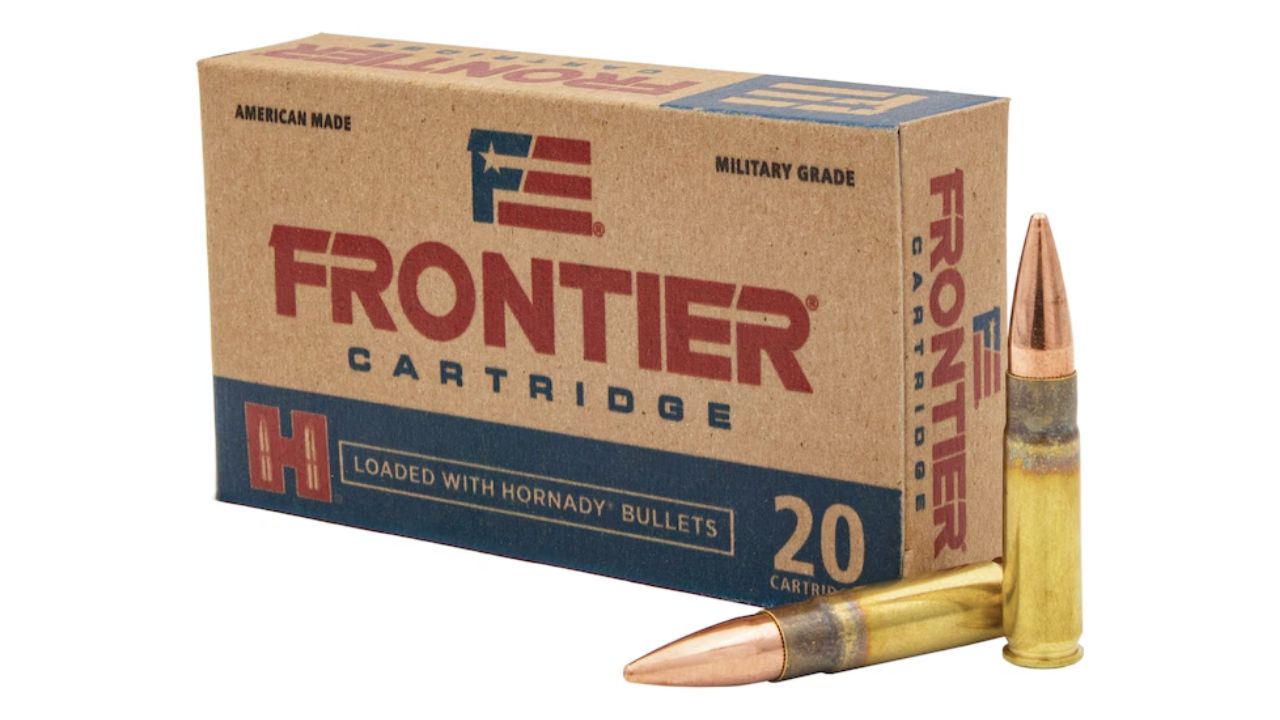
The .300 Blackout works beautifully inside 200 yards, especially suppressed, but beyond that, things fall apart fast. Subsonic loads drop like bowling balls, and even supersonic loads lose steam quickly. It’s efficient, quiet, and controllable—but not built for long-range work.
If you treat it like a 7.62×39 or .30-30, you’ll be fine. Expect .308 performance, and you’ll be sorely disappointed. It’s a cartridge designed for versatility in close quarters, not long-range accuracy. Gravity wins quickly with this one, no matter what barrel length you’re running.
.458 SOCOM
The .458 SOCOM makes a statement with every shot, but it also drops like a rock past 150 yards. Heavy bullets and modest speed mean you’ve got to know your trajectory inside and out if you plan to use it effectively. It’s powerful and punishing, but gravity catches up fast.
Shooters who treat it like a precision rifle round end up frustrated. It’s designed for short-range power, and within that range, it’s excellent. Beyond that, it’s an exercise in overestimation. It’s one of those rounds that will humble you if you start thinking you can outsmart physics.
.444 Marlin
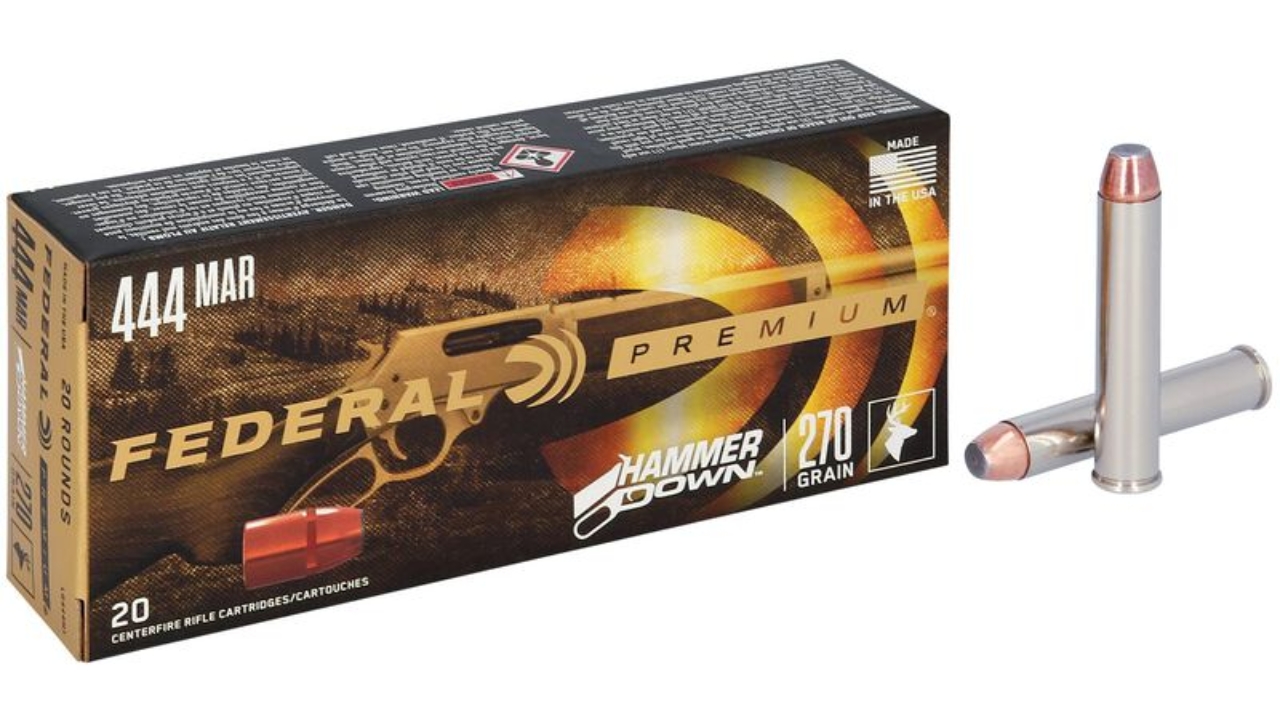
The .444 Marlin is one of the hardest-hitting lever-gun cartridges ever made—but it drops faster than most shooters realize. It’s essentially a .44 Magnum on steroids, with all the same ballistic limitations. Past 150 yards, it starts to fall sharply, and the wind only makes it worse.
Inside its comfort zone, it’s devastating on big game. Beyond that, it’s a guessing game. For woods hunting, it’s perfect. For open plains, it’s a liability. It’s the kind of caliber that makes you appreciate the flat shooters—and keeps you honest about range every single time you pull the trigger.
Like The Avid Outdoorsman’s content? Be sure to follow us.
Here’s more from us:
The worst deer rifles money can buy
Sidearms That Belong in the Safe — Not Your Belt
*This article was developed with AI-powered tools and has been carefully reviewed by our editors.