Photo credit: Modern Primitive/YouTube
Some rifles feel manageable when you first pick them up, but the real test begins once you’ve carried them for more than an hour. Weight, balance, stock design, and barrel profile can turn a promising rifle into a chore long before you reach your glassing point. Experienced hunters learn quickly that some rifles simply weren’t designed with mobility in mind. They may shoot beautifully from a stable rest, but when you’re climbing a ridge or pushing through cover, every extra ounce becomes painfully clear.
These rifles all have strengths, but they share one trait: most shooters are happy to set them down long before the hunt is over.
M1 Garand

The M1 Garand carries a legacy few rifles can match, but hauling one across real terrain is another story entirely. Weighing over nine pounds before adding ammunition, the Garand settles heavily onto your shoulder. Its long profile exaggerates the weight, especially when you’re working up a slope or shifting through tight timber. After an hour or so, the rifle feels like a barbell that keeps pulling you sideways with every step.
Shooters admire how stable the Garand feels when firing. It’s accurate, reliable, and satisfying to run. But none of that offsets the fatigue of carrying it through country where every ounce matters. Even fans of the platform rarely choose it for anything involving real distance.
Mosin-Nagant 91/30

The Mosin-Nagant 91/30 earns respect for its toughness, but carrying it for any length of time quickly exposes its flaws. The rifle’s long barrel and thick wood stock push the weight forward, creating a front-heavy feel that never quite settles. Slung over your shoulder, it drags downward, forcing constant adjustments as the miles add up.
On the range, the Mosin behaves predictably and shoots better than many expect. But in brush or hilly terrain, its length and mass work against you. Most shooters appreciate owning a Mosin but wouldn’t willingly carry it farther than necessary. It’s built to endure battlefields—not long hunts or exploratory hikes.
Springfield M1903

The Springfield M1903 offers accuracy and smooth cycling, but it also brings more weight than most hunters care to deal with. Its full-length walnut stock and steel construction give it a reassuring heft at first, but as soon as you start walking, that same heft becomes a steady strain. The rifle presses down into your shoulder, and the long barrel adds leverage you feel with every step.
While the M1903 feels excellent on the bench or in calm shooting positions, it becomes burdensome fast when mobility is part of the plan. Carrying it for over an hour reveals exactly why lighter rifles dominate modern hunts.
FN FAL

The FN FAL is admired for reliability and power, but few shooters enjoy carrying it for long. Its steel receiver, full-profile barrel, and heavy magazines add up to a rifle that feels like a weight-training tool once you’re moving. The forward balance amplifies the sensation, pulling downward no matter how you adjust your sling.
Although the FAL shoots smoothly and handles recoil well, its mass becomes a punishment on uneven ground. Even those who respect its battlefield history admit it isn’t something you carry farther than you have to. It’s a rifle meant for durability—not comfort.
HK G3 / PTR-91
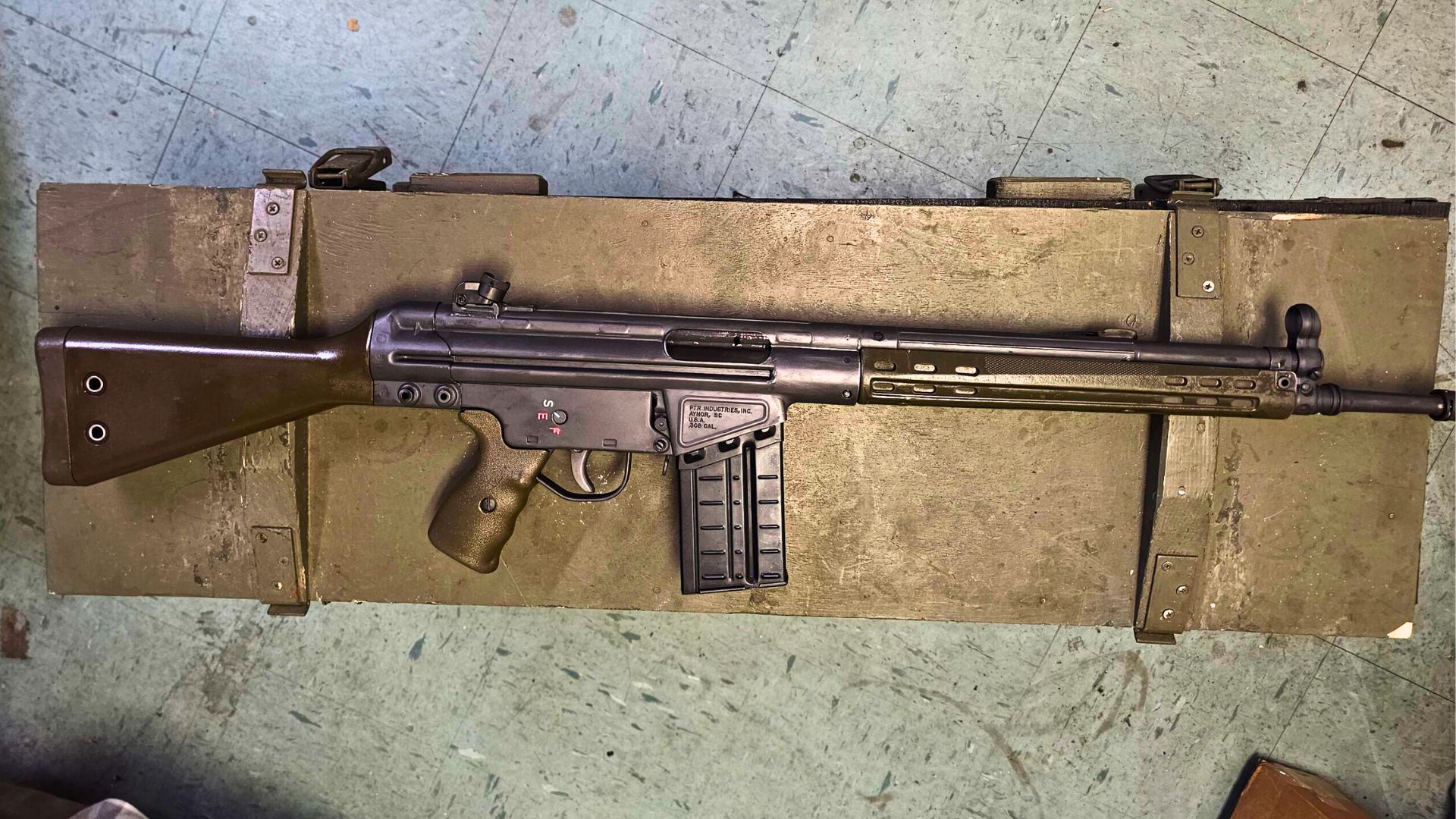
The HK G3 and PTR-91 platform offers rugged construction and reliable performance, but the weight is the first thing you notice after an hour on foot. The steel receiver and roller-delayed system create a rifle that feels dense from muzzle to buttstock. Even with a padded sling, it pushes into your shoulder and wears you down steadily.
At the range, the mass helps manage recoil, but once you’re climbing or sidehilling, the heft becomes a real challenge. The rifle’s long profile also catches on brush, making it even more cumbersome. This is a rifle people love to shoot—but not to carry far.
M1A Standard
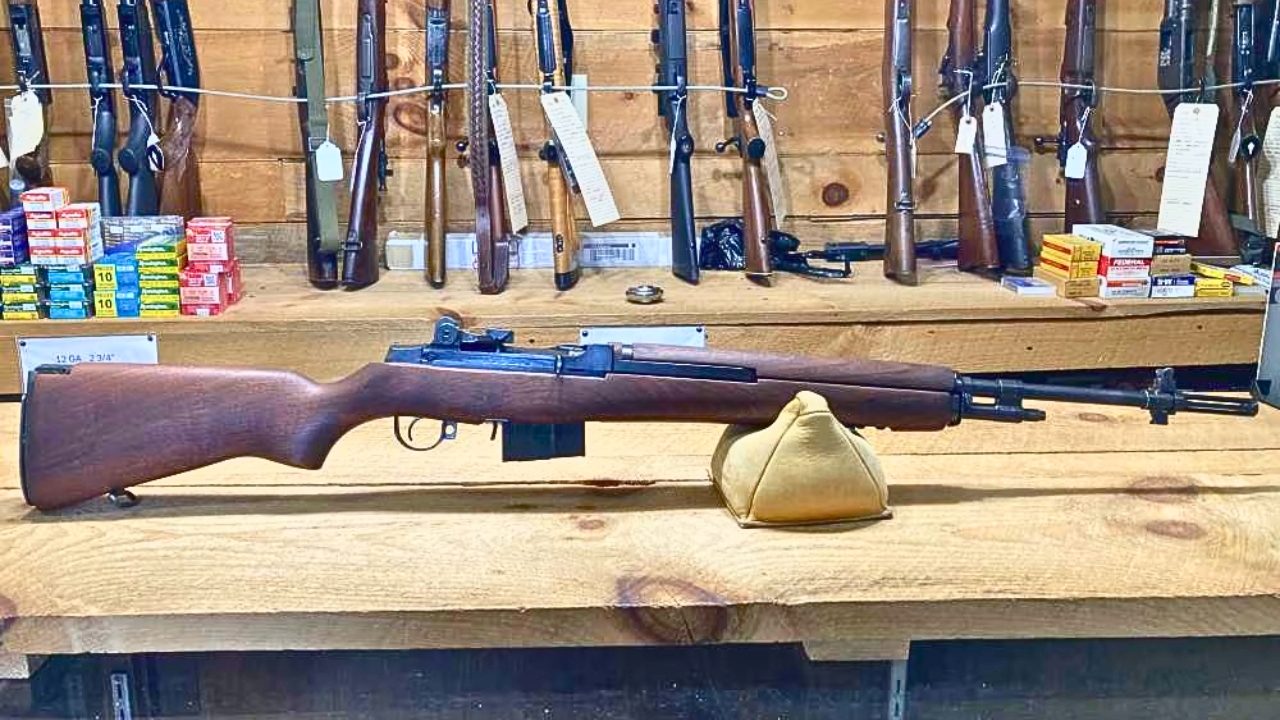
The M1A Standard provides accuracy, reliability, and excellent ergonomics, but it also saddles you with weight that becomes tiring fast. Its steel receiver and heavy barrel combine with a full stock to create a rifle that feels stable when firing but oppressive when carried for any distance.
In flat terrain, you might tolerate it for a while, but the moment you start climbing or pushing through cover, the rifle’s mass becomes unavoidable. Many owners acknowledge they enjoy shooting the M1A far more than hauling it through the woods. It’s built for performance, not mobility.
Browning BAR Safari
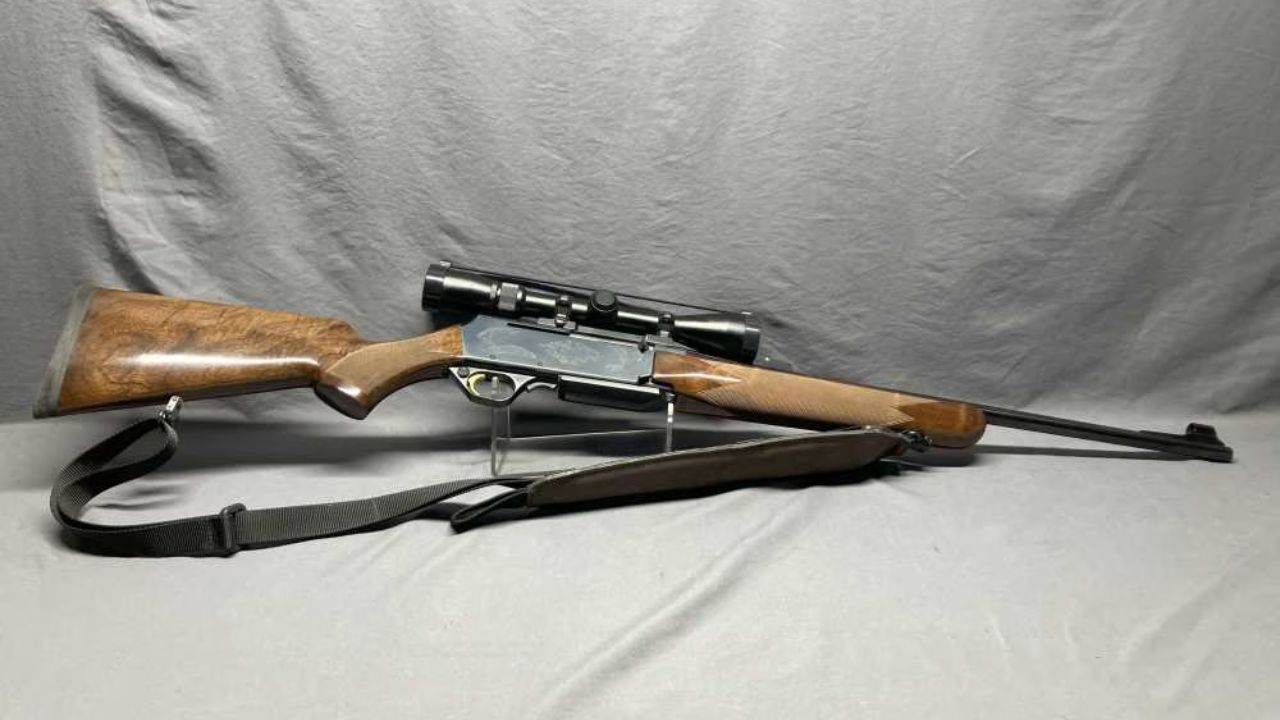
The Browning BAR Safari shoots beautifully, but its steel construction and long barrel make it one of the heavier hunting rifles around. Once you sling it, the weight presses down immediately, and it only gets worse as the ground slopes upward. The rifle handles recoil well, but that stability comes at the expense of comfort on long walks.
Hunters appreciate the rifle’s accuracy and dependability, yet few want to pack it more than necessary. Whether you’re still-hunting or hiking ridge to ridge, the BAR Safari becomes a constant reminder that not every great shooter makes a great companion in the field.
Remington 760 Gamemaster

Early steel-receiver Remington 760 Gamemasters earned praise for performance, but they’re heavier than most hunters expect. The combination of a sturdy receiver and a solid barrel creates a rifle that feels reassuring in the hands but punishing on the shoulder. Once you add a scope, sling, and ammunition, the weight increases enough to slow you down noticeably.
The rifle cycles smoothly and shoots accurately, but after an hour of carrying it across rough ground, the fatigue starts catching up. Most owners eventually reach the same conclusion: great shooter, tough carrier.
Marlin 1895 (Long-Barrel Versions)

Long-barreled Marlin 1895 rifles deliver power and accuracy, but they’re anything but light. The thick barrel profile and solid wood stock create a rifle that demands constant effort to manage in the field. When slung, it drags heavily on your shoulder, and when carried in hand, it feels unbalanced and tiring.
While the rifle excels in thick timber or close-range work, carrying it farther than an hour becomes a challenge. Many hunters eventually move to shorter guide-gun versions for this reason alone. The long-barrel 1895 performs well, but it’s not built for covering miles.
Savage 110 BA Stealth (and Similar Chassis Rifles)

Chassis rifles like the Savage 110 BA Stealth produce excellent long-range accuracy, but the weight makes them impractical for extended carries. The heavy barrel, steel action, and chassis components combine into a rifle that’s comfortable on a bench and miserable on a ridge. After an hour, your shoulder will tell you everything the spec sheet didn’t.
These rifles shine in controlled shooting environments, but backcountry mobility isn’t part of their design. The more you move, the more you realize how punishing it is to haul a precision platform across real terrain.
Ruger No.1 Heavy Barrel Models

Ruger No.1 heavy barrel models feel balanced and refined when firing, but that balance disappears the moment you start walking. The thick barrel and full wood stock put noticeable weight out front, and the rifle settles into your sling with more force than expected. Over time, that weight translates into shoulder fatigue and a slower pace.
The No.1’s smooth action and accuracy keep it popular among collectors and shooters, yet it’s rarely chosen for deep-woods hunts. Once you’ve carried it for an hour, you understand why.
Weatherby Mark V

Older heavy-barrel Weatherby Mark V rifles offer outstanding long-range performance, but they weigh significantly more than modern lightweight hunting rifles. The thick barrel and robust action create a rifle that shoots beautifully but feels punishing after any real distance. Hunters covering ground quickly learn how tiring the platform can be.
While the rifle excels from stable shooting positions, its weight becomes a constant obstacle during long walks. Owners respect its accuracy, but rarely recommend it for hunts that involve extended movement.
Winchester Model 70 Heavy Varmint

The Winchester Model 70 Heavy Varmint is built for precision, not portability. Its long, thick barrel delivers tight groups but adds several pounds you feel immediately the moment you start walking. Slung over your shoulder, the rifle pushes down steadily, and you’ll find yourself switching carry positions constantly.
In open fields or from static setups, the rifle shines. But for moving between stands or covering miles, the weight simply slows you down. It’s a rifle you shoot well—but carry reluctantly.
DPMS LR-308 (Early Heavy-Barrel Variants)

The early heavy-barrel DPMS LR-308 rifles deliver strong accuracy and reliable cycling, but the weight is substantial. With a heavy barrel, large-frame receiver, and solid components, the rifle feels dense from the first step of your hike. After an hour, most shooters feel the drag in their shoulders and arms.
These rifles thrive at the range or in static shooting roles, but long-distance carries magnify every ounce. Even fans of the platform admit it’s built for performance, not portability.
Like The Avid Outdoorsman’s content? Subscribe to our newsletter so you never miss an article.
Here’s more from us: