Photo credit: Guns and Guitars/YouTube
Every shooter buys at least one firearm they end up warning their friends about later. Maybe it looked promising on paper, or it came recommended by someone who never actually owned one. But once you put real rounds through it, the flaws start stacking up. Reliability issues, awkward ergonomics, or accuracy that never settles in—these things matter more than any catalog description. Shooters talk, and over time patterns form. Some guns simply don’t hold up once you live with them, and they earn reputations you only understand after the fact.
These are the models shooters rarely recommend after owning them, not because they’re unusable, but because their shortcomings show up fast when the excitement wears off and the real testing begins.
Remington R51
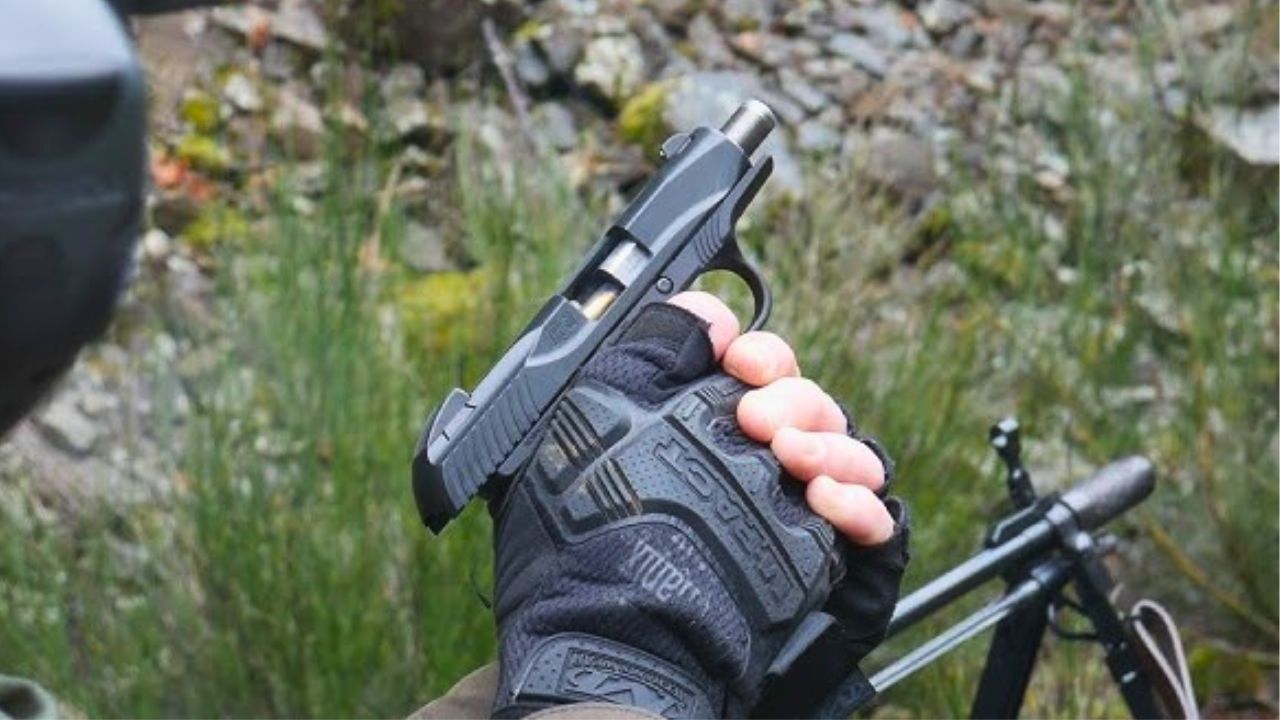
The Remington R51 gained a ton of attention when it resurfaced, but owners quickly learned how different it felt in real use. The hesitation-locking system created reliability problems that showed up across ammo types, and many shooters struggled to get consistent feeding or ejection. Even when the pistol cycled correctly, the recoil impulse felt sharper than expected for a 9mm its size. That odd behavior alone pushed many owners away from recommending it.
Ergonomics weren’t the problem—on paper, the pistol offered a slim frame and good pointability. But none of that mattered when shooters realized they couldn’t trust it in regular training or carry. The model received updates later, but the early experiences left such a strong impression that most owners still advise skipping it entirely.
Taurus PT740 Slim
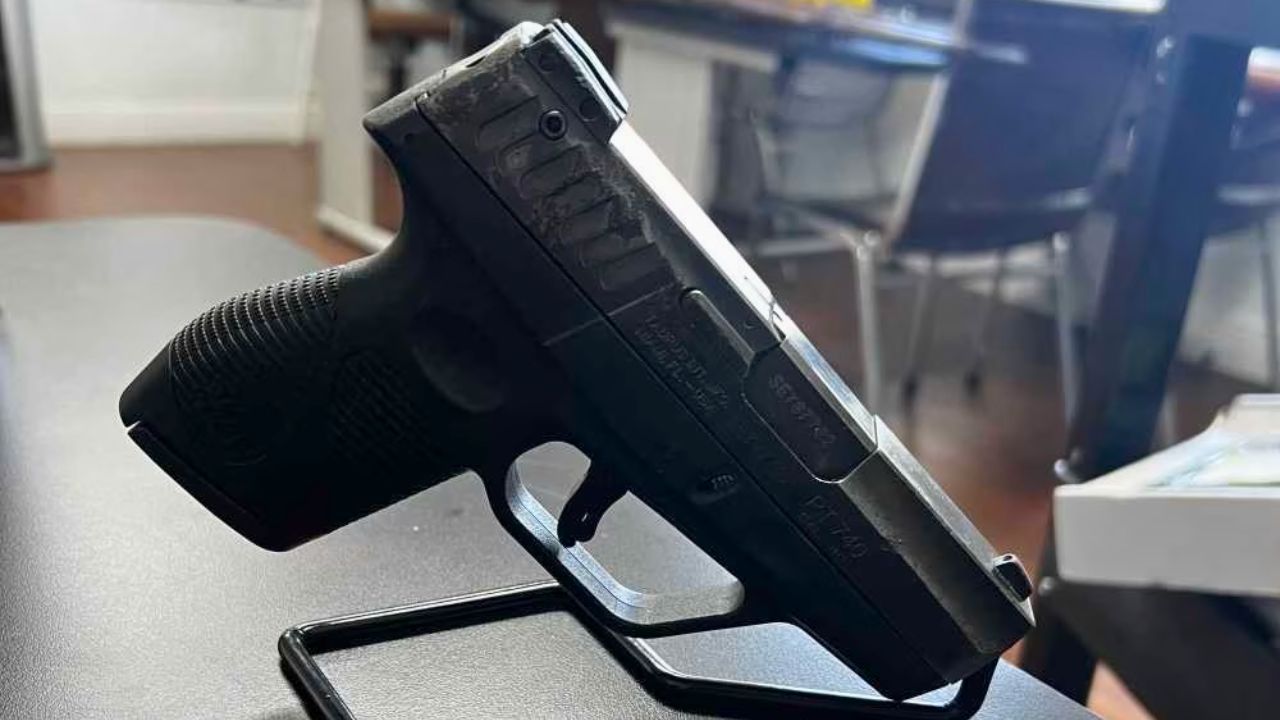
The Taurus PT740 Slim seemed like a practical carry gun, but once people lived with it, the flaws became harder to ignore. The combination of a lightweight frame and the .40 S&W cartridge made recoil snappy and unpleasant for extended shooting. Many owners reported difficulty maintaining control during rapid follow-up shots, which affected confidence in real use.
Reliability was another sticking point. While some pistols ran well, others showed inconsistent feeding depending on ammunition. Across owner discussions, that variability created a pattern—too many people experienced issues to recommend it without hesitation. Even shooters who liked the compact size eventually moved on to softer, more predictable carry guns.
KelTec PF-9

The KelTec PF-9 attracted buyers with its lightweight frame and easy carry profile, but most owners walk away from it with mixed feelings. The pistol is extremely thin, which makes recoil more punishing than expected. During range sessions, many shooters struggled to maintain steady control, especially when practicing quick follow-up shots or longer strings.
Reliability varied from gun to gun, which made recommendations even harder. Some owners had decent experiences, while others dealt with failures to feed and eject across different ammunition types. The long, heavy trigger pull also slowed down practical shooting. Even though it serves as a compact carry option, most people who’ve owned one tend to point new shooters toward more polished alternatives.
Ruger LC380
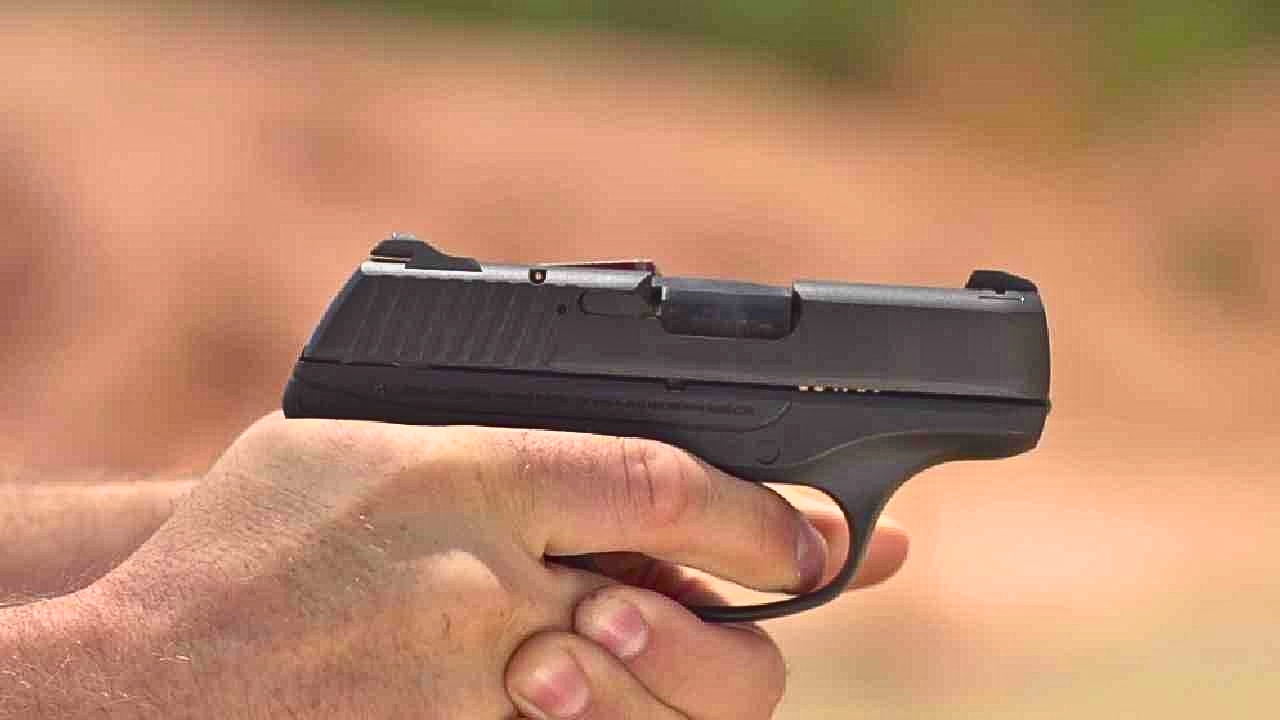
The Ruger LC380 is comfortable to carry, but once you spend time shooting it, the downsides become clearer. The long trigger pull and noticeable reset make it challenging to develop a consistent rhythm during training. Many owners found that it slowed them down, especially when compared to other compact .380 pistols with more modern controls and crisper triggers.
Accuracy is adequate for close ranges, but beyond that, the pistol doesn’t provide the stability or confidence many shooters want. Reliability isn’t terrible, but it depends heavily on ammunition selection. When owners added everything up—trigger feel, practical accuracy, and performance compared to other options—they often moved on to pistols that handled better and offered more capability in the same size class.
Hi-Point C9

Buyers often pick up the Hi-Point C9 for its affordability, but most who own one eventually stop recommending it. While the pistol is capable of functioning reliably with basic ammunition, its heavy slide and blocky build affect both comfort and handling. The recoil feels uneven, and the overall balance makes long practice sessions tiring.
The trigger is another area where owners lose enthusiasm. It feels spongy and inconsistent, making accurate shooting more difficult than it should be. Maintenance is also awkward due to the takedown process, which discourages regular cleaning. Even though the C9 can run, most shooters move on quickly and recommend saving for something more refined and manageable.
Walther CCP (Original Version)

The original Walther CCP drew interest for its gas-delayed system, but owners soon found significant drawbacks. Early models were prone to malfunctions, and many shooters experienced issues with both feeding and extraction. That inconsistency eroded trust, especially for those considering it for self-defense.
The disassembly process was another frustration. The firearm required a specific tool and multiple steps, making field-stripping inconvenient and discouraging routine maintenance. While the ergonomics were comfortable, the overall shooting experience didn’t make up for the mechanical challenges. Most owners ended up discouraging others from buying one, especially with more reliable models available in the same size category.
Remington 597 (.22 LR Version)
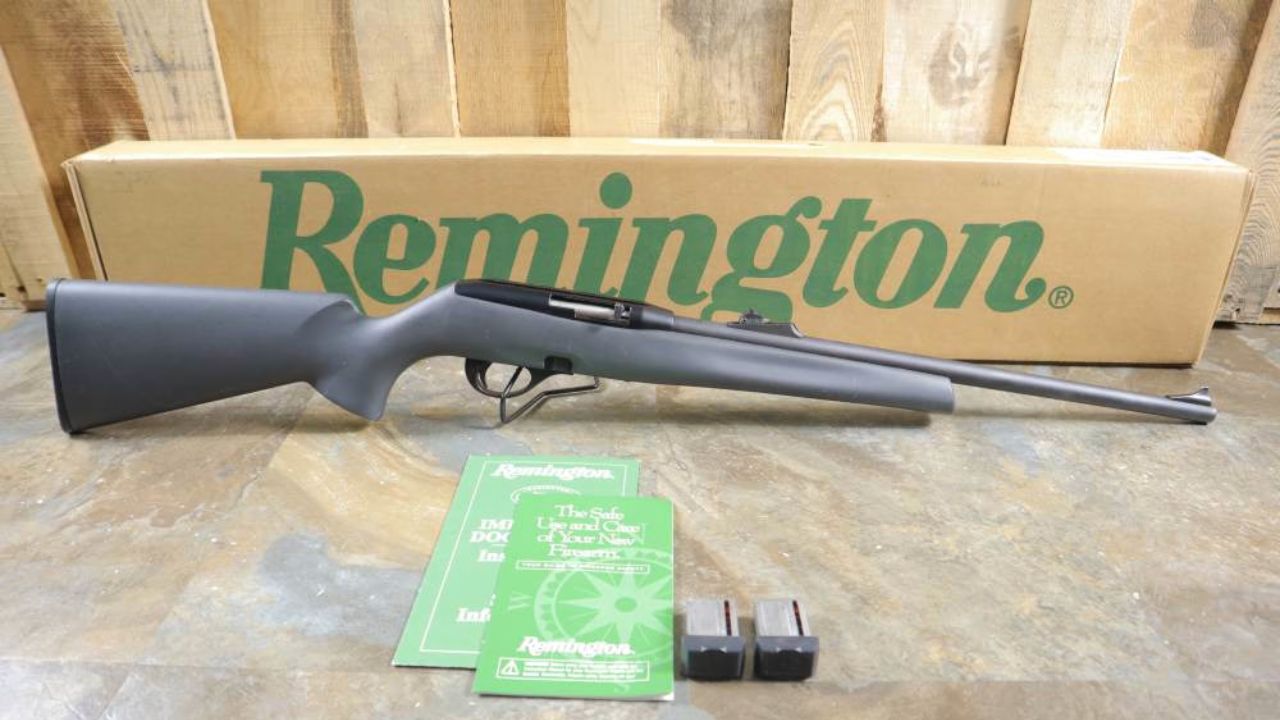
The Remington 597 promised accuracy and modern styling, but reliability issues pushed many owners to abandon it. Feeding problems were common, largely due to inconsistent magazine performance. Even with upgraded magazines, some shooters still experienced failures that interrupted range time and made the rifle feel unpredictable.
Accuracy was acceptable with certain ammunition, but the rifle never delivered the consistency many users hoped for. Compared to competitors like the Ruger 10/22, the 597 required more troubleshooting to keep running smoothly. Because of this, owners rarely recommend it to newcomers who want a dependable rimfire rifle without dealing with constant adjustments.
Mossberg 702 Plinkster

The Mossberg 702 Plinkster is lightweight and budget-friendly, but owners often grow frustrated with its inconsistent feeding and extraction. While some rifles perform acceptably, others show frequent cycling problems, especially with bulk-loaded .22 LR ammunition. The accuracy varies as well, depending on manufacturing tolerance and ammo choice.
The build quality is another concern. Many owners mention loose-fitting components and a general lack of refinement that shows up over time. Maintenance is straightforward, but that alone doesn’t outweigh the uneven performance. Shooters who’ve tried other rimfire rifles typically steer new buyers toward more dependable models that offer better consistency and long-term reliability.
SIG Sauer Mosquito
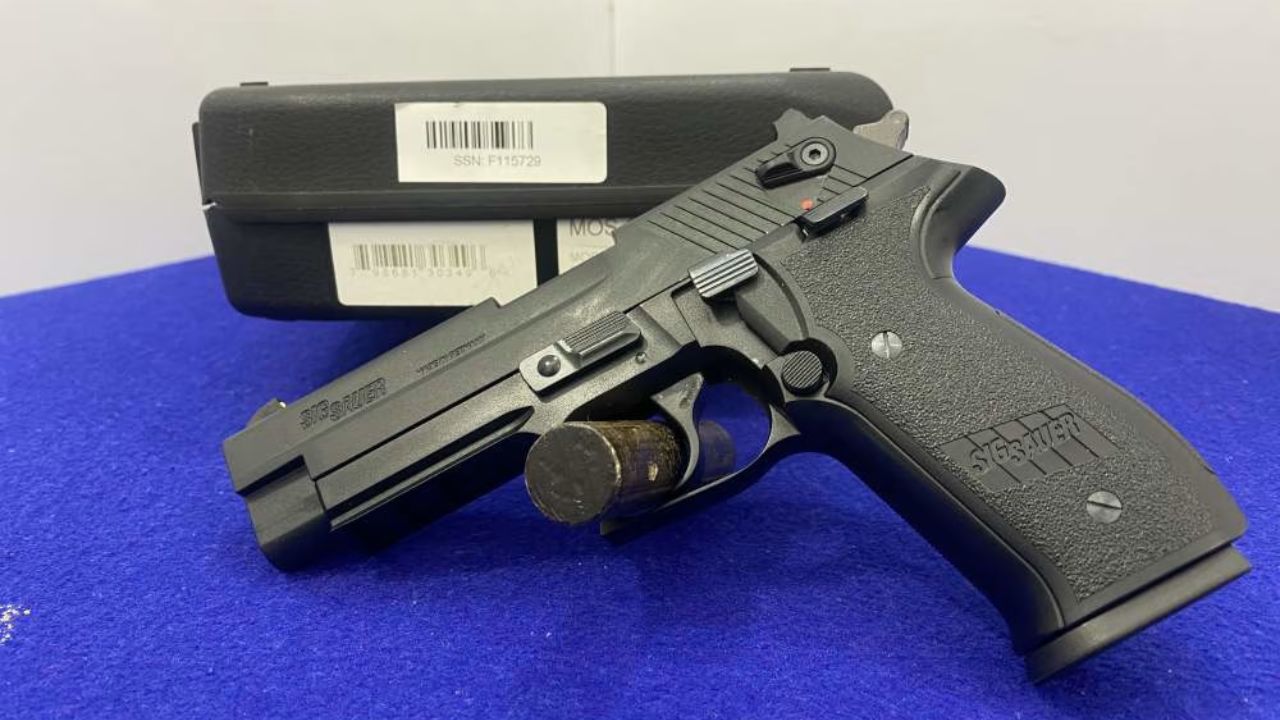
The SIG Mosquito looks appealing because it resembles classic SIG pistols in a .22 LR format. But once owners start shooting it, they discover how picky it is with ammunition. The pistol often struggles with standard bulk ammo, requiring high-velocity loads to cycle reliably. Even then, misfeeds and failures are common enough to frustrate regular users.
The trigger pull is heavier than many expect, especially in double-action. Combined with the reliability issues, that makes training sessions difficult. While the design and ergonomics feel familiar, the overall performance leaves most owners disappointed. It’s a pistol many end up avoiding in recommendations despite its initial appeal.
Beretta Tomcat (.32 ACP)
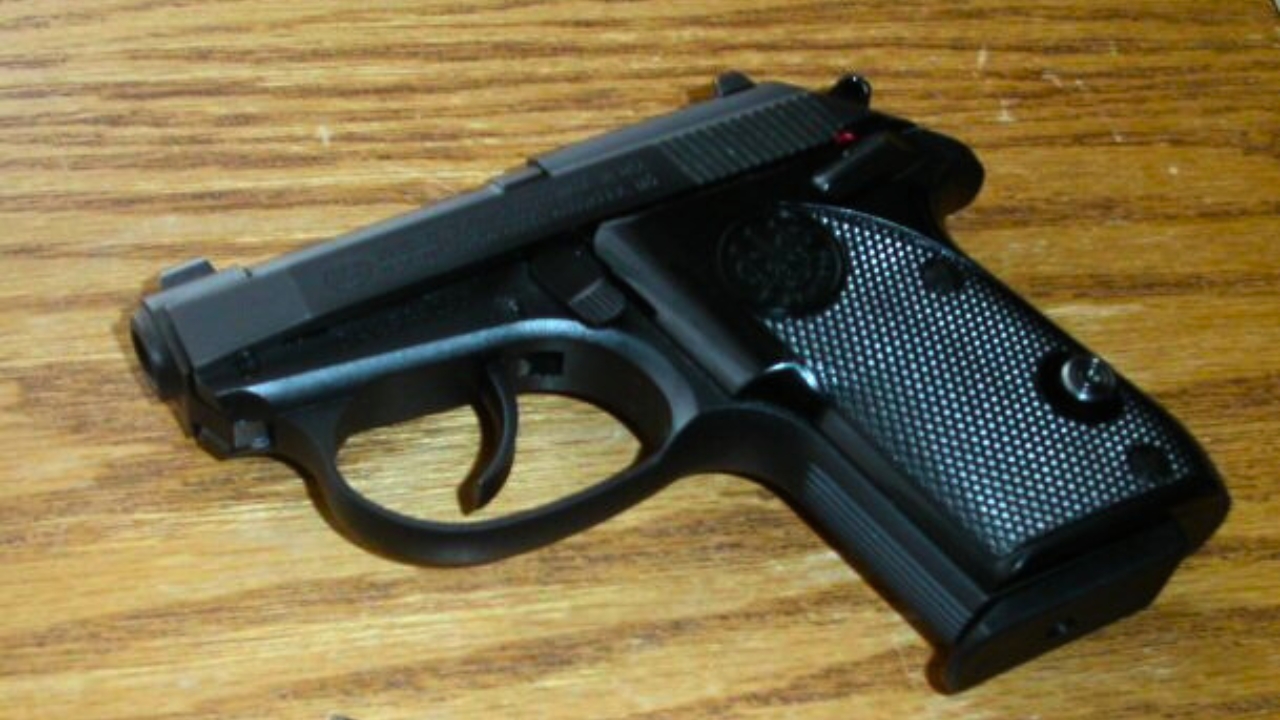
The Beretta Tomcat is compact and clever in design, but once owners shoot it extensively, the limitations become clear. The pistol develops frame cracking issues when used with hotter loads, and even standard ammunition can accelerate wear over time. This leads many shooters to treat it cautiously, reducing their confidence in recommending it.
The slide is stiff, and while the tip-up barrel helps loading, the shooting experience feels dated. Recoil feels sharper than expected for a .32, and accuracy falls off quickly as distance increases. The Tomcat serves a niche, but most owners eventually advise others to look for more durable and consistent pocket options.
Taurus Spectrum
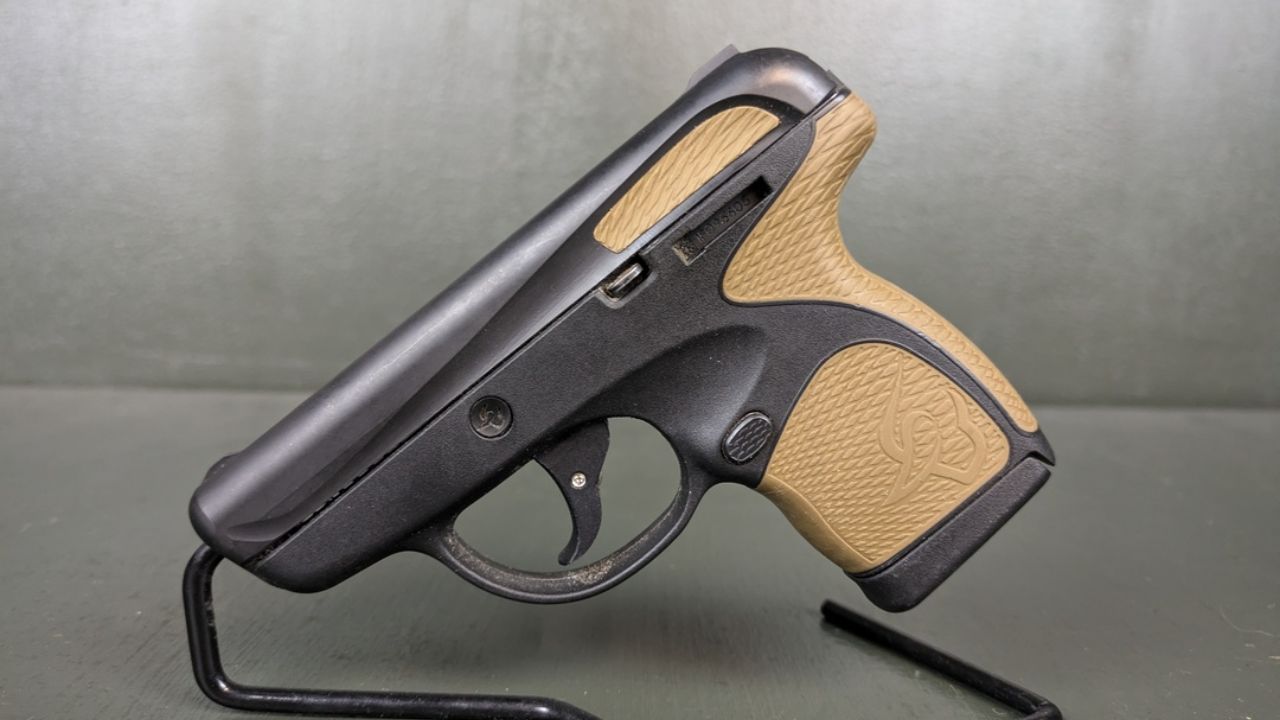
The Taurus Spectrum was designed to be sleek and approachable, but owners often discover performance problems that overshadow the styling. Feeding issues show up frequently, and reliability varies significantly across different pistols. Even when functioning properly, the trigger feels mushy and makes accurate shooting more challenging than necessary.
Grip texture is minimal, causing the pistol to shift slightly during recoil. For a small .380, that extra movement reduces shooter confidence. While some appreciate the Spectrum’s comfortable contours, most owners decide it’s not worth recommending due to its inconsistent performance and lack of refinement compared to other pocket pistols.
Rossi RS22

The Rossi RS22 can be accurate and enjoyable, but early production runs had issues that turned many owners away. Feeding reliability varied depending on magazine quality, and some rifles experienced extraction problems over time. These issues created a reputation for inconsistency that still follows the model today.
When functioning well, the rifle shoots accurately enough for plinking, but the unpredictable reliability made many owners hesitant to recommend it. With so many dependable .22 rifles on the market, shooters often prefer platforms with stronger track records. The RS22 improved in later runs, but early ownership experiences still shape the advice many give today.
Smith & Wesson Sigma Series
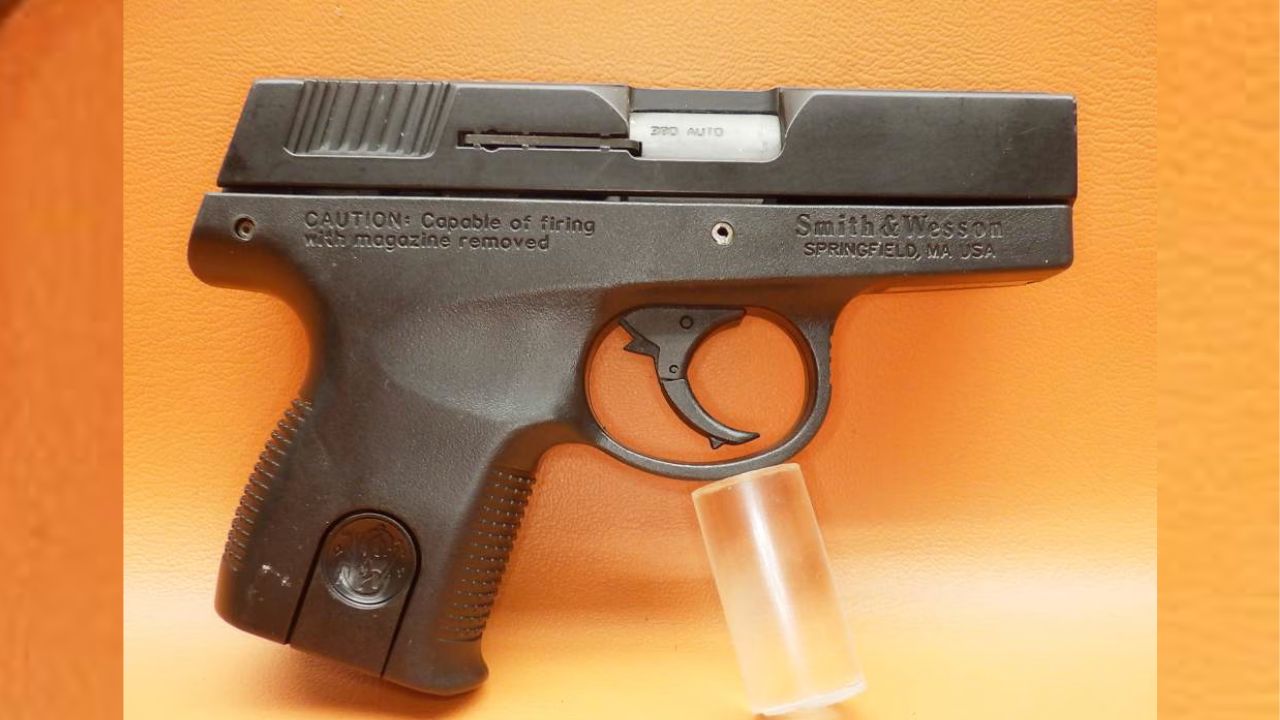
The Sigma series sold well due to its affordability, but owners seldom recommend it because of its heavy, gritty trigger. That trigger pull makes accurate shooting difficult, and the overall feel doesn’t compare well to modern striker-fired pistols. Even shooters with experience find the trigger fatiguing over longer sessions.
Reliability is generally acceptable, but the shooting experience feels dated and unrefined. Many owners quickly transitioned to other S&W models like the M&P series, which offer significantly better ergonomics and trigger performance. With so many improved designs available, the Sigma rarely gets recommended by anyone who’s spent time living with one.
KelTec Sub2000

The KelTec Sub2000 offers an appealing folding design, but many owners report issues once they begin using it regularly. The stiff recoil spring, harsh trigger, and overall flex in the frame make it difficult to shoot accurately at speed. The lightweight build exaggerates recoil pulses that feel uneven and distracting.
Owners also mention that the ergonomics can feel awkward, especially the placement of the charging handle and stock weld. While the concept is clever, the execution leaves shooters wanting more stability and refinement. After living with the rifle, many owners move toward more traditional pistol-caliber carbines that offer smoother handling and better long-term durability.
Taurus Judge (for defensive use)
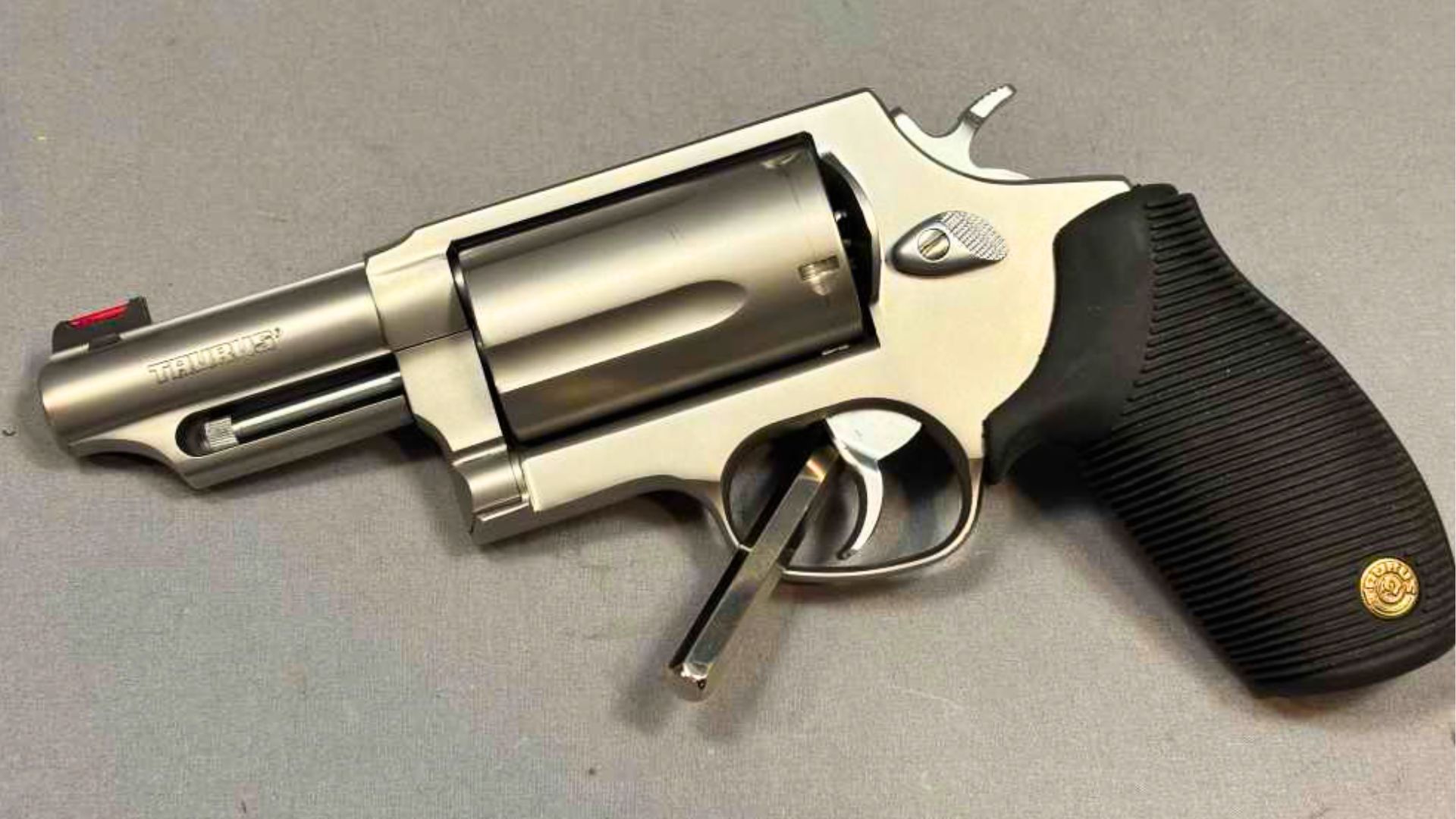
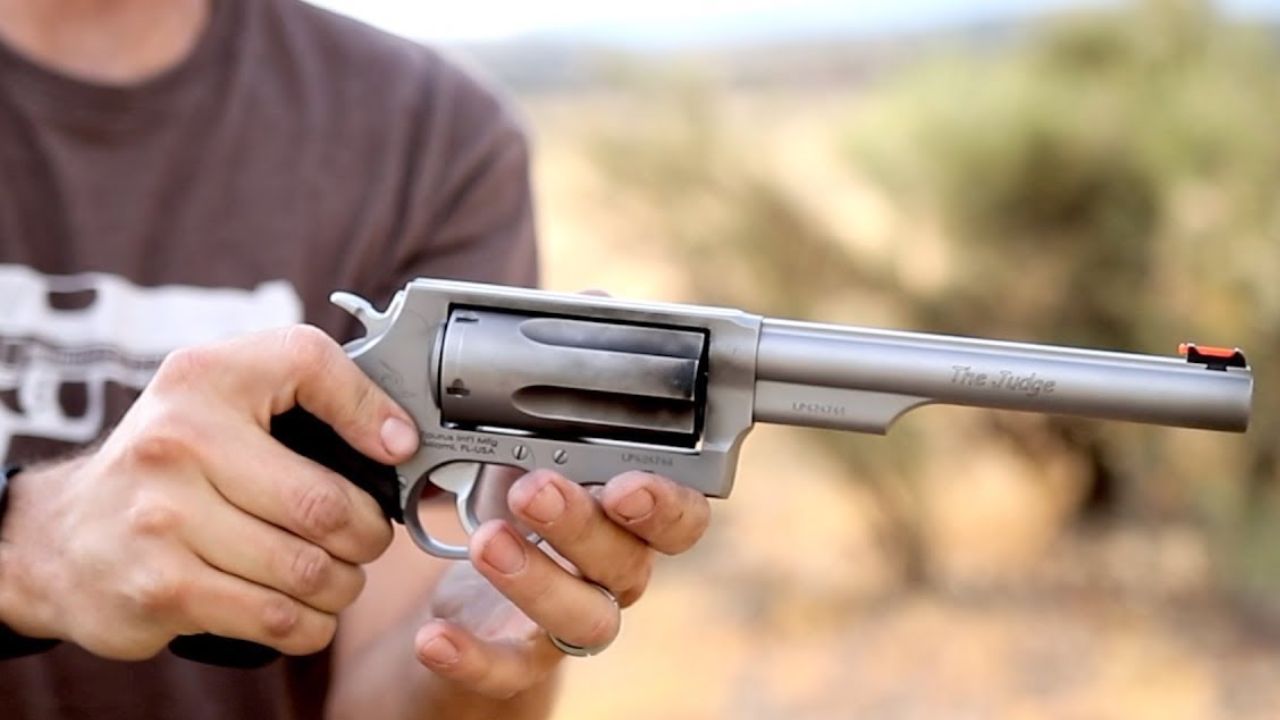
The Taurus Judge attracts attention for its ability to fire .410 shells and .45 Colt, but owners often stop recommending it once they understand its limitations. The short barrel severely limits .410 performance, and patterns quickly become unpredictable. Meanwhile, .45 Colt accuracy varies depending on load, and recoil can be surprisingly stout in lightweight models.
While the concept is interesting, practical use exposes shortcomings. Many shooters who bought one eventually realize it doesn’t outperform dedicated defensive handguns in any category. As a result, owners tend to steer newcomers toward more capable revolvers or proven semi-autos for defensive roles.
Like The Avid Outdoorsman’s content? Be sure to follow us.
Here’s more from us: