Photo credit: TheRusticRenegade/GunBroker
When you spend enough time behind a rifle, you learn quickly which ones stay consistent past that first football field and which ones start throwing shots all over the place. Plenty of rifles look the part, balance well, and feel decent on the bench, but once you stretch them beyond 100 yards, their limits show up fast. Light-profile barrels heat quickly, sloppy bedding shifts impact, and some platforms simply weren’t built for precision past close-to-moderate ranges. You don’t need a race gun to shoot tight groups, but you do need a rifle with a stable action, predictable harmonics, and ammo the barrel actually likes. These rifles often fail to bring all that together at the same time. If you’ve ever watched your groups fall apart as soon as you push distance, you’ll recognize a few of these trends immediately.
Ruger American Standard

The Ruger American sells well because it’s affordable and lightweight, but that same lightweight build works against you once you start stretching distance. The barrel heats up quickly, and groups begin to widen after only a few rounds. Even when the rifle is cold, the factory stock has enough flex that pressure inconsistencies can show up if you don’t handle it the same way every time. At 100 yards, most rifles can hide those flaws. Past that, they become much harder to ignore.
You’ll also notice that the action bedding varies from rifle to rifle, and that inconsistency plays a role when you’re trying to shoot tight clusters. The gun is still a practical hunting tool inside normal whitetail ranges, but if your goal is reliable precision beyond 100 yards, this isn’t the platform that’ll give you confidence.
Mossberg Patriot Standard

The Mossberg Patriot has earned a reputation as an entry-level hunting rifle, but it doesn’t always maintain accuracy when you move beyond close-range work. The barrel profile is thin, and once heat builds up, your groups tend to spread. The stock has noticeable flex, which can change point of impact depending on how you load the bipod or rest the forend. That makes consistency tough, especially in field positions.
At 50 to 100 yards, the rifle is serviceable, and plenty of hunters fill tags with it. But for shooters who want predictable tight groups past that, you’ll see limitations in the action fit and overall rigidity. The Patriot prioritizes lightweight handling and cost savings, not long-range precision, and that difference becomes clear whenever you stretch the distance.
Remington 770

The Remington 770 has long been known as a budget rifle with clear accuracy limits, and its performance past 100 yards is where those limits really show. The action isn’t as solid as what you’d find in older Remington models, and the pressed-in barrel system doesn’t lend itself to consistency. Even with decent ammo, you’ll often see groups open up the moment you increase the distance.
The stock is also a weak point, especially when shooting from anything other than a controlled bench rest. Flex, bedding issues, and inconsistent pressure points all contribute to flyers. While it may function well enough for basic hunting situations, it struggles to deliver the kind of tight groups modern shooters expect beyond that first stretch of open ground.
Savage Axis

The first-generation Savage Axis has always been attractive because of price, but accuracy past 100 yards varies widely. The barrel can shoot surprisingly well when conditions are perfect, but the factory trigger holds it back. It often breaks heavier than most shooters prefer, and that alone affects group size when you’re pushing out farther. Once the barrel warms up, groups tend to loosen even more.
The ultralight stock also doesn’t help when you’re looking for consistency. Its forend flexes easily, and if your rest or hand position changes even slightly, point of impact shifts. It’s fine for close-range woods hunting, but expecting tight, repeatable groups past 100 yards with the stock setup will leave you frustrated.
Winchester XPR Compact

The Winchester XPR Compact handles well in the woods, but its shorter barrel can limit precision when you start stretching distance. Velocity drops more than many shooters expect, and that shows up in group stability beyond 100 yards. The compact stock also makes it harder to lock into a consistent shoulder position, which adds another variable that affects accuracy.
While the action itself is solid, the lightweight forend and reduced sight radius (if using irons) lead to noticeable inconsistency during longer strings. Hunters appreciate its maneuverability, but if your expectations include steady groups past moderate ranges, the XPR Compact’s design will hold you back unless you make upgrades.
CVA Cascade (Base Model)
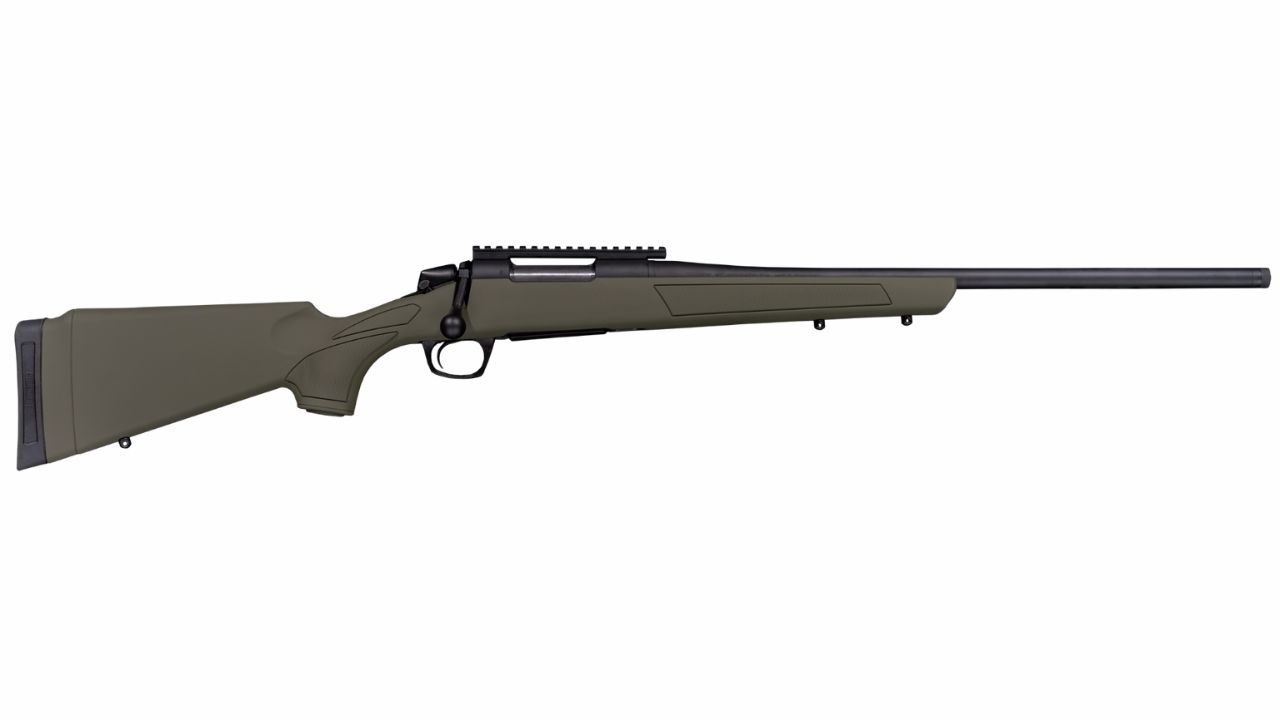
The Cascade is reliable and smooth, but the base model’s accuracy beyond 100 yards isn’t always as tight as advertised. Barrel harmonics vary with ammunition more than expected, and some rifles show clear preferences that limit flexibility in the field. Once the barrel heats, slight point-of-impact shifts appear, widening groups.
The stock shape is comfortable, but its rigidity could be better, especially when shooting off bags or sticks. That flex contributes to inconsistencies you won’t see at close range but will definitely see at 150 yards and beyond. It’s a capable entry-level rifle, yet it doesn’t offer the same long-range repeatability as more established mid-tier options.
Howa 1500 Hogue

The Howa 1500 action is strong, but pairing it with the Hogue overmold stock is where accuracy starts to fall off at longer distances. That stock has more flex than people expect, and that movement affects your forend pressure every time you settle into a different position. At 100 yards or less, you may not notice, but once you stretch to 150 or 200, groups widen noticeably.
The light barrel profile also heats up faster than you might like, and that heat leads to unpredictable vertical stringing. The rifle is smooth and reliable, but if your goal is tight long-range accuracy, the Hogue-stocked versions require more aftermarket support than many shooters realize.
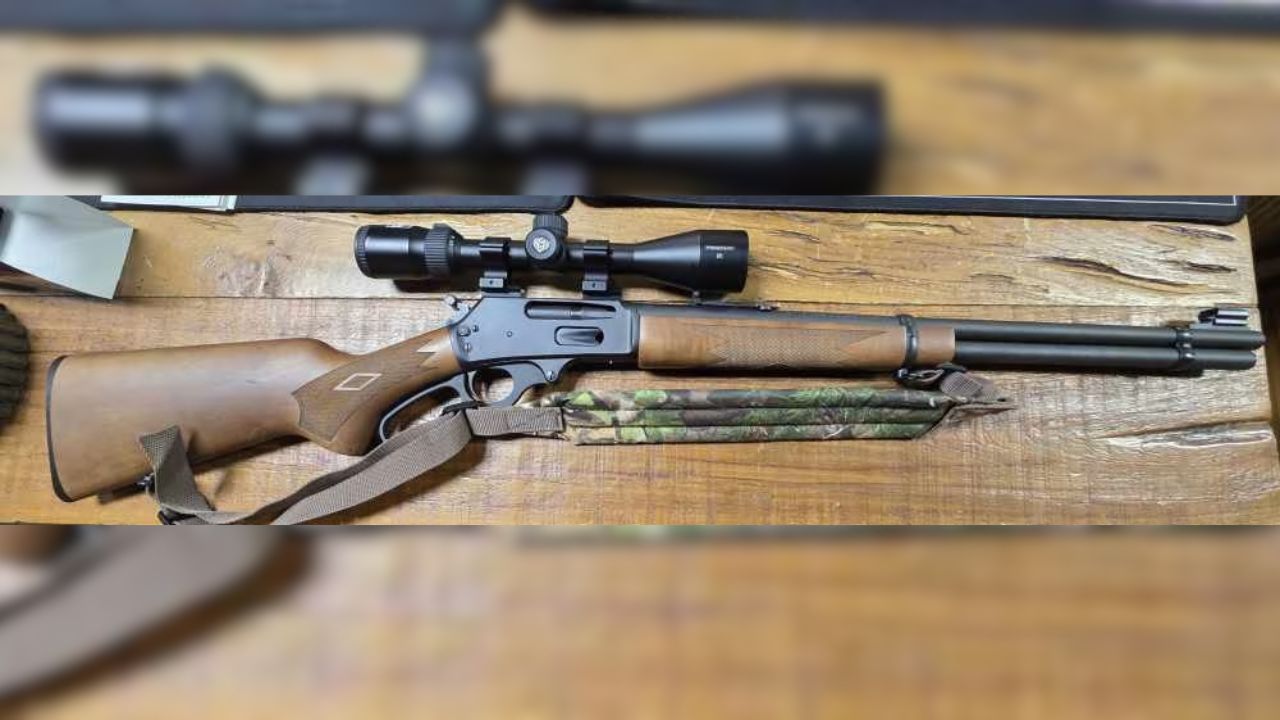
Marlin 336 (Lever Gun)

The Marlin 336 is a classic, and inside 100 yards, it performs well for what it is. But expecting tight groups beyond that range isn’t realistic. The lever-action design and two-piece stock introduce movement that affects precision, and the barrel band can influence harmonics as it heats. Even with quality ammo, you’re working with a rifle designed for close-range hunting, not long-range precision.
The sights—or even a basic scope setup—won’t give you the same precision control you’d get from a bolt-action. It’s dependable and accurate for its intended role, but pushing it past 100 yards exposes the inherent limits of the platform.
Henry H010 .30-30

Henry’s steel-frame .30-30 rifles are well-built and smooth, but they’re not cut out for tight long-range grouping. The tubular magazine and barrel attachment method influence harmonics, especially as the barrel warms. You’ll often see groups shift slightly with heat, and while that doesn’t matter for close shots, it becomes harder to ignore at longer ranges.
The rifle excels in thick cover where distances stay short. But once you step into open country or try to use it like a precision bolt gun, its limitations show immediately. It’s accurate within its intended envelope, not beyond it.
Rossi Model 92

The Rossi 92 is lightweight, fast-handling, and fun to shoot, but it wasn’t built for tight groups at extended ranges. The action has more play than modern bolt guns, and the two-piece stock system adds another layer of inconsistency. Even with good ammo, groups rarely stay tight beyond 100 yards, and heat affects impact even more.
Open sights or basic optics further limit precision, and the shorter sight radius makes small errors obvious downrange. It’s a fine close-range ranch or woods rifle, but pushing it for long-range precision is setting yourself up for frustration.
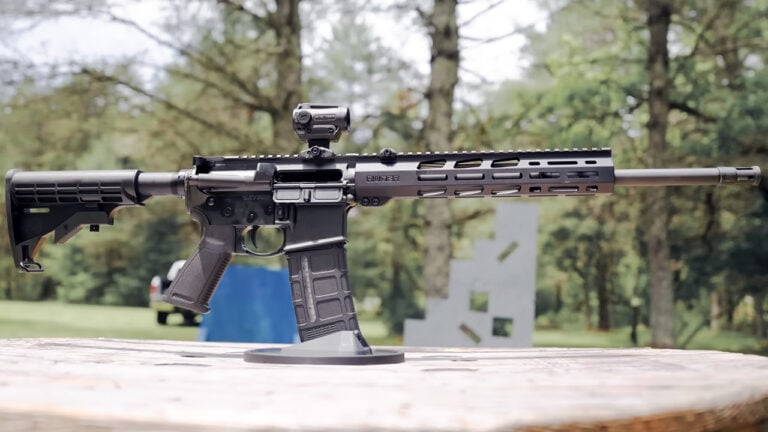
Ruger Mini-14 (Standard Model)

The Mini-14 has a loyal following, but precision has never been its strong suit. Even with the improved barrels on more recent versions, the platform still struggles to maintain tight groups as distance increases. The thin barrel heats quickly and causes noticeable stringing, and the action’s design doesn’t offer the same stability you’d get from a bolt gun or even a quality AR.
Inside 100 yards, you can keep groups respectable, but once you move beyond that, consistency drops. If you’re expecting sub-MOA precision past 100, you’ll be disappointed. The Mini-14 was built for reliability and handling, not precision.
Ruger 10/22 Carbine

The 10/22 Carbine is one of the most popular rimfires ever made, but standard models are not precise past 100 yards. .22 LR ammunition loses velocity fast, and wind wreaks havoc on point of impact. Even with perfect technique, ammo variation alone creates vertical and horizontal spread at longer ranges.
The factory barrel and stock aren’t built for tight long-distance groups either. The platform is legendary for reliability and customization, but if you want 100-yard-plus precision, you’re looking at aftermarket builds—not the stock carbine.
Henry Single Shot .308

The Henry Single Shot in .308 sounds like it should deliver great long-range accuracy, but the heavy trigger and simple lockup can hold the rifle back. That trigger alone makes precision shooting harder than it should be, especially when you’re working past 100 yards. The stock shape also doesn’t lend itself to a stable prone or bench position.
While the rifle is dependable and rugged, it’s not tuned for long-range accuracy. You’ll see more variation in group size than with other .308 rifles in the same price bracket. For hunters inside normal ranges, it works. Beyond that, it struggles.
Remington 783 (Base Stock)

The Remington 783 can shoot well with the right setup, but the base stock cripples long-range accuracy. It flexes under pressure, and that movement introduces inconsistency the moment you change shooting positions. Even slight differences in grip or rest placement show up downrange.
The action itself is serviceable, but when paired with the stock barrel and flexible polymer, it’s tough to keep groups tight beyond 100 yards. Many shooters upgrade the stock and see improvement, but out of the box, the rifle doesn’t offer the stability needed for long-range precision.
Savage 110 Lightweight Storm

The Lightweight Storm was made to be carried all day, not to punch tiny groups at distance. The thin barrel warms quickly, and rapid heating leads to noticeable point-of-impact changes. Even in cold conditions, group consistency fades once you fire a few shots.
The reduced weight also makes the rifle more sensitive to shooter input. Slight inconsistencies in shoulder pressure or trigger control become exaggerated as distance increases. Inside the woods, it’s handy and effective. Beyond 100 yards, the limitations show up quickly when you’re trying to keep groups tight.
Like The Avid Outdoorsman’s content? Be sure to follow us.
Here’s more from us:
The worst deer rifles money can buy
Sidearms That Belong in the Safe — Not Your Belt
*This article was developed with AI-powered tools and has been carefully reviewed by our editors.