Photo credit: BallisticAviation/YouTube
A cheap handgun can feel like a win—until you start asking it to do serious work. The truth is, “easy to buy” often means some mix of low price, wide availability, and a lot of units pushed out the door. That doesn’t automatically make a pistol bad. It does mean you’re more likely to run into inconsistent quality control, magazines that vary lot to lot, and designs that run fine with one load and choke on another.
When you’re buying something for protection, trust is earned at the range, not at the counter. These are handguns you’ll see often—new, used, trade-in, pawn shop, or bargain shelf—and they’ve built reputations for being hit-or-miss. Some owners get a good one and never look back. Others spend more time diagnosing than shooting. If you carry one of these, you prove it the hard way before you ever bet your life on it.
Taurus PT111 Millennium G2
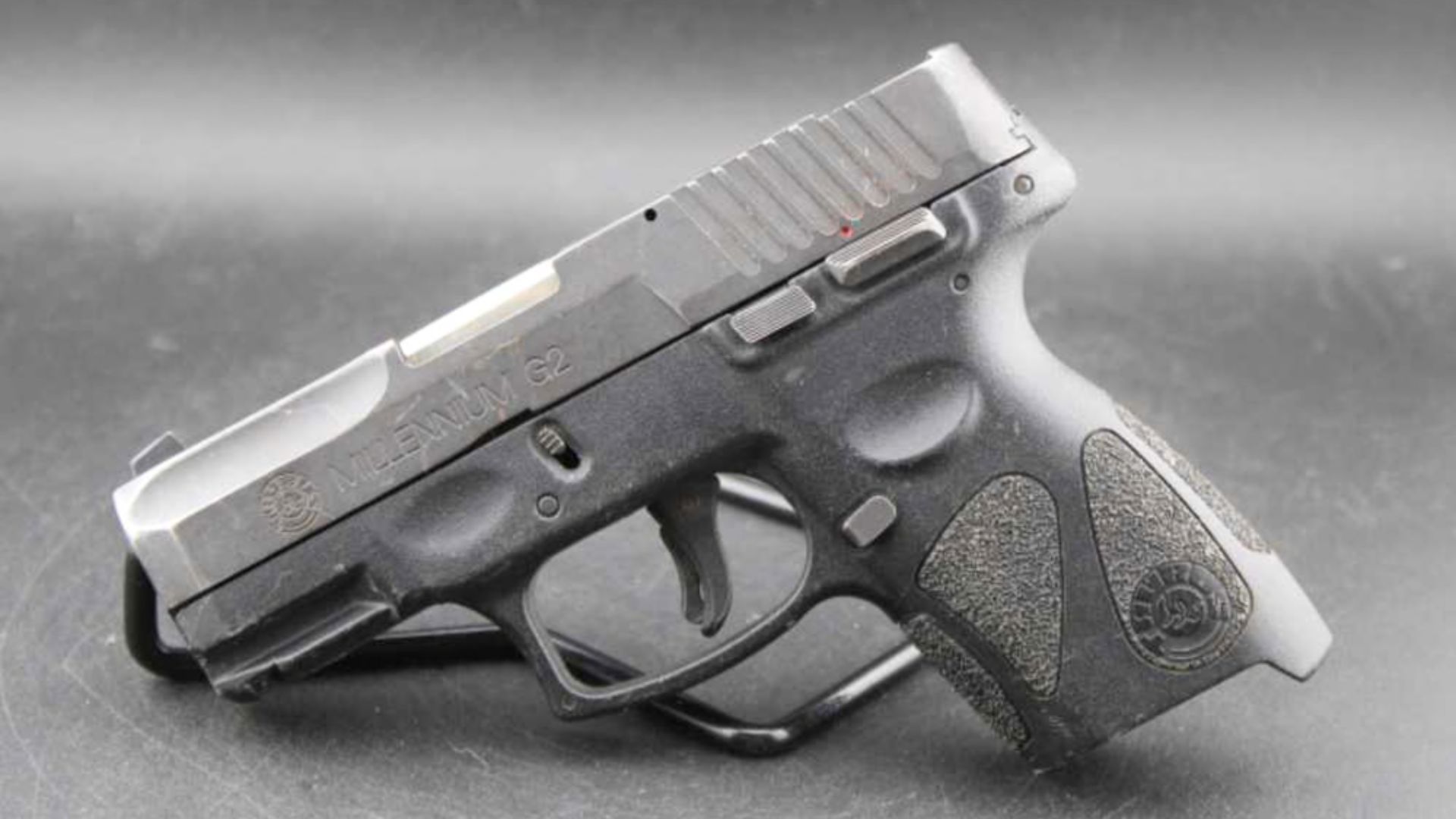
The PT111 G2 is easy to buy because it’s priced to move, and a lot of them have been sold. That’s also why you hear so many mixed stories. When a pistol has wide distribution and uneven QC across years and batches, the reputation gets messy fast. Some run fine. Others show up with rough feeding, erratic ejection, or a general “something feels off” vibe that’s hard to ignore.
The hard part is that you can’t look at one in the case and know which experience you’re going to get. The mags matter, ammo choice matters, and a small issue can turn into recurring stoppages. If you want confidence, you end up doing more proving and more tinkering than you planned. Cheap up front can get expensive in time.
Taurus PT145 Millennium Pro

A compact .45 is already a tight timing game, and the PT145 has a long history of being inconsistent across individual guns. You’ll see them everywhere because they were affordable, easy to carry, and appealing to people who want .45 power in a small package. That same small package can magnify problems when springs, mags, or tolerances aren’t right.
When you get a good one, it can feel like a steal. When you get a questionable one, trust evaporates fast because malfunctions in a short .45 tend to be ugly—failures to feed, weird cycling, and mags that don’t behave the same from one to the next. It’s the kind of pistol that forces you to earn confidence through repetition instead of assuming it.
Taurus PT709 Slim

The PT709 Slim checks the right boxes for a lot of buyers: thin, light, easy to conceal, and usually priced within reach. It’s also a model that has carried a reputation for being more sensitive than it should be—especially when you start mixing ammo types and running it hard.
Some examples behave, some don’t, and that unpredictability is what makes it hard to trust. You may see intermittent failures to feed or odd ejection patterns that show up after the pistol gets dirty or hot. The thin, lightweight format doesn’t give you much margin when something is slightly out of spec. If you carry it, you end up putting extra emphasis on magazine function, recoil spring health, and real testing with the ammo you actually plan to use.
Taurus TCP 738
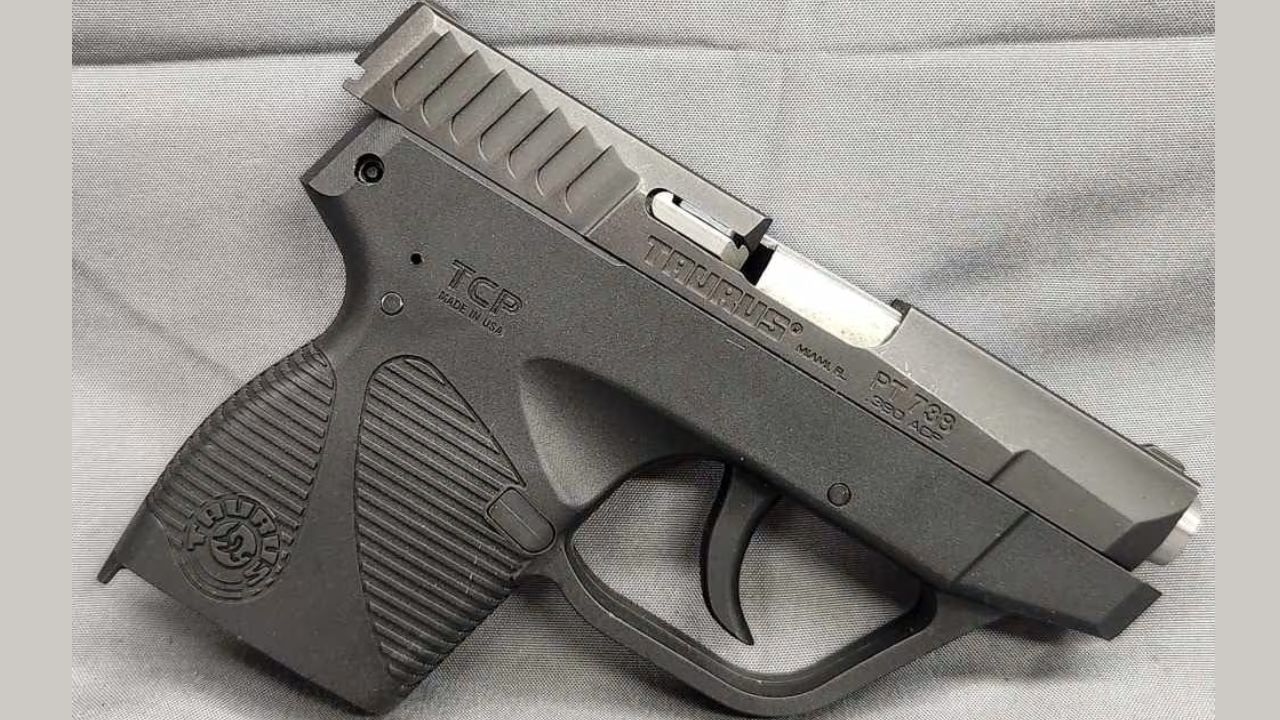
Pocket .380s are all compromise, and the TCP has long been a “good idea that sometimes behaves like a moody little machine.” It’s easy to buy because it’s compact, light, and often inexpensive on the used market. It also has a reputation for being more ammo- and limp-wrist-sensitive than many shooters expect.
When a tiny pistol runs, you barely notice it in recoil and carry comfort. When it doesn’t, it becomes a stoppage generator that makes you question every part of your setup. Some TCPs do fine with specific loads and clean magazines. Others show inconsistent feeding or extraction once you get beyond a short, clean range session. The problem isn’t one single flaw—it’s the nagging uncertainty that shows up when you want the gun to be boring.
Taurus Spectrum

The Spectrum looked like a fresh take on the pocket pistol, and it was priced to catch a lot of attention. The trouble is that the model quickly picked up a reputation for reliability problems that many shooters couldn’t ignore. You’ll hear the same themes repeated: feeding issues, inconsistent cycling, and performance that varies too much from one example to the next.
That’s a brutal problem for a defensive gun, because you’re buying it for convenience and confidence. Instead, some owners ended up treating it like a project. Even when you find one that runs, the reputation still hangs over it because the reports were widespread enough to stick. It’s the kind of pistol that can make you second-guess your choice every time you load it up, and that’s not what you want from something riding in your pocket.
SCCY CPX-2

The CPX-2 is easy to buy because it’s priced for real budgets and it’s widely available. It’s also a pistol with a long-running reputation for inconsistency. Some people get a reliable one and feel like they beat the system. Others get one that turns routine range time into malfunction practice.
A lot of the complaints center around magazines and general tolerance stacking—small issues that show up as failures to feed or odd cycling. The trigger system also encourages shooters to run it differently than they would a striker gun, and that can expose control problems during fast strings. The bigger issue is confidence. When your pistol has a reputation that depends on whether you got a “good one,” you can’t skip the proving process. You earn trust the hard way or you never really have it.
Kel-Tec PF-9
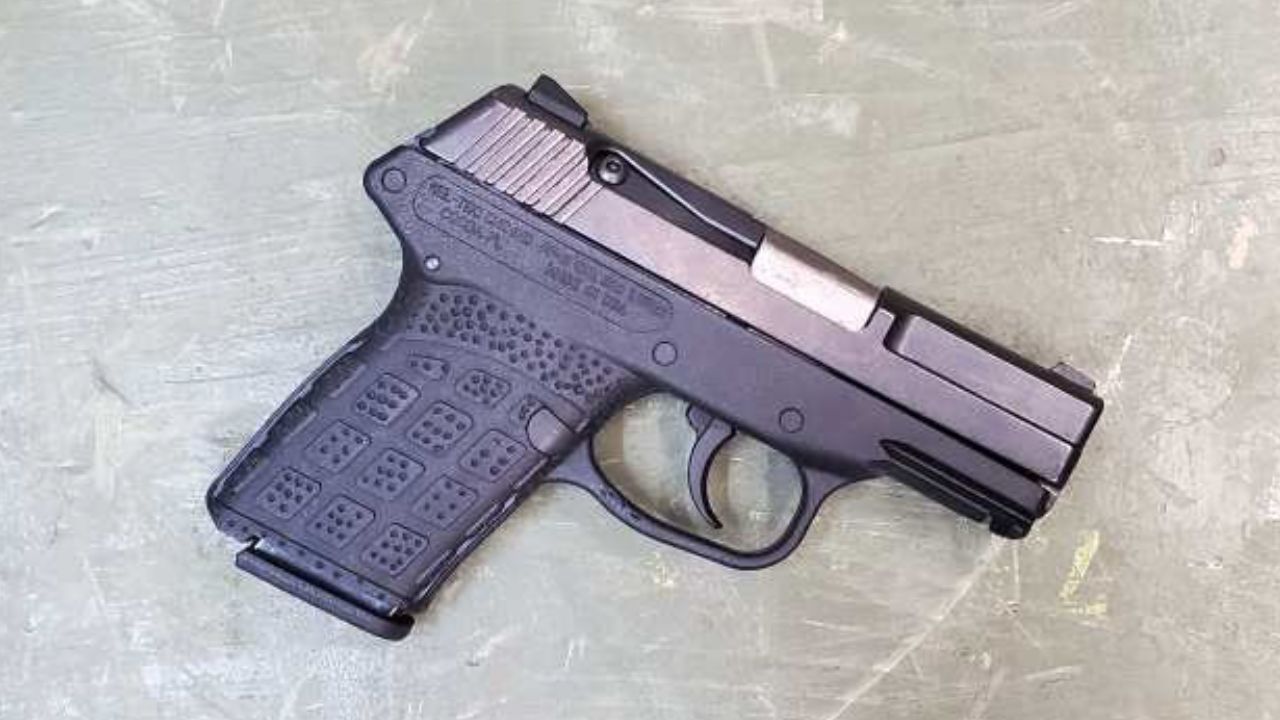
The PF-9 has always been attractive because it’s thin, light, and usually affordable. It was one of the earlier answers to the “carry a real 9mm in a small package” problem. That same small package is why it can be hard to trust without serious testing. Lightweight pistols have less margin for weak grip, marginal ammo, or magazines that aren’t perfect.
The PF-9 has built a reputation for being more sensitive than larger pistols, especially as it gets dirty or when shooters run it fast with a less-than-solid hold. Some examples run fine. Some never feel completely settled. If you carry one, you end up paying attention to maintenance, recoil spring health, and how the gun behaves with your chosen load. The gun can work, but it asks more from you than many modern compacts.
Kel-Tec P-11

The P-11 is a classic budget carry gun that’s still floating around everywhere—shops, trade-ins, and pawn cases. It’s easy to buy because it’s common and often cheap. It’s hard to trust because the platform can feel rough, inconsistent, and sensitive to the little details that make semi-autos run smoothly.
You’ll hear about failures to feed tied to magazines, cycling issues with certain loads, and guns that run well for a while and then start acting up when they’re dirty or worn. The P-11 also has a reputation for being unpleasant to shoot, and that matters because a pistol you hate practicing with rarely gets enough rounds to truly prove itself. Plenty of people have carried them. Plenty of people have replaced them. That split tells you what you need to know.
Remington R51
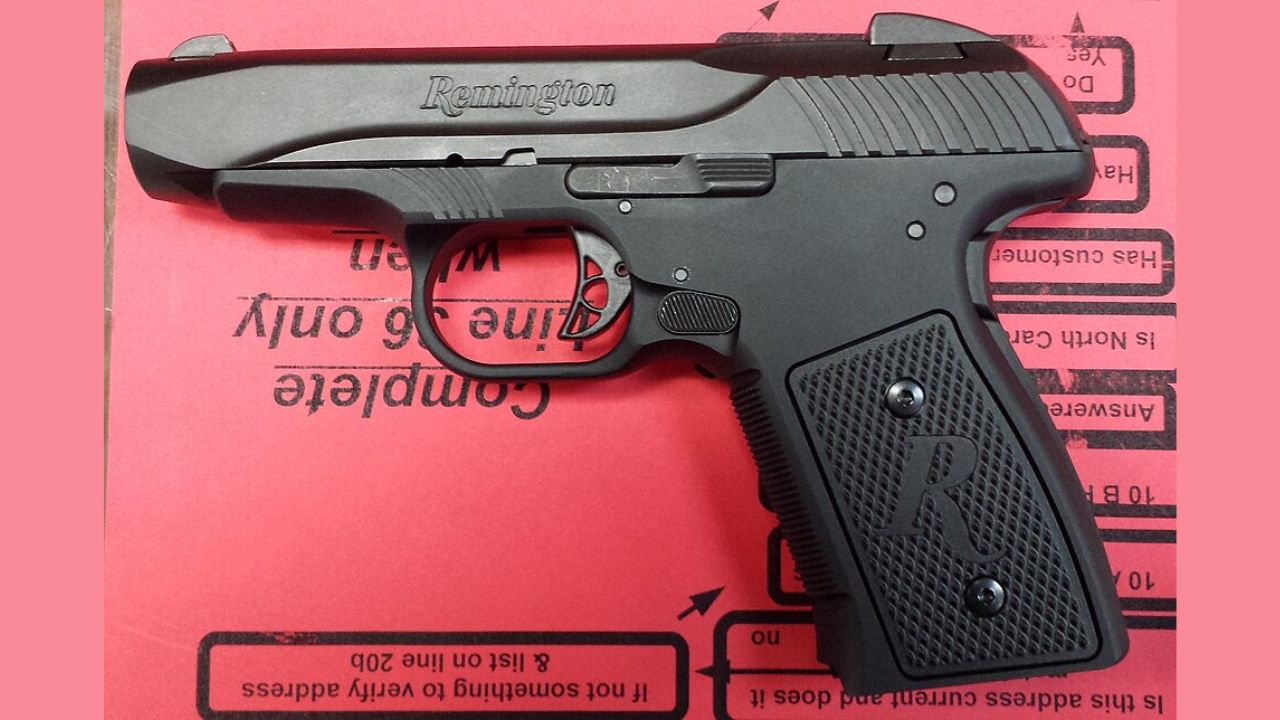
Early-production R51 pistols are famous for the wrong reasons. They were easy to buy because they hit shelves with a lot of hype and curiosity, and many people wanted to try something different. The problem is the model quickly developed a reputation for malfunctions and inconsistent performance that burned trust fast.
Some shooters experienced repeated stoppages and behavior that didn’t feel defensive-grade. Even when an individual gun ran acceptably, the overall track record made a lot of people uneasy. That’s the real issue with trust: it’s not only about whether your specific pistol runs today. It’s whether you believe it will keep running when you’re tired, stressed, and not shooting in perfect conditions. The R51’s early reputation made many shooters treat it like a range experiment instead of a carry tool.
SIG Sauer Mosquito

The Mosquito is easy to buy because it wears a respected name and fills a popular niche: a rimfire trainer that feels like a duty pistol. It’s hard to trust because the model has long been known for being picky, especially with ammo. Rimfires are already more variable than centerfire, and the Mosquito has a reputation for magnifying that variability.
Many owners report that it runs best on specific loads, and it can stumble with bulk ammo in ways that drain your patience. Failures to feed and failures to extract are common complaints across years of ownership stories. A .22 pistol doesn’t need to be perfect, but it should be consistent enough to stay fun and useful. When you’re clearing stoppages every magazine, you stop training and start troubleshooting. That’s why the Mosquito’s reputation keeps coming up.
Walther P22
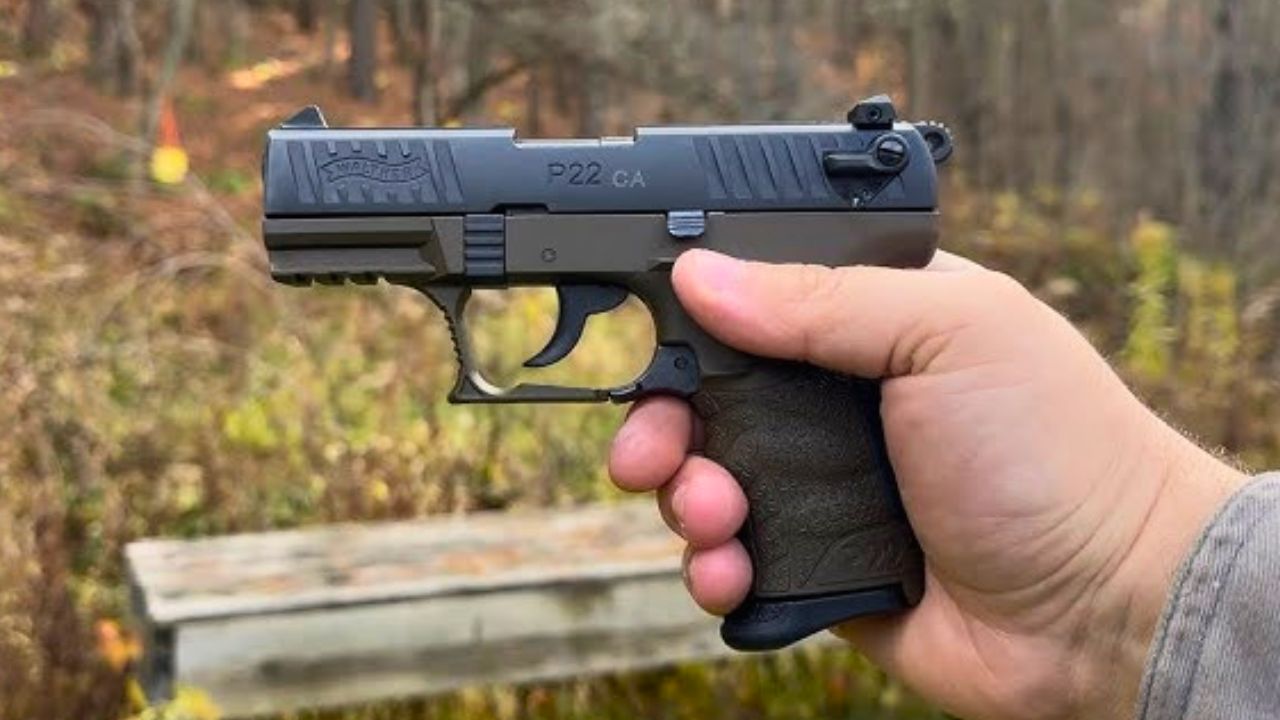
The P22 is easy to buy because it’s common, affordable, and appealing as a light rimfire pistol. It’s hard to trust because it has a long-running reputation for being ammo-sensitive and finicky. Some examples run well. Others live in a constant cycle of stovepipes, feeding issues, and inconsistent extraction.
The frustration comes from expectations. You want a .22 that eats cheap ammo and lets you shoot all afternoon. Instead, many owners end up experimenting with loads, cleaning more often than expected, and still dealing with random stoppages. Rimfire pistols can be picky, but the P22 has been singled out often enough that it’s become part of the model’s identity. If your goal is a dependable trainer, a pistol that’s known for unpredictable behavior becomes hard to trust—even when it feels good in hand.
Phoenix Arms HP22A

The HP22A is easy to buy because it’s inexpensive and shows up everywhere in the budget handgun world. It’s hard to trust because it’s a small rimfire with a long history of complaints about reliability and durability. Many shooters run into feeding and extraction issues, especially with cheap bulk ammo, and the overall feel is often less confidence-inspiring than it should be.
Even when it runs, the platform tends to feel like a compromise in the wrong direction. A rimfire trainer should invite practice. The HP22A often turns practice into a series of interruptions. Add in the reality that budget pistols can vary from example to example, and you end up with a handgun that may function acceptably or may become a headache. It’s a pistol that sells easily on price, then demands patience to keep it running smoothly.
Jimenez JA-9
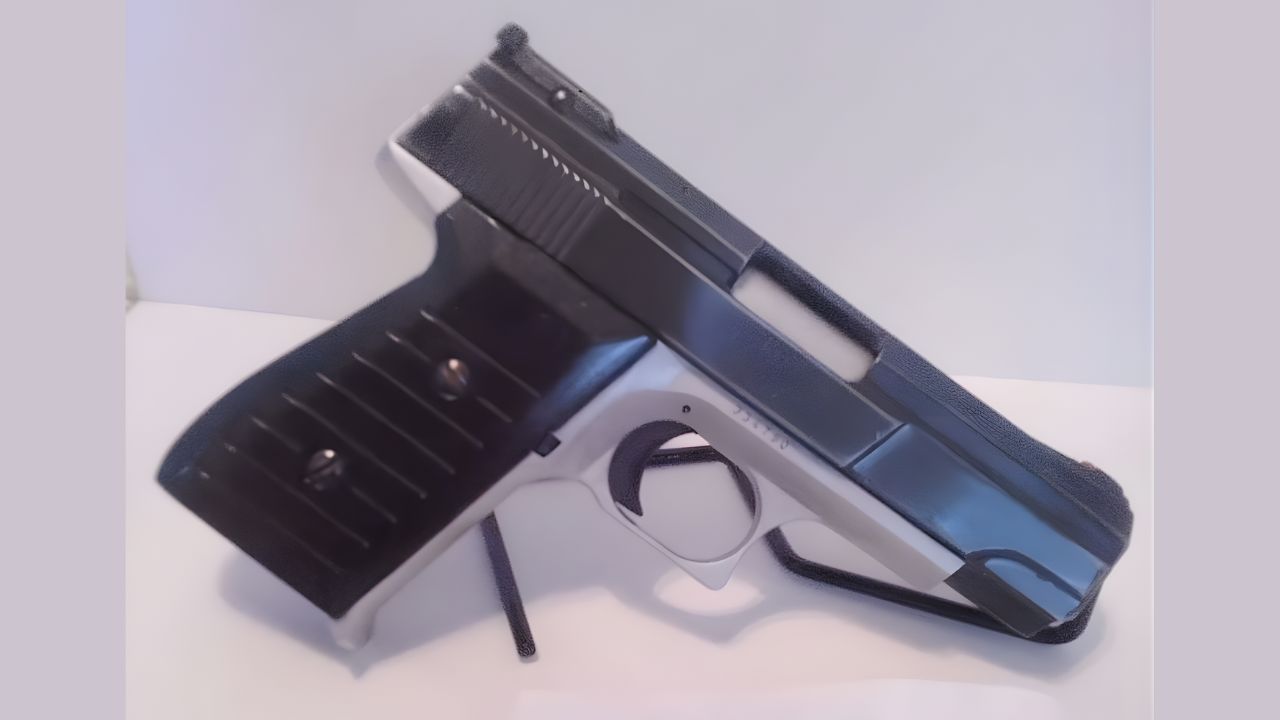
The JA-9 is a classic “cheap 9mm” that has been easy to find in the bargain corner of the handgun world. It’s hard to trust because it has a long-standing reputation for rough quality, inconsistent reliability, and parts wear that can show up sooner than you’d want in a defensive tool. When you’re buying at the absolute bottom of the market, you’re often buying variability.
You may see feeding issues, strange ejection patterns, or guns that run fine for a short time and then start acting up. Even if your individual pistol behaves, the platform’s reputation makes it difficult to carry with a clear conscience unless you’ve put in serious proving time. The JA-9 is a reminder that “9mm for cheap” isn’t the same as “9mm you can bet your life on.” Trust costs something.
Lorcin L380

The Lorcin L380 is easy to buy in the used world because it’s one of those pistols that shows up frequently and sells on price. It’s hard to trust because it comes from the era of ultra-budget pocket guns that often earned reputations for poor durability and inconsistent function. These pistols were built to a cost, and you feel it in how they handle wear and how they respond to real use.
Even when they run, they rarely inspire confidence. Many shooters treat them as last-ditch options or curiosity pieces rather than serious defensive guns. Feeding and extraction complaints have followed these models for years, and replacement parts and service support can be limited. That’s a bad combination for a handgun you might depend on. Cheap guns often feel like a shortcut, but the Lorcin reminds you that shortcuts tend to show up at the worst moment.
Raven Arms MP-25
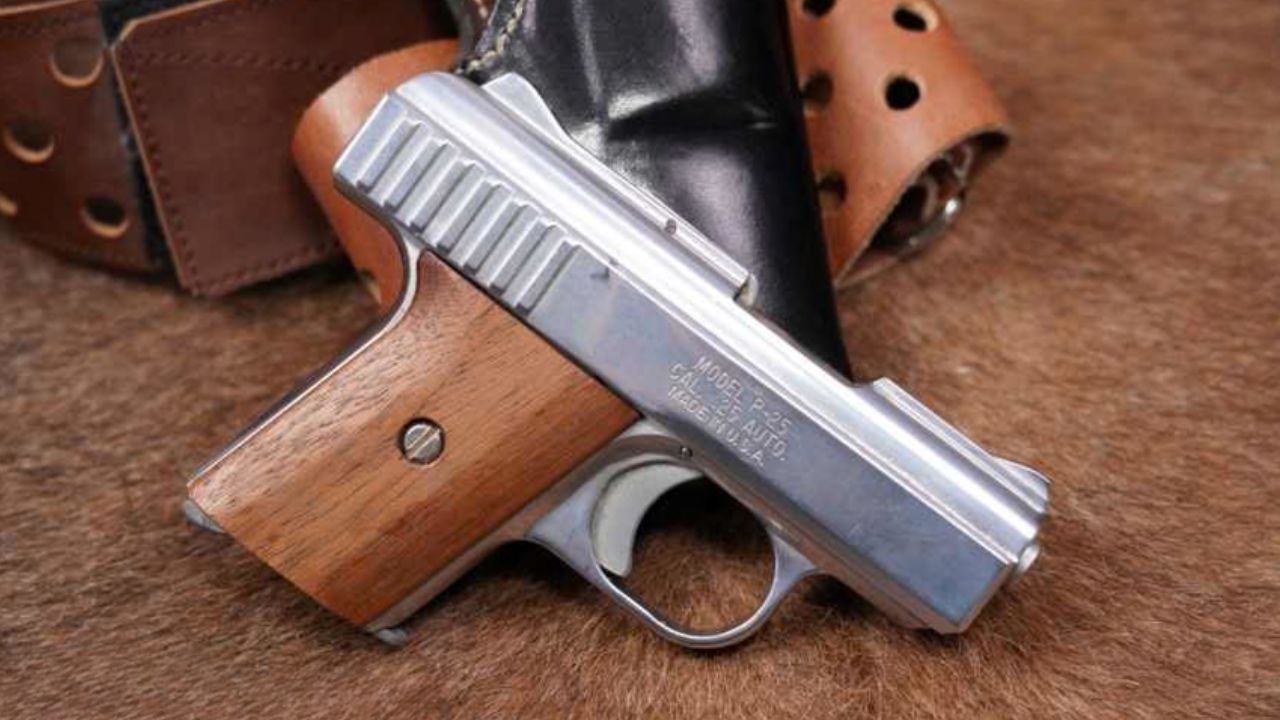
The MP-25 is easy to buy because it’s common on the used market and usually inexpensive. It’s hard to trust because it’s a small, ultra-budget pistol with a reputation shaped by the same realities as many “pocket specials” from that era: inconsistent reliability, limited durability, and designs that weren’t built for high confidence defensive use.
.25 ACP itself is mild and can be pleasant to shoot, but that doesn’t fix a gun that may be finicky with feeding or prone to wear issues. A pistol like this can function, and some do, but trust is about more than “it fired a few magazines.” It’s about repeatable performance across time, ammo, and conditions. The MP-25 often lands in the category of guns people buy because it’s available, then hesitate to carry because it never feels fully settled.
Taurus PT22 / PT25

Tiny rimfire and small-caliber pocket pistols are already hard to engineer for consistent reliability, and the PT22/PT25 line has long carried a mixed reputation. They’re easy to buy because they’ve been around forever and they appeal to buyers who want something small, light, and familiar. They’re hard to trust because many shooters have experienced sensitivity to ammo, magazines, and grip, along with inconsistent function across different examples.
When they run, they feel handy and simple. When they don’t, you get failures to feed, failures to extract, and the kind of random stoppages that make you stop believing in the gun. Pocket pistols also tend to live hard lives—lint, sweat, light maintenance, lots of carry and little shooting. A platform that already has a spotty reputation doesn’t get better under those conditions. If you choose one, you prove it thoroughly or you accept doubt.
Like The Avid Outdoorsman’s content? Subscribe to our newsletter so you never miss an article.
Here’s more from us: