Photo credit: The Avid Outdoorsman
A rifle can feel fine at the counter and still start wearing on you once the season gets real. That is usually when little problems stop feeling little. A sticky bolt, awkward balance, cheap stock, heavy trigger, picky chamber, or wandering zero can go from annoying to costly when you finally have an animal in front of you.
Hunters remember the rifles that come through when the light is fading and the rest is not perfect. They also remember the ones that made them second-guess the shot, fight the controls, or wonder why they trusted the thing in the first place. These rifles may have fans, and some individual examples shoot fine, but plenty of hunters have walked away disappointed once it actually counted.
Remington Model 742 Woodsmaster
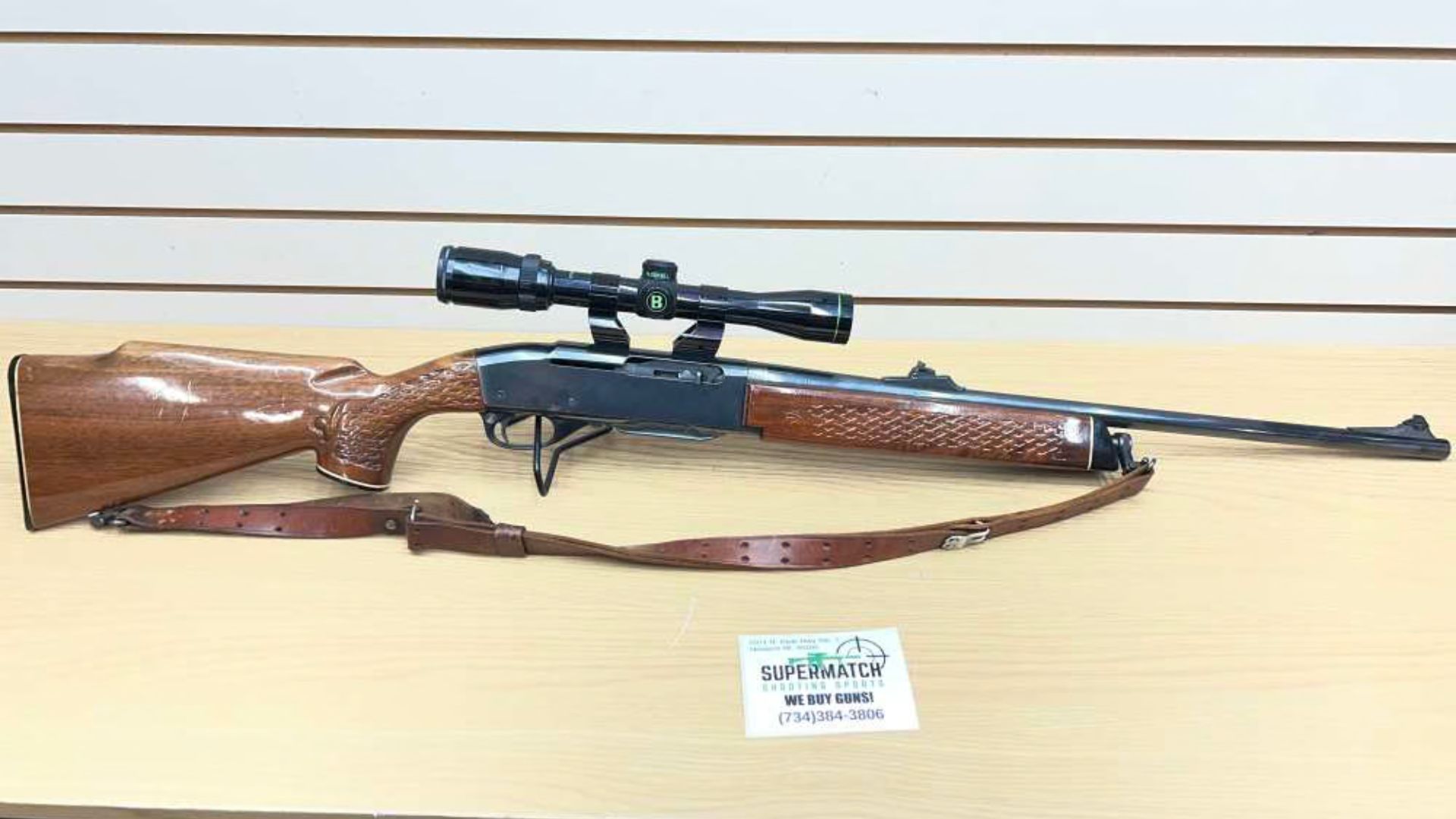
The Remington 742 Woodsmaster has put a lot of deer on the ground, so it is not fair to act like every one of them is useless. For stand hunters in thick woods, the semi-auto follow-up shot had real appeal, especially when bolt guns felt slower and pump rifles were not for everyone.
The trouble is that worn 742s can become headaches. Rough chambers, feeding issues, and receiver rail wear are not rare complaints on hard-used rifles. When they run, they feel handy enough. When they start acting up, they can turn a good hunt into a lesson on why an old semi-auto hunting rifle needs more trust than nostalgia.
Remington Model 7400
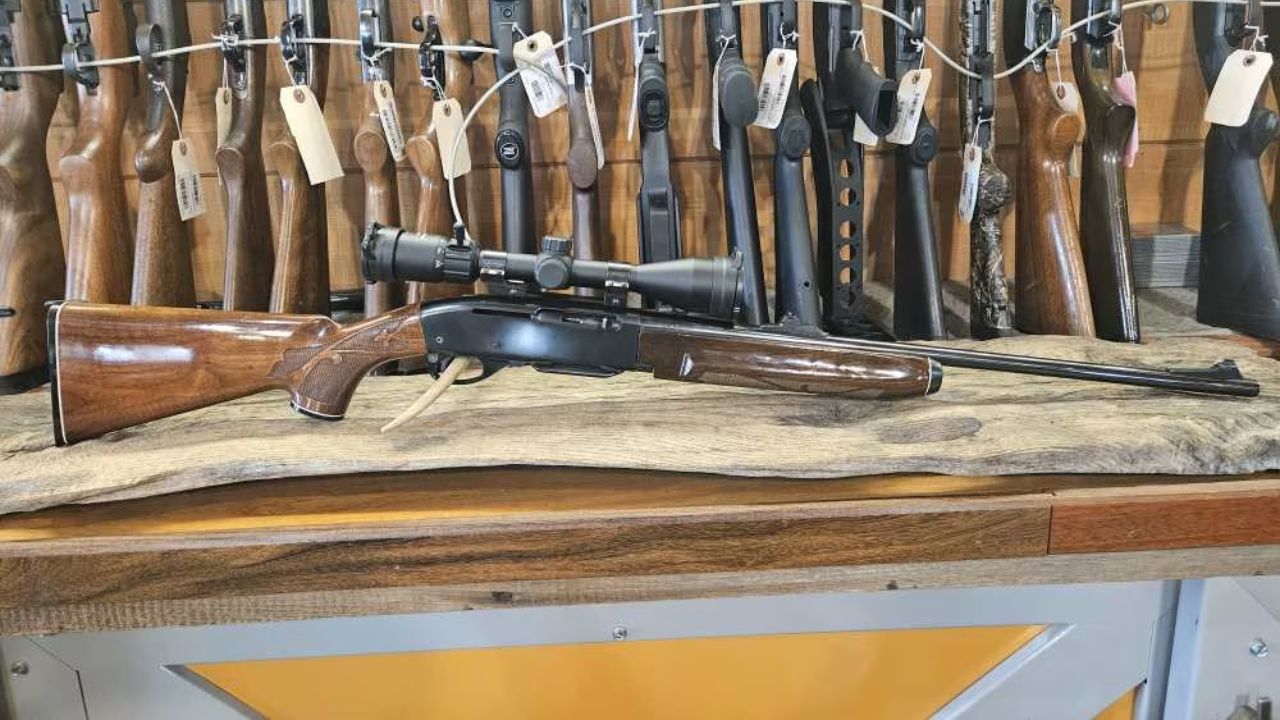
The Remington 7400 was supposed to improve on the older semi-auto hunting rifle formula, and plenty of hunters liked the idea. A fast-shooting deer rifle in .30-06, .270, or .308 sounded perfect for woods hunting where shots come quick and second chances are short.
But the 7400 could still disappoint when dirty, neglected, or fed ammo it did not like. These rifles often need clean chambers, good magazines, and proper maintenance to stay dependable. That is fine on paper, but deer season does not always happen under clean benchrest conditions. When a rifle hangs up after the first shot, the semi-auto advantage disappears fast.
Remington Model 7600

The Remington 7600 has a loyal following, especially with hunters who grew up around pump rifles in the deer woods. It shoulders fast, carries well enough, and gives you quick follow-up shots without going full semi-auto. In the right hands, it can be a very effective rifle.
The disappointment shows up when hunters expect bolt-gun precision from a pump-action setup. Some 7600s shoot well, but others feel loose, gritty, or harder to keep consistent from field positions. The trigger is usually not helping much either. It is a rifle that rewards familiarity, but if you buy one expecting instant confidence, it may not give it to you.
Winchester Model 100
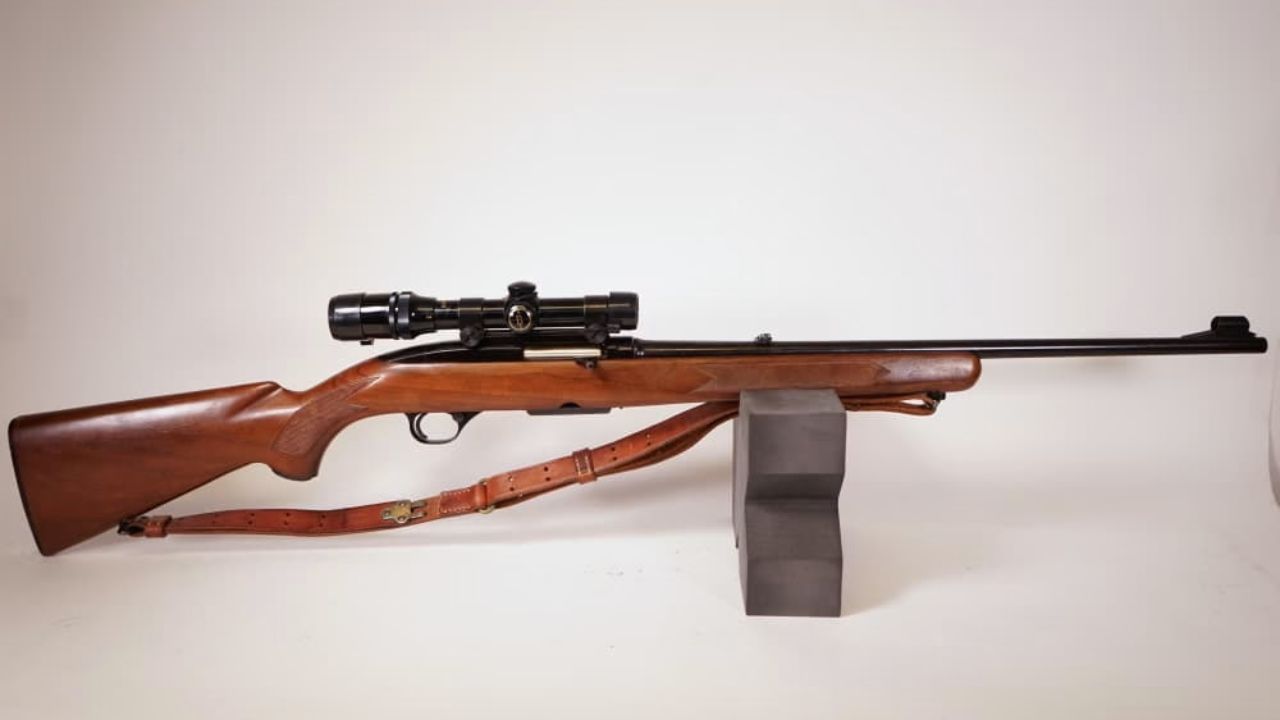
The Winchester Model 100 has a clean look and enough old charm to make hunters want to like it. It was a semi-auto sporting rifle from an era when that idea still felt fairly modern, and chamberings like .308 gave it real deer-rifle credibility.
The problem is age and mechanical confidence. These rifles are old now, and old semi-autos can bring old semi-auto problems. Parts, maintenance history, magazines, and reliability all matter. Even a nice-looking Model 100 can leave a hunter wondering what has been worn, replaced, or ignored over the last several decades. For collecting, it has appeal. For a hard-use hunting rifle, it can feel like a gamble.
Winchester Model 88

The Winchester Model 88 is one of those rifles that sounds better the longer people talk about it. A lever-action with a box magazine and modern cartridges is a great concept, and the rifle has become desirable partly because it is different from the usual bolt gun crowd.
In the field, though, it is not always as smooth or easy to love as the legend suggests. The trigger can be heavy, the action can feel stiff, and accuracy varies enough to frustrate hunters who expect magic. It is interesting and collectible, but if you bring one into deer season expecting a modern precision lever gun, it may remind you that interesting does not always mean forgiving.
Ruger Mini-30
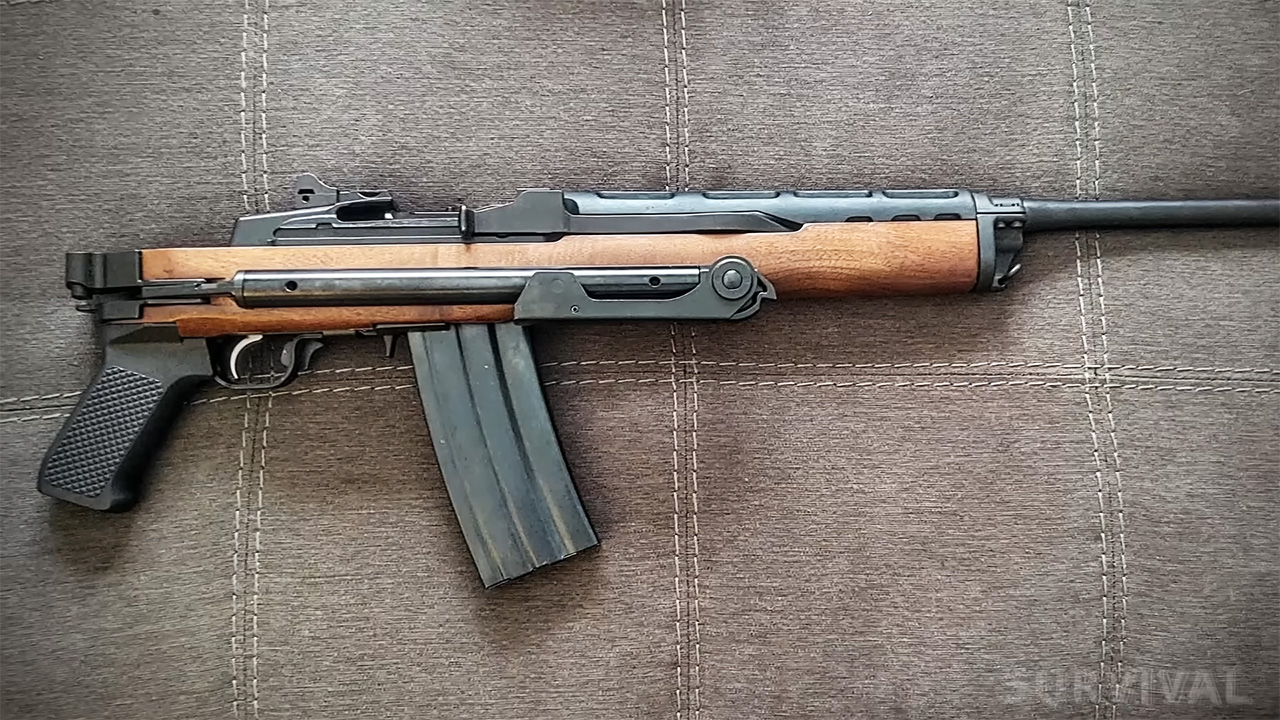
The Ruger Mini-30 seems like it should be a great woods rifle. It is compact, fast-handling, and chambered in 7.62×39, which has enough punch for close-range deer and hogs with the right load. On paper, that sounds like a handy little setup.
The disappointment usually comes from accuracy and ammo sensitivity. Some Mini-30s shoot acceptably, but others leave hunters chasing groups they never quite get. Add in magazine preferences and the need to use proper hunting ammo, and it becomes less simple than it first appears. For casual shooting, it can be fun. For a one-shot hunting moment, many hunters want something more predictable.
Ruger Deerfield Carbine

The Ruger Deerfield Carbine is a neat rifle for close woods. A semi-auto .44 Magnum carbine sounds almost perfect for thick brush, short shots, and hunters who want light recoil with a hard-hitting pistol cartridge. It is easy to see why people still like the idea.
But it is also limited. The effective range is short, the rotary magazine setup is not everyone’s favorite, and accuracy can be only average depending on the rifle and load. If you stay inside its lane, it can work. If you expect it to stretch across a field or behave like a true rifle cartridge, it can disappoint fast.
Marlin Camp 9
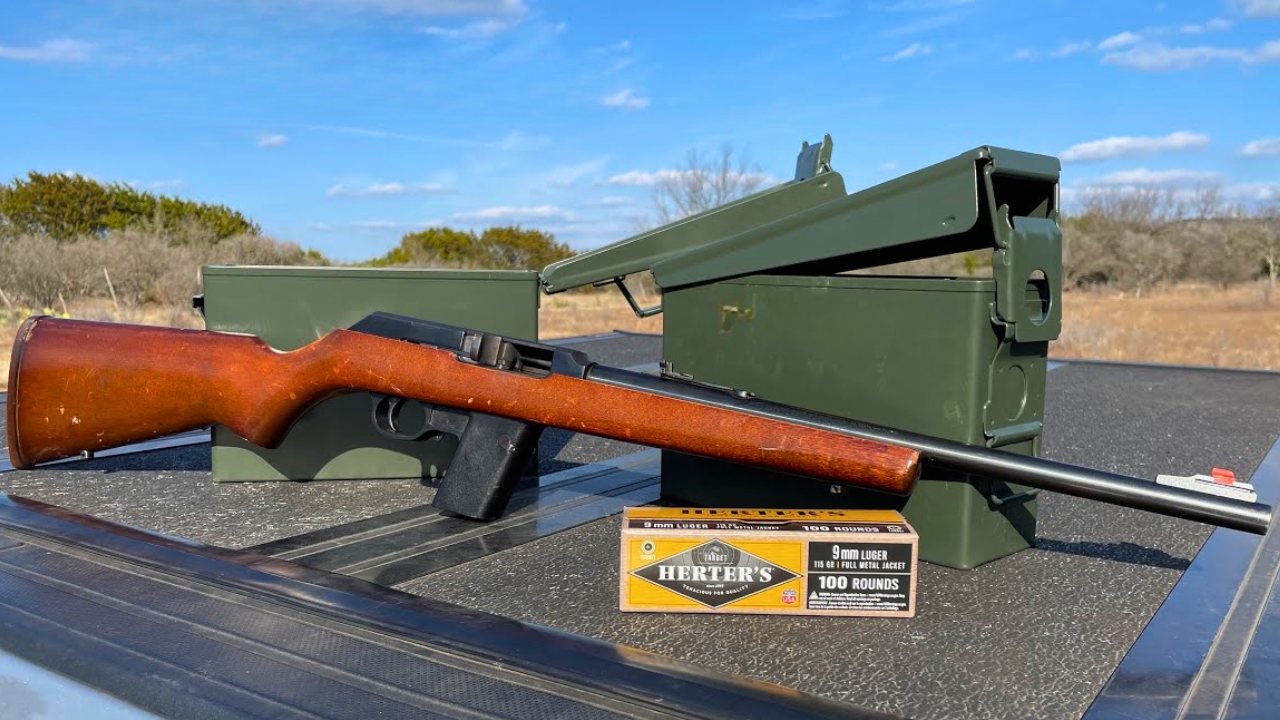
The Marlin Camp 9 is fun, handy, and easy to shoot, which is exactly why people still talk about it. As a light carbine for range use or casual woods carry, it has a lot of charm. The problem starts when someone tries to make it more serious than it really is.
For hunting, 9mm from a carbine is a narrow tool with plenty of limits. It is not a deer rifle in the way a .243, .30-30, or .308 is a deer rifle. Old buffers, springs, and maintenance also matter on these guns. It is cool, but cool does not make it the rifle you want when a real tag is on the line.
Savage 340

The Savage 340 was a budget bolt-action rifle that filled a role for a lot of hunters. It was affordable, simple, and chambered in useful rounds like .30-30 and .222 Remington. Back when money was tight and choices were fewer, that mattered.
Today, it can feel crude compared to even modest modern hunting rifles. The action is not slick, the trigger is nothing special, and mounting optics can be awkward depending on the setup. Some shoot fine, but the whole rifle feels like a compromise from another era. It is interesting in the right collection, but not something most hunters would pick when the shot really matters.
Mossberg 464

The Mossberg 464 tried to give hunters a modern lever-action option without paying collectible Marlin or Winchester money. The idea made sense. A handy .30-30 lever gun still has a place in the deer woods, especially where shots are close and fast.
But the 464 never fully earned the same confidence as the classics. Fit, finish, action feel, and overall smoothness could leave hunters underwhelmed. A lever gun needs to feel natural because you are buying it partly for handling. When the action feels rough or the rifle feels cheaper than you hoped, it loses a lot of its appeal quickly.
Rossi R95

The Rossi R95 is attractive because it gives hunters another lever-action option at a time when good lever guns can be expensive or hard to find. The .30-30 chambering makes sense, and the rifle looks like it should slide right into the woods-rifle role without much fuss.
The problem is that lever guns live or die by feel. If the action is rough, the trigger is heavy, or accuracy is merely okay, hunters notice. Some R95 rifles may settle in just fine, but others can feel like they need work before they inspire confidence. When you only get one clear lane through the timber, “almost there” is not what you want in your hands.
Henry Single Shot Rifle
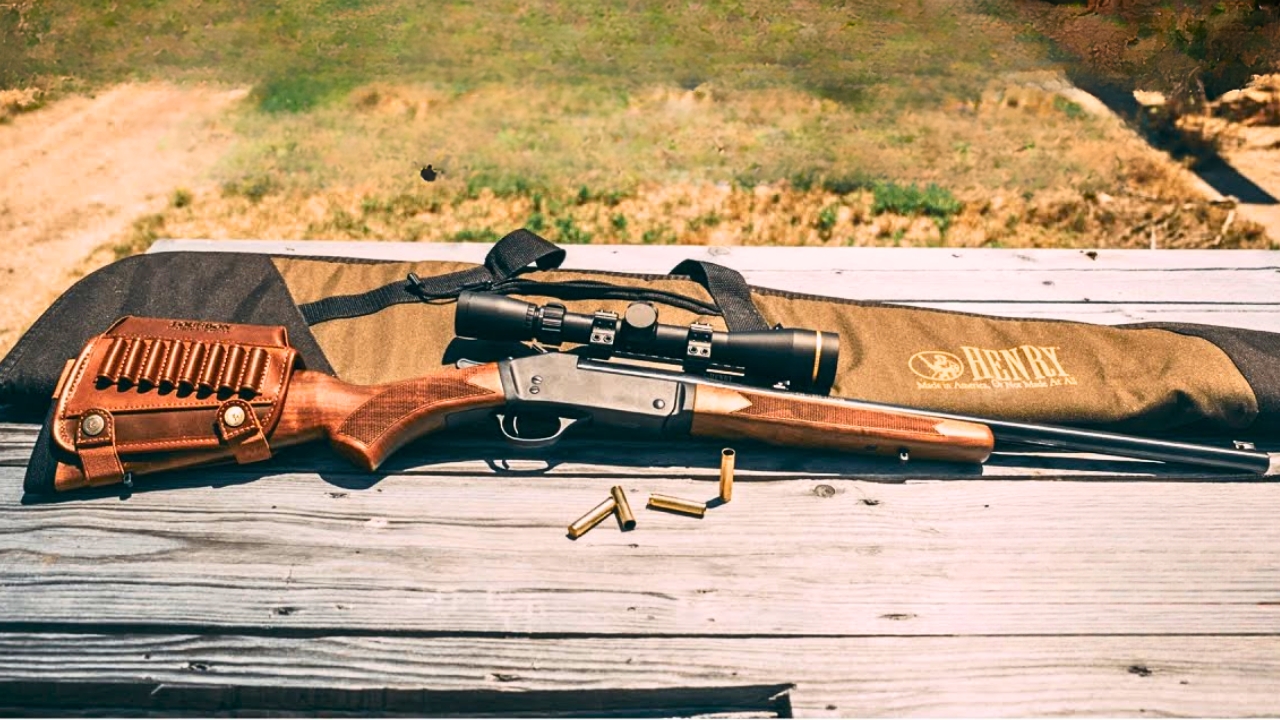
The Henry Single Shot Rifle has a clean, honest appeal. It is simple, strong, and easy to understand. For hunters who like one deliberate shot and do not care about fast follow-ups, that can be a good thing. There is nothing wrong with simple when simple fits the hunt.
But a single-shot rifle also removes your margin for error. If you miss, misjudge the wind, or need a quick second shot, you are working against the design. Some versions are also heavier than expected for what they are. It is a fine rifle for the right hunter, but it can disappoint anyone who realizes too late that simple also means unforgiving.
Winchester Wildcat

The Winchester Wildcat is a handy little rimfire, and it makes sense as a plinker or small-game rifle. It is light, modern, and easy enough for newer shooters to run. For casual use, that is plenty.
Where it can disappoint is when hunters expect it to feel like a serious small-game rifle rather than a light, budget-minded .22. The stock, trigger, and overall feel can come across as more toy-like than confidence-building. Rabbits and squirrels do not require a fancy rifle, but they do reward precision. If a rimfire does not make you feel steady, the misses get annoying fast.
Citadel Trakr .22 LR
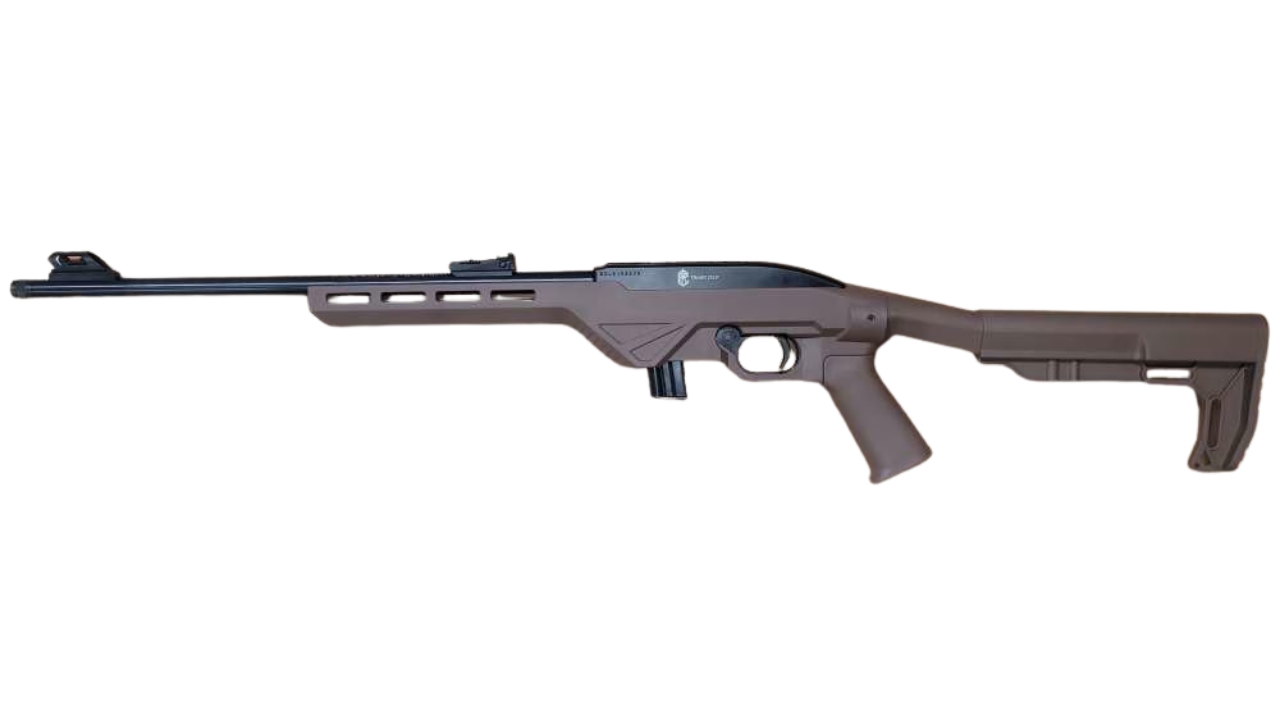
The Citadel Trakr is one of those inexpensive rimfires that attracts buyers because it gets them into a bolt-action .22 without spending much. That matters for new shooters, farm use, or someone who wants a simple knockaround rifle. The price is the main selling point.
The issue is that the low cost can show up in the feel. The bolt may not be especially smooth, the stock can feel cheap, and accuracy expectations need to stay realistic. For casual shooting, that may not bother you. For small-game hunting, where tiny targets and careful shots matter, a rough budget rimfire can make the whole hunt more frustrating than it should be.
Chiappa Double Badger
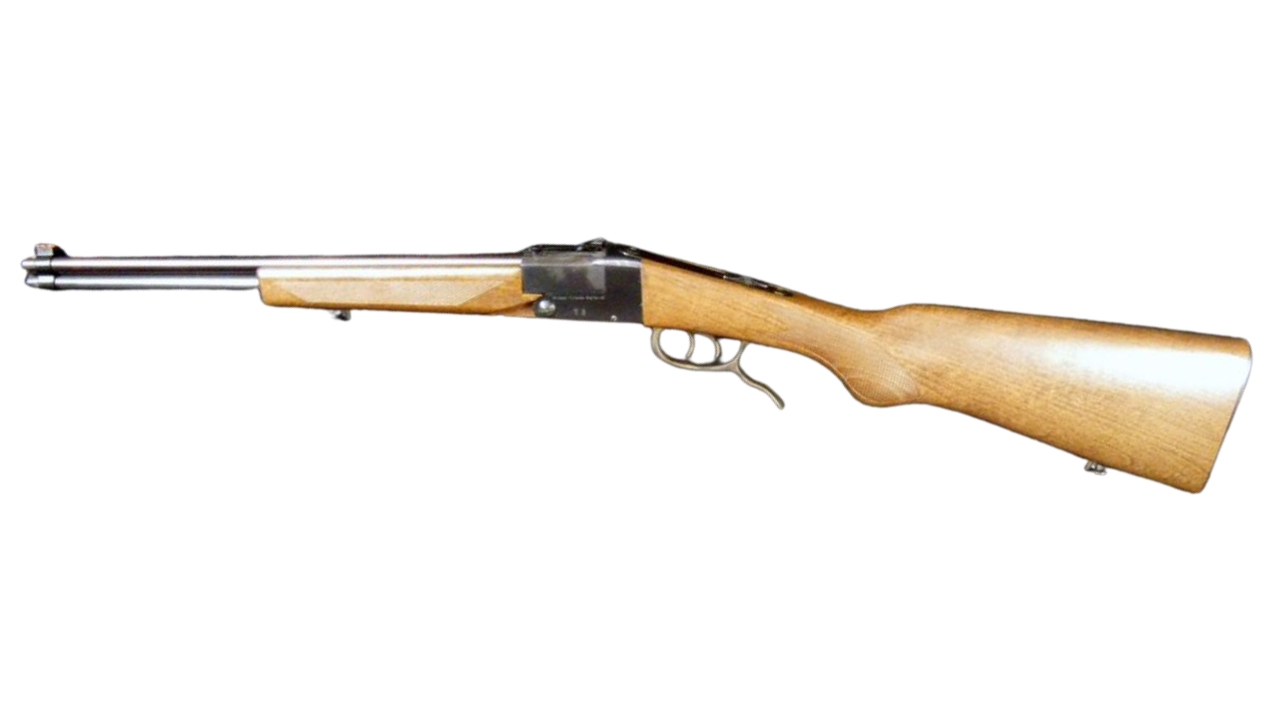
The Chiappa Double Badger looks like a handy survival-style rifle, and the combination-gun idea has always made sense in theory. One barrel for rimfire and one for shotgun use sounds useful when you want one compact firearm to cover small-game opportunities.
In the field, though, compromise is the whole story. The sights, trigger feel, folding design, and odd handling are not going to make everyone confident. It is portable, but portable does not automatically mean easy to shoot well. If you like compact oddballs, it has appeal. If you expect it to handle like a real hunting rifle or shotgun, it can feel more clever than practical.
Like The Avid Outdoorsman’s content? Subscribe to our newsletter so you never miss an article.
Here’s more from us: