Photo credit: LifeSizePotato/YouTube
Some firearms age into respect. Others age into reminders that not every old design deserves another chance. A gun can be historically important and still be awkward, unsafe by modern standards, hard to run well, or just outclassed by better choices sitting in the same price range.
That does not mean every older firearm is bad. Plenty of old designs still work beautifully. But these are the kinds of guns that make you wonder whether nostalgia is doing more work than the firearm itself.
Remington R51
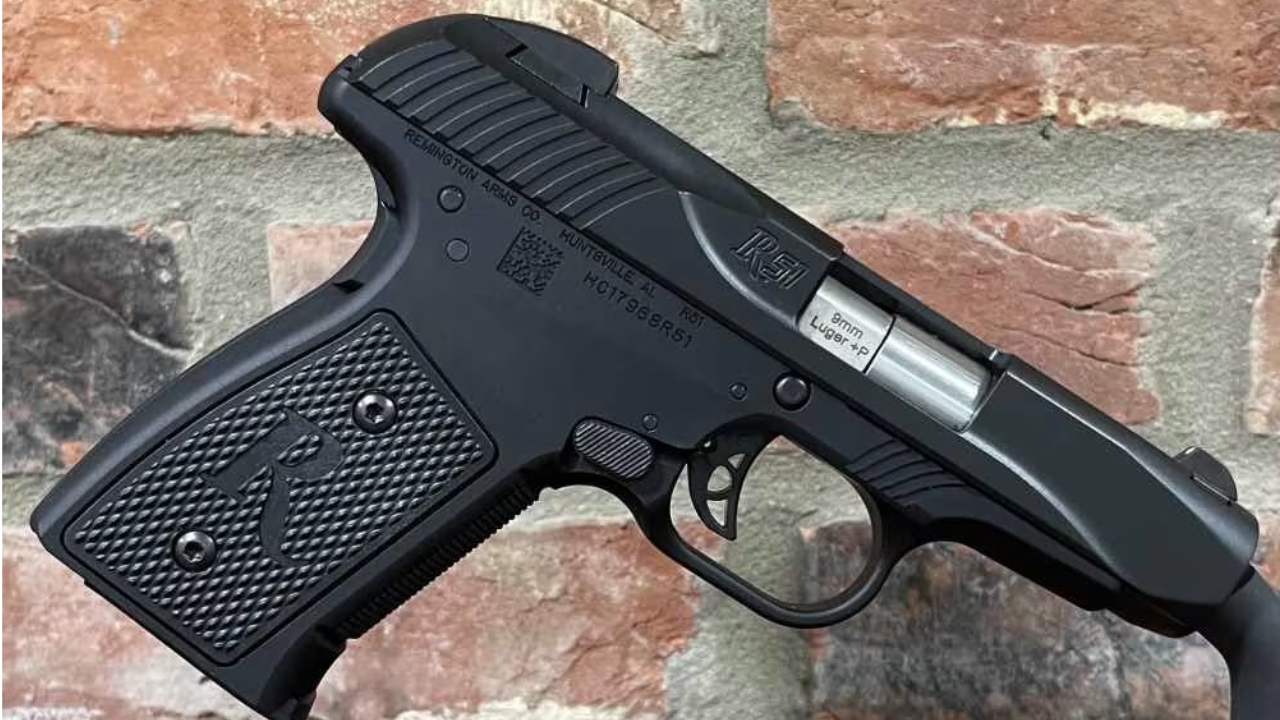
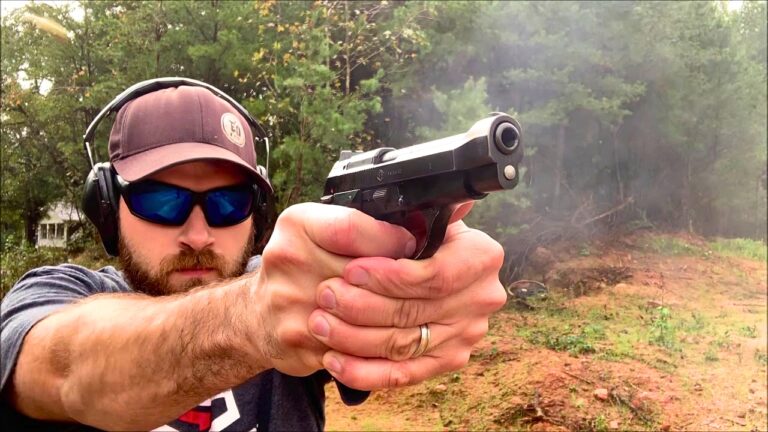
The Remington R51 had history behind it, but the modern version never earned the trust it needed. On paper, a slim 9mm carry pistol with a low bore axis sounded like something shooters would take seriously. In real life, too many early guns were rough, unreliable, and frustrating before Remington tried to fix the mess.
Even after the relaunch, the R51 never fully shook its reputation. Carry guns live and die by confidence, and this one asked buyers to forgive too much. There were simply too many proven compact 9mms available by then.
Taurus Curve

The Taurus Curve was one of those ideas that seemed built more for conversation than hard use. The curved frame, built-in light and laser, and oddball shape got attention fast, but attention is not the same thing as trust. It was chambered in .380 ACP and tried to rethink pocket carry in a way most shooters never asked for.
The problem was simple: it was strange without being better. The lack of traditional sights, unusual handling, and limited practical advantage made it feel like a shortcut around training rather than a better carry tool.
Liberator Pistol

The FP-45 Liberator has a fascinating wartime story, but as a firearm, it belongs firmly in the past. It was crude, single-shot, slow to reload, and built for desperation rather than normal defensive use. That was the whole point of it.
As a collector piece, it makes sense. As something anyone would want to actually use, not really. It represents a very specific moment in history where simple, cheap, and disposable mattered more than accuracy, safety, or repeatable performance.
Colt All American 2000
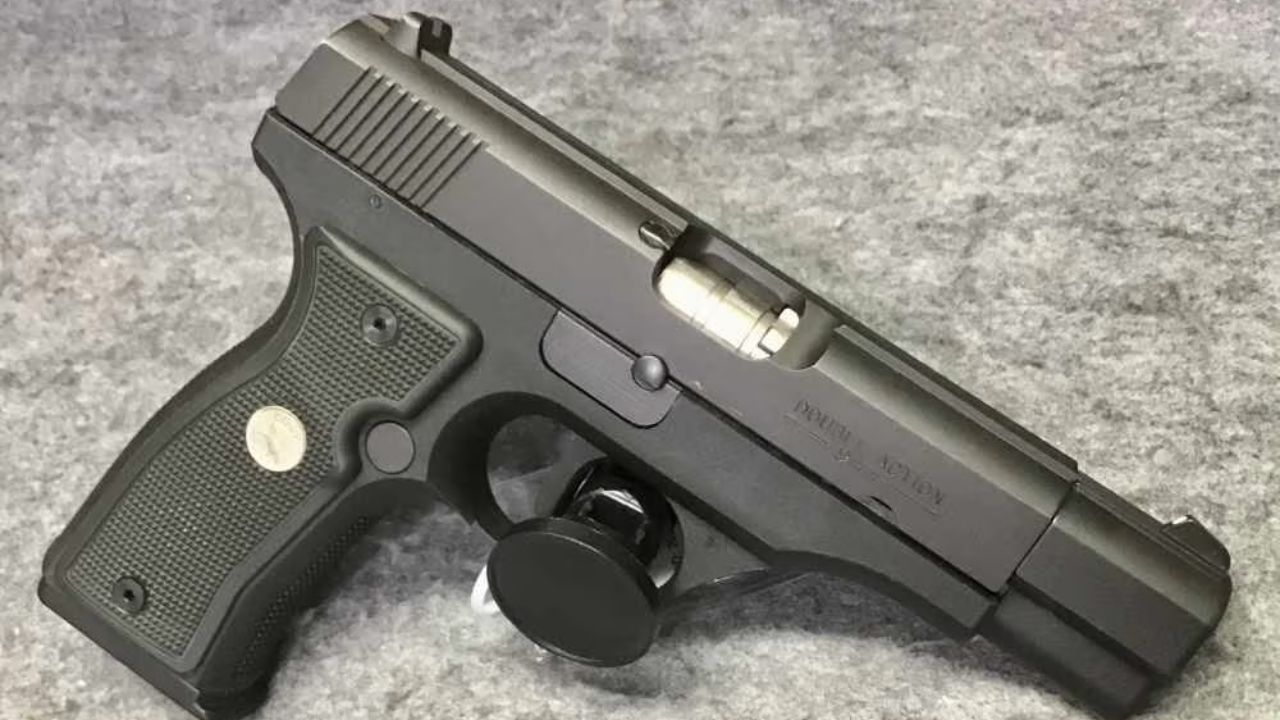
The Colt All American 2000 should have been a much bigger deal. Colt had the name, the market was moving toward polymer-frame pistols, and buyers were ready for serious 9mm duty guns. Instead, the pistol landed with a reputation for poor triggers, inconsistent accuracy, and disappointing execution.
That is a tough combination to overcome. When a new pistol shows up under a famous name, people expect it to feel finished. The All American 2000 felt like Colt was chasing the future without really understanding where the market was going.
Gyrojet Pistol

The Gyrojet pistol is one of the strangest firearms ever sold, and that is exactly why people still talk about it. Instead of firing normal cartridges, it launched tiny rocket projectiles. That sounds wild, and it was. The trouble is that wild does not always mean useful.
Velocity increased after launch, close-range performance was underwhelming, ammunition was expensive, and practical accuracy was not impressive. It is an amazing collector conversation piece, but it is also a good reminder that clever ideas still have to work better than boring ones.
Jennings J-22
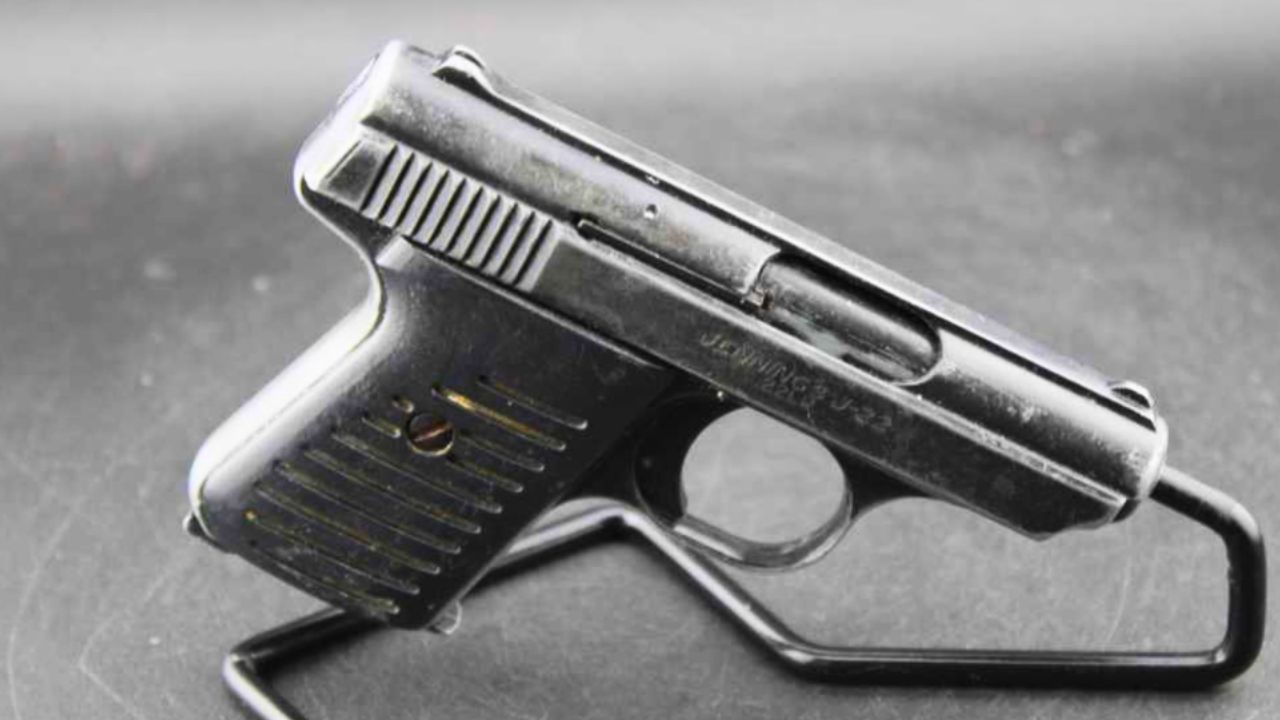
The Jennings J-22 was cheap, small, and easy to find, which explains why plenty of them ended up in drawers and glove boxes. But affordable does not automatically mean dependable. These little .22 pistols built a reputation for spotty reliability, rough fit, and questionable long-term durability.
A .22 pocket pistol already has limitations. Add feeding problems, tiny controls, and inconsistent quality, and you end up with a gun that does not inspire much confidence. It is the kind of firearm people bought because it was inexpensive, not because it was good.
Raven MP-25
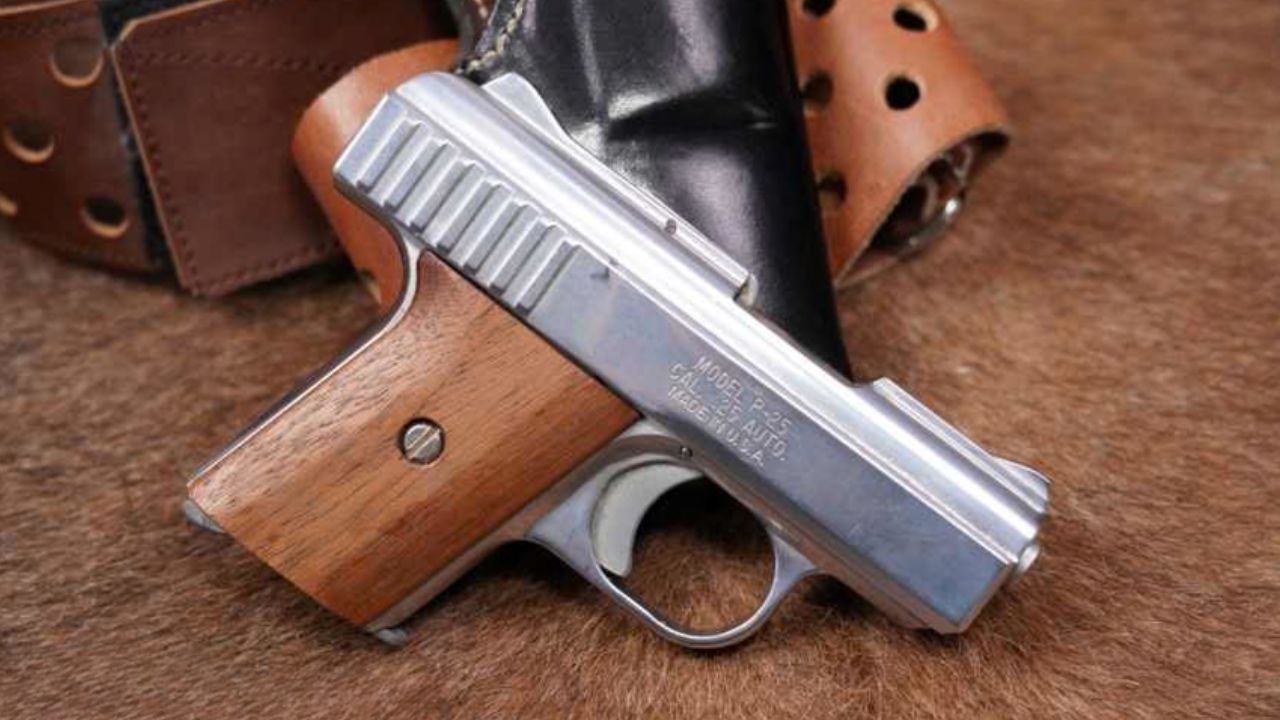
The Raven MP-25 was another cheap pocket pistol that sold in big numbers because it was small and affordable. It filled a market, but that does not mean it aged well. The .25 ACP chambering is weak by modern defensive standards, and the pistol itself was never known for refinement.
There is a difference between a simple working gun and a gun that feels cheap from the start. The MP-25 is remembered because so many existed, not because shooters look back and wish more guns were built like it today.
Colt Double Eagle

The Colt Double Eagle tried to bring double-action operation to the 1911 world, but the result never felt as natural as it should have. It was not a bad-looking pistol, and the Colt name gave it instant attention, but the design felt stuck between two ideas.
Shooters who loved 1911s usually preferred a proper single-action 1911. Shooters who wanted a double-action duty pistol had better options elsewhere. The Double Eagle landed in that awkward middle ground where it made sense on paper but never really earned a lasting place.
Remington 710

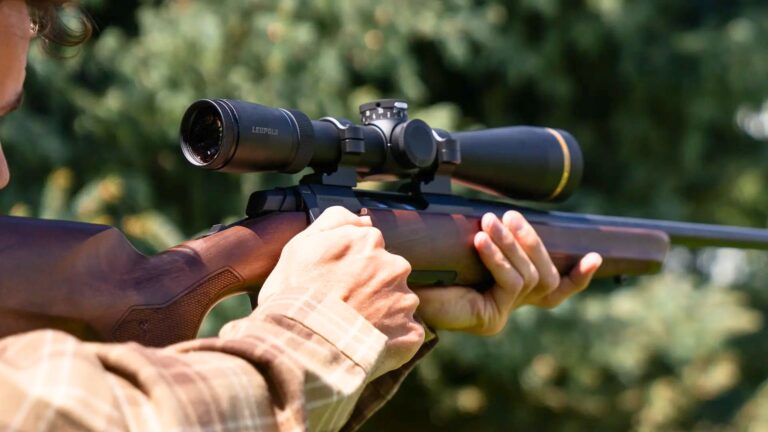
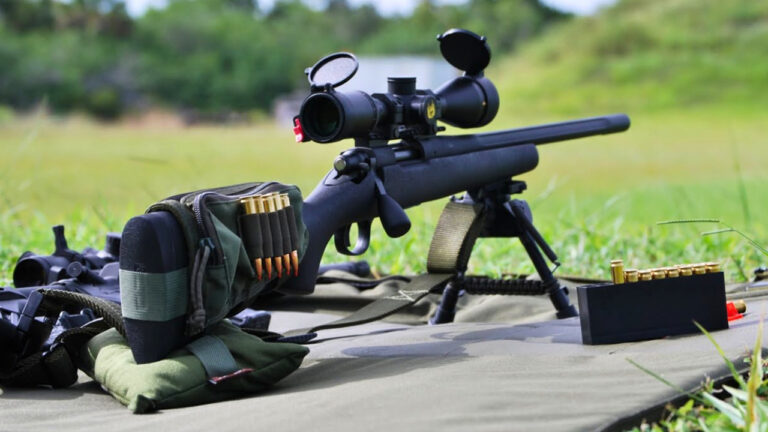
The Remington 710 was meant to be an affordable hunting rifle package, and plenty of hunters understood the appeal. You could buy a rifle and scope setup without spending much, then head to the woods. The issue was that the rifle often felt like a compromise everywhere you touched it.
The bolt was rough, the stock felt cheap, and the whole package lacked the confidence people expected from the Remington name. Budget rifles have gotten much better since then, which makes the 710 look even worse in hindsight.
Mossberg 464 SPX
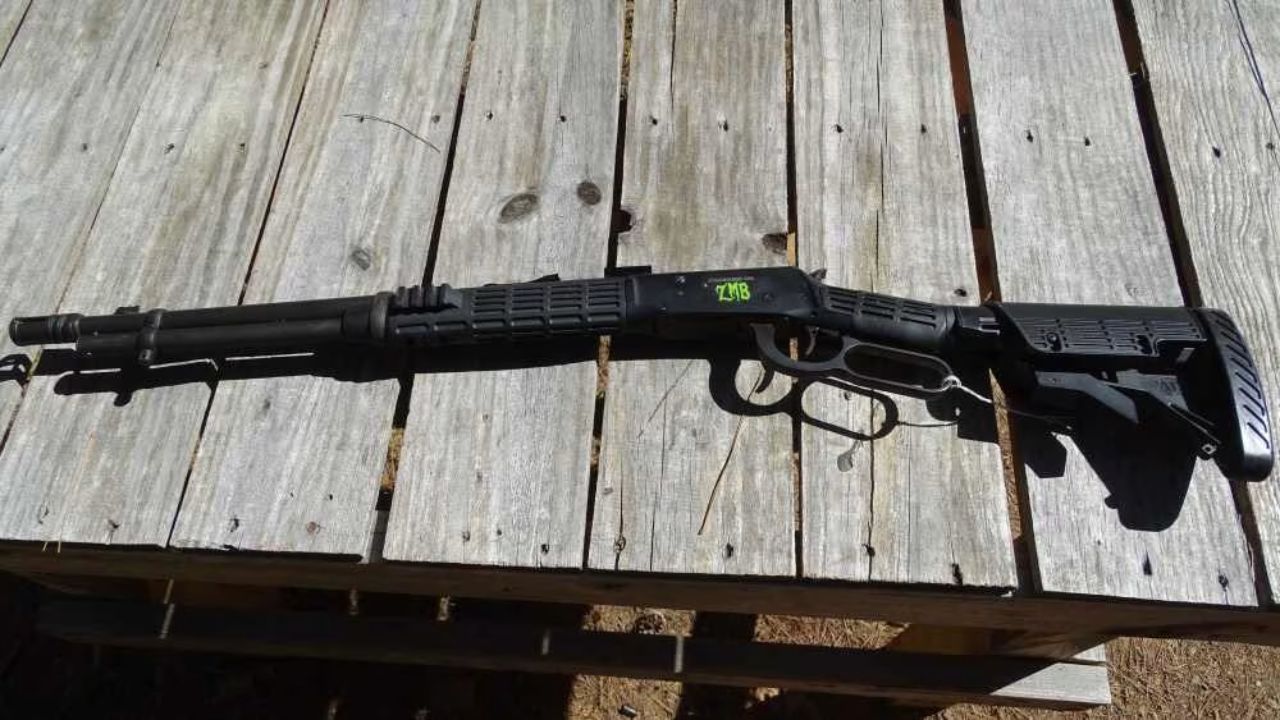
The Mossberg 464 SPX looked like somebody tried to drag a lever-action rifle into the tactical aisle and never stopped to ask why. The adjustable stock, rails, and modern furniture made it stand out, but not always in a good way.
Lever guns work best when they handle naturally, carry well, and point fast. The 464 SPX added bulk and visual noise without making the rifle better at the things lever guns are supposed to do well. It was memorable, but mostly because it looked confused.
ZIP .22
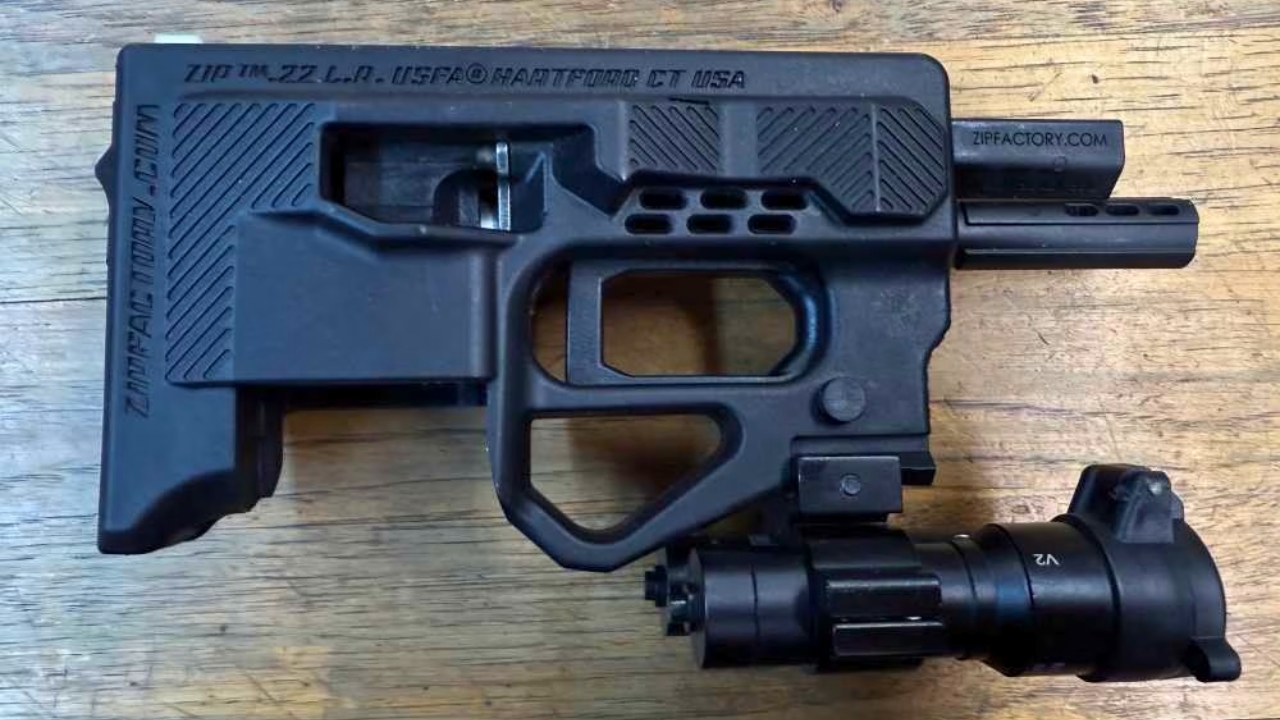
The USFA ZIP .22 was one of those firearms that made people stare before they ever shot it. It was tiny, futuristic-looking, and designed around Ruger 10/22 magazines. That gave it instant curiosity value. Unfortunately, curiosity did not turn into confidence.
The controls were awkward, the handling was strange, and reliability complaints followed it quickly. A compact .22 pistol should be fun and easy to run. The ZIP .22 managed to make a simple rimfire concept feel complicated, which is never a good sign.
Colt 2000

The Colt 2000 deserves another mention because it shows how badly a major company can misread a moment. Polymer-framed duty pistols were not a passing trend. They were becoming the new normal. Colt had a chance to compete seriously and instead delivered a pistol that felt behind almost immediately.
The design had ambition, but the market was not kind to half-finished ambition. Shooters wanted reliability, good triggers, practical accuracy, and confidence. The Colt 2000 struggled to deliver enough of that, and its reputation never recovered.
Whitney Wolverine
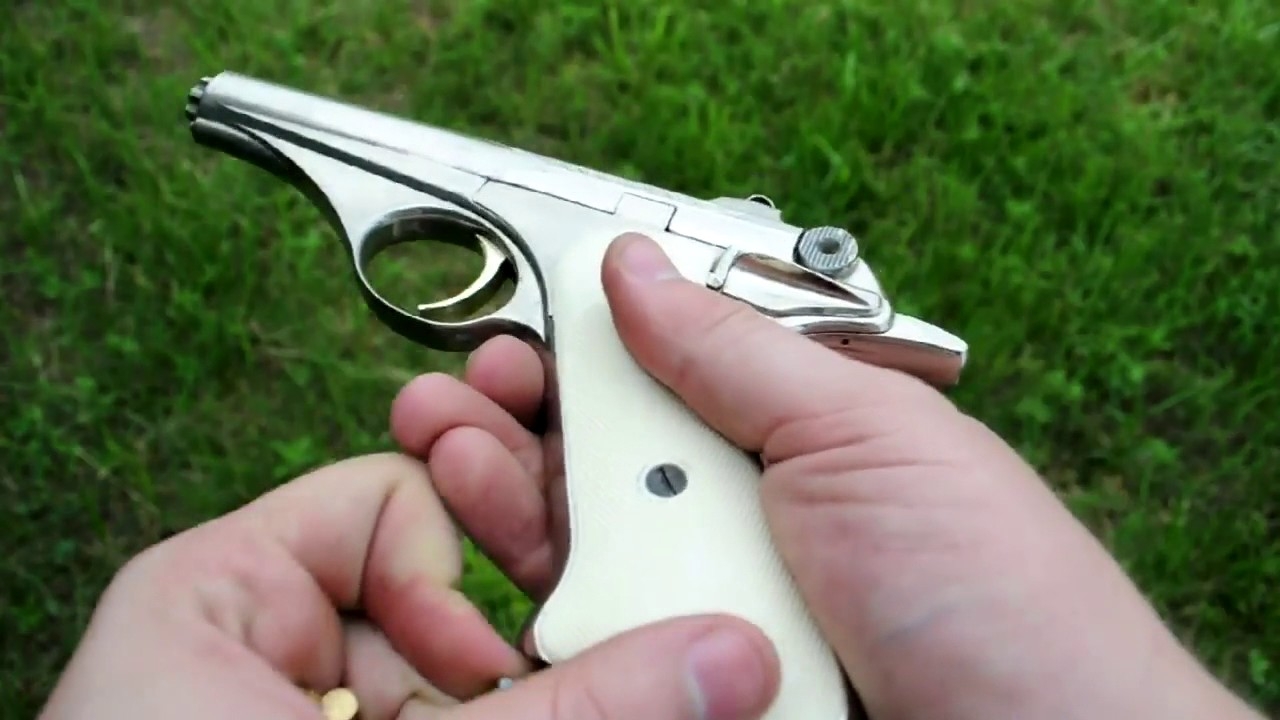
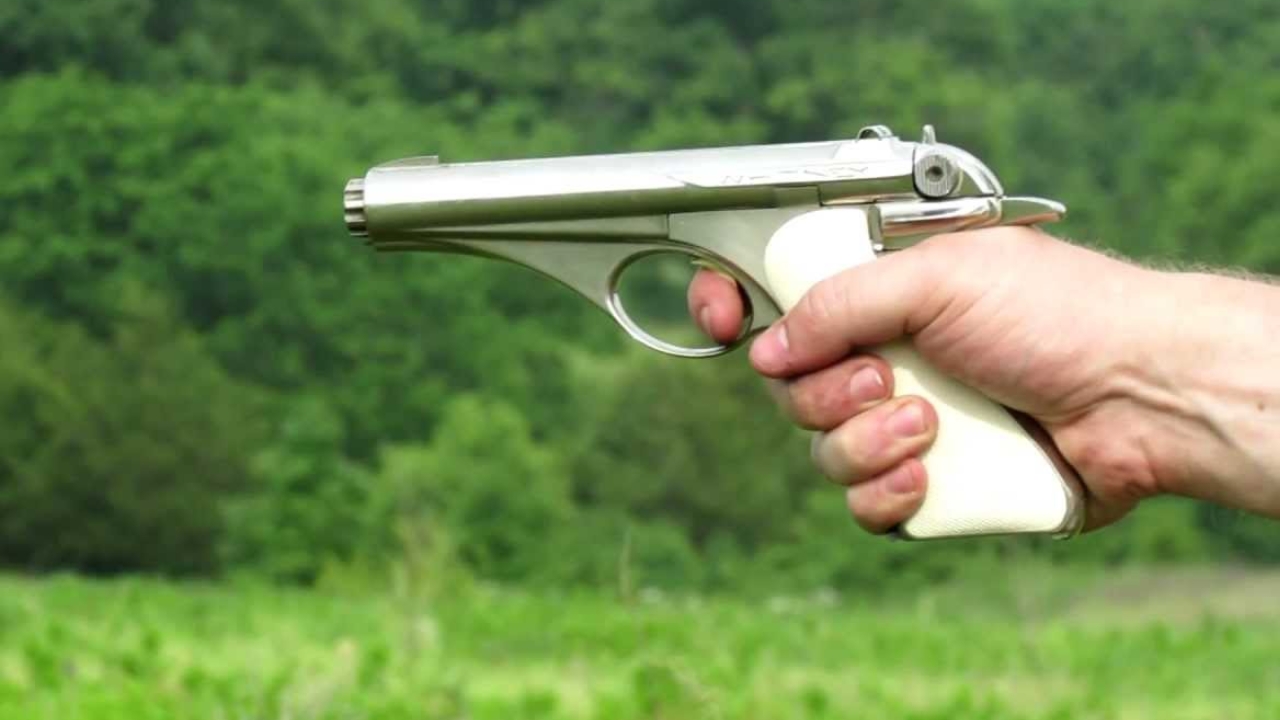
The Whitney Wolverine looks fantastic in a retro-space-age kind of way, and that is a big part of why people still like it. As a design object, it has charm. As a practical .22 pistol compared to modern rimfire options, it feels like something from a different world.
The grip angle, styling, and overall feel are fun if you appreciate oddball guns. But it is not the kind of pistol most shooters would choose if they just wanted a dependable range .22. Some guns are better remembered as design experiments than regular shooters.
Dardick Model 1500
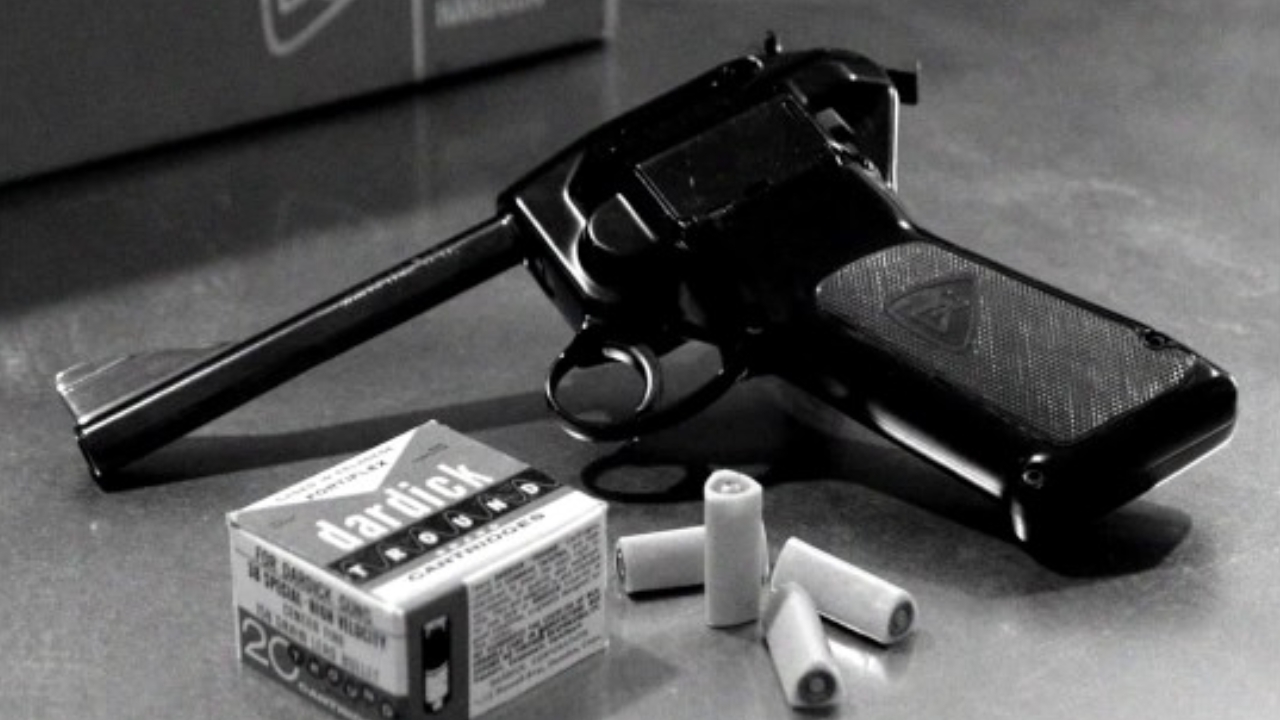
The Dardick Model 1500 was creative, unusual, and historically interesting. It used triangular “trounds” instead of standard cartridges, which immediately made it different from almost everything else on the market. Different, though, is not always enough.
The gun was bulky, strange to load, and tied to ammunition most shooters were never going to see on normal shelves. That alone made it a hard sell. It is the kind of firearm that belongs in a museum case, where people can appreciate the idea without depending on it.
Nambu Type 94

The Nambu Type 94 has one of the worst reputations of any military pistol, and it earned much of it. The design was awkward, the ergonomics were poor, and the exposed sear bar created safety concerns that still get talked about today.
Military pistols do not have to be beautiful, but they do need to inspire basic confidence. The Type 94 does the opposite. It is historically important because of where and when it was used, but as a fighting handgun, it is a strong argument for leaving some designs in the past.
Like The Avid Outdoorsman’s content? Subscribe to our newsletter so you never miss an article.
Here’s more from us: