Photo credit: The Avid Outdoorsman
Some pistols get respect because of marketing. Others earn it after years of people beating them up, carrying them daily, running them in classes, dragging them through duty use, or doubting them until the round counts pile up.
That kind of respect sticks. It does not always come from being the newest, prettiest, or most expensive handgun in the case. It comes from working when the easy excuses run out.
Glock 19

The Glock 19 earned respect by being boring in the best possible way. It was not the prettiest pistol, and plenty of shooters complained about the grip angle, trigger, and plain looks. Then it kept showing up in holsters, training classes, police departments, and nightstands because it simply worked.
You learn to respect a pistol like that after watching flashier guns come and go. The Glock 19 carries well, shoots well enough, takes abuse, and has more support than almost anything else. It became the default answer because it survived years of people trying to prove something else was better.
Beretta 92FS

The Beretta 92FS took plenty of criticism over the years. People complained about the size, the slide-mounted safety, the open-top slide, and the long double-action first pull. It also spent decades in serious service while shooters argued about it from behind keyboards.
Once you spend real time with one, the respect makes more sense. The 92FS is smooth, accurate, soft-shooting, and built with a kind of confidence you feel on the range. It may not be the easiest pistol to conceal, but as a full-size fighting handgun, it earned its place the long way.
CZ 75
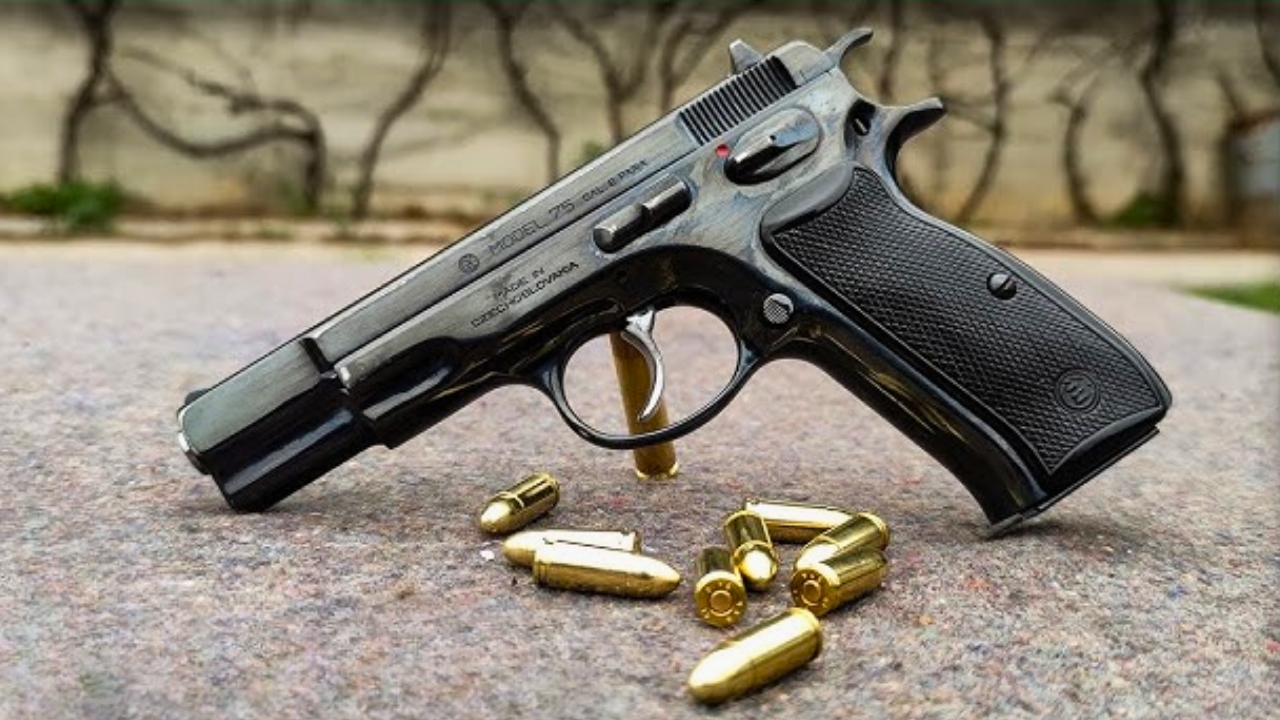
The CZ 75 did not become respected overnight in the American market. For years, it felt like one of those pistols serious shooters knew about before everyone else caught on. It had the steel frame, low bore axis, and comfortable grip, but it did not always get the attention that bigger-name pistols received.
That changed as more people actually shot it. The CZ 75 has a way of making shooters better without making a big scene about it. It points naturally, soaks up recoil, and feels steady in the hand. Respect came because performance kept backing up the quiet reputation.
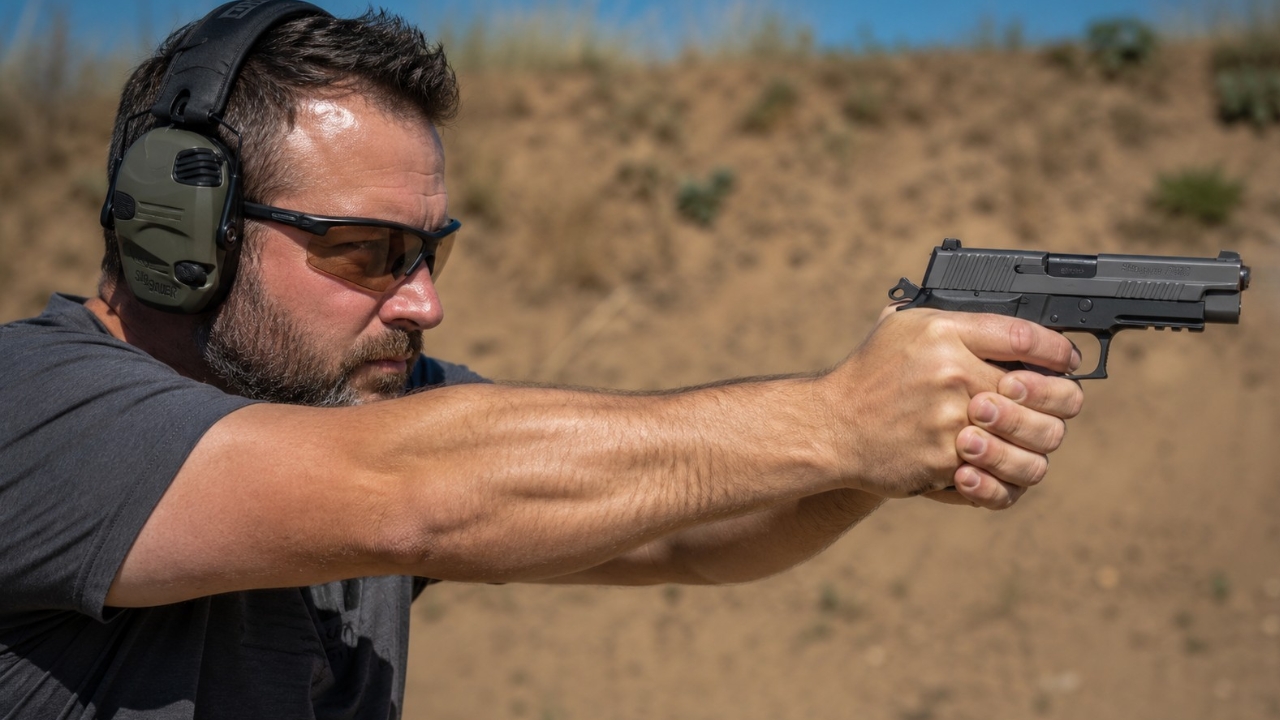
SIG Sauer P226

The SIG P226 earned respect in a world where reliability and accuracy mattered more than internet arguments. It was not cheap, and it was never the lightest pistol around. But when people wanted a serious duty-grade handgun, the P226 kept ending up in the conversation.
The hard way for this pistol meant years of military, law enforcement, and civilian use where excuses did not matter. It proved it could shoot accurately, run hard, and hold up under serious round counts. Even as polymer pistols took over, the P226 stayed respected because it never needed trends to explain itself.
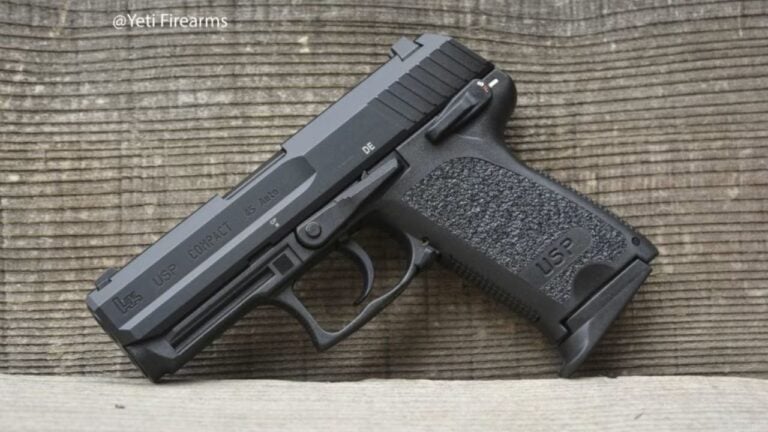
Heckler & Koch USP

The HK USP is easy to joke about because it is big, blocky, and expensive. It does not feel like a modern slim carry pistol, and it never pretended to. For a lot of shooters, the first impression is that it is overbuilt to the point of being excessive.
Then you start understanding why people trust it. The USP earned respect by handling abuse, rough conditions, and high round counts without acting fragile. The controls are not for everyone, but the pistol has a reputation for durability that was not handed to it. It got there by being tougher than most people needed.
Smith & Wesson M&P9

The original M&P9 had to fight for respect because Glock already owned so much of the striker-fired market. It was not enough for Smith & Wesson to make a decent polymer pistol. It had to prove it could live in duty holsters and range bags without feeling like a second-place choice.
Over time, the M&P line did exactly that. The grip angle felt more natural to many shooters, the frames held up, and the platform improved through later versions. It earned respect by sticking around, getting better, and proving that Glock was not the only serious option in a polymer duty pistol.
Springfield Armory XD

The Springfield XD had to earn respect through heavy criticism. Some shooters dismissed it quickly because it was not a Glock, while others hated the grip safety or argued over its Croatian roots. It became one of those pistols people either defended hard or mocked harder.
Still, plenty of owners put serious rounds through XD pistols and found out they worked. The grip safety never bothered everyone, the trigger was usable, and the guns were often reliable for regular defensive and range use. The XD earned respect from people who judged it by use instead of forum reputation.
Browning Hi-Power

The Browning Hi-Power earned respect across generations, not because it was perfect, but because it kept proving useful long after newer pistols arrived. It gave shooters a high-capacity 9mm before that was ordinary, and its grip shape still feels better than many modern designs.
It also had flaws people had to work around. The magazine disconnect hurt the trigger, the sights on older versions were small, and the single-action setup required real familiarity. Even with those issues, the Hi-Power stayed respected because it handled well, pointed naturally, and influenced what fighting pistols became.
1911 Government Model
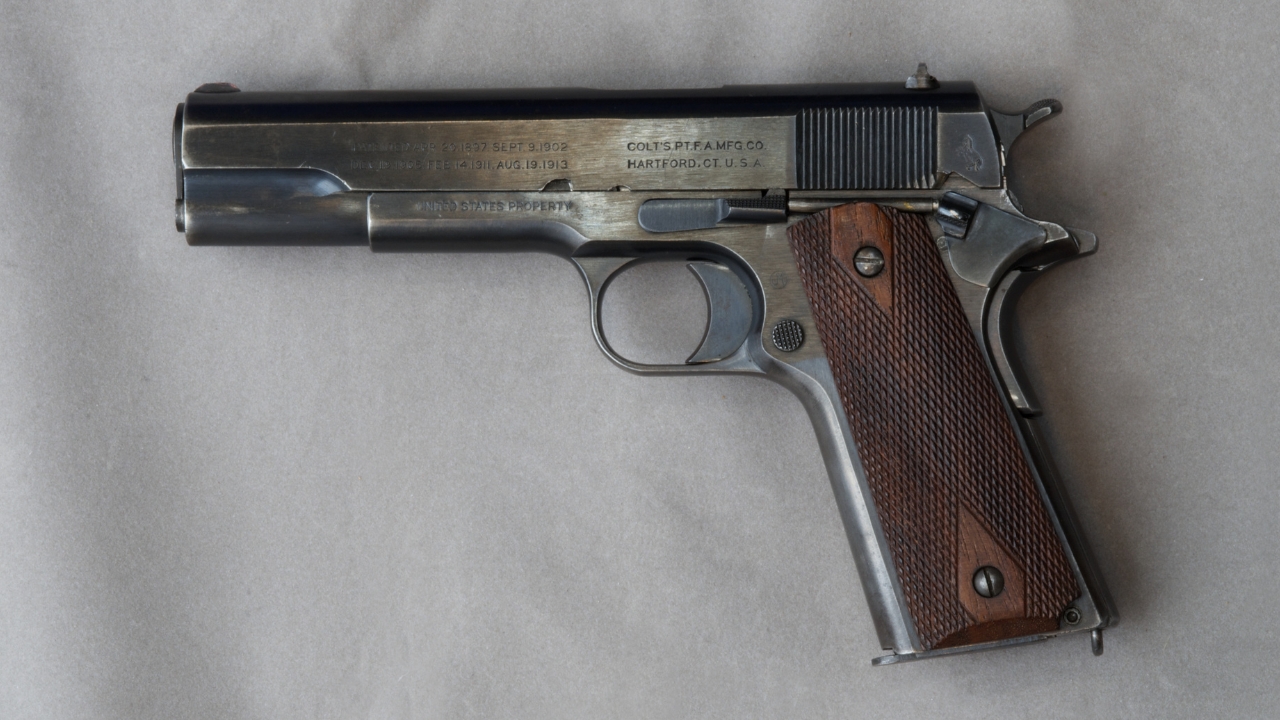
The 1911 Government Model has earned respect and criticism at the same time for more than a century. It is heavy, capacity is limited by modern standards, and bad examples can be picky. That gives critics plenty to work with, especially when comparing it to modern polymer pistols.
But a good 1911 still explains itself when you shoot it well. The trigger, grip angle, recoil impulse, and natural pointability are hard to ignore. It earned respect through war, competition, duty use, and generations of shooters who learned that old does not automatically mean outdated.
Ruger P95

The Ruger P95 was never glamorous. It was chunky, plain, and not exactly the pistol people showed off to impress their buddies. For years, it was the affordable handgun that quietly did the work while more attractive pistols got the attention.
That is how it earned respect. Owners found out the P95 could take neglect, run reliably, and keep going long after people expected a budget pistol to feel worn out. It was not refined, but it was honest. Sometimes a gun earns its reputation by being ugly, affordable, and annoyingly hard to kill.
Walther PPQ

The Walther PPQ had to earn respect in a market crowded with striker-fired pistols. By the time many shooters noticed it, Glock, M&P, XD, and others were already fighting for space. Walther needed something more than a familiar polymer frame to get attention.
The trigger did a lot of that work. The PPQ showed shooters that a factory striker-fired trigger could feel genuinely good without turning the pistol into a fragile range toy. It also had strong ergonomics and real accuracy. Respect came when people stopped treating it like an oddball and started shooting it next to the big names.
CZ P-07
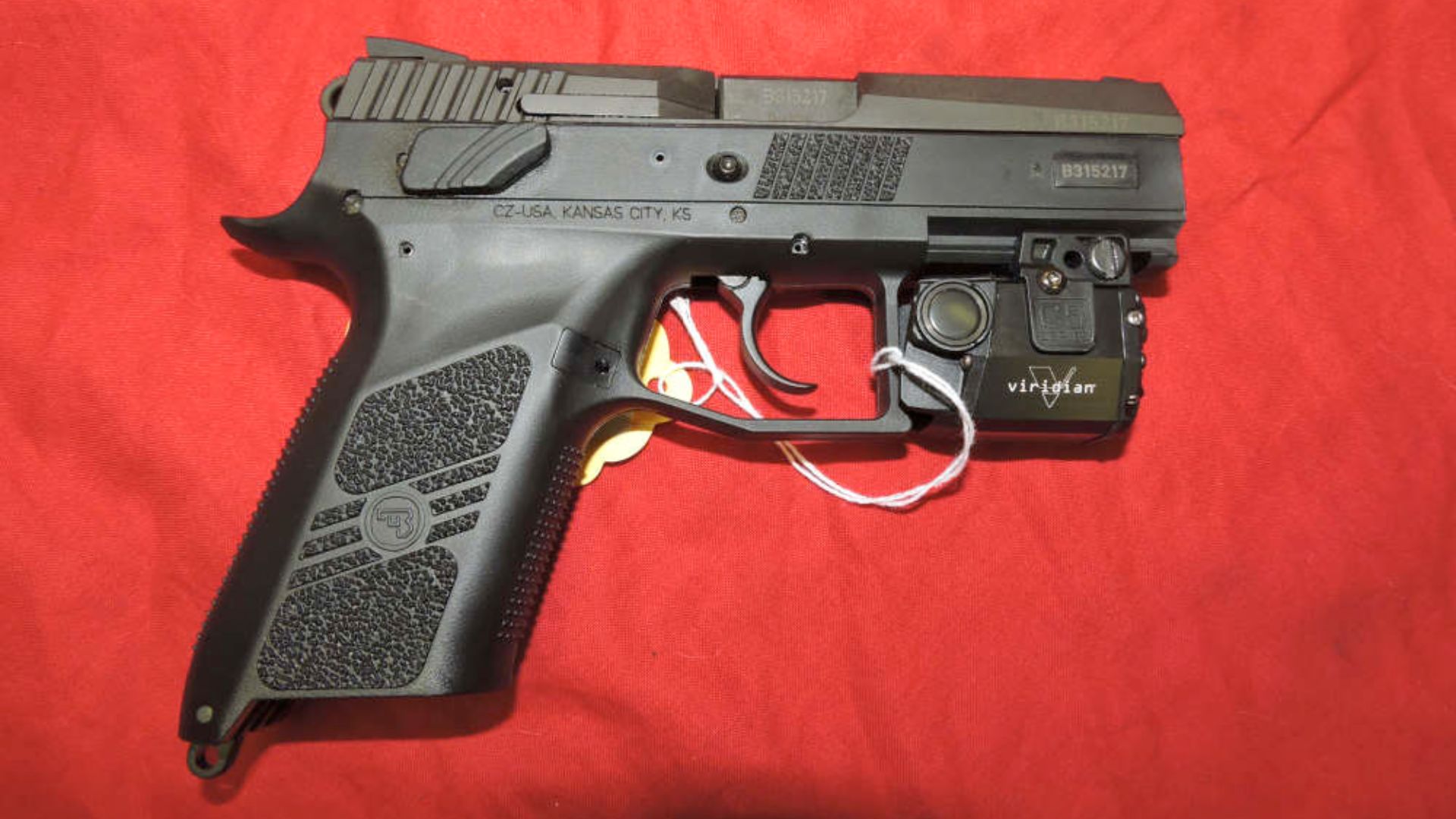
The CZ P-07 earned respect from shooters who wanted something different from the usual striker-fired carry gun. It was not as sleek as some competitors, and the early versions had their share of complaints. But the basic idea was strong: a compact polymer hammer-fired pistol that could actually be carried and trained with.
As the line matured, people started appreciating what it offered. The P-07 gave shooters double-action/single-action operation in a manageable size, with good accuracy and solid reliability. It earned respect by serving the people who still wanted a hammer gun without going back to a heavy all-metal frame.
SIG Sauer P365
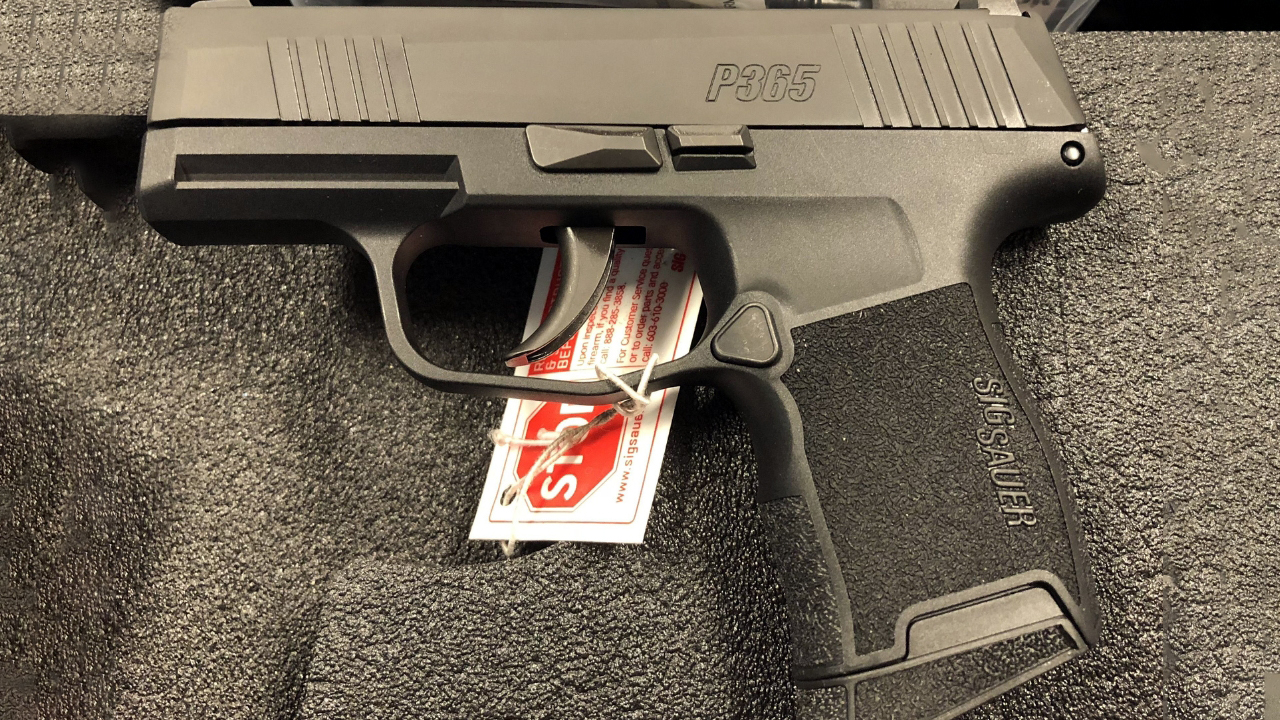
The SIG P365 had to earn respect after a rough early reputation. When it first hit, the concept was huge: real 9mm capacity in a pistol that carried like something much smaller. But early reports of issues made some shooters cautious, and carry guns do not get much room for doubt.
Over time, the P365 proved the idea was not just clever marketing. It changed expectations for what a small carry pistol could hold and how useful that size could be. Later versions gave shooters even more choices. It earned respect by reshaping the category after surviving early skepticism.
FN Five-seveN

The FN Five-seveN earned respect the hard way because a lot of shooters did not know what to do with it at first. The caliber was unusual, the pistol looked strange, and the price kept it from being a casual purchase. Plenty of people dismissed it as a weird niche gun.
Then owners started appreciating what made it different. It was light, flat-shooting, accurate, and carried a lot of rounds. The 5.7x28mm chambering still brings debate, but the pistol itself proved it was more than a novelty. It earned respect by staying useful in a lane most handguns never entered.
Glock 26
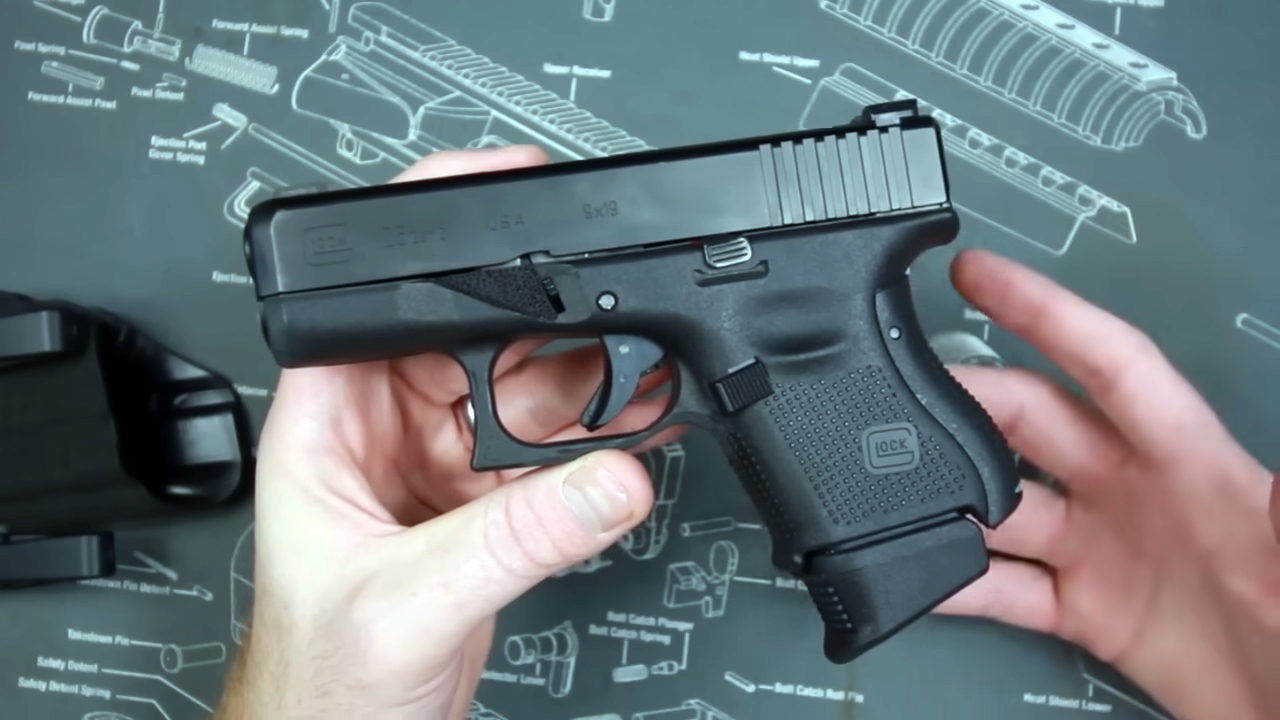
The Glock 26 earned respect by looking awkward and then refusing to be useless. A short, chunky 9mm with a stubby grip does not seem like it should shoot as well as it does. A lot of people picked one up and expected it to feel like a compromise.
Instead, the little Glock became one of the most trusted subcompacts ever made. It accepted larger Glock magazines, handled recoil better than many thinner carry guns, and gave shooters a small pistol that still behaved like a real fighting handgun. It earned respect because it kept outperforming its own odd shape.
Like The Avid Outdoorsman’s content? Be sure to follow us.
Here’s more from us: