Photo credit: WHO_TEE_WHO/YouTube
Flat-shooting rounds are addictive because they make you feel like you “solved” the holdover problem. You can zero at 200, hold hair out to 300, and not think too hard about drop. The tradeoff is that a lot of those cartridges are overbore—they burn a lot of powder through a relatively small hole—and that’s what eats barrels. Not the bullet, not the brand of rifle, but heat and pressure concentrated in the throat, right where the bullet first hits the rifling. That’s where accuracy starts to fade first, and it usually shows up as groups slowly opening and your “pet load” getting pickier as the throat erodes and carbon rings build.
It’s not a reason to avoid these cartridges. It’s a reason to use them with clear eyes. If you shoot a few cold-barrel shots a season at game, you may never care. If you practice hard, shoot long strings, or run prairie dog-type sessions, barrel life becomes a real cost—money and downtime. Here are the flat shooters that most often burn barrels faster than hunters expect, and why.
Why flat shooters burn throats
Barrel “burn” is mostly throat erosion. Hot, high-pressure gas blasts the throat every shot, and overbore cartridges generate more of that gas and more heat. Rapid strings make it worse because steel gets hotter, and hot steel erodes faster. You can absolutely shorten barrel life with a “fun” range day where you shoot 20–30 rounds quickly and never let the barrel cool. On the flip side, you can make the same barrel last a long time if you shoot like a hunter—slow, cool, deliberate—and avoid cooking it.
A second culprit is carbon ring buildup near the throat, especially in some fast small-bores. A carbon ring can spike pressure and mess with consistency, making it look like the barrel is “shot out” earlier than it actually is. If a rifle suddenly gets picky and groups open weirdly, don’t assume the steel is dead—sometimes the bore just needs the right carbon treatment and a return to a consistent cleaning routine.
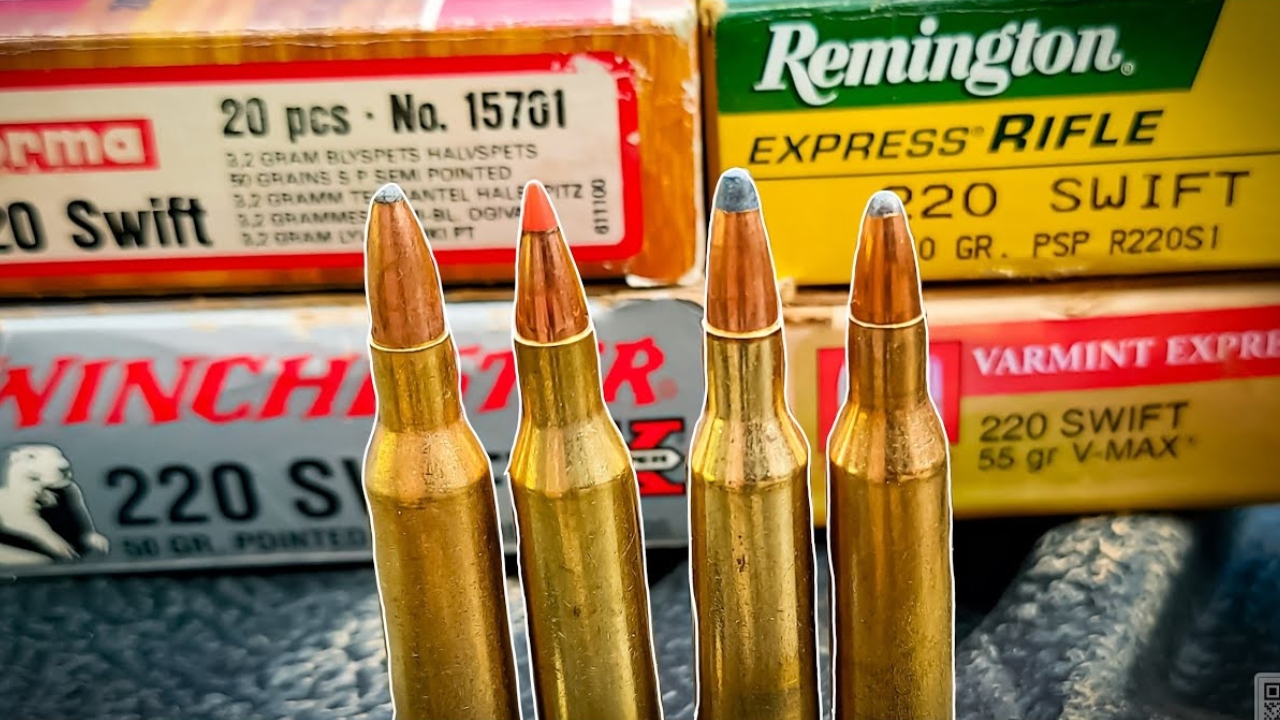
.22-250 Remington and .220 Swift
These are classic flat shooters and classic throat eaters, especially when people use them like a high-volume varmint rig with a skinny sporter barrel. They’re pushing small bullets very fast, and that combination creates a lot of heat right where it hurts. The .220 Swift especially has a long-standing reputation for being hard on throats if you run it hot and fast, because it encourages exactly the behavior that kills barrels—high velocity and lots of rounds in a session.
If you shoot them like a coyote hunter—one or two shots, then cool time—you can get plenty of life. If you shoot them like a prairie dog shooter on a warm day, you’ll learn quickly what “overbore” means. These are great cartridges, but they punish “mag dump with a bolt gun” behavior.
.243 Winchester, 6mm Remington, and the speed-hungry 6mms
People don’t always think of .243 as a barrel burner, but it absolutely can be if you chase max velocity and shoot long strings. It’s one of the most common “my rifle used to shoot lights-out” stories because it’s also one of the most common high-use deer/varmint crossover rounds. The 6mm Remington sits in the same neighborhood, and modern hot-rod 6mms (especially the ones built to push 105–115 class bullets hard) can erode throats faster than many hunters expect if they train like a competitor.
The big thing here is usage pattern. A .243 that only fires a handful of rounds a year will last a long time. A .243 that gets used for deer, coyotes, and summer range work can get its throat cooked if the owner never slows down and never lets it cool. It’s a “quiet burner” because it feels mild and easy to shoot, so people shoot it more.
.25-06 Remington and .257 Weatherby Magnum
The .25-06 is a flat-shooting deer hammer, but it’s also a powder-heavy quarter-bore that can chew throats if you run it hard. It sits in that tempting zone where you can push bullets fast, get very forgiving trajectory, and still keep recoil manageable—so it turns into a “shoot it a lot” rifle. Heat plus volume is what catches people.
The .257 Weatherby Magnum takes that same idea and pours jet fuel on it. It’s extremely flat and extremely capable, but it burns a lot of powder for the bore size, and the throat sees it. If you want Weatherby-flat trajectories and you also want a barrel to last forever under heavy practice, those two desires don’t always play nice.
.264 Winchester Magnum and the modern 6.5 hot rods
The .264 Win Mag is a famous example of “ahead of its time” and “hard on barrels when pushed.” It can shoot very flat with high-BC bullets, but it’s an overbore 6.5 that can erode throats quickly if you run it like a range toy. Modern cartridges in the same spirit—especially the extreme-speed 6.5s—can be even harder on barrels because they’re designed to push high-BC bullets at very high velocities.
You’ll hear guys talk about these as if they’re purely long-range hunting tools, but many owners also train with them—because they’re fun—and that’s where barrel life becomes a real concern. If you’re going to live in the “screaming 6.5” world, accept that barrel replacement is part of the plan if you shoot high volume.
7mm Rem Mag, .270 WSM, and the “medium magnum” trap
These aren’t the worst offenders compared to the extreme overbores, but they’re common enough—and shot enough—that they deserve mention. Many hunters buy one as a do-it-all rifle, then practice with it year-round. Medium magnums can burn throats sooner than you want if you treat them like a target rifle with long, fast strings. The recoil and blast often limit volume for some shooters, but the guys who can shoot them a lot sometimes accelerate erosion without realizing it.
The “trap” is thinking, “It’s not one of those crazy cartridges, so it’ll last forever.” If you run a lot of rounds, especially while hot, throat erosion doesn’t care whether your cartridge is famous or niche.
.300 Weatherby Magnum and the big overbore .30s
If you want flat trajectory with heavy bullets, the big .30 magnums deliver—at a cost. The .300 Weatherby Mag and the larger “ultra” class .30s push a lot of powder, and that heat shows up in throat wear. They’re not automatically short-lived if you hunt with them. They become short-lived when people use them for lots of practice, load development, and extended strings without cool-down.
A common pattern is: the rifle is amazing for the first few hundred rounds, then slowly becomes harder to tune and groups open a bit unless you change seating depth or load. That’s throat evolution. It doesn’t mean the gun is junk. It means the barrel is aging, and the hotter you run it, the faster that aging happens.
How to keep a flat shooter from eating barrels
If you love flat cartridges but don’t want to burn barrels early, a few habits matter more than brand choice:
- Don’t cook the barrel. Slow strings. Let it cool. A hot barrel is a throat-eroding machine.
- Use a heavier contour if you practice a lot. Thin sporter barrels heat fast and stay hot.
- Watch carbon at the throat. A carbon ring can mimic “shot out” accuracy loss.
- Be honest about velocity chasing. Max loads tend to accelerate erosion; moderate loads often shoot just as well.
- Track round count and accuracy trends. If groups start opening gradually, it’s usually not “mystery”; it’s wear or fouling.
Like The Avid Outdoorsman’s content? Subscribe to our newsletter so you never miss an article.
Here’s more from us: