Photo credit: Karkhut/Shutterstock.com
There’s a fine line between a capable tactical rifle and one that turns into a burden the second you leave the truck. Plenty of rifles earn praise on the bench or at a flat-range training day, but once you strap them to a pack or hike a ridgeline with them, the weight becomes the whole story. Tactical setups tend to grow heavier with thick barrels, long rail systems, oversized chassis, and accessories that look good in photos but don’t help when you’re worn out and trying to make steady hits.
If you’ve ever trained on uneven ground or moved any real distance with a rifle that’s creeping toward the 12- or 14-pound mark, you know exactly how fast that weight starts working against you. These rifles can shoot well, but their heft makes them tough to justify for anyone who needs mobility more than Instagram clout.
FN SCAR 20S
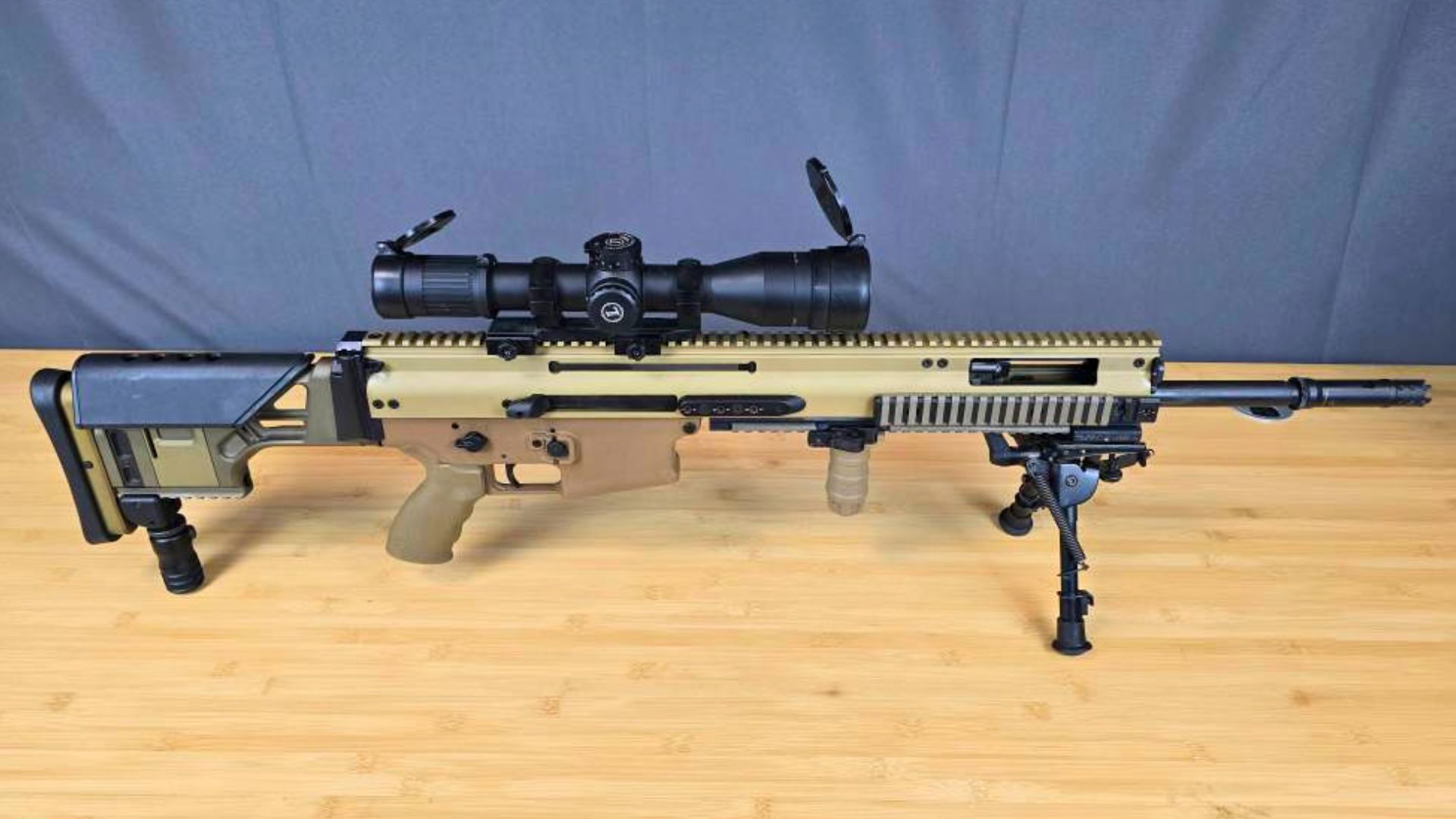
The FN SCAR 20S is a capable precision-oriented semi-auto, but once you shoulder it for any real movement, its weight becomes the first thing you notice. With its heavy-profile barrel, full-length rail, and beefy receiver extension, the rifle often ends up in the 11- to 12-pound range before optics or accessories. That’s a serious load when you’re trying to stay nimble during longer training days.
While the 20S performs well at distance, the price you pay is mobility. The weight shifts the balance forward, making it slow to transition between targets and tiring to hold on barricades. If you stick to flat range work or prone shooting, it shines. But once you add real movement into the mix, it quickly reminds you that precision sometimes comes with a heavy penalty.
Springfield Armory M1A Loaded
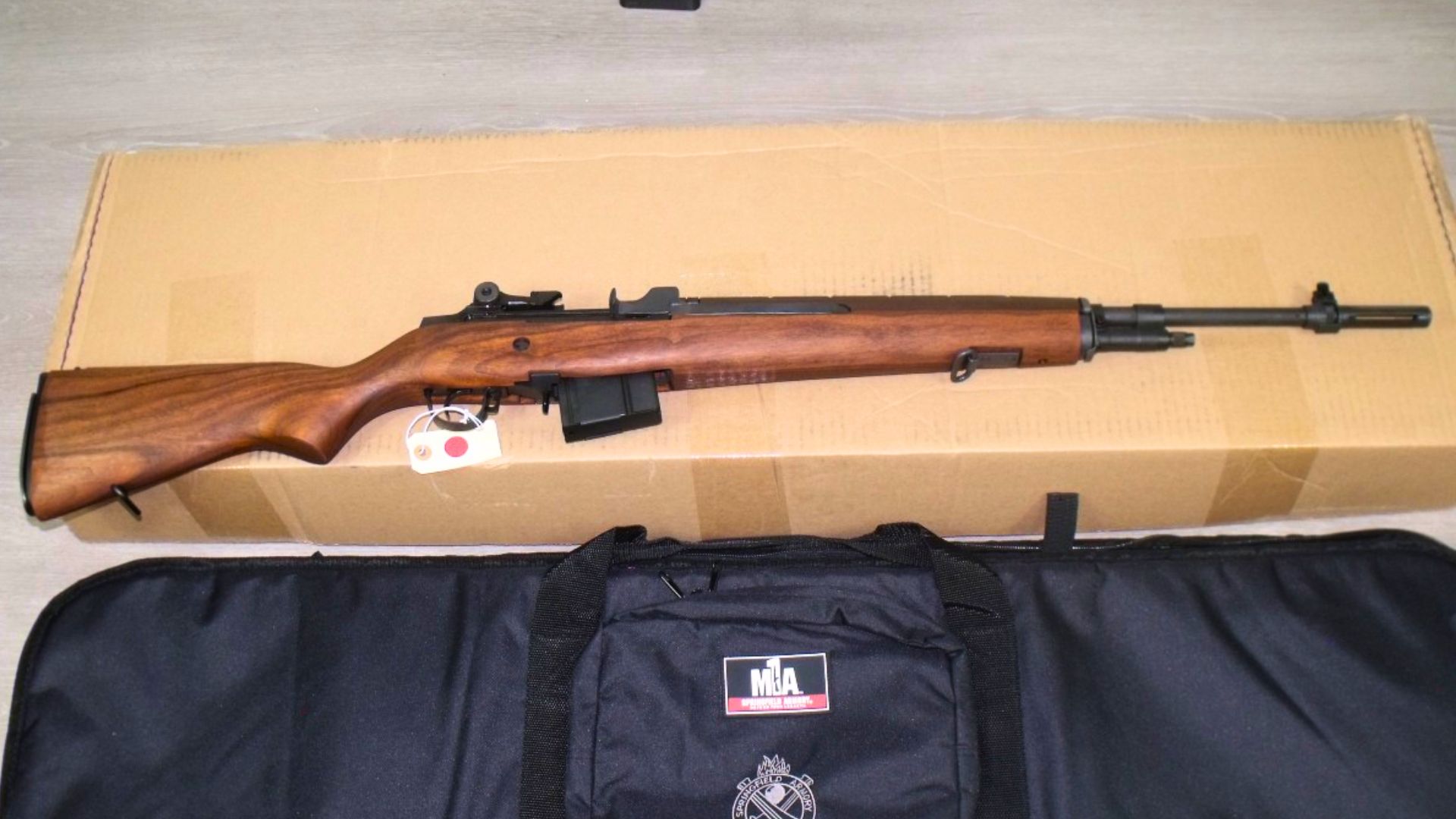
The M1A Loaded version takes an already hefty platform and adds a thicker barrel and a full walnut or synthetic stock. That extra mass pushes the rifle’s weight into uncomfortable territory for anything involving movement. The classic design still shoots well, but carrying it through drills or up terrain is a workout in itself.
You feel the weight immediately when transitioning positions or running a sling. The long barrel and full-size stock make it slow to maneuver around obstacles or tight cover. While it remains a nostalgic and capable .308, there’s no getting around the fact that the Loaded model is far heavier than what most shooters want in a modern tactical tool.
HK MR762A1
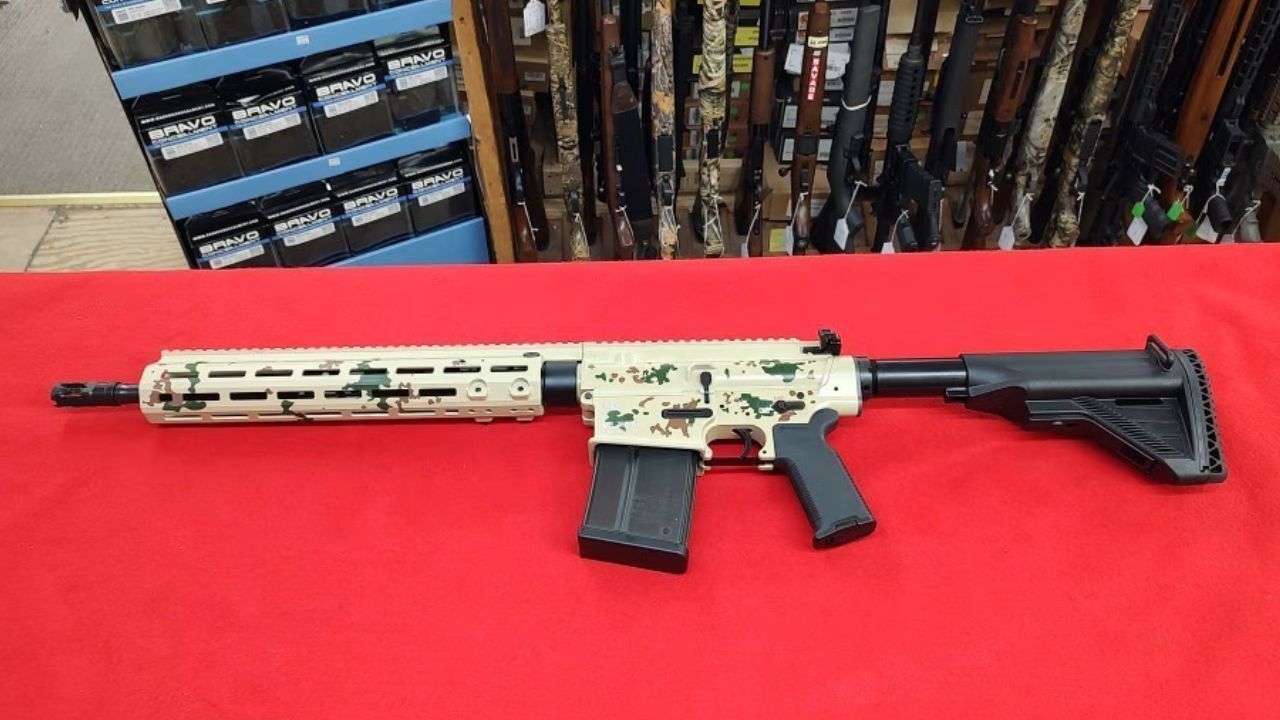
The HK MR762A1 is known for accuracy and durability, but you pay for that reputation with significant weight. The rifle routinely hits the 10-pound mark before optics or accessories, and once you add a scope, bipod, and a loaded magazine, you’re well into the 13-pound range. That’s a tough starting point for anyone who needs to stay mobile.
The MR762 handles like a precision rifle trapped in a battle rifle’s frame. It shoots clean groups, but the heft slows down transitions and wears you out during extended training. If you need pure reliability and benchrest-level precision, it’s hard to beat. But if you value speed or long periods of carrying, the weight drains your enthusiasm fast.
Ruger Precision Rifle

The Ruger Precision Rifle delivers impressive accuracy for the price, but weight has always been its main drawback. Even in lighter calibers, the chassis, folding stock, and heavy barrel push it beyond what most people want to carry outside structured ranges. You notice it the moment you try to run a course with multiple shooting positions.
The rifle behaves well from prone or supported positions, but once you’re moving, the mass becomes a liability. The weight makes it slow to settle into barricades and exhausting to hold for extended periods. It’s a great tool for precision practice, but “tactical mobility” isn’t something the RPR was ever designed for.
SIG Sauer Cross PR
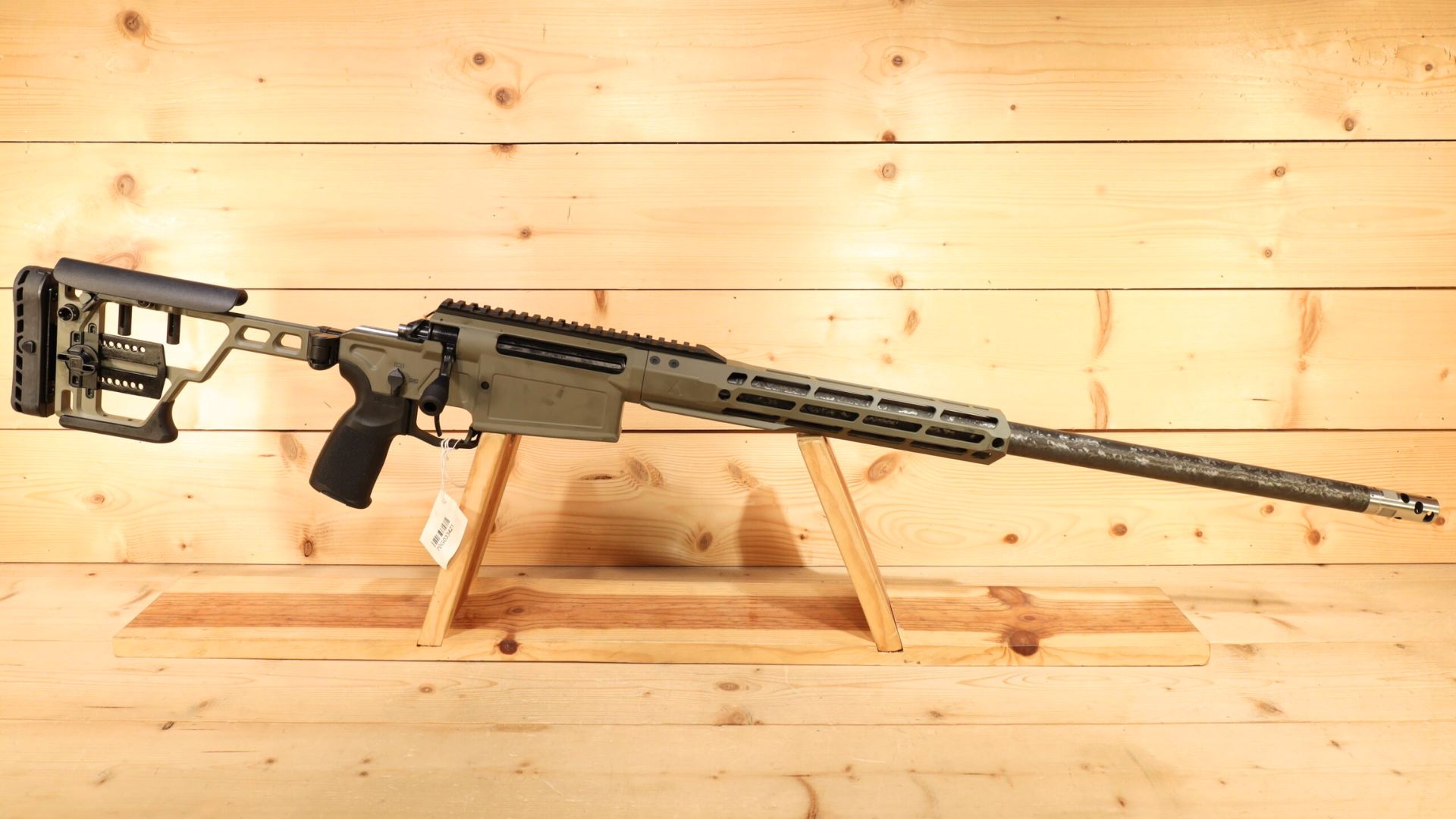
The SIG Cross PR adds features that precision shooters appreciate, but those additions bring extra weight to a rifle that originally stood out for being lightweight. The beefed-up barrel, longer handguard, and extended forend make the PR model significantly heavier than the standard Cross.
On the range, it shoots extremely well and offers solid ergonomics, but when you start moving or shooting off-hand, the weight works against you. The front-heavy feel makes quick transitions and extended holds more tiring than expected. It’s a strong rifle for slow, deliberate work, but not ideal for high-mobility scenarios.
Remington 700 Police

The Remington 700 Police has long served in law-enforcement precision roles, but the heavy barrel and full-size stock make it considerably heavier than most modern tactical rifles. Carrying it across rough terrain or repeatedly transitioning between positions becomes a challenge.
While it offers dependable accuracy, the weight pushes it firmly into “static position” territory. When you add a heavy optic and bipod, it becomes difficult to manage outside of prone shooting. For shooters who want classic .308 precision but still value mobility, the Police configuration feels like carrying an anchor.
Barrett REC10
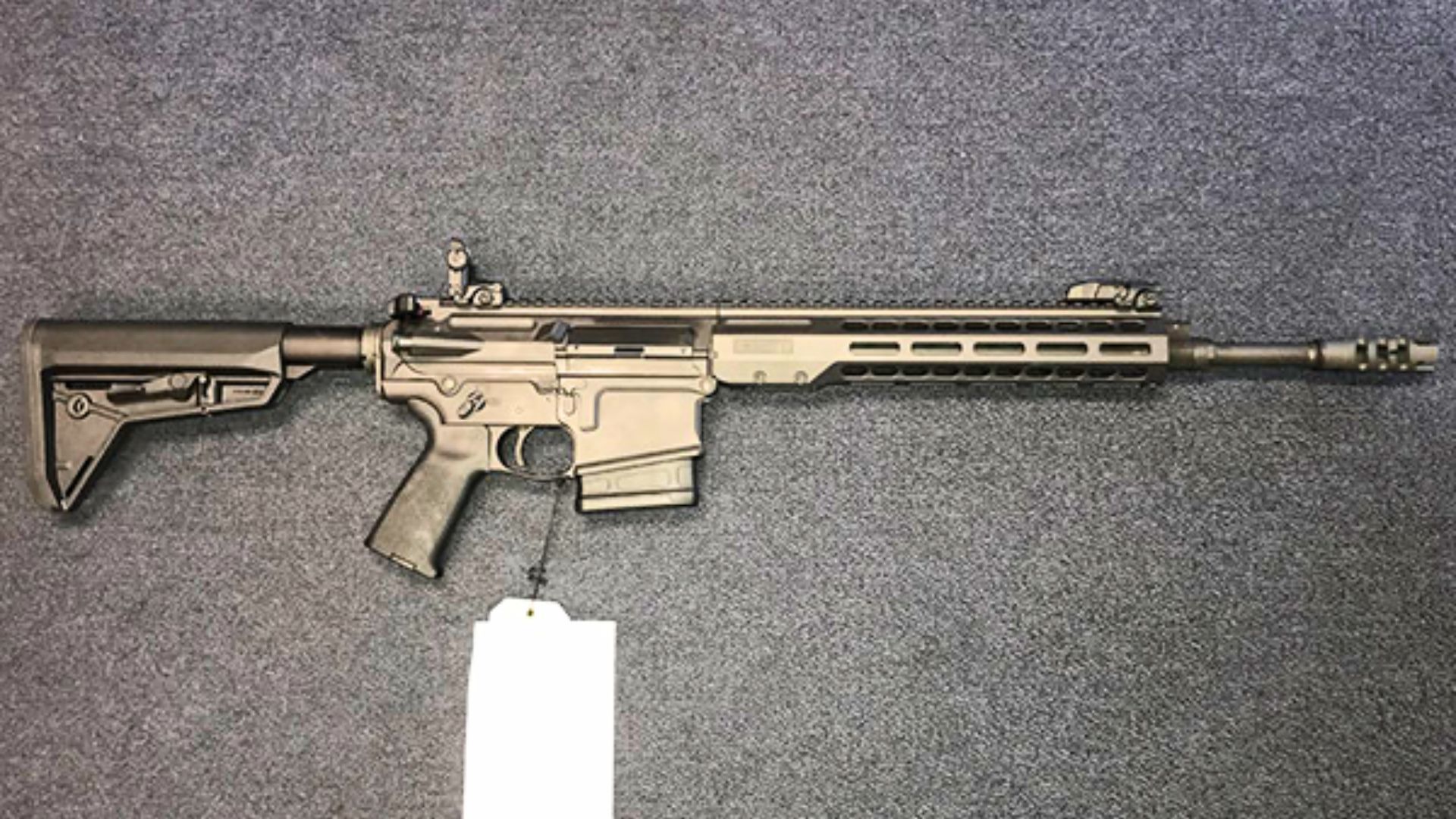
The Barrett REC10 is rugged and reliable, but that durability comes at a cost: weight. As a .308 AR, it already starts heavier than most 5.56 platforms, and the reinforced receivers and thicker barrel profile push the weight even higher. Once kitted out, it becomes a serious loadout to manage.
It’s a fine rifle if you’re staying put, but the minute you start hauling it over uneven terrain or through a training course, you realize how much mass you’re fighting. It handles recoil well, but handling the rifle itself is another matter entirely. For most shooters, this rifle feels like carrying more rifle than you need.
Savage 110 BA Stealth

The Savage 110 BA Stealth is designed for long-range precision, not mobility, and its weight makes that clear. The beefy chassis, long barrel, and heavy recoil system create a rifle that pushes deep into the heavy class. Moving with it during courses of fire quickly becomes exhausting.
It settles beautifully on a bipod and shoots tight groups, but the minute you need to change positions or shoot off-hand, the weight punishes you. For tactical scenarios that require speed and agility, this rifle becomes more burden than asset. It’s a fine precision tool, but not a practical field rifle.
Palmetto State Armory PA-10
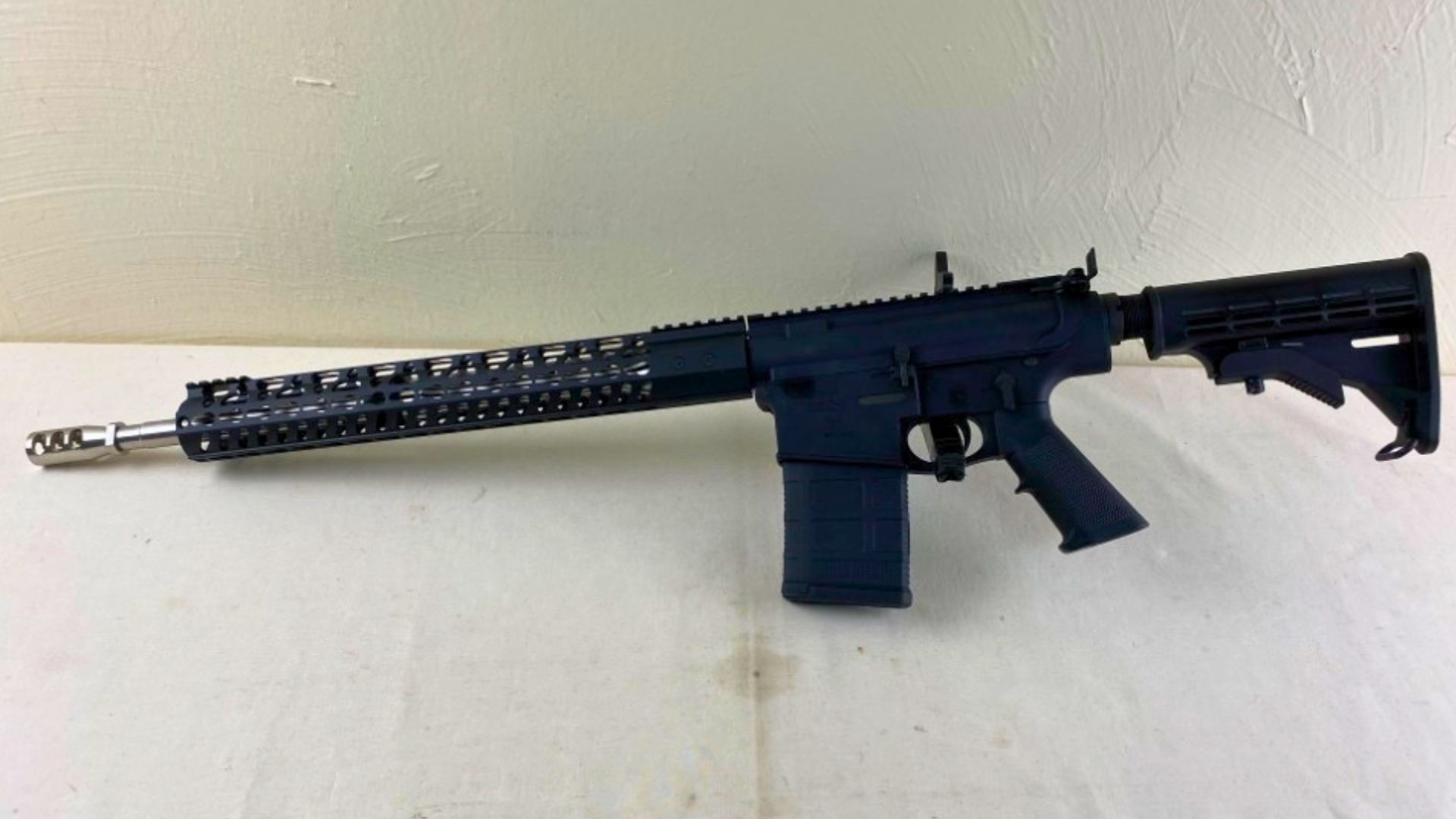
The PA-10 gives shooters an affordable entry into .308 ARs, but budget rifles often come with heavier components. The PA-10’s thick barrel, sturdy receivers, and basic furniture push it to the heavier side of the spectrum. That weight becomes noticeable fast once you start moving.
Accuracy is respectable, but the rifle doesn’t balance well for high-mobility shooting. It’s slow to mount, slow to transition, and tiring to support without a rest. You can upgrade components to trim weight, but out of the box, it’s one of the heavier tactical-style .308s you can carry.
Aero Precision M5 (heavily configured)

The Aero M5 can be built into a lightweight setup, but many common configurations use thick barrels, full-length handguards, and steel components that add significant weight. When outfitted with typical tactical accessories, the rifle often creeps into “too heavy to be practical” territory.
Shooters like the accuracy and modularity, but mobility suffers. Even simple movements feel clunky, and holding the rifle for extended periods turns into a real grind. The platform has potential, but the way most people configure it pushes it far from being a practical tactical tool.
Knights Armament SR-25 EMC
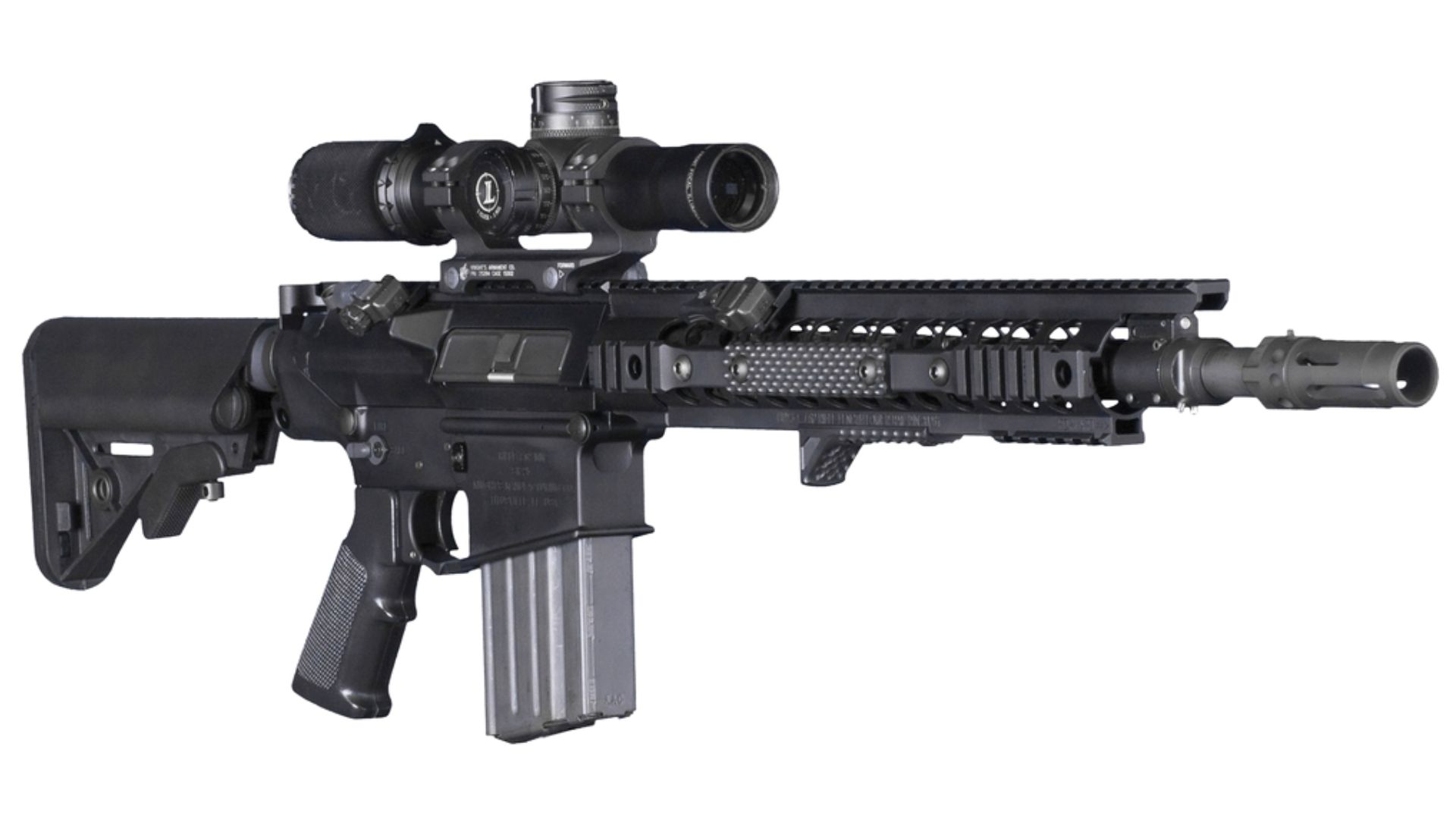
The SR-25 EMC is a premium battle rifle with outstanding precision, but it’s far from lightweight. The reinforced receivers, thick-profile barrel, and full-length rail give it a sturdy feel that becomes burdensome on longer movements or repeated drills.
Accuracy and reliability are top-tier, but the rifle’s heft slows transitions and fatigues shooters during long strings of fire. In a static or supported position, it’s excellent. When mobility matters, the weight makes it difficult to justify unless you’re willing to carry more than most modern rifles demand.
Ruger Gunsite Scout (synthetic stock w/ rail systems)
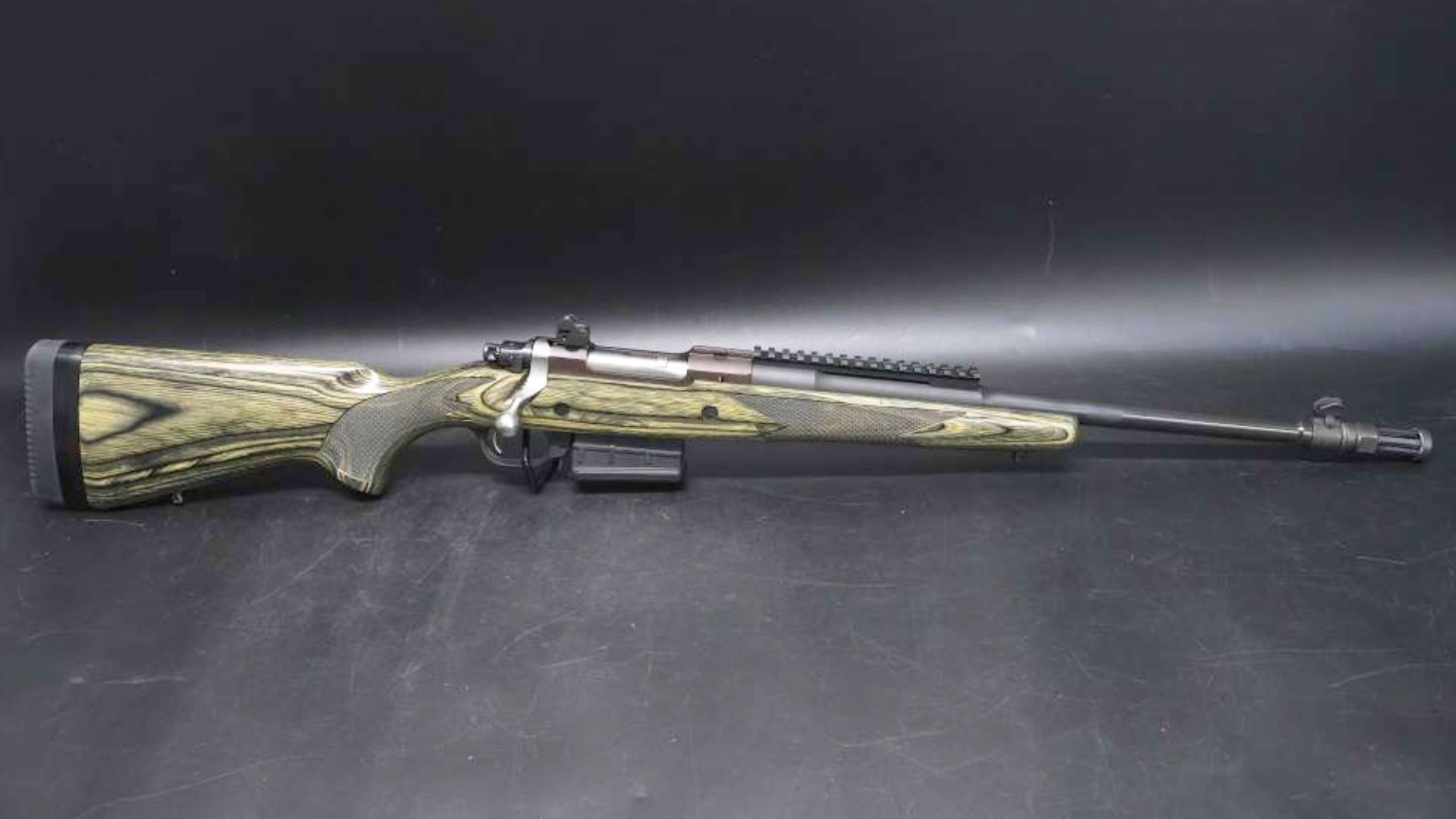
The Ruger Gunsite Scout can be reasonably light in its simplest form, but many tactical configurations with rails, lights, bipods, and optics turn it into a much heavier setup. The short barrel helps maneuverability, but once weight climbs, the advantage disappears.
With accessories attached, the rifle becomes nose-heavy and tough to stabilize during unsupported shooting. The platform handles recoil well and offers versatility, but once it’s configured like a tactical rifle, the weight gets in the way of what makes the Scout concept appealing in the first place.
Daniel Defense DD5 V4
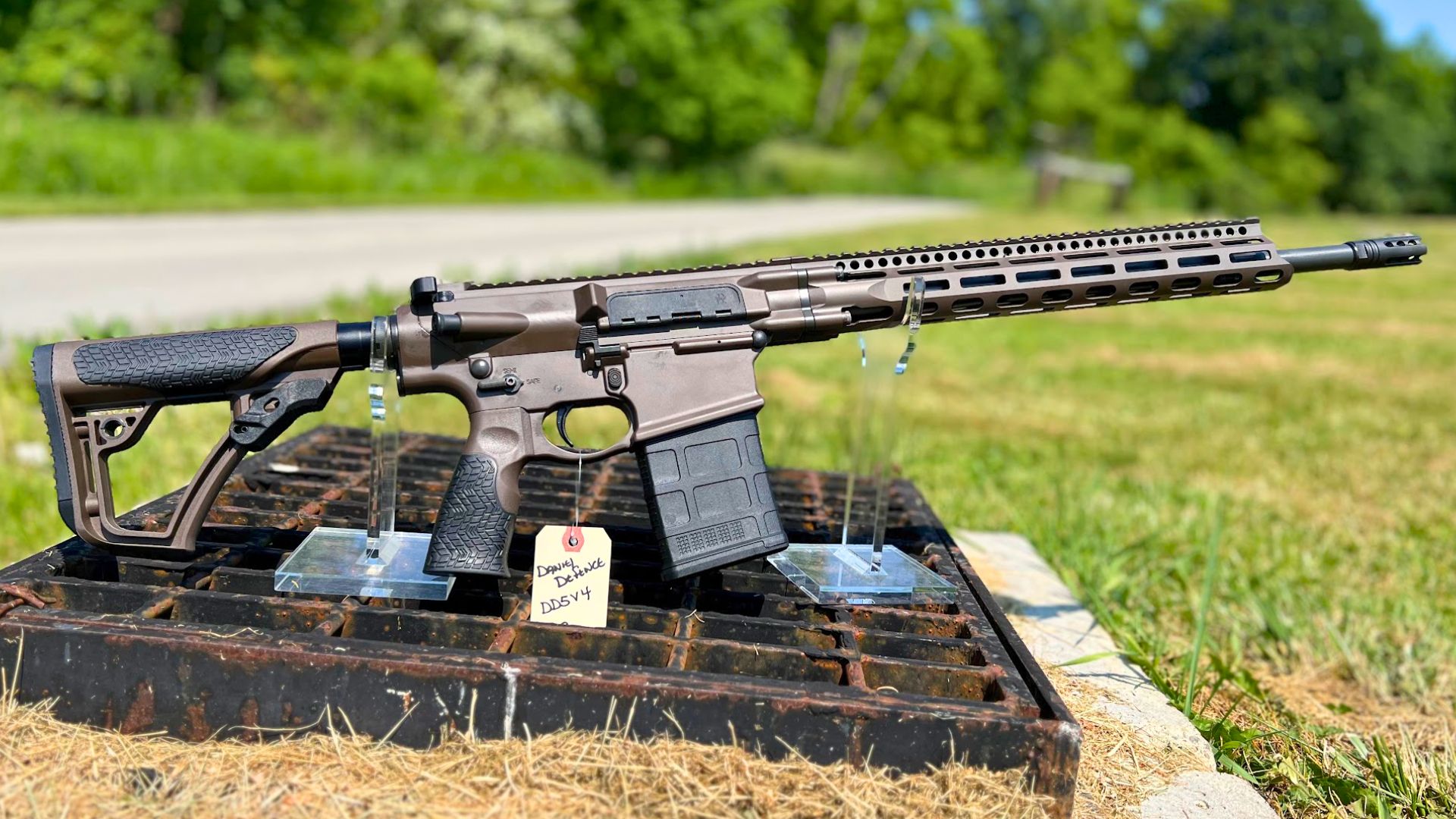
The DD5 V4 is durable and well-built, but it’s also one of the heavier .308 ARs on the market. The long handguard, strengthened receivers, and thick barrel profile create a rifle that quickly becomes a chore to carry during extended training.
Accuracy and reliability are strong points, yet the sheer weight makes it difficult to maintain speed. It’s tiring to run from unconventional positions and becomes cumbersome over long distances. It’s a rifle that performs well on paper but feels like a commitment every time you shoulder it.
Bergara Premier HMR Pro

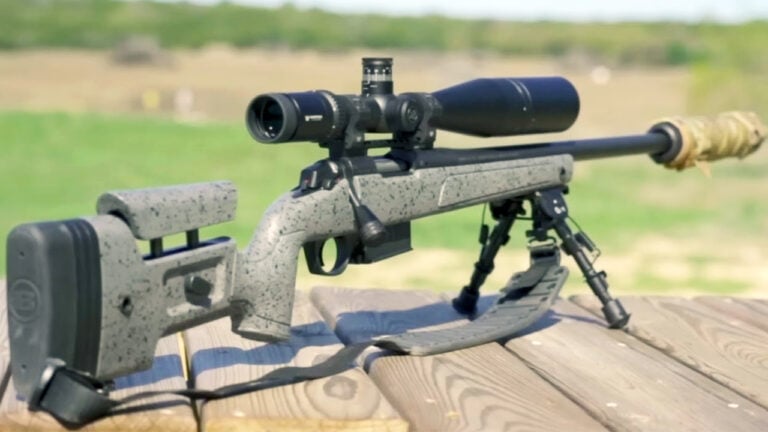
The HMR Pro is a fantastic precision rifle but is undeniably heavy once you add an optic and bipod. The chassis-style stock, long barrel, and steel components make it a tough choice for anyone who has to stay mobile during tactical-style shooting.
From supported positions, it’s one of the smoother-shooting rifles you’ll handle. But the weight becomes a burden during longer sessions, and holding it steady in awkward positions burns you out quickly. It’s built for accuracy first, and the extra mass is the tradeoff you feel with every step.
Christensen Arms Modern Precision Rifle (steel-barrel configs)

While Christensen offers lightweight carbon-barrel variants, the steel-barreled MPRs are significantly heavier. The long rails, folding chassis, and steel components push them into the “more rifle than you want to carry” category for tactical use.
They’re incredibly stable on a bag or bipod, and the accuracy lives up to the reputation. But the moment mobility enters the picture—sidehilling, scrambling, fast transitions—the weight slows you down. For certain precision roles, it’s excellent. For practical tactical shooting, it asks more from you than most shooters want to give.
Like The Avid Outdoorsman’s content? Be sure to follow us.
Here’s more from us:
The worst deer rifles money can buy
Sidearms That Belong in the Safe — Not Your Belt
*This article was developed with AI-powered tools and has been carefully reviewed by our editors.