Photo credit: The Longgunner/YouTube
When a rifle heats up and your groups start opening like a bad joke, it’s not always “you losing focus.” Heat changes steel. It changes barrel harmonics, shifts point of impact, and can even mess with how the stock or handguard presses on the barrel. Light profiles warm fast. Some gas guns shift as the handguard and gas system heat-soak. Some budget stocks flex more once everything is warm and you’re loading into a bipod. And if you’re shooting fast enough to see it happen, you’re basically stress-testing every part of the setup—barrel, bedding, screws, and optics.
None of this means the rifle is junk. It means you have to know what you’re holding. The models below are known for showing heat-related wandering if you push them with quick strings, especially in factory form.
Ruger Mini-14 (pre-580 series)

Older Mini-14s with the thinner barrels heat up fast and they don’t hide it. Your first couple shots can look fine, then the barrel warms and the group starts walking. It’s not rare to see vertical stringing that makes you feel like your zero is drifting between magazines.
If you want it to behave, treat it like a practical ranch rifle, not a bench gun. Slow your cadence and confirm your zero on a cold barrel. Keep your support consistent, because loading the forend into a rest changes pressure as things warm. The later 580-series rifles improved the barrel profile, but the early guns earned their reputation honestly.
Ruger American Ranch
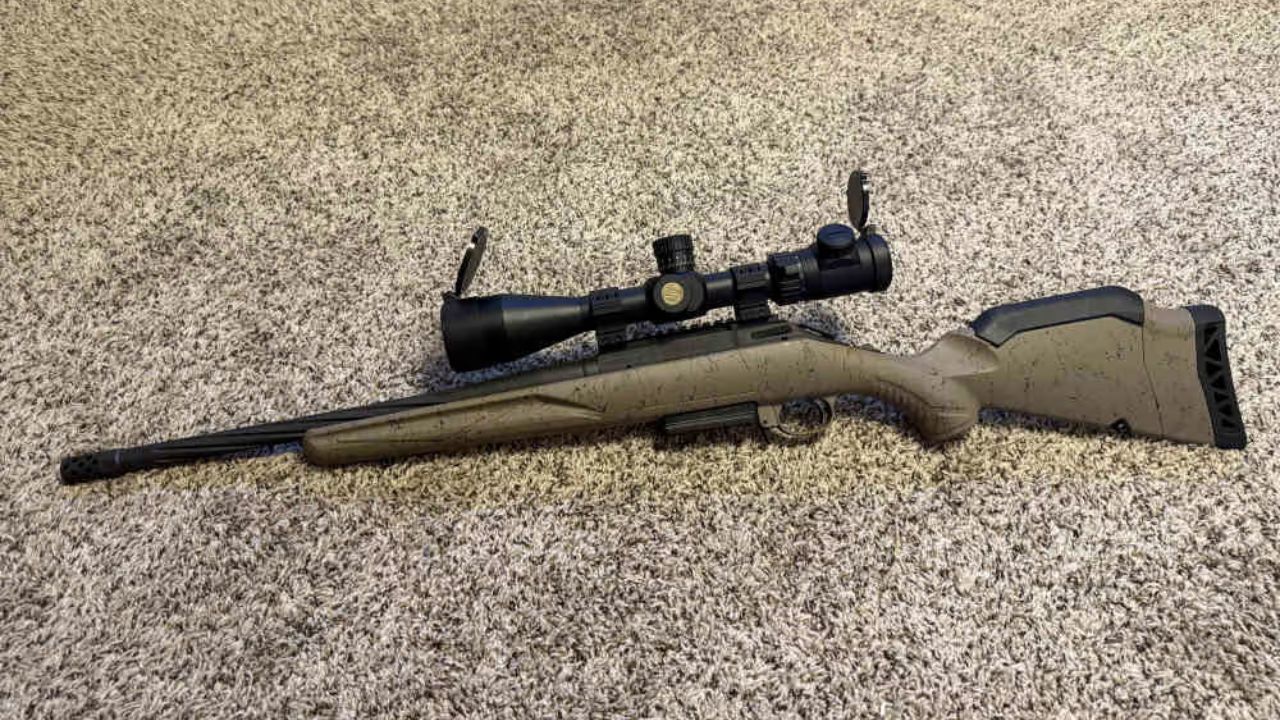
Short, light barrels are handy, and the Ranch rifles carry like they should. The tradeoff is heat. When you run quick strings, that thin barrel warms fast and you can see groups start to open and shift, especially if you’re shooting off a bipod and putting the forend under pressure.
The factory synthetic stock doesn’t always help. Flex plus heat plus inconsistent support can look like “shots everywhere.” To get the best out of it, keep the tempo realistic and check that the barrel isn’t contacting the stock when you load into the gun. If you shoot it like a field rifle—cold bore, slow follow-ups—it usually looks a lot better than it does in a “let’s burn a box” range session.
Tikka T3x Lite

The T3x Lite is a great carry rifle, but the “Lite” part matters when you start stacking shots. That thinner barrel warms quickly, and you can see point of impact move as heat builds. It’s especially noticeable when you’re shooting from a hard rest and the forend pressure changes as you settle in.
This isn’t a knock on Tikka quality. It’s the reality of a light hunting barrel. If you want consistent groups, slow down and let the barrel cool between strings. Keep your support hand and rest position consistent, and don’t clamp down on the rifle like you’re shooting a heavy varmint rig. Treat it like the mountain rifle it is, and it’ll stop surprising you.
Remington Model 700 ADL

A 700 ADL with a skinny sporter tube can look great for three shots, then start spreading as the barrel warms. If the stock is pressing the barrel unevenly, heat makes the situation worse because the contact point can change as materials expand.
You’ll notice it most when you shoot a “group” like you’re proving something—five or more shots with little pause. The rifle is telling you what it is: a hunting setup. If you want to keep it consistent, verify your action screw torque and make sure the barrel isn’t getting pushed by the forend under recoil. With a steadier cadence and a consistent rest point, many of these rifles settle right back down.
Savage Axis II

The Axis II can shoot better than people expect, but the factory stock can be a troublemaker once heat and pressure enter the picture. Load into a bipod, heat the barrel with fast strings, and the forend can flex enough to change barrel contact. That turns a respectable rifle into one that looks scattered.
The cure is consistency and stiffness. Keep your strings realistic, let the barrel cool, and check the barrel channel for contact when the stock is under load. Action screw torque matters more than most people think on these rifles. If you want it to handle faster shooting without wandering, a stiffer aftermarket stock often does more than chasing a new load.
Winchester Model 70 Featherweight

The Featherweight carries like it was built for a real hunt, but the lighter barrel profile warms and moves more than a heavier tube. You’ll see groups open and sometimes shift if you shoot it in a hurry, especially if you’re resting the rifle in a way that puts pressure on the forend.
The Model 70 is a classic for a reason, but it rewards old-school discipline. Shoot three-shot groups and let it cool. Keep your rest point consistent and don’t muscle it into the bags. If it’s a wood-stock Featherweight, changes in humidity plus heat can add to the “wandering” feeling. Treat it like a hunting rifle and it’ll keep acting like one.
Browning X-Bolt Micro Midas

Compact rifles like the Micro Midas are made to fit smaller shooters and carry easy. That usually means less barrel mass, and less barrel mass means heat shows up quickly. When you push the pace, groups can go from tidy to sloppy fast.
You keep it honest by controlling your tempo and your support. Don’t run it like a trainer rifle with long strings. Confirm your zero cold, then shoot it the way it’ll be used—one or two shots, then a pause. If you’re loading a bipod, pay attention to forend pressure. Heat plus a light rifle amplifies every little inconsistency, and it can look like the rifle “lost accuracy” when it’s really reacting to the way it’s being shot.
Ruger M77 Mark II Ultralight

The M77 Ultralight is exactly what it claims to be, and that’s the point. The barrel heats quickly, and when it does, point of impact can move enough to make a group look like it’s unraveling. It’s not built to shoot long, fast strings.
If you want it to print tight groups, slow down and keep your rest method consistent. A light rifle also punishes sloppy follow-through because recoil moves it more. Between that and the thin barrel, you can get “shots everywhere” if you shoot it like a heavier rifle. Keep it cool, keep it steady, and it’ll look a lot more like a dependable hunting tool than a problem child.
Colt LE6920
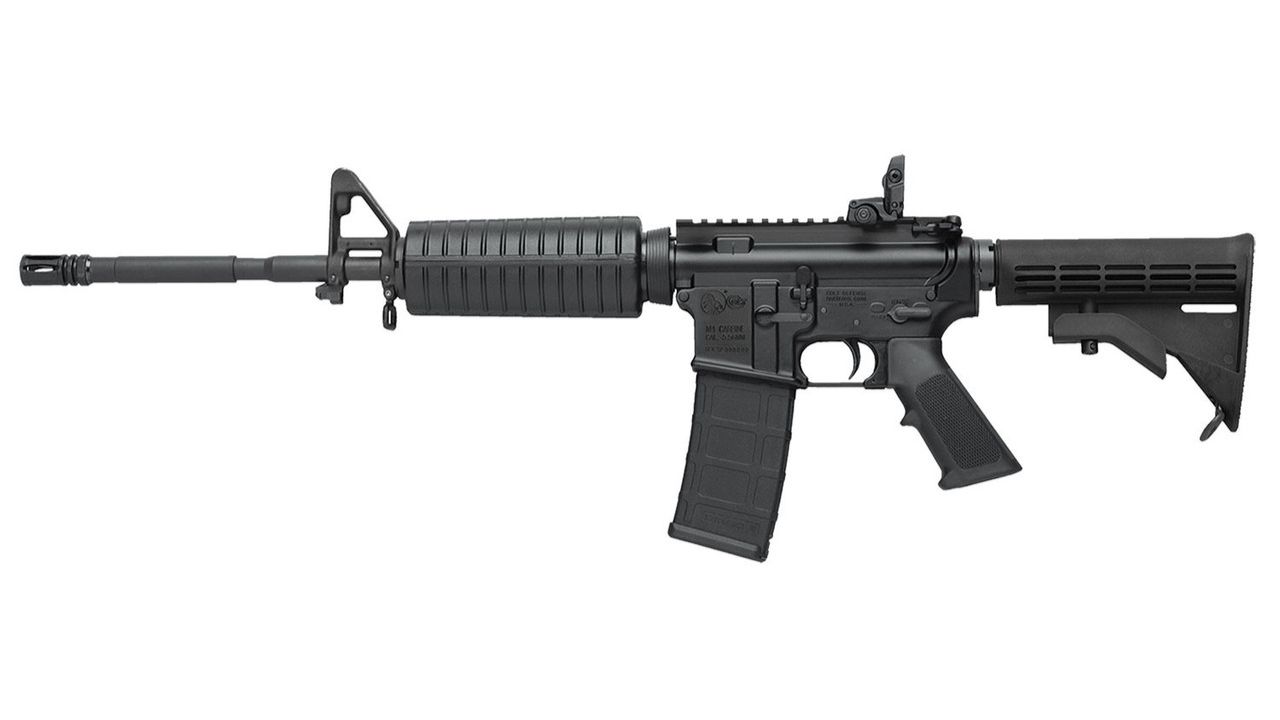
The LE6920 itself is reliable, but the standard non-free-float handguards can make your point of impact shift as the system heats and as your support pressure changes. If you’re loading into a sling or bipod, you’re pushing on parts that aren’t isolated from the barrel.
Run fast strings and the rifle gets hot quickly, especially around the gas block and handguards. That heat plus pressure can turn a decent group into a wandering mess. If you want it to stay consistent under heat, a free-float rail is the real fix, not another optic. Keep your grip and rest consistent, and don’t crank hard on the sling if you’re trying to track precision.
Daniel Defense DDM4 V7
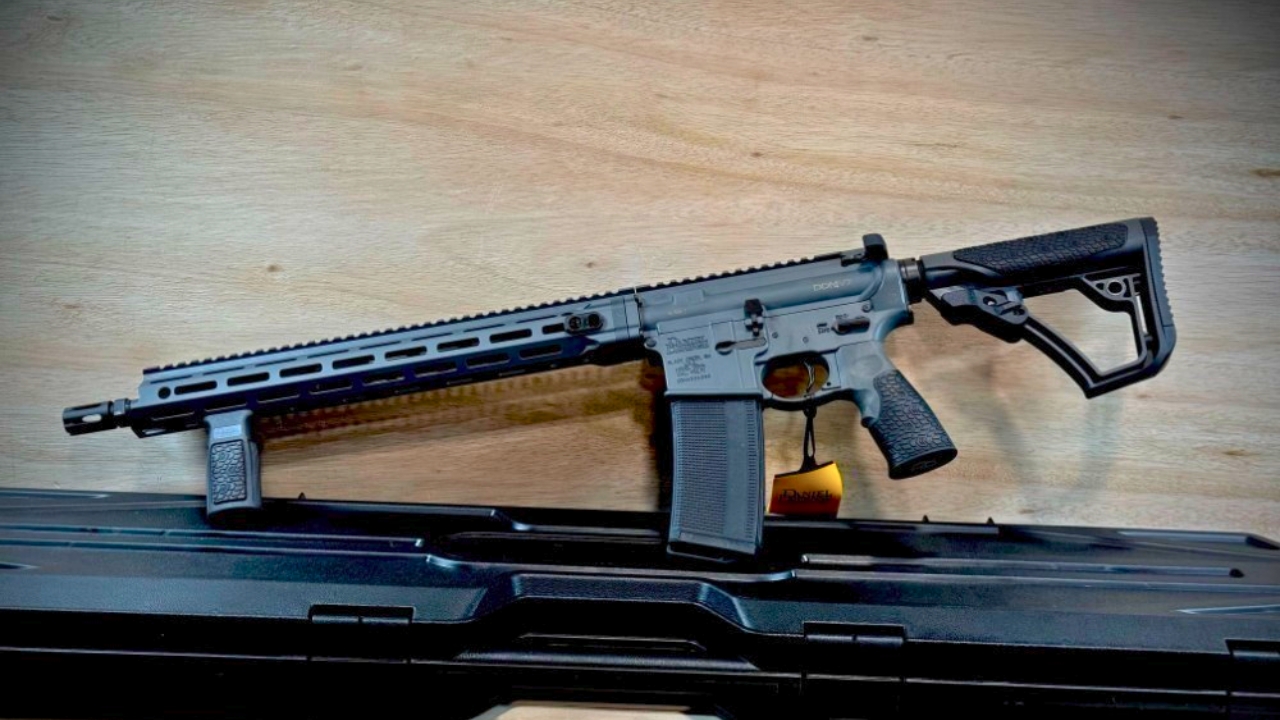
Even quality ARs can show heat wander when you run them hard, and the DDM4 V7’s lighter, more “do-everything” barrel profile can heat soak fast in rapid fire. As the barrel and rail warm, your group can open up, and point of impact can shift a bit depending on how you’re supporting the rifle.
This isn’t a knock on Daniel Defense. It’s the reality of a lighter profile barrel doing carbine work. If you want tighter consistency, shoot slower strings when you’re testing accuracy and don’t torque the handguard with aggressive bipod loading. The rifle is built for speed and handling, not slow-fire precision in long strings. Change the mission or change the barrel profile.
Springfield Armory Saint Victor
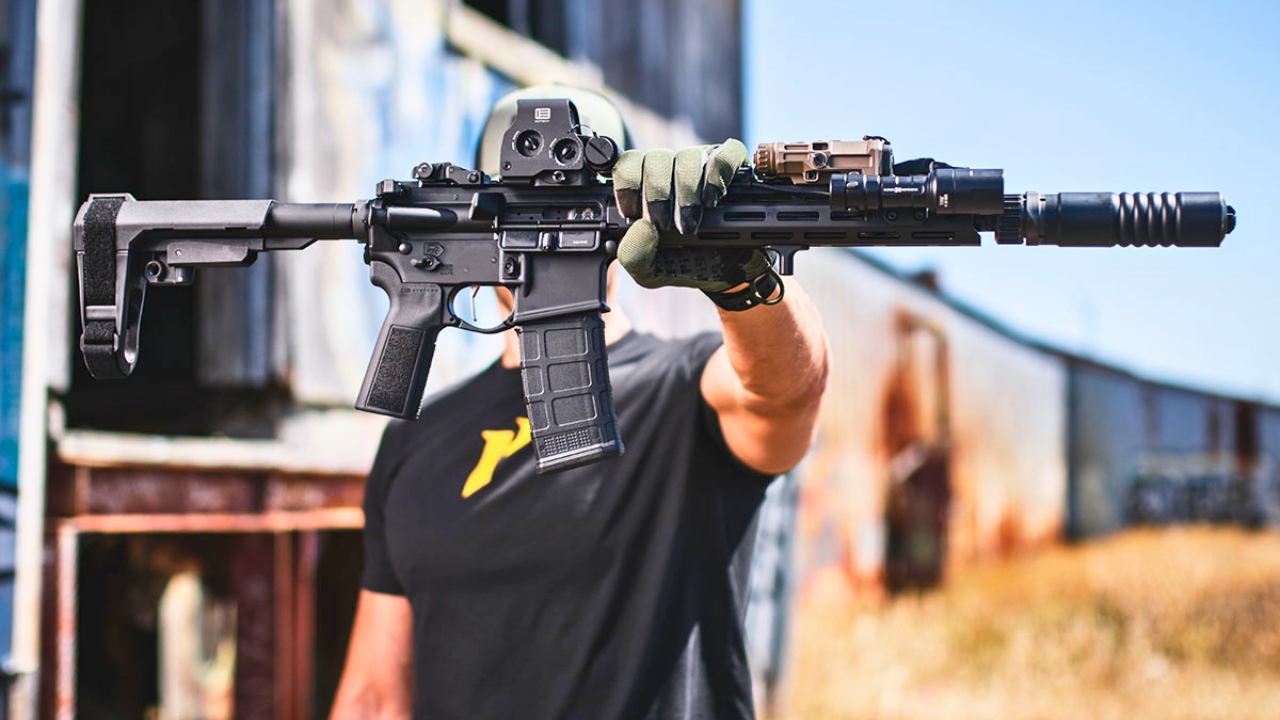
The Saint Victor is light and quick, which makes it fun to run. It also means it can heat up fast, and once heat builds in a lightweight AR, groups can open noticeably. Add a hot handguard and a shooter who starts changing grip pressure, and things can look worse than they are.
Keep your expectations realistic for the barrel profile and the role of the rifle. If you want accuracy testing, shoot measured strings and let it cool. If you want to run drills, accept that heat is part of the equation. Make sure the optic mount is solid and that nothing is loosening as the rifle cycles hot. A lightweight carbine will show heat sooner than a heavier, more purpose-built setup.
WASR-10

AKs like the WASR-10 are built to run, not to stay tight through fast, accuracy-focused strings. When you dump rounds, the barrel and gas system heat quickly, and groups can open up in a hurry. Some of it is barrel profile, some of it is how the handguards and gas tube area heat and shift.
Optic mounting can make it look even worse. If the side mount or rail isn’t rock solid, heat and recoil can combine into a “why is my zero moving” experience. If you want better consistency, keep the mount stable and don’t remove it. Then shoot the rifle like what it is—a practical gun meant for realistic strings, not slow-fire tiny groups after three magazines back-to-back.
Norinco SKs

Run an SKS hard and you’ll feel the heat quickly, especially around the gas tube and handguard. As the system warms, group size often grows, and point of impact can drift depending on how much play exists in the gas tube/handguard fit and how you’re supporting the rifle.
A lot of SKS “accuracy problems” also come from bad optic mounting choices that don’t repeat. When you add heat, everything gets magnified. If you want to see what the rifle can really do, use irons or a proven mount that doesn’t wobble, and slow your cadence. The SKS can be consistent inside its lane, but it doesn’t pretend to be a precision rig when it’s hot.
Marlin 1895 Guide Gun

The Guide Gun heats up faster than people expect when you’re firing full-power .45-70, and recoil can loosen marginal hardware while the barrel warms. Between heat, recoil, and barrel band/mag tube tension, groups can open and shift, especially if you’re shooting quick follow-ups off a rest.
If it starts throwing shots, don’t blame the cartridge first. Check your screws, your scope base, and any band fasteners. Then pay attention to how you’re resting the forend—pressure changes matter more on banded lever guns than most shooters realize. These rifles are made for field distances and real hunting cadence. When you shoot them like a range toy, they remind you what kind of tool they are.
Winchester Model 94 Trapper
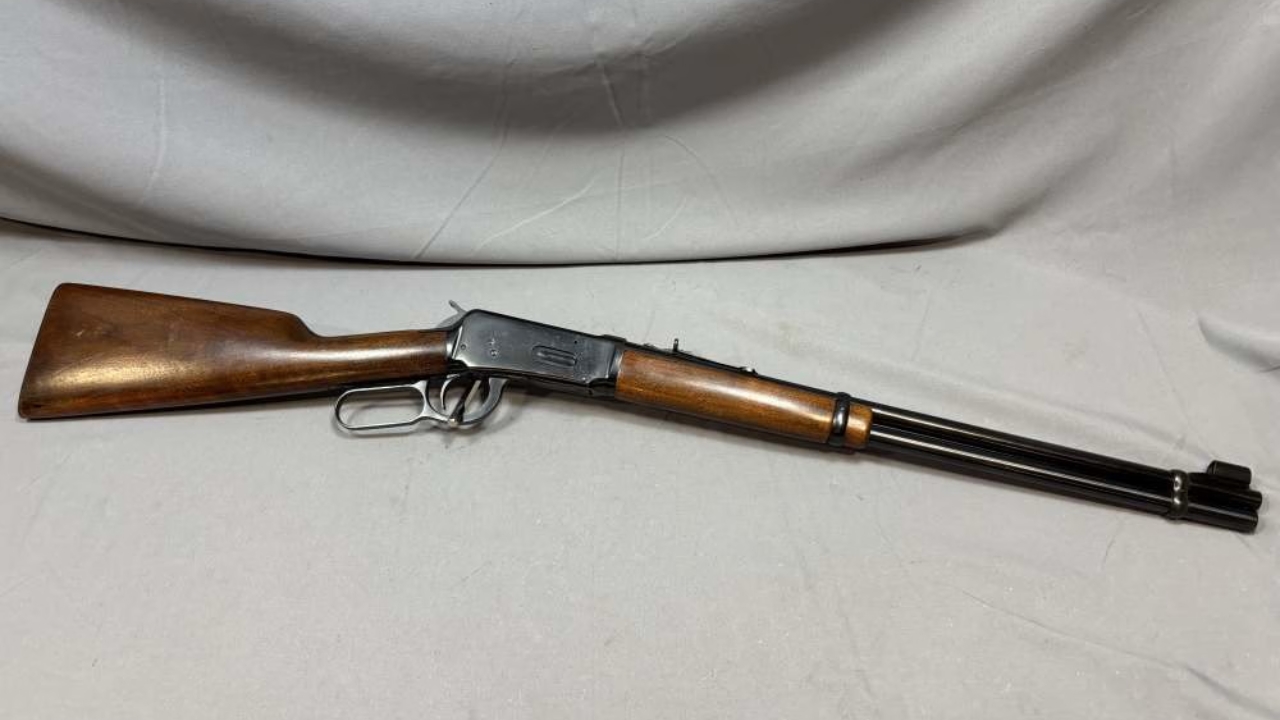
Short-barreled lever guns heat quickly, and the Model 94 Trapper is no exception. A warm barrel, combined with a light rifle that’s easy to hold inconsistently, can open groups fast. Barrel band tension and wood movement can add to the wandering feeling as the rifle warms.
You get the best results by slowing down and keeping your support consistent. Rest it the same way every time, avoid putting hard pressure on the magazine tube area, and keep your sight hardware tight. The Trapper isn’t meant to stack tight groups through long strings. It’s meant to put a shot where it counts, cold or warm, as long as you don’t try to turn it into something it isn’t.
Ruger 10/22 Carbine

A 10/22 can get hot with sustained firing, and when it does, the barrel band and stock pressure can start showing up on target. You’ll see it as groups opening and sometimes shifting, especially if the barrel is being pushed by the stock differently as things warm.
If you want it consistent, remove pressure variables. Many shooters ditch the barrel band and make sure the barrel isn’t contacting the stock. Keep action screw tension consistent and don’t rest the rifle in a way that torques the forend. A 10/22 can be extremely repeatable, but the factory carbine setup can wander when heat and inconsistent support start stacking up.
Ruger No. 1A Light Sporter
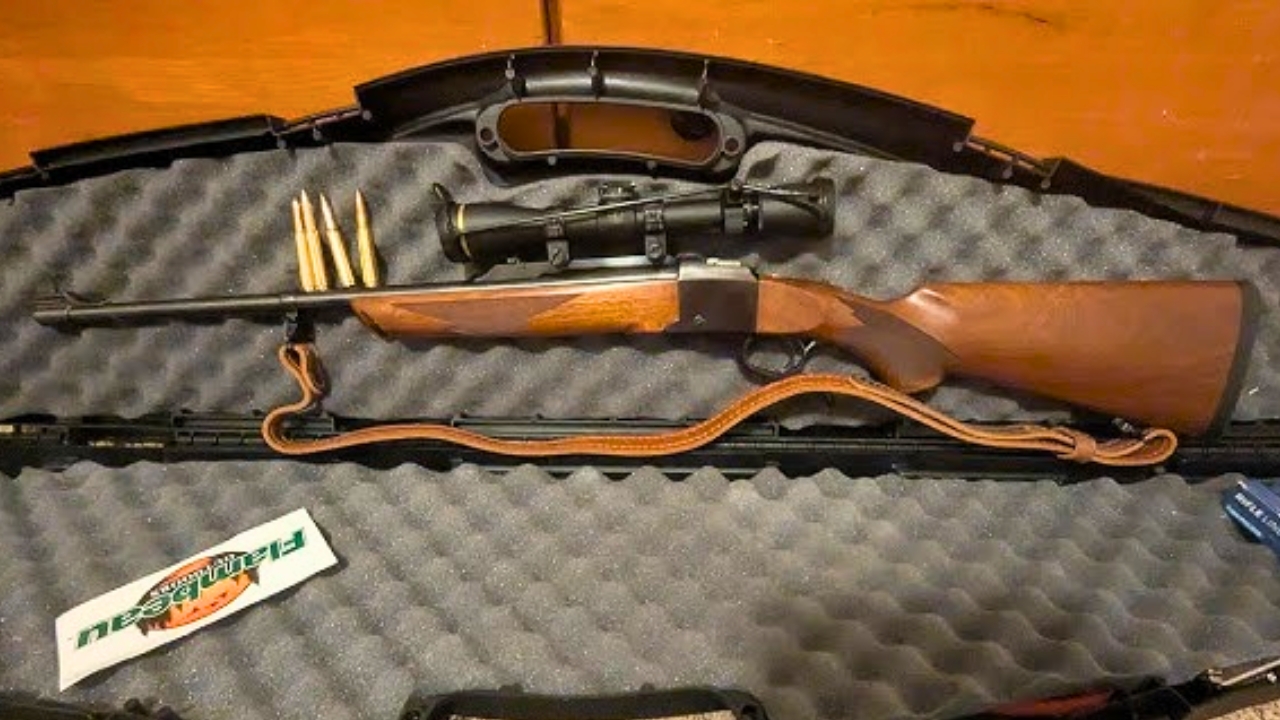
The Ruger No. 1 can shoot beautifully, but it can also change behavior as heat builds because of the fore-end hanger system and how fore-end tension influences barrel vibration. Warm it up with quick strings and you can see point of impact drift in ways that make you think the rifle is coming loose.
Consistency is everything here. Keep fore-end screw tension identical and avoid shooting it off a rest that changes pressure on the fore-end. Don’t treat it like a heavy barreled bolt gun—shoot slower strings and let it cool. When a No. 1 is tuned and shot with discipline, it can be impressive. When it’s rushed, heat makes it feel like it’s got a wandering personality.
Like The Avid Outdoorsman’s content? Be sure to follow us.
Here’s more from us: