Photo credit: Jordi Mora/Shutterstock.com
There’s this idea that bigger bullets solve everything. More stopping power, more knockdown, more “just in case.” But in the real world, that mindset can get you into trouble—or at least make your shooting experience a whole lot harder than it needs to be. Bigger calibers have their place, no doubt. But they’re not always the answer, and in some situations, they actually make things worse. Here’s where chasing size just doesn’t pay off.
Heavy Recoil Slows Follow-Up Shots

A big caliber usually means big recoil. That might not matter on the first shot, but it can absolutely throw off your second. If you’re dealing with a real threat or fast-moving target, recovering from a muzzle flip takes time—and time is the last thing you have.
You can train around recoil to a point, but it still works against you. A manageable caliber means faster, more accurate follow-up shots, which matter more than raw power in most situations.
Overpenetration Becomes a Real Problem

Larger calibers often punch through more than intended. That’s fine if you’re hunting moose in open country, but inside a home or around others, it’s a serious issue. That bullet might not stop where you expect it to.
A smaller, well-placed round can do the job without risking unintended damage. Bigger isn’t better when it puts bystanders or neighbors in the line of fire. Sometimes, less penetration is exactly what you want.
Ammo Is Heavier and Bulkier

Carrying a few extra rounds might not seem like a big deal—until you’re hauling them around all day. Big calibers take up more space and add more weight, especially when you’re packing for a long hike or hunt.
That matters in a bug-out bag, backcountry carry, or any situation where weight adds up fast. A box of .44 Mag looks cool, but a box of 9mm is lighter, cheaper, and way easier to pack.
Muzzle Blast and Noise Are Brutal

If you’ve ever shot a big bore indoors or in tight quarters, you know the concussion is no joke. It’s disorienting. The muzzle flash, the noise—it’s all cranked up. In a self-defense scenario, that blast can work against you.
Smaller calibers tend to be easier on the ears and eyes, especially in close quarters. You might actually be able to hear what’s going on around you—and see without your night vision getting fried.
Less Capacity in the Magazine

The bigger the round, the fewer you can carry in the same magazine. That’s just how it works. So if you’re rolling with a large-caliber handgun, you’re likely giving up extra shots in favor of power.
For defensive use, more rounds on tap can be the smarter call. Nobody ever said, “I wish I had fewer shots” in a real emergency. A smaller caliber might keep you in the fight longer.
Slower, Louder, and Harder to Shoot

When you move up in caliber, you often sacrifice control and speed. Even experienced shooters can struggle with accurate double-taps from a heavy-recoiling handgun. Add stress to the mix and it gets worse.
Sure, some folks can handle it—but that doesn’t mean it’s the best choice. A 9mm you can actually shoot well beats a .357 you flinch with. Hitting the target counts more than flexing with big rounds.
Training Is More Expensive

Bigger calibers cost more to shoot. A lot more. That means less range time for most people—and less practice leads to worse performance. It’s a simple trade-off, and it adds up fast.
If you can’t afford to practice with your carry gun, you’re setting yourself up for failure. Cheaper, lighter-recoiling rounds like 9mm or .22 let you train more often without draining your wallet.
Not Always Needed for the Job
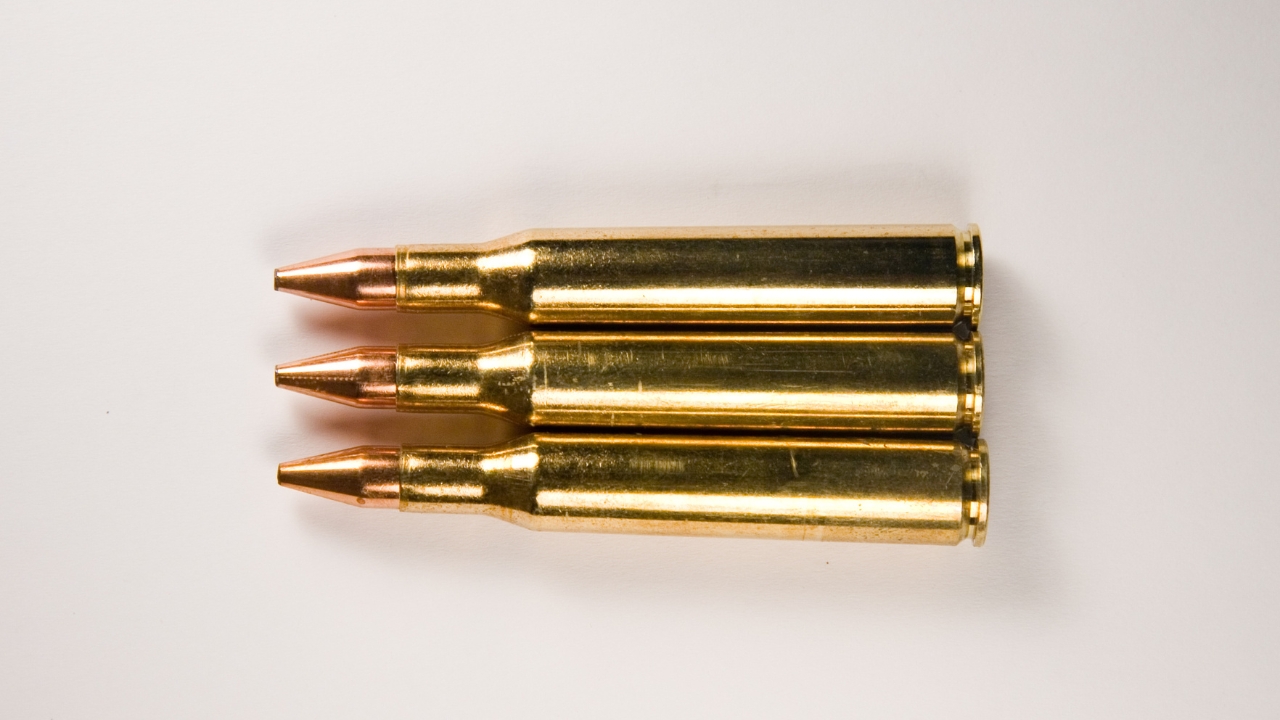
People love to overgun. Bringing a .300 Win Mag to a deer hunt might seem cool, but it’s usually unnecessary—and it can ruin meat or make shots more difficult. Same goes for home defense or concealed carry.
You don’t need a hand cannon when a compact 9mm or .223 will do the trick. Matching the caliber to the task is smarter than defaulting to the biggest round you can find.
Harder to Control Under Stress

It’s one thing to handle recoil at the range when you’re calm. It’s a whole different story when your heart’s pounding and adrenaline’s spiking. Under stress, most people struggle with control—and bigger calibers only magnify that.
That first shot might be okay. After that, all bets are off. Smaller, easier-to-control calibers make a huge difference in how you perform when things go sideways fast.
Concealment Gets Way Tougher

Big calibers usually require bigger guns. And bigger guns are harder to conceal. If you’re trying to carry a full-size .45 ACP every day, you’re probably dealing with printing, discomfort, or both.
Meanwhile, a compact or subcompact 9mm disappears a whole lot easier and still gives you decent performance. Comfort and practicality go a long way when you’re carrying all day, every day.
*This article was developed with AI-powered tools and has been carefully reviewed by our editors.