Photo credit: Savage Arms
A lot of guns get bought on one promise: “This thing is reliable.” The problem is that reliability isn’t a feeling you get at the counter. It’s what’s left after heat, fouling, mixed ammo, tired magazines, and real round counts. That’s where tolerances stack, springs settle, extractors prove their mood, and small design choices start showing consequences.
You also run into a hard truth: plenty of guns are reliable in the narrow conditions they were tuned around. Change ammo, add dirt, run faster strings, or load magazines to the brim all day, and the “problem-free” reputation can turn into a range bag full of notes and spare parts.
These are specific models that people often buy expecting smooth sailing, then end up troubleshooting. Some examples run great. The point is that these are common places where owners find themselves doing more diagnosing than they planned.
Glock 44

The Glock 44 gets bought as a “cheap practice Glock,” and it does feel familiar in the hand. On the range, it can run well—until you mix bulk .22 LR, softer loads, or dirtier ammo. Rimfire is already fickle, and the 44’s timing can make that obvious once the gun gets dry or starts collecting soot. A cold function check at home won’t show you that.
Most troubleshooting starts with ammo, magazines, and lubrication. High-velocity loads usually behave better, and the gun often prefers a steady grip and a clean chamber. If you show up with random bargain bricks and expect centerfire-level behavior, you can end up clearing stovepipes, chasing light strikes, and blaming the pistol when the real culprit is rimfire variability plus a tight little action.
Ruger LCP II

The Ruger LCP II gets purchased for one reason: it’s small enough to be with you. In the hand it feels snug, the slide feels smooth, and you walk out thinking you bought a dependable pocket tool. The first long range session is where tiny .380s remind you they run on narrow margins.
Troubleshooting usually looks like failures to feed or return fully into battery, especially when the gun is dry, hot, or the grip gets loose during fast strings. The LCP II can also show strong preferences for certain bullet shapes. When you treat it like a full-size pistol and try to run speed drills all afternoon, the platform can punish any sloppy technique. With the right ammo and a firm grip, many run fine, but you earn that confidence the hard way.
SIG Sauer P365

The SIG Sauer P365 is famous because it packs real capacity into a small frame, and plenty of people buy it expecting “Glock reliable” in a thinner package. It feels solid, points well, and it’s easy to fall in love with it in dry practice. Micro-compacts, though, cycle fast and live close to the edge.
Early-production P365s had widely reported issues that SIG addressed over time, and even later guns can be more ammo-sensitive than a duty-size pistol. Troubleshooting tends to show up as erratic ejection, failures to return to battery, or parts wearing sooner than you expect in a tiny, high-speed action. You can end up swapping recoil springs on schedule, testing magazines, and learning which loads the gun truly likes—work you didn’t expect from a “reliability” purchase.
Kimber Custom II

A Kimber Custom II often feels like a bank vault when it’s cold. The slide-to-frame fit can be snug, the lockup feels tight, and the pistol looks like it should shoot lights-out forever. A lot of buyers hear “1911 reliability is fine if you buy a good one,” and they assume the price tag settles the argument.
Range-day troubleshooting often starts with magazines and extractor tension. A tight 1911 can be less forgiving with bullet profiles, spring rates, and even how you load the mags. You may see nose-dives, failures to return to battery, or inconsistent ejection until the gun is broken in and tuned. None of that means every Kimber is a problem, but it’s common to see owners swapping mags, tweaking extractors, and chasing the sweet spot that a polymer pistol tends to find on its own.
Taurus G3C

The Taurus G3C gets picked up as a budget carry gun that “runs” without drama. It feels dense for the size, the controls are familiar, and the trigger is workable. At the range, some examples go a full day without a hiccup. Others start teaching you about quality variation the moment you mix ammo or speed up.
When troubleshooting happens, magazines are often the first suspect—feed lips, springs, and follower movement can make or break the gun. Extractor tension and ejection patterns can also vary, and that shows up as brass going everywhere or occasional failures to clear the port. You can end up marking mags, swapping springs, and hunting for the one load that stays consistent. It can still be a good value, but the “reliability” expectation can turn into a small maintenance project fast.
SCCY CPX-2

The SCCY CPX-2 feels like a chunky little work pistol, and the price makes people think they found a dependable hidden deal. It has enough weight to seem sturdy, and nothing about it looks fragile. The first real range day is where the long, heavy trigger and small-gun timing can start stacking the odds against you.
Troubleshooting often shows up as failures to feed or short cycles when the grip relaxes during faster strings. Some shooters also find the gun more ammo-picky than they expected, especially with lighter practice loads. Because the trigger takes real effort, it’s easy to “steer” the gun and blame accuracy on the sights, then notice the pistol is also being inconsistent mechanically. You end up diagnosing both shooter input and gun behavior at the same time, which is a rough place to be.
Kel-Tec PMR-30

The Kel-Tec PMR-30 gets bought because it promises light weight, big capacity, and .22 WMR speed. It feels solid enough in the hand, the controls are fun, and it looks like a range-day crowd pleaser. Then you load it up and find out why rimfire magnum pistols can be temperamental.
Most troubleshooting revolves around magazine loading and ammo choice. The PMR-30 can be sensitive to rim lock, uneven stacking, and rounds that aren’t seated consistently. On the line, that turns into failures to feed that feel random until you connect them to how the magazine was loaded. Dirty chambers and waxy ammo can add their own problems. You can get one running well, but it often means being picky with ammo, loading carefully, and staying on top of cleaning.
Remington 597

The Remington 597 looks and feels like a “real rifle” compared to featherweight plinkers. It has good heft, a solid receiver, and it points like a small-game gun you can trust. A lot of people grab one expecting steady semi-auto reliability for squirrels, steel, and cheap practice. Then the first high-round-count range day starts exposing the weak link.
Most problems trace back to feeding and magazines. The 597 has a long history of being picky about mag design and spring tension, and rimfire ammo variation makes it worse. You might get a few clean magazines, then watch rounds hang up or the action slow down as fouling builds. The fix often becomes a pile of small tweaks—better mags, careful cleaning, and testing specific loads. It can shoot well, but it doesn’t always behave like the effortless .22 people expected.
Ruger 10/22

The Ruger 10/22 is the poster child for “it always works,” and in factory form it often does. You buy one expecting zero drama, and the rifle feels solid and familiar. The trouble starts when the goal shifts from casual plinking to “I want it to run like a drum-fed machine” with aftermarket mags, triggers, and bargain ammo.
Troubleshooting usually begins with magazines—especially extended mags—and then moves to ammo and extractor setup. A 10/22 can run flawlessly with the rotary mag and still choke with certain high-capacity options. Add a match chamber, a lighter bolt, or a trigger kit, and you can change timing enough to create weird failures that didn’t exist before. You end up tuning a rimfire like it’s a race gun, when you bought it for stress-free shooting.
Savage A17
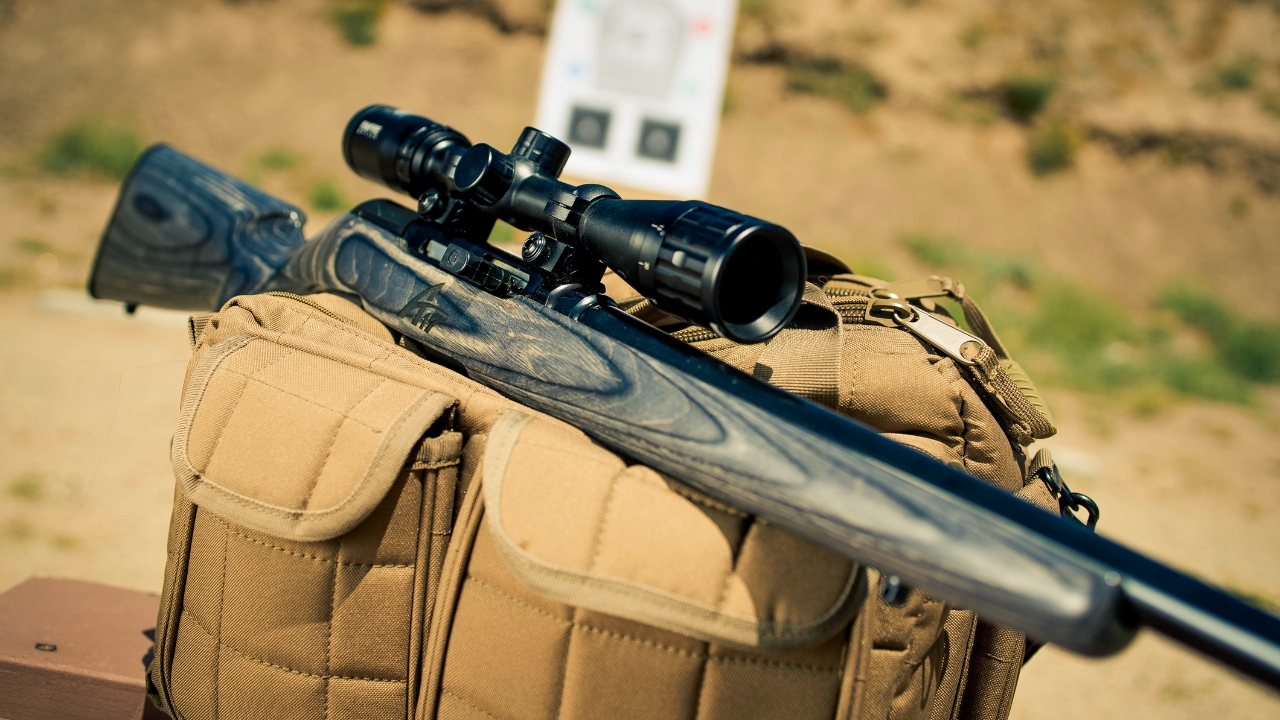
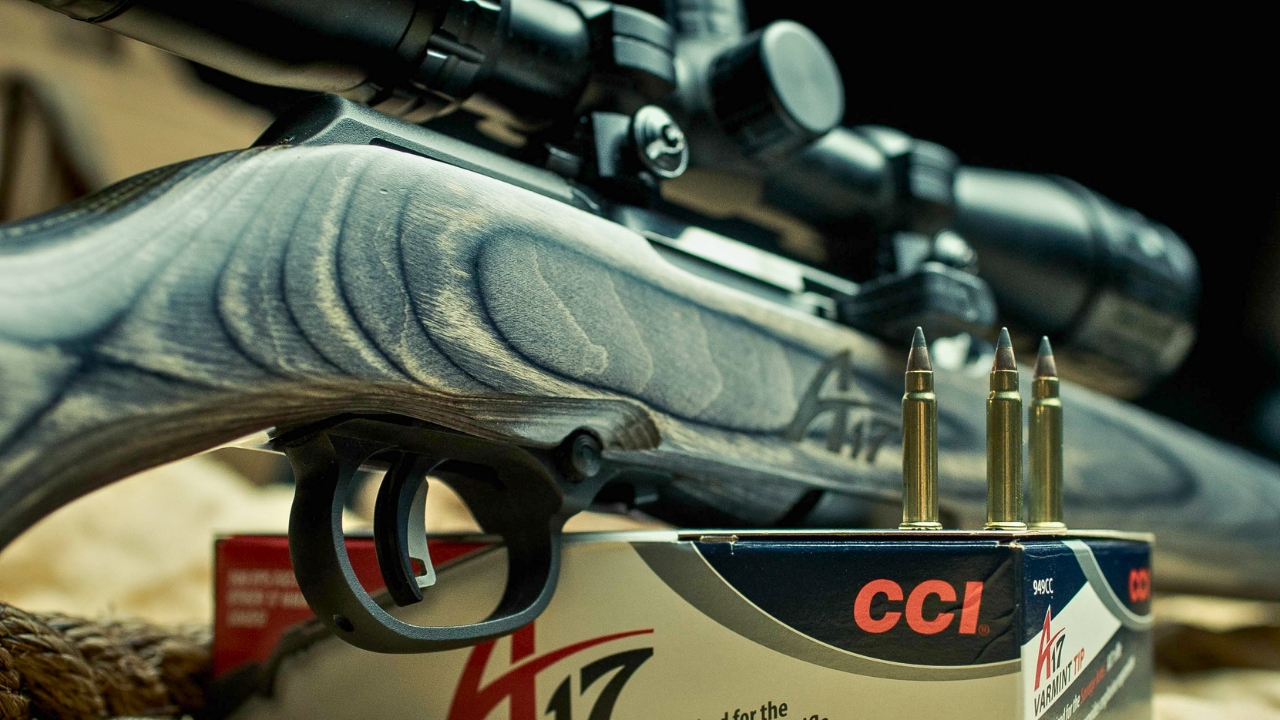
The Savage A17 is marketed as the semi-auto answer for .17 HMR, and it feels like a purpose-built small-game rifle. The action feels tight, the stock fit is decent, and you expect clean, flat-shooting performance without the tinkering that older rimfires sometimes need. A long range day is where some A17s start acting like they’re still figuring themselves out.
Troubleshooting often shows up as feeding and extraction issues that come and go with ammunition lots and magazine condition. .17 HMR runs at higher pressure than .22 LR, and the A17’s timing is more sensitive to fouling and lubrication. When the rifle is happy, it’s a laser on prairie dogs and paper. When it isn’t, you end up cleaning the chamber more often, swapping magazines, and testing brands until the rifle settles on what it prefers.
Mossberg 930 SPX

A Mossberg 930 SPX feels like a serious shotgun—weight in the right places, controls that make sense, and a look that says it’s ready for hard use. People buy it expecting “semi-auto reliability” without the premium price. The first range day with a few boxes of shells is where gas guns show whether they stay consistent once they’re hot and dirty.
The 930 platform can run well, but it’s known for benefiting from good maintenance and the right load choice. Troubleshooting often looks like sluggish cycling, failures to eject, or problems with lighter target loads after the gun has some fouling in the system. You can end up cleaning and lubing more frequently than you expected, checking piston parts, and being picky about shells. It’s not a bad shotgun, but it can demand more attention than the “grab it and go” crowd expects.
Stoeger M3000

The Stoeger M3000 gets recommended as the affordable workhorse semi-auto, especially for waterfowl and 3-gun on a budget. It feels stout, the inertia system is easy to understand, and it shoulders like a real field gun. The first hard range day is where some owners learn that “inertia reliable” still depends on how the gun is set up and what you feed it.
Troubleshooting tends to show up with lighter loads, weak shoulder pressure, or friction in the action that needs time to smooth out. If you start with bargain light target shells, you may see short cycling and failures to eject. Add heavy grease, a dry recoil spring tube, or a gun that hasn’t been cleaned after storage, and it gets worse. Many M3000s become very dependable, but it’s common to spend the first sessions cleaning, breaking in, and confirming which loads cycle with authority.
Panzer Arms AR12

A Panzer Arms AR12 looks like it was built for reliability: big receiver, chunky controls, and box magazines that seem made for fast reloads. It feels heavy and tough in the hands, so it’s easy to assume it’ll run like a tractor. The first real range day is where mag-fed semi-auto shotguns show their pickier side.
Troubleshooting usually centers on load power, gas system tuning, and magazines. Many AR-style 12-gauges prefer heavier shells and can struggle with light target loads, especially early on. Feed angle and magazine fit can also vary, which turns into bolt-over-base issues or failures to chamber. You can end up testing magazines, trying different shells, and learning the gun’s rhythm. When it’s dialed, it’s fun. When it isn’t, you spend more time clearing than shooting.
Bear Creek Arsenal BC-15 (7.62×39)

A Bear Creek Arsenal BC-15 in 7.62×39 gets bought as an affordable “AK power in an AR,” and on paper it sounds like a reliability slam dunk. The rifle feels solid, the controls are familiar, and the recoil is comfortable. The first serious range day is where the AR platform’s relationship with 7.62×39 can become very real.
Troubleshooting most often shows up in magazines and ignition. Feeding geometry matters more with that tapered case, and not all mags behave the same. Then there’s ammo: some 7.62×39 uses harder primers, and if the firing pin setup isn’t right, you can see light strikes. You can end up trying different magazines, swapping springs, and testing ammo brands to get consistent cycling. Some rifles run great, but it’s common to do more tuning than you expected for a “reliable” setup.
Radical Firearms RF-15

The Radical Firearms RF-15 is often bought as a dependable entry-level AR. It feels tight in the store, the fit looks clean, and it scratches the “reliable rifle” itch without draining your wallet. The first real range day—hot gun, mixed ammo, lots of magazines—is where budget ARs sometimes reveal the things you can’t see across a counter.
Troubleshooting tends to look like short-stroking, weak ejection, or feeding issues that come and go depending on lubrication and ammo pressure. Those symptoms can point to gas system details, extractor setup, or small assembly choices that vary between rifles. You can end up checking carrier key staking, experimenting with buffer weights, and trying different mags to steady the cycle. Some RF-15s run fine for a long time, but plenty of buyers learn they need real testing before calling it “done.”
Century Arms VSKA
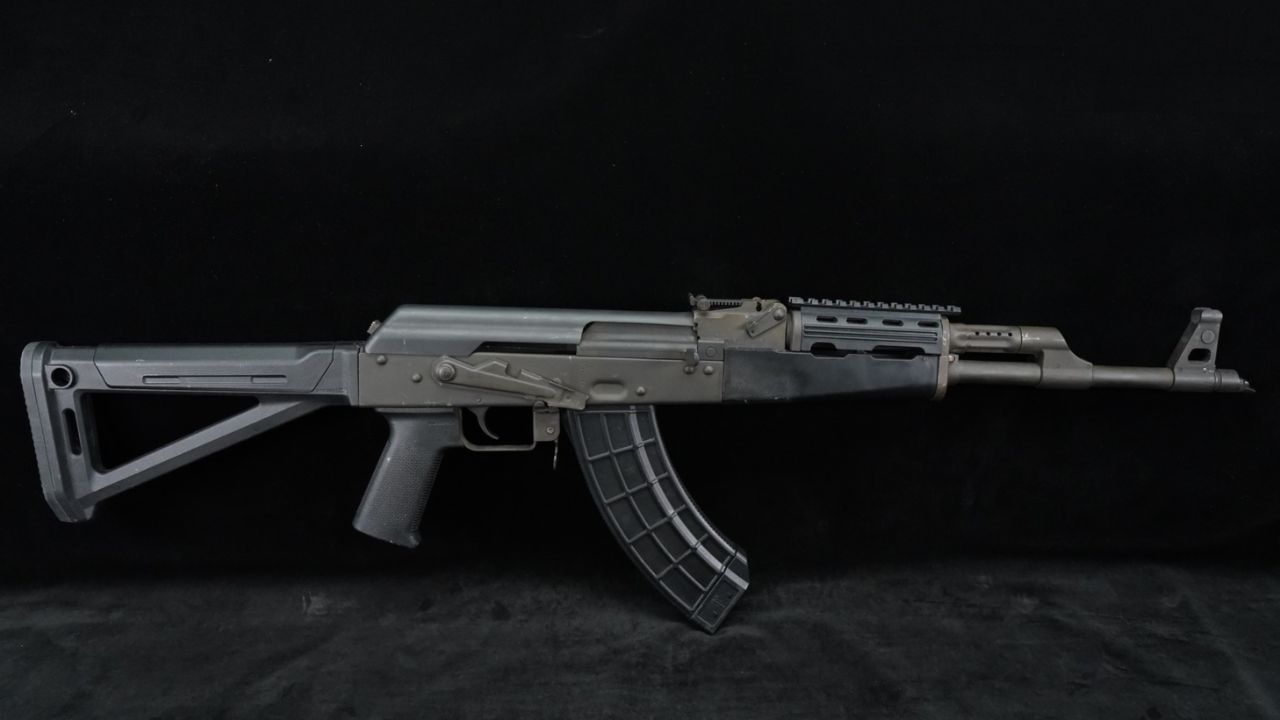
A Century Arms VSKA feels like a thick, heavy AK that should shrug off anything. The weight and stamped-steel vibe sell the idea of rugged dependability, and many buyers choose it specifically because AKs have that reputation. The first real range day is where AK-pattern rifles prove whether their internal parts and assembly live up to the legend.
The VSKA has drawn ongoing criticism in the AK community, with concerns often aimed at durability and wear, not comfort or handling. On the line, troubleshooting can start as inconsistent cycling, odd wear marks, or parts that don’t feel like they’re settling in a healthy way. Even if the gun runs that day, you may find yourself inspecting it more than you expected, watching the internals, and trying to decide what “normal” looks like. That’s a tough feeling when you bought it to avoid headaches.
Remington-era Marlin 1895 Guide Gun

A Remington-era Marlin 1895 Guide Gun feels like pure confidence: thick steel, big lever, and that heavy clunk that makes you think it’ll last forever. Plenty of hunters buy one expecting lever-gun reliability with hard-hitting authority. The first range day is where some “Remlin” examples show why this era has a reputation.
Troubleshooting often starts with rough feeding, stiff loading, or an action that feels gritty once powder residue builds. Certain bullet shapes can hang up, and timing issues can show when you cycle fast. You might also notice sights that aren’t perfectly aligned or small fit problems that don’t belong on a rifle meant for the woods. Many of these guns can be improved by a good smith, but it’s frustrating to pay for “reliable” and then pay again to make it run right.
Like The Avid Outdoorsman’s content? Subscribe to our newsletter so you never miss an article.
Here’s more from us: