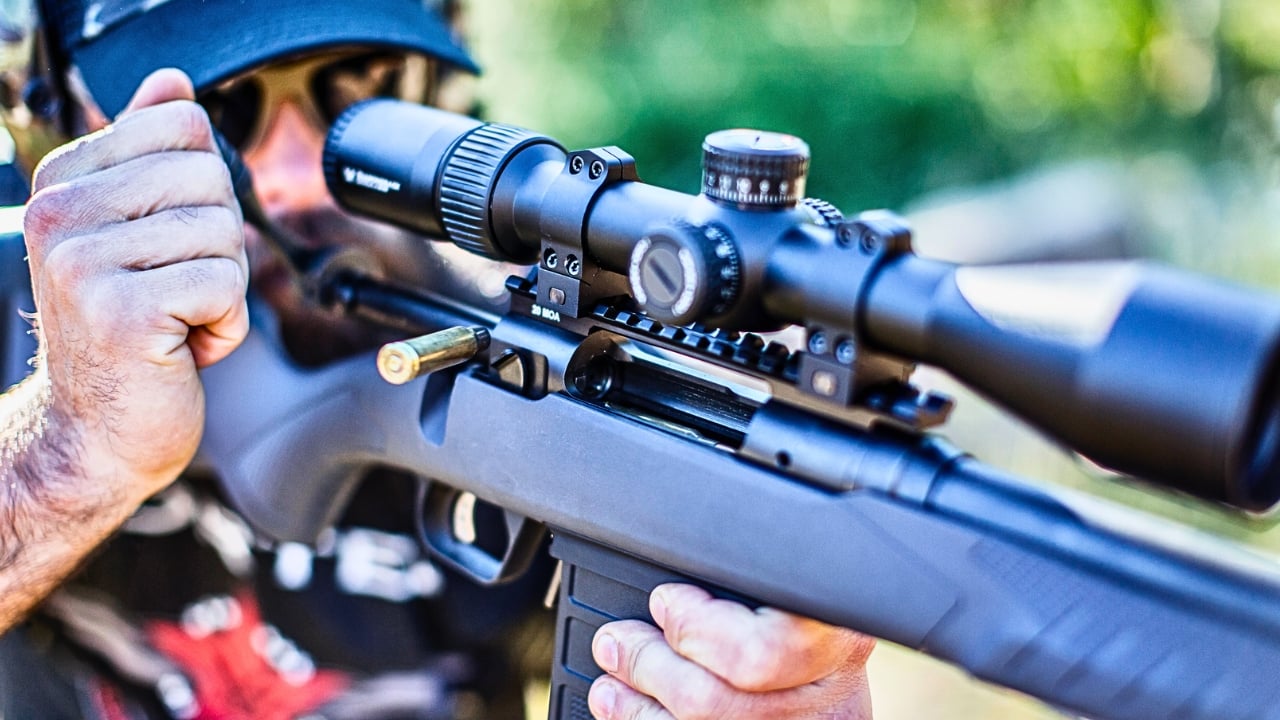
Photo credit: Savage Arms
A lot of rifles get marketed as “hunt ready” because they wear a camo stock, a short barrel, or a compact scope. Then you pick one up and realize it balances like a boat anchor, carries like a fence post, and wants to live on a front rest. None of that makes it a bad rifle. It just means it’s built around stability—heavy contour barrels, wide forends, tall optics, chassis-style stocks, and long actions that don’t care how far you have to walk.
If you hunt from blinds, box stands, or short hikes to a field edge, that kind of rifle can feel perfect. If you still-hunt, climb, or cover ridges, you’ll notice every ounce and every inch. These are rifles that look like hunting guns, but handle more like bench rifles once you start moving.
Remington 700 Sendero
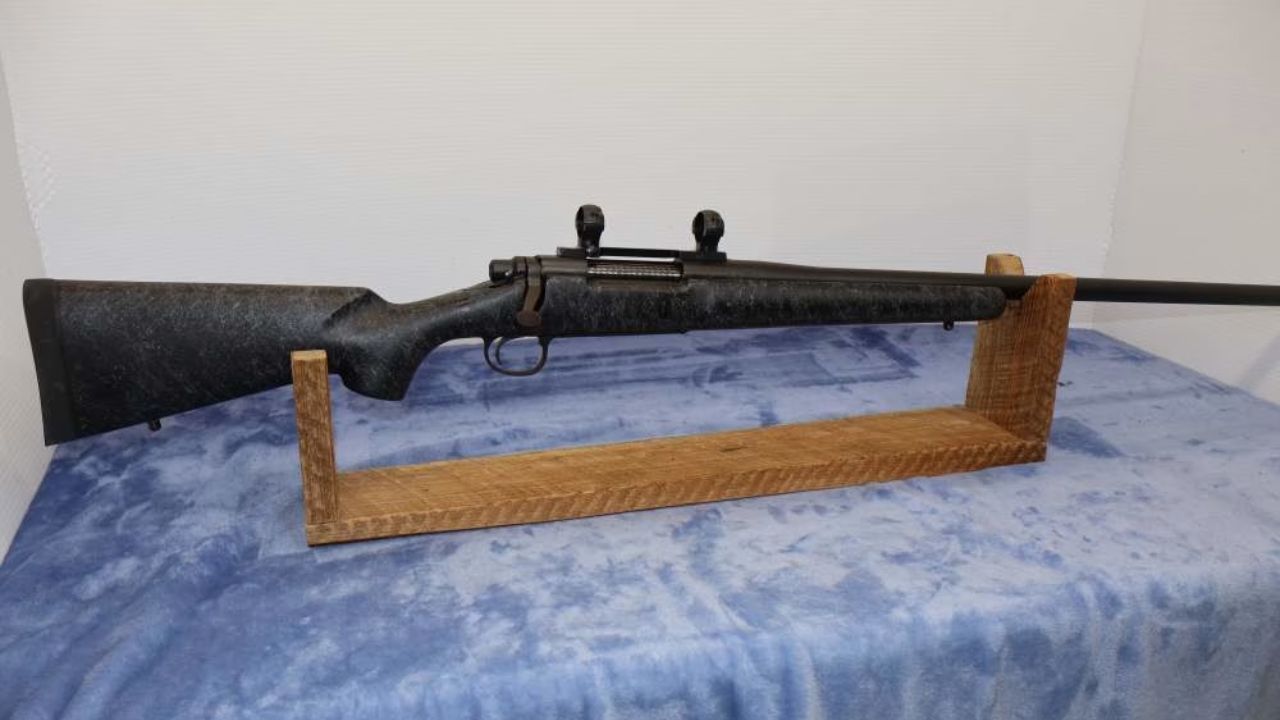
On a rack, a Sendero looks like a serious hunting rifle—classic lines, long barrel, and that familiar 700 profile. Then you carry it any real distance and you learn what it’s built for. The heavy barrel and weight forward balance make it steady on bags and calm behind the trigger, but it’s not quick to mount or swing in timber.
In the field, the Sendero wants a rest. It shines when you’re posted up on a long cut, watching a pipeline, or shooting prone over a pack. It’s less fun when you’re climbing over blowdowns or trying to snap onto a buck that appears and disappears in five seconds. It hunts best when you hunt like you’re setting up a bench.
Ruger American Predator

The Ruger American Predator wears “hunting rifle” clothes, but some setups end up feeling surprisingly bench-ish. The heavier barrel contour and the way many folks pair it with tall rings and a big scope can turn it into a top-heavy, slow-handling rig that carries awkwardly.
It’s a rifle that does great from a blind rail, truck hood, or bipod. But if you build it like a budget precision gun—bigger glass, bipod, heavier stock, maybe a can—you’ve basically made a bench rifle that still looks like a deer rifle. Nothing wrong with that. You just want to be honest about how you hunt, because the Predator’s real strength is steadiness, not speed.
Savage 110 Tactical

The 110 Tactical looks close enough to a hunting rifle that people try to make it one. Then you shoulder it and realize it’s a precision gun first. The barrel contour, the stock geometry, and the way it balances all push you toward prone shooting and supported positions, not quick offhand work.
It’s great when accuracy matters and time isn’t tight. It’s less enjoyable when you’re weaving through brush or trying to keep the muzzle from snagging on every vine. Even the way you carry it feels different—more like transporting a tool than slinging a light mountain rifle. If your “hunt” is a short walk to a stand and a long sit, it makes sense. If you move all day, it’ll wear on you.
Tikka T3x UPR

The T3x UPR looks like a slick crossover—still a Tikka hunting action, but dressed up for distance. In the hands, it behaves more like a range rifle that can hunt than a hunting rifle that can stretch out. The forend, the stock shape, and the typical barrel profile make it stable and predictable, not fast and lively.
You feel it when you carry it one-handed by the balance point. It wants to tip forward and settle into support. It’s excellent when you’ve got time to build a position, read the wind, and send a careful shot. It’s less friendly when you’re still-hunting and constantly mounting the rifle. It’ll kill deer all day, but it carries like it expects a bipod.
Bergara B-14 HMR

The HMR is one of the most common “I want one rifle for everything” picks, and that’s because it shoots. But it also carries like a bench gun wearing hunting camo. The stock is built for stability, the forend is wide, and the whole rig encourages slow, supported shooting.
On a stand, it feels perfect. On a long hike, you start noticing the weight and the way the rifle doesn’t snap into your shoulder like a lighter sporter. It’s not clumsy in a bad way—it’s deliberate. If you hunt open country, shoot prone, or spend time behind a bipod, the HMR makes sense. If your deer hunting is quick shots in tight cover, it’s the wrong kind of “comfortable.”
Browning X-Bolt Max Long Range

The X-Bolt Max Long Range looks like a hunting rifle from ten feet away, but it handles like it’s waiting for a rear bag. The stock geometry and heavier setup make it steady, not quick. It’s the kind of rifle that feels better the longer you stay in one spot.
This one shines when you’re glassing, setting up, and making a measured shot across a canyon or a cut bean field. It’s less fun when you’re slipping through hardwoods and need the rifle to mount clean and move with you. The bulk isn’t always obvious until you’ve carried it all morning. If your “hunting” is mostly sitting and watching, you’ll love it. If you’re moving, you’ll feel it.
Weatherby Vanguard Sporter with a Heavy Build

A Vanguard Sporter starts life as a normal hunting rifle, but it’s one of those platforms that often gets built into a bench-ish rig. Add a big scope, tall rings, a heavy sling, maybe a bipod, and suddenly the rifle looks like a deer gun but carries like it belongs on sandbags.
The action and barrel can shoot very well, and that encourages people to keep stacking weight and accessories. Before long, you’ve got a rifle that’s accurate and steady, but slow to shoulder and awkward in thick cover. It’s not a knock on the Vanguard. It’s a reminder that a hunting rifle can turn into a range rifle one “helpful” addition at a time.
Remington 700 SPS Tactical

The SPS Tactical is a classic example of a rifle that gets pressed into hunting duty because it “looks close enough.” Short barrel, serious vibe, and a reputation for shooting well. But it carries like a precision tool. The heavier contour and the way most people scope it make it feel more like a bench rifle than a walk-and-stalk gun.
It’s excellent from a blind, prone, or a supported sit. It’s not built to be lively in the hands. The balance tends to be forward, and the whole rifle feels happiest when you’re settled and still. If you’re hunting hogs over feeders, watching a sendero, or sitting a field edge, it’s a strong pick. If you’re covering country, it’ll feel like you packed the wrong rifle.
CZ 600 Trail

The 600 Trail looks compact and “field ready,” but the way it’s typically set up makes it handle like a small bench rig. The chassis-style layout, straight-line geometry, and accessory-ready forend encourage bipods, lights, and bigger optics. You can keep it light, but most people don’t.
It can be great for short hunts, truck guns, and controlled shots where you’re not swinging on moving game. But if you’re expecting classic hunting-rifle balance and quick mounting, it won’t feel that way. It feels like a system. That’s the point. It’s built to be stable and adaptable, not to float in your hands like a slim sporter. You’ll love it if you hunt like you’re setting up.
Howa 1500 Heavy Barrel
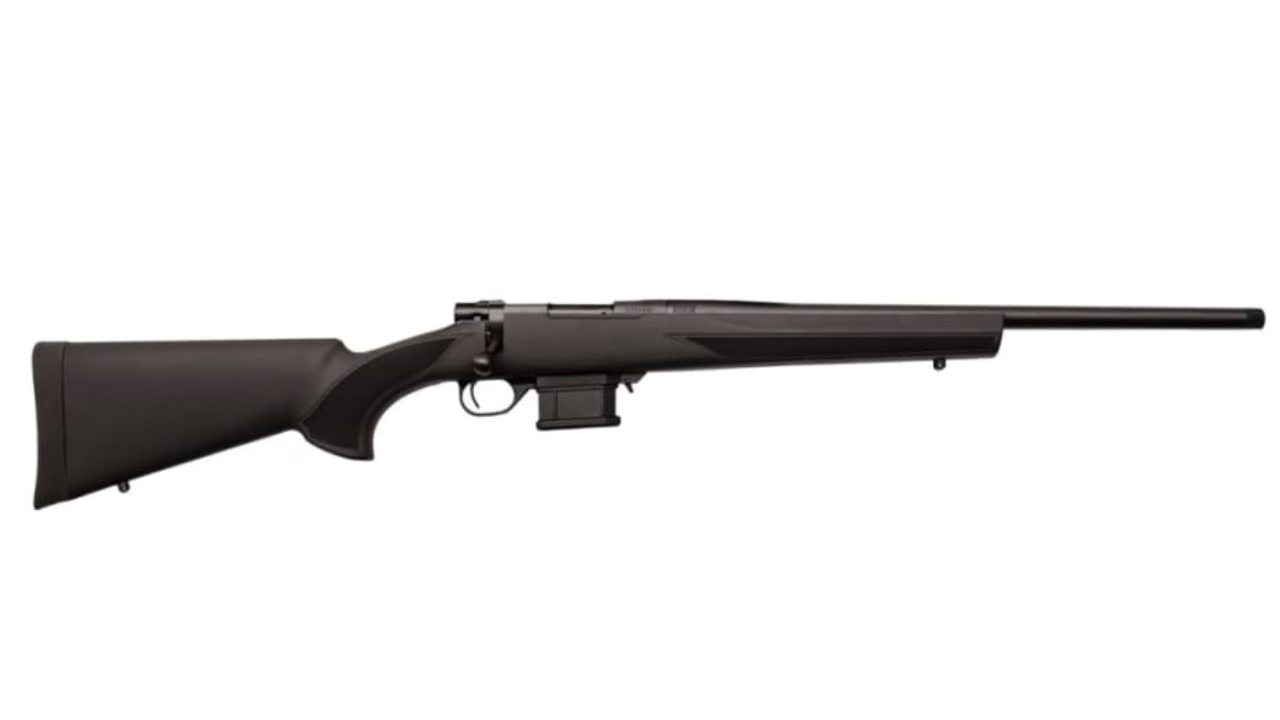
A Howa 1500 with a heavy barrel can look like a plain hunting rifle, especially in a traditional stock. But the moment you carry it, the weight and balance give it away. These rifles often get built into honest-to-goodness bench rigs—heavy barrel, rigid stock, big scope—and they perform like it.
They’re steady, forgiving, and accurate, especially from a rest. They’re also slow to move and tiring to carry all day. The forend doesn’t want to ride in your hand; it wants to ride on something solid. If you mostly hunt from a stand or shoot longer distances where stability matters, it’s a great fit. If you hunt on foot and take quick shots, it’ll feel like you brought a range gun into the woods.
Ruger Hawkeye Long-Range Target
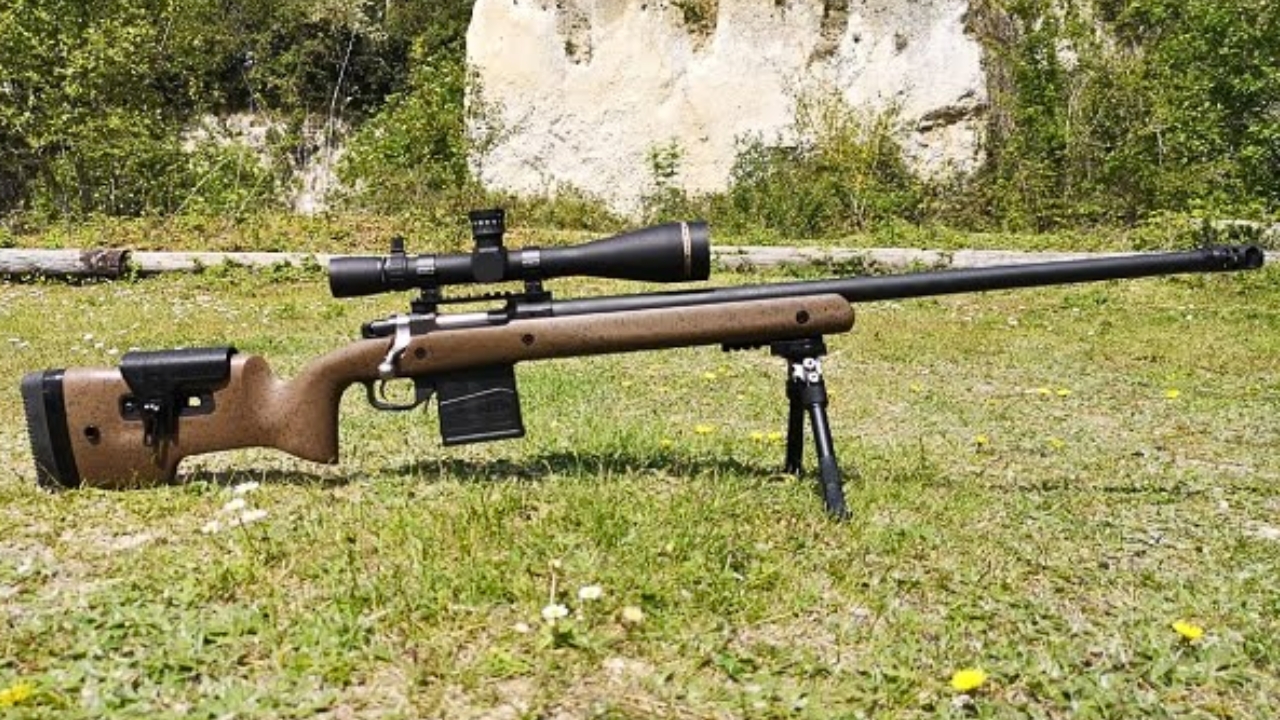
The name says “long range,” but the styling still reads like a hunting rifle to a lot of folks. In practice, it handles like a bench rifle that happens to be legal in the field. The heavier barrel and overall heft make it calm and consistent, but not quick.
It’s a rifle that rewards patience. It wants you prone or supported, building a position and sending deliberate shots. The recoil impulse feels softer, the sight picture stays cleaner, and you can spot impacts better than you can with a featherweight sporter. The tradeoff is carry and handling. On steep ground or long walks, you’ll feel it. On a stand or a ridge where you’re glassing and waiting, it feels right at home.
Winchester Model 70 Heavy Sporter Builds

A Model 70 looks like hunting tradition. But some of the heavier sporter configurations—and especially older heavy-barrel setups—can carry like a bench rifle. The balance shifts forward, and the rifle stops feeling “alive” in the hands. It feels planted instead.
That weight can be a blessing when you’re shooting across a windy cut or trying to thread a shot through an opening at distance. It settles down and holds steady. But it’s not the rifle you want to carry in one hand while pushing brush or climbing. The Model 70 action is classic, but the overall build dictates how it hunts. In a heavy sporter form, it wants to hunt slow and supported, not fast and mobile.
Thompson/Center Compass Heavy-Barrel Variants

The Compass is a budget hunting rifle on paper, but the heavy-barrel variants and common “upgrade path” can push it toward bench handling. A heavier barrel plus a bigger scope can make the rifle feel nose-heavy and slow to mount, even if the stock still looks like a standard hunting setup.
It can be a pleasant surprise on the range because it holds steady and groups well for the money. But when you carry it, you notice the balance doesn’t want to sit between your hands. It wants to fall forward and settle onto a rest. If you hunt from a stand or shoot across fields, that steadiness is useful. If your hunting involves quick shots and constant movement, you’ll fight the way it wants to be handled.
Mossberg MVP Precision-Style Setups
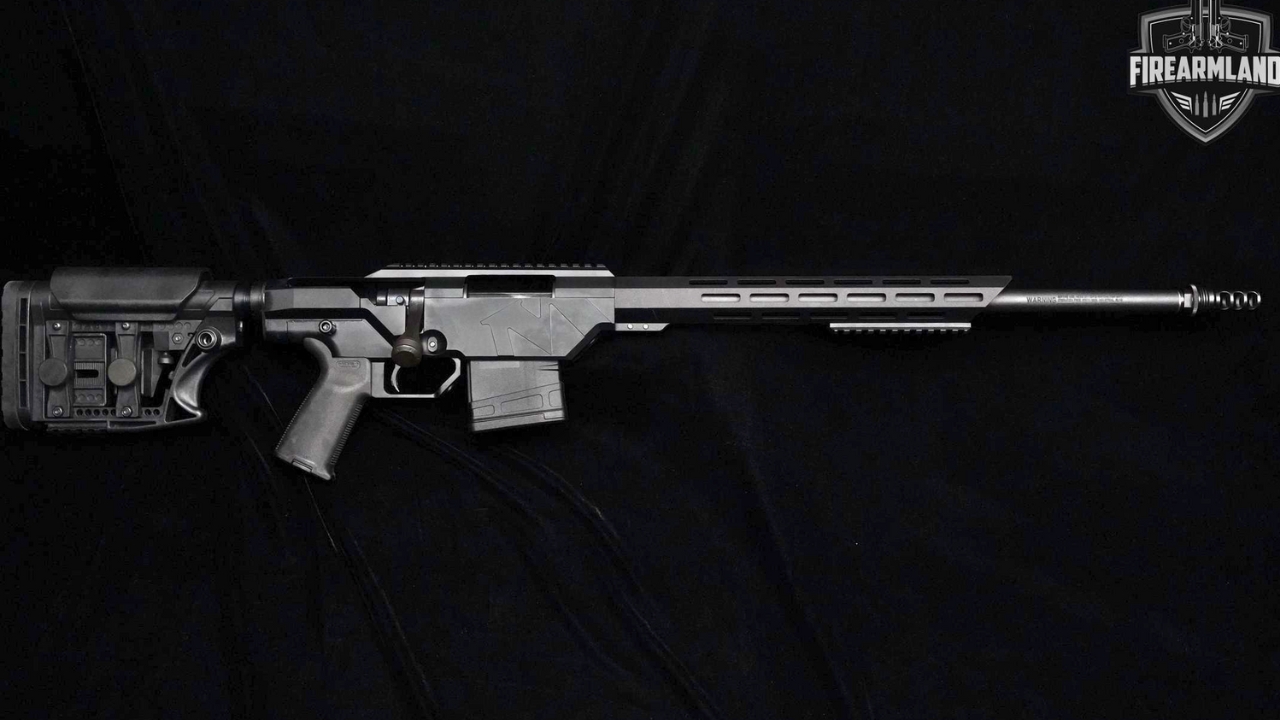
An MVP can look like a hunting rifle if it’s in a traditional stock, but many MVPs end up wearing precision-style features and accessories that change how they handle. Once you add a bipod, a larger optic, and anything that adds front weight, you’ve got a rifle that moves like a bench gun.
The MVP’s real strength is that it can shoot well with good ammo and a steady position. It’s not a rifle that begs for snap shots offhand. It wants support and time. In a blind or on a field edge, that’s not a problem. In thick cover or steep terrain, it’s the wrong kind of bulk. It’s still a hunting rifle legally and mechanically—it just hunts best when you treat it like a position gun.
Remington 783 Heavy-Scoped Builds

The 783 is another rifle that starts as a basic hunting gun and ends up handling like a bench rifle because of how people set it up. A big scope, tall rings, and a bipod can quickly change the feel. Slow, supported shooting becomes its comfort zone, and carrying it becomes the price.
The rifle can shoot, which encourages more range time and more “helpful” additions. Before long, you’ve got a rig that’s accurate on paper but awkward in the woods. It’s not that the 783 can’t hunt—it can. It’s that once you build it toward bench stability, it stops being the kind of rifle you want to shoulder quickly in tight cover. It becomes a sit-and-watch rifle, whether you meant it to or not.
Like The Avid Outdoorsman’s content? Be sure to follow us.
Here’s more from us: