Photo credit: Red Barron Reviews/YouTube

Some revolvers are still respected because they earned it. Others get defended with a little too much emotion and a little too little honesty. That is usually where things get interesting. A gun can be old, iconic, and deeply familiar without still being the smartest answer in the room. But for a lot of longtime shooters, admitting that feels like admitting more than a hardware preference changed. It feels like admitting their whole way of thinking about handguns got challenged by time.
That is why certain revolvers get treated like sacred objects in conversations that should be more practical. People do not just praise them. They protect them. They act like every criticism is proof the other person does not understand real gun culture, when sometimes the truth is much simpler: the market moved, carry expectations changed, and some old favorites stayed more romantic than truly current. Here are 15 revolvers people often worship hardest when what they really hate admitting is that change already happened.
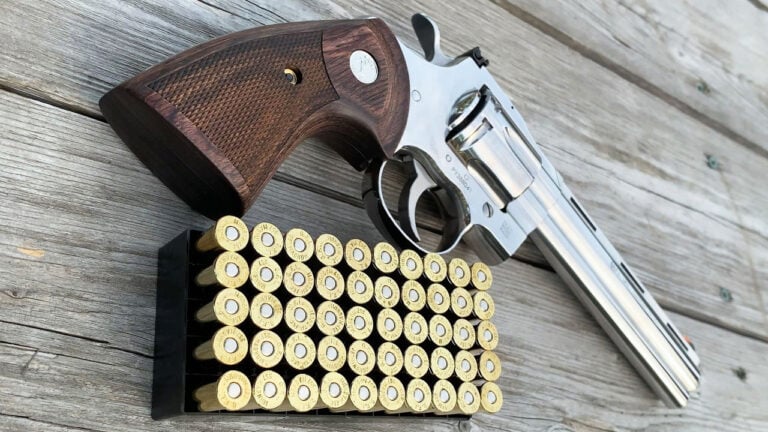
Colt Python
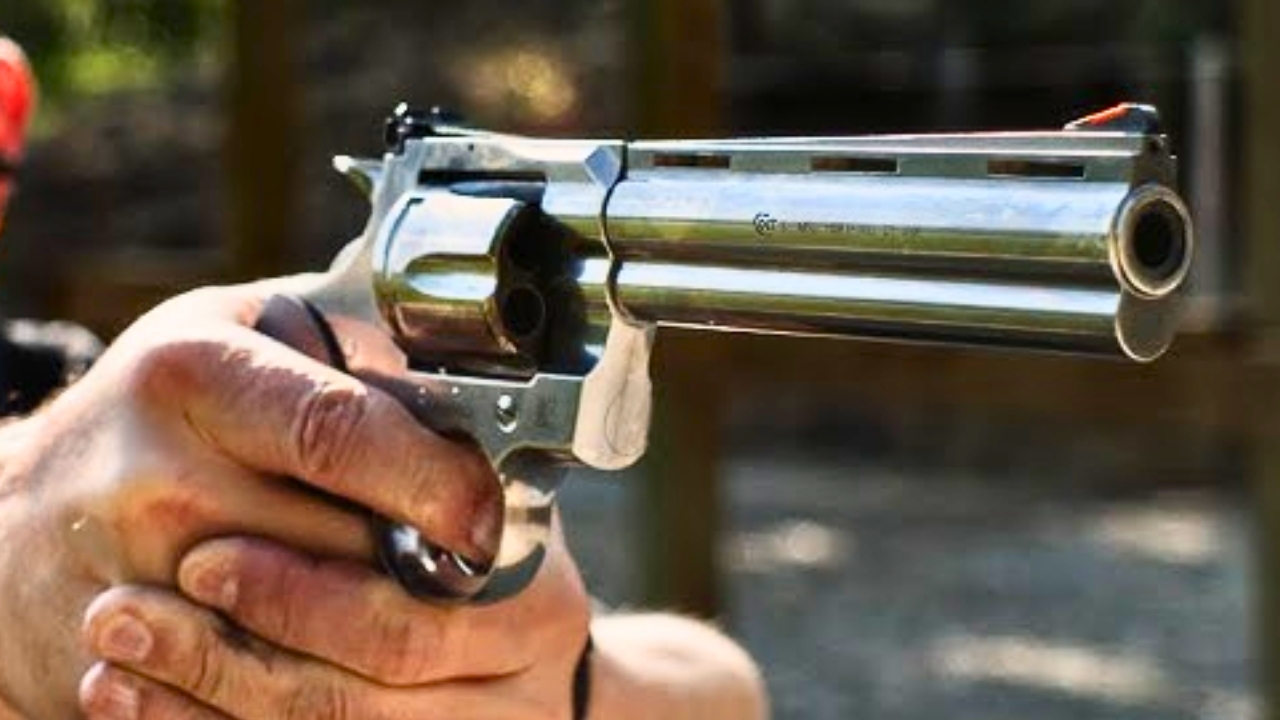
The Python still gets talked about like it settles every revolver argument by itself. A lot of that is understandable. It is handsome, famous, and tied to decades of gun-counter mythology. But the way some people defend it has less to do with honest comparison and more to do with protecting the old idea that the Python sits above everything else simply because it always did in their mind.
That is where the change issue comes in. Modern revolver buyers are looking at durability, price, practical use, and what the gun actually offers now, not just what it meant fifty years ago. Some old-school fans hate that shift, so they turn the Python into a symbol. It stops being a revolver and starts being a test of whether you still bow to the old hierarchy.
Smith & Wesson Model 29

The Model 29 gets worshipped because it carries movie history and old magnum swagger in one package. That is powerful stuff. A lot of people still speak about it like owning one means you understand handguns on a deeper level, even if the actual role of a big .44 Magnum revolver has narrowed a lot for most modern shooters.
That is the part they do not like discussing. The Model 29 did not become useless. It just stopped being the obvious practical answer to very many real handgun questions. For some owners, admitting that feels like admitting the world got less romantic than they wanted. So they keep praising it like the conversation never changed.
Colt Detective Special
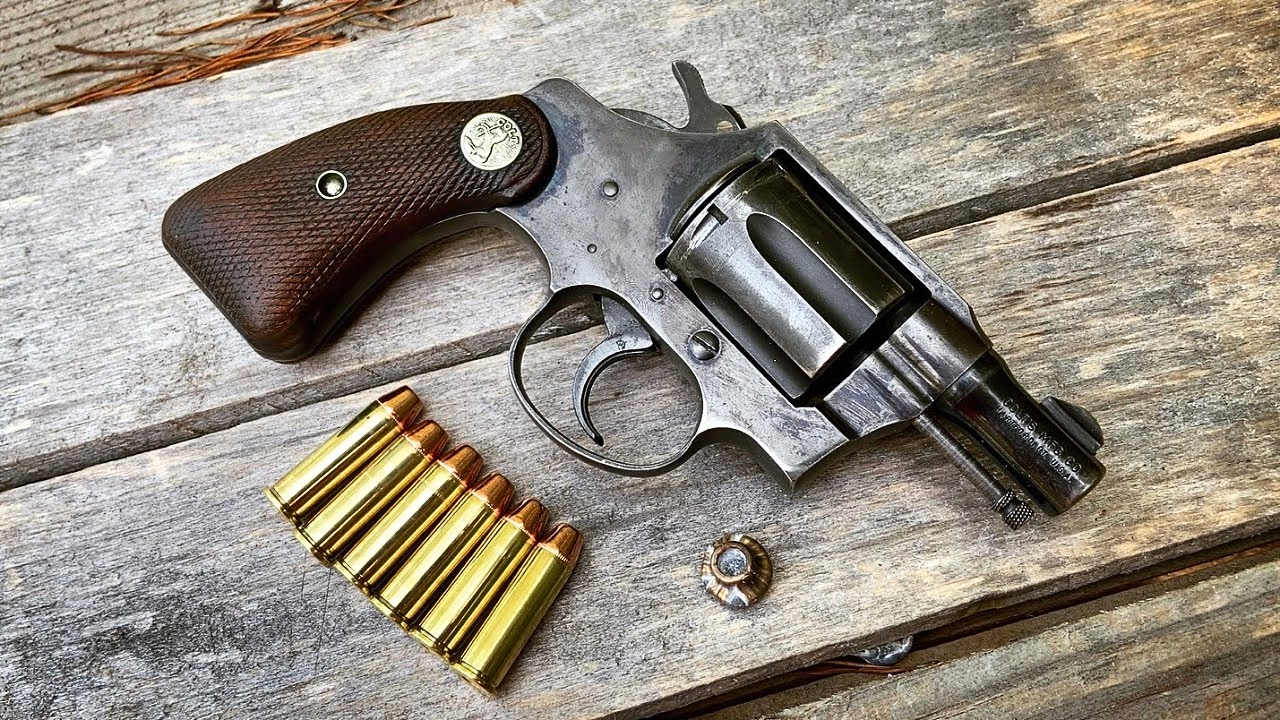
The Detective Special still gets treated like the ultimate proof that old-school carry wisdom was better than anything modern concealed carry came up with later. It has real charm and real history, but some people defend it less because of how it compares now and more because they do not want to let go of the era it came from.
That is why the praise can get strangely emotional. The revolver becomes a stand-in for the idea that carrying used to be simpler, cleaner, and somehow more serious. Once that happens, any honest comparison against modern carry guns feels threatening, because the argument is no longer really about the gun.
Smith & Wesson Model 36

The Model 36 gets worshipped by people who still think small steel snubs represent the purest form of carry seriousness. They like the weight of the history, the detective-gun image, and the idea that five rounds of .38 in a compact revolver says more about a shooter than any modern micro-compact ever could.
That attitude usually has very little to do with the modern carry landscape. It has everything to do with not wanting to admit that smaller semiautos changed the math in real ways. The Model 36 still has its place, but some people talk about it like accepting newer carry options would somehow betray the whole old carry creed.
Ruger Blackhawk

The Blackhawk gets defended like it represents a whole older code of gun ownership. For plenty of shooters, it is not just a single-action revolver. It is proof that skill, patience, and old-school handling still matter more than whatever the current market is pushing. That is why the affection can get almost doctrinal.
The real issue is that most handgun buyers are not looking for one revolver to symbolize their resistance to modernity. They are looking for practical answers. The Blackhawk is still a good gun. It is the way some people turn it into a statement against change itself that makes the worship so revealing.
Colt Single Action Army
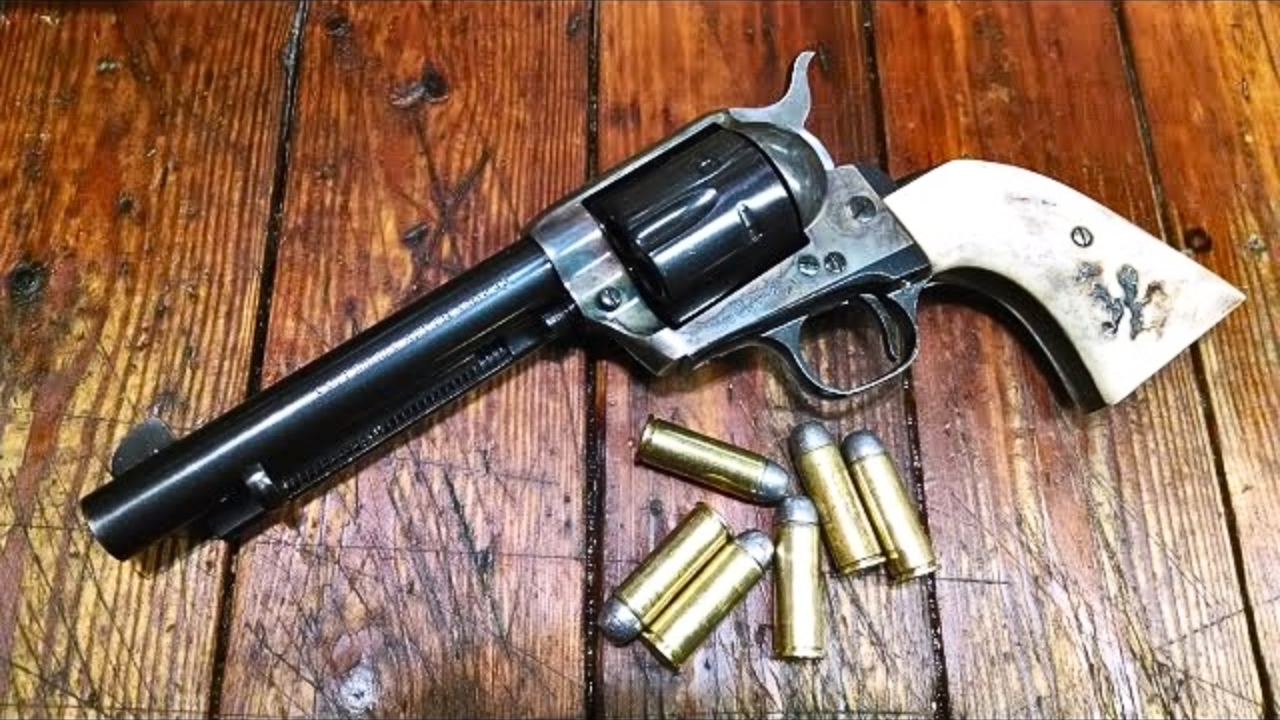
The Single Action Army might be the purest version of this whole category. It is a revolver with enormous historical weight, and that history is exactly why some people stop treating it like a firearm and start treating it like an argument. To criticize its practical relevance is, for them, to disrespect something much bigger than a sixgun.
That is why the worship can get so theatrical. Nobody serious needs to pretend the SAA is still the universal answer to modern handgun use. But some enthusiasts cannot let go of that symbolic authority. The old revolver becomes a way to reject modern thinking, not just appreciate old craftsmanship.
Smith & Wesson Model 27

The Model 27 gets revered like it is the final word in magnum revolvers, and in some circles people act like questioning that means you do not understand quality. The finish, the frame, and the old prestige around the gun give it a kind of untouchable aura that many longtime revolver guys are very protective of.
But a lot of that reverence is really about preserving the older value system around handguns. The Model 27 represents a time when blued steel, weight, and authority were treated like the full definition of serious handgun ownership. Modern buyers have broader criteria now, and some fans of the 27 take that very personally.
Colt Anaconda

The Anaconda gets worshipped because it lets people stay inside the Colt myth while also carrying the big-bore revolver image they love. It is not enough that it is powerful. It has to be a Colt, because the logo and the lineage do a lot of the emotional lifting for people who want the old prestige model of gun ownership to remain fully intact.
That is why the gun often gets praised beyond reason. It is not being judged honestly against practical alternatives. It is being protected as part of a broader refusal to admit that modern revolver choices, modern pricing logic, and modern shooter priorities might not automatically bend around old Colt status anymore.
Smith & Wesson Model 19

The Model 19 still inspires near-religious affection in some circles because it represents what many shooters think a revolver is supposed to be. Balanced, classy, blued, and chambered in .357, it feels like the revolver ideal from an older age. That ideal is what people are really defending most of the time.
The problem is not that the gun is bad. The problem is that some fans speak like the entire modern handgun market should still revolve around what the Model 19 used to mean. That is less about the revolver and more about a refusal to admit the center of the handgun world moved somewhere else long ago.
Ruger Redhawk
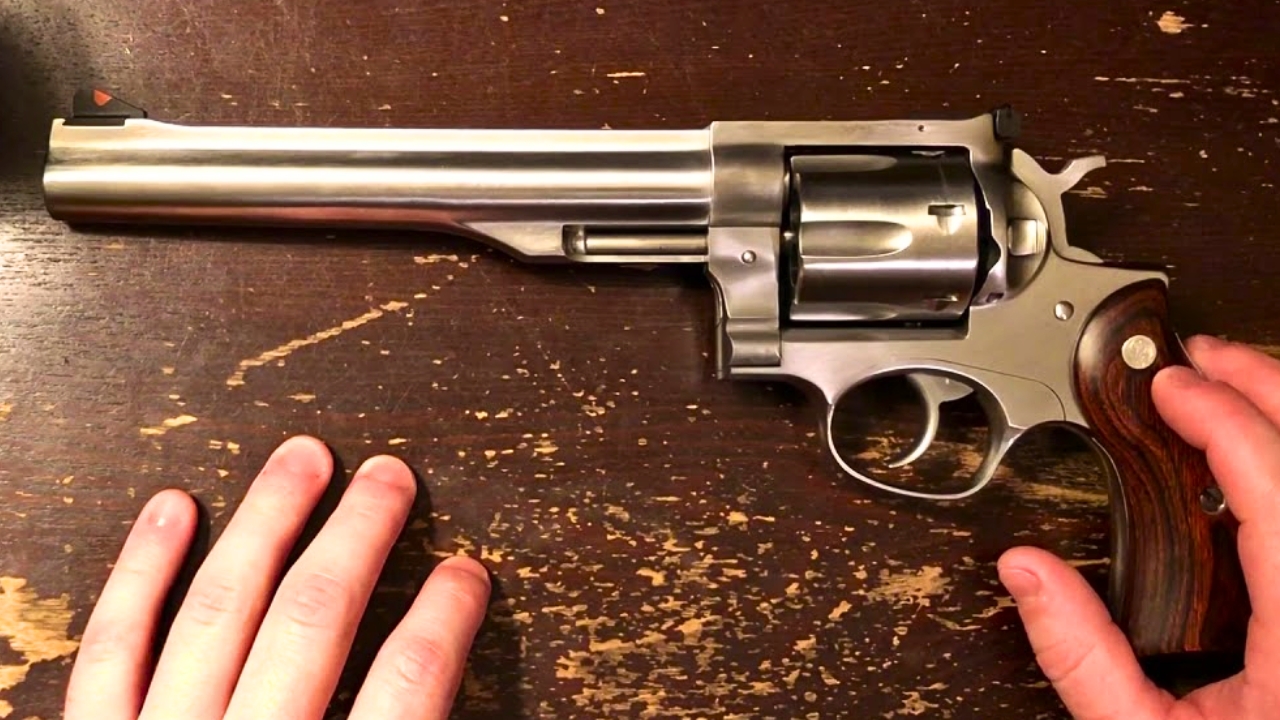
The Redhawk gets worshipped by shooters who want a revolver that feels like resistance to the entire modern handgun culture. It is big, unapologetic, and totally indifferent to what slimmer, lighter, higher-capacity handguns are doing. That is part of the charm, but it is also part of the denial.
People who talk about the Redhawk like it proves modern trends are all nonsense are usually revealing more than they mean to. They are not just praising strength. They are using the revolver to say they do not want to admit that most of the market no longer sees huge revolvers as the center of serious handgun thinking.
Smith & Wesson Model 10
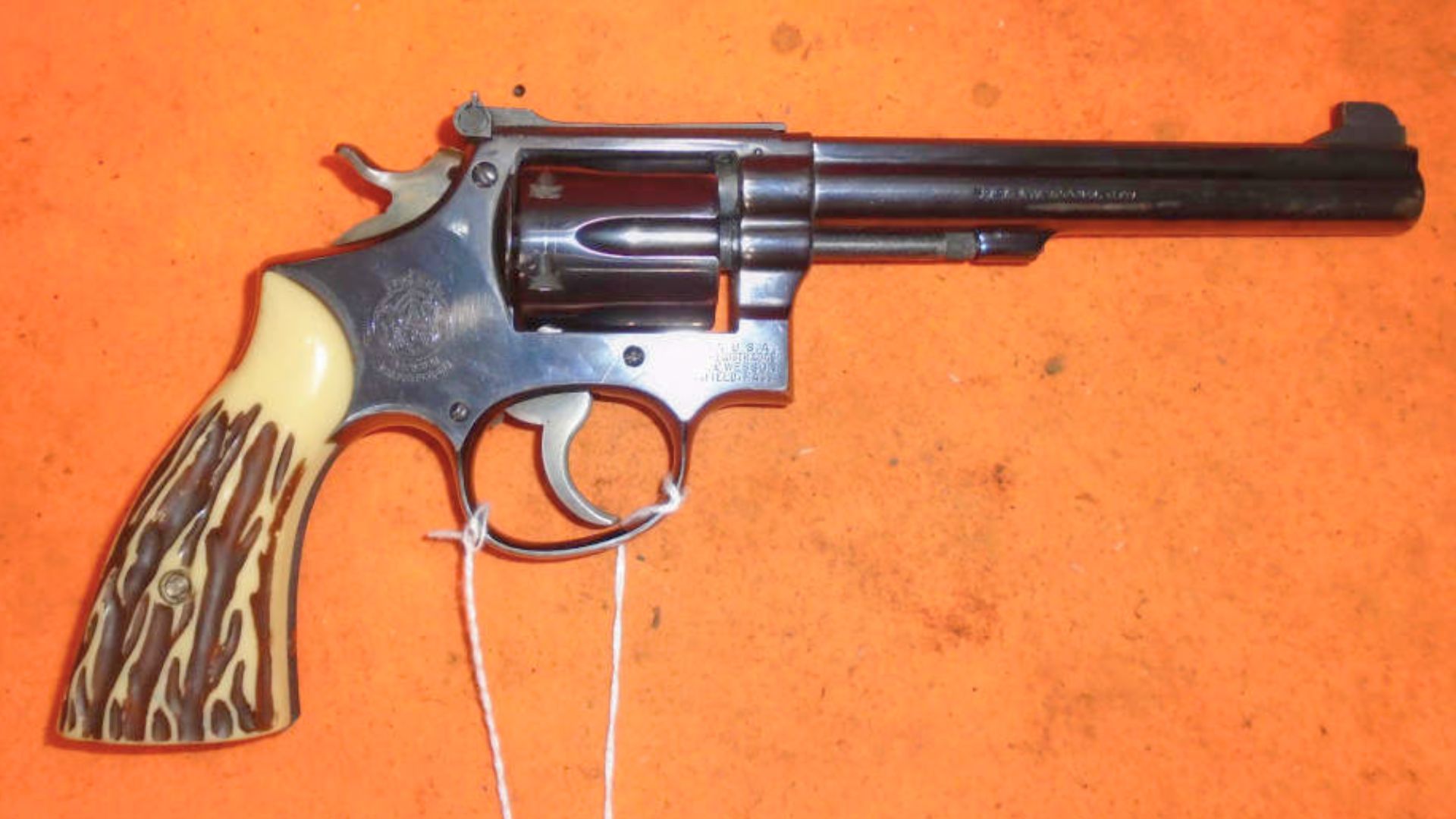
The Model 10 gets worshipped because it lets people romanticize the service revolver era without having to deal too directly with what replaced it. It is easy to speak warmly about a revolver that rode in so many holsters for so many years and turn that into a broader claim that old police-handgun logic was somehow the purest form of handgun wisdom.
That is where the denial shows up. The Model 10 still deserves respect, but the people who insist it proves everything after it was a downgrade are usually not talking about ballistics or capacity or carry comfort. They are talking about the loss of an era they still do not want to admit is gone.
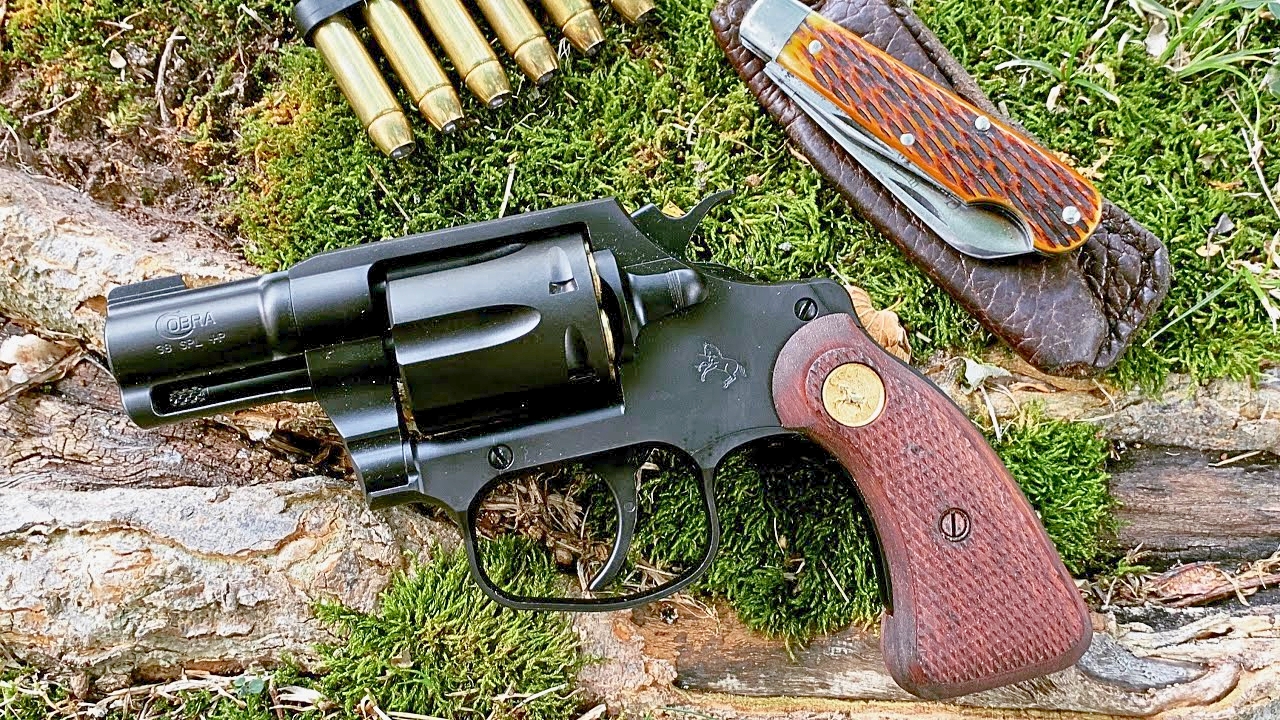
Colt Cobra

The Cobra gets praised like a lightweight classic that modern buyers somehow fail to appreciate enough. That can be true in limited ways. But a lot of the loudest affection comes from people who want to defend the whole old snub-nose carry culture against what concealed carry became later.
The revolver becomes a little cultural protest sign. People treat liking it as proof that they still understand “real” carry guns, and that is where the worship stops being about the firearm itself. It becomes about rejecting the new world more than appreciating the old one.
Smith & Wesson Model 66

The Model 66 gets turned into a symbol of when revolvers still sat at the center of serious handgun talk. Stainless, balanced, and deeply familiar, it carries exactly the sort of older law-enforcement and defensive prestige many revolver guys do not want to release emotionally.
That is why some people protect it so aggressively. They are not just saying it is a good revolver. They are saying the whole old framework around what counted as a proper fighting handgun still deserves top billing. Modern handgun buyers often disagree, and that disagreement is what really irritates the worship crowd.
Ruger Vaquero

The Vaquero gets worshipped because it lets people keep one foot planted in the old-world revolver fantasy without going all the way into museum territory. It still feels rugged and “real” in a way that fits the story some shooters want to tell themselves about how guns used to be built and how shooters used to think.
That story is doing a lot of work. The Vaquero is still a fun, useful revolver in its lane, but the near-sacred affection around it often has more to do with cowboy identity and resistance to modern handgun culture than with cold-eyed practicality. That is where the tone gets revealing.
Smith & Wesson Model 617
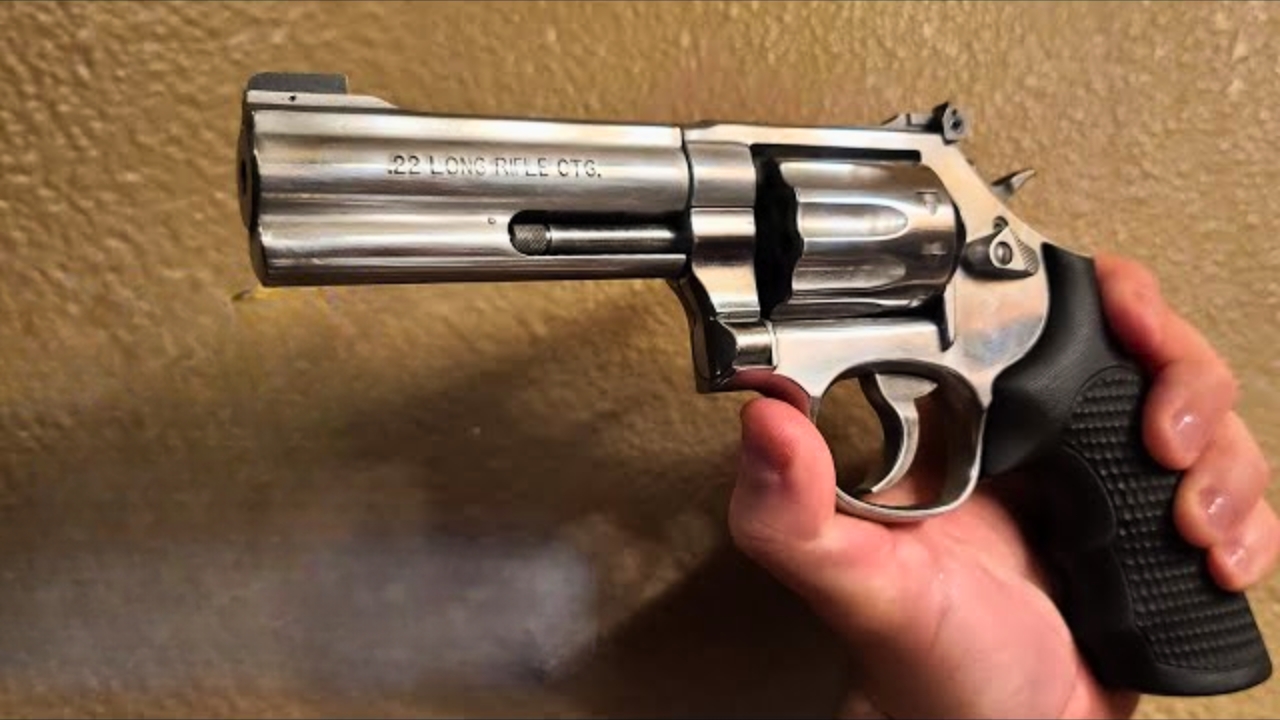
The 617 gets worshipped in a slightly different way. For some shooters, it represents the old ideal that real skill starts with a revolver and that all the modern semiauto comfort has softened people. That makes the gun more than a rimfire. It becomes a philosophy.
The strange part is that this philosophy often depends on pretending the modern handgun landscape never broadened. The 617 is still excellent for what it is. But some people adore it because they want it to stand as proof that the old training hierarchy should still dominate everything else. That is less about the rimfire and more about refusing to accept that shooting culture changed.
Colt Official Police

The Official Police gets treated with almost ceremonial respect by people who still want service revolvers to sit on top of the handgun world in moral terms, not just historical ones. It represents order, authority, and an older image of serious gun ownership that many enthusiasts find emotionally comforting.
That is why the worship around it can feel bigger than the gun. The revolver becomes a vessel for a whole worldview. The more the modern handgun world moves toward capacity, optics, modularity, and pure efficiency, the more some people cling to guns like this because they hate admitting the center of gravity already shifted.
Like The Avid Outdoorsman’s content? Subscribe to our newsletter so you never miss an article.
Here’s more from us: