Photo credit: Texas Plinking/YouTube
When the skies open up and the hunt turns wet, some rifles keep hammering the target like it’s a dry day on the range. Others, though, go sideways—literally. Whether it’s wood swelling, inconsistent barrel harmonics, or scope fogging, rain can throw off a rifle faster than you’d expect. You don’t notice it on the first shot, but by your third or fourth, you’re wondering if it’s you or the gun. If you’ve ever missed a broadside deer in the drizzle, there’s a good chance your setup couldn’t hold zero once things got soaked. Here are a dozen rifles that tend to wander when the weather gets wet.
Remington 742 Woodsmaster

The 742’s classic look makes it popular in deer camps, but rain exposes its biggest flaws. With its thin barrel and less-than-stellar lockup, groups tend to spread when things get wet. Add in wood furniture that swells in humidity, and you’re left chasing your zero every time the weather shifts.
Rain doesn’t play well with older semi-autos that aren’t tightly sealed or free-floated. Even if the scope stays clear, the action can gum up and the POI starts to drift. If you plan to carry this in soggy woods, it’s wise to check your zero before and after the storm rolls through.
Marlin Model 336 (pre-Cerakote)

The 336 is a backwoods favorite, no doubt. But the older blued models with walnut stocks tend to swell and shift in the wet. The forend puts pressure on the barrel, and once that wood moves, so does your point of impact.
It’s not that the gun becomes unsafe or wildly inaccurate, but if you’re expecting a cloverleaf at 100 yards after three days in the rain, you might be in for disappointment. Moisture doesn’t mix well with non-floated barrels and pressure-sensitive furniture.
Ruger Mini-14

The Mini-14’s action might be rugged, but its accuracy isn’t known for consistency—and wet weather only makes it worse. Once the rifle starts heating up and moisture is in the mix, you’ll often see a noticeable shift in group location.
It’s a decent truck gun and fun at the range, but if you’re depending on it for tight groups in wet hunting conditions, especially past 100 yards, there are better tools for the job. Even with synthetic stocks, the barrel harmonics in the rain aren’t reliable.
Browning BAR Mark II

The BAR has loyal fans, and it’s a handsome rifle. But when you’re deep in the timber and the rain hasn’t let up, this semi-auto starts to feel a little less dependable in the accuracy department. Heavy triggers and non-free-floated barrels don’t help.
Moisture in the gas system or under the handguard can start affecting your shot-to-shot consistency. While the BAR is built strong, it’s not immune to the challenges of wet weather, especially if you haven’t sealed the wood or swapped to synthetic furniture.
Winchester Model 70 Super Grade

The Super Grade is one of those rifles that feels amazing in the hands. But that high-gloss walnut stock can be your downfall in damp conditions. If it isn’t properly sealed or bedded, it’ll swell and put uneven pressure on the action.
A floating barrel helps, but a lot of these rifles still see shifts in impact when soaked. That beautiful finish hides a lot of instability when the weather turns. In dry, clean conditions, it’s a tack driver—but rain has a way of humbling it fast.
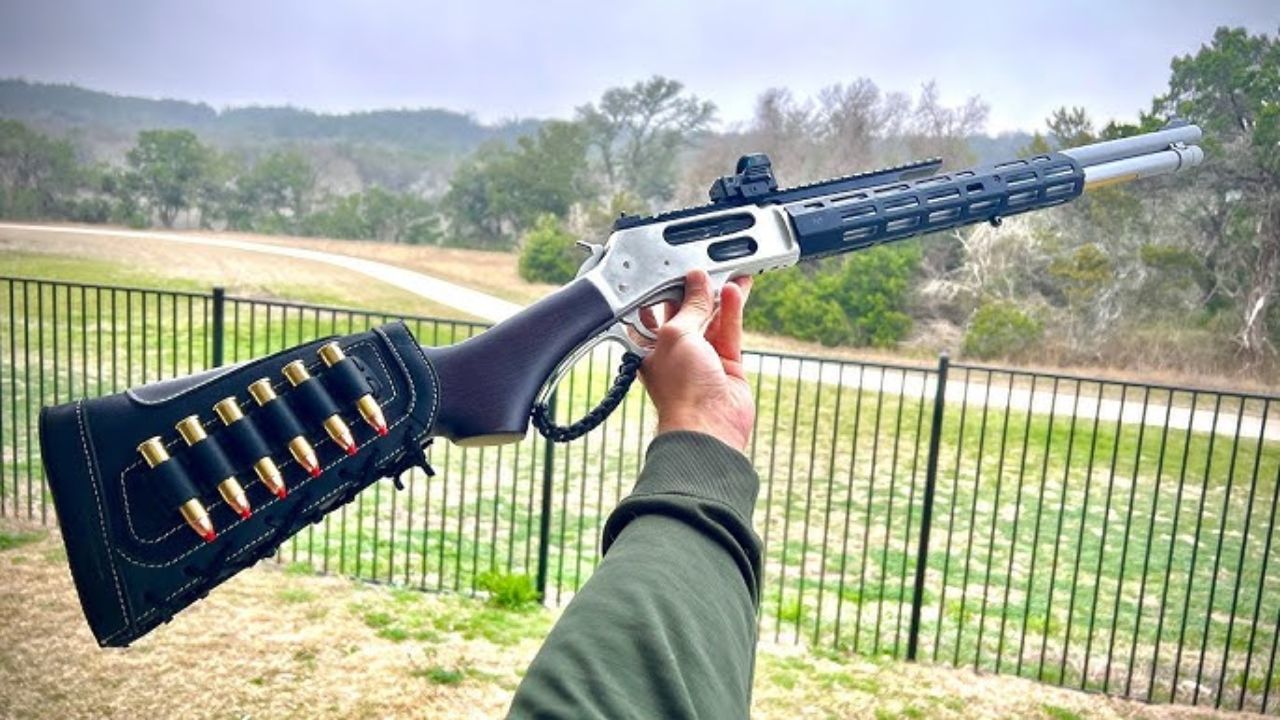
Henry All-Weather .45-70

Despite the name, the Henry All-Weather struggles in extended wet hunts. The hard-chrome finish protects against rust, sure—but that doesn’t fix accuracy issues that creep in when moisture gets between the barrel and handguard.
Large calibers like .45-70 are already tough to shoot precisely, and in the rain, you’ll see those shots wander more than you’d like. It’s a great bush gun for close work, but you’ll lose confidence past 75 yards if your scope fogs or barrel groups open up from damp tension.
CZ 527 Carbine

The 527 Carbine in 7.62×39 is compact and handy, but its wood stock is notorious for soaking up water. And since the barrel is relatively thin and not free-floated, accuracy can suffer pretty quickly in the rain.
Hunters love the light weight and fast handling, but you’ll want to keep a close eye on your point of impact if you’re heading out in soggy weather. Unless you’ve bedded the action and sealed the stock, this rifle has a habit of stringing shots under wet pressure.
Savage Model 99

The Model 99 is a piece of hunting history, and it still tags deer. But its design wasn’t built with today’s weather in mind. The older stocks absorb moisture, and the rotary magazine setup adds another variable in wet conditions.
The biggest issue is barrel shift once the stock swells. That causes pressure on the barrel and inconsistent shots. If you’re still carrying one of these into the woods, it’s wise to shoot it wet at the range before trusting it on a stormy-day hunt.
Remington Model 700 ADL

The ADL is a budget-friendly version of the 700, but it’s often saddled with a tupperware stock that doesn’t offer much in the way of rigidity. In the rain, that flex and pressure can throw your groups off target.
It’s not the barrel or the action that’s the weak point—it’s the stock and the bedding. If you’ve got one of these, consider an upgrade to a more stable chassis or synthetic stock if you expect to hunt in damp climates regularly.
Rossi R92

The Rossi R92 is lightweight and easy to carry, but it wasn’t built with precision shooting in mind. Once you add humidity and rain into the mix, this lever gun starts to spread its shots even more.
You’ll notice accuracy drop especially if the gun’s been sitting in a wet truck or carried in the rain for a few days. It’s a handy rifle for close-in work, but when the air is thick and damp, you shouldn’t expect clean hits past moderate ranges.
Springfield M1A Loaded

The M1A is a rifle that can hold decent groups—until moisture gets in and starts playing with the bedding. That stock-to-action fit is critical, and rain can wreck it quickly. The traditional wood or synthetic GI stocks aren’t known for their consistency under pressure.
You’ll often see zero shift after a rainy day on the range, even if everything else is held constant. Unless you’ve bedded it properly and sealed every inch, the rain will creep in and start shifting the groups just enough to throw you off.
Mossberg MVP Predator

The MVP Predator looks great on paper and shoots well in dry conditions. But once the weather turns wet, the factory stock tends to flex and the accuracy takes a hit. That laminated wood isn’t always sealed well enough to handle a full day of rain.
The barrel isn’t floated well on some models either, which adds to the issue. If you’re hunting in damp woods and relying on the MVP to hold its zero after a soaking, it’s smart to test it first. It doesn’t always bounce back like you’d expect.
Like The Avid Outdoorsman’s content? Be sure to follow us.
Here’s more from us:
The worst deer rifles money can buy
Sidearms That Belong in the Safe — Not Your Belt
*This article was developed with AI-powered tools and has been carefully reviewed by our editors.