Photo credit: Olde English Outfitters/YouTube
When you’re punching holes in paper, a lot of calibers look like they’ve got enough juice for anything. Tight groups, light recoil, clean targets—it’s easy to fall for a round at the range. But put that same cartridge on a whitetail’s shoulder or a hog’s plate, and it can tell a different story. Some of these rounds just don’t carry the energy or penetration needed once real hide and bone are involved.
You don’t need a magnum for everything, but you do need a cartridge that actually works in the field, not one that fizzles after impressing you at 100 yards on cardboard. If you’ve ever tracked too long, lost blood sign, or seen an animal run farther than it should’ve, this list might hit home. Here are the hunting rounds that look better on paper than they perform in the woods.
.17 HMR

The .17 HMR might be fast, but it doesn’t carry much punch past 100 yards. On small varmints, it’s accurate and clean, but the moment you try it on something bigger—like a coyote—it starts to come apart. The energy drops fast, and wind likes to push it all over the place.
If you’ve ever tried to anchor a moving target with one, you know how unforgiving it can be. It’s easy to get excited about the velocity, but velocity doesn’t break bone. For anything bigger than squirrels or prairie dogs, you’re better off stepping up to something with more weight and better terminal behavior.
.204 Ruger
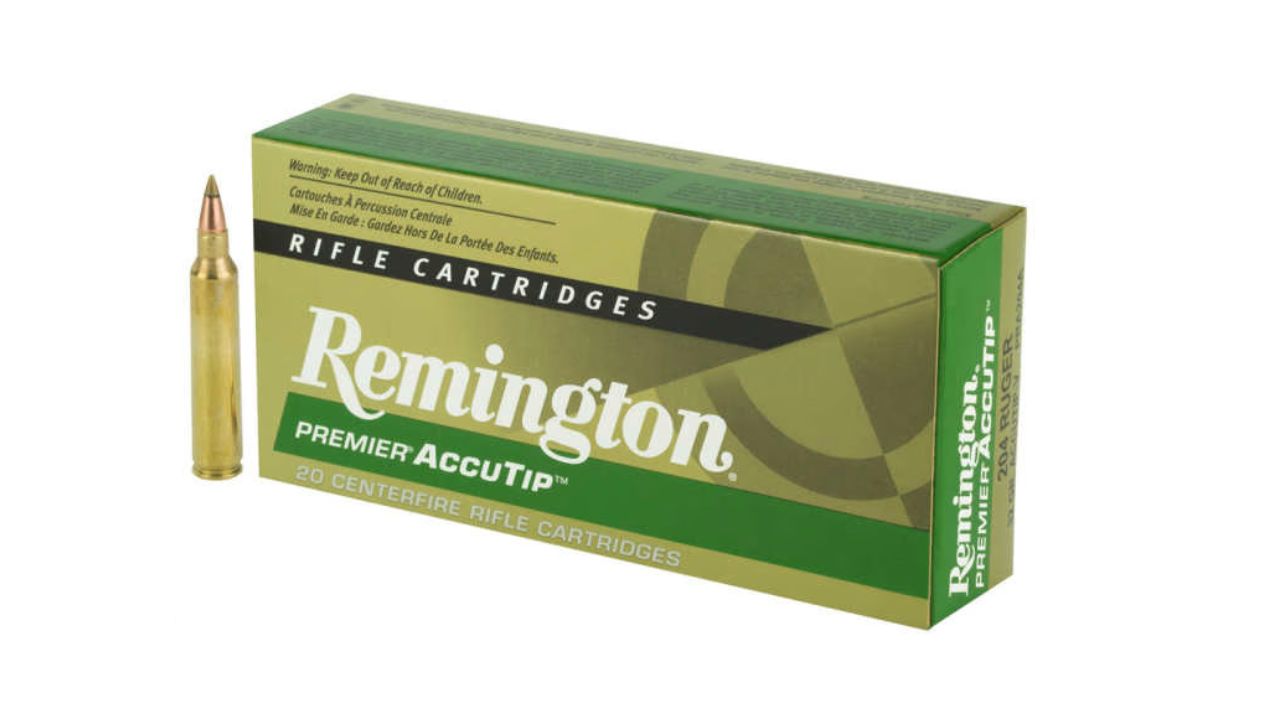
Plenty of varmint shooters love the .204 Ruger for its flat trajectory and minimal recoil. But the truth is, it doesn’t hit all that hard. On paper, it’s fast and efficient. In the field, it’s extremely picky with shot placement and tends to pencil through soft tissue.
If the bullet doesn’t hit something vital, it doesn’t get the job done. That’s fine if you’re shooting from a bench at known ranges. But in real hunting conditions, where wind, brush, and movement all factor in, that speed advantage starts to feel like a false sense of security.
.22 Hornet

The .22 Hornet is nostalgic and quiet, and it’s had its share of deer kills back in the day—but that doesn’t mean it’s a good option now. Energy-wise, it’s weak compared to modern small-caliber cartridges. On paper it might look “enough,” but the real-world results tend to disappoint.
You’ll get minimal penetration and unreliable expansion unless your shot is perfect. That’s a big ask in the woods, especially with game that doesn’t stand still. Plenty of hunters have walked away from blood trails wondering why the Hornet didn’t do its job.
.30 Carbine
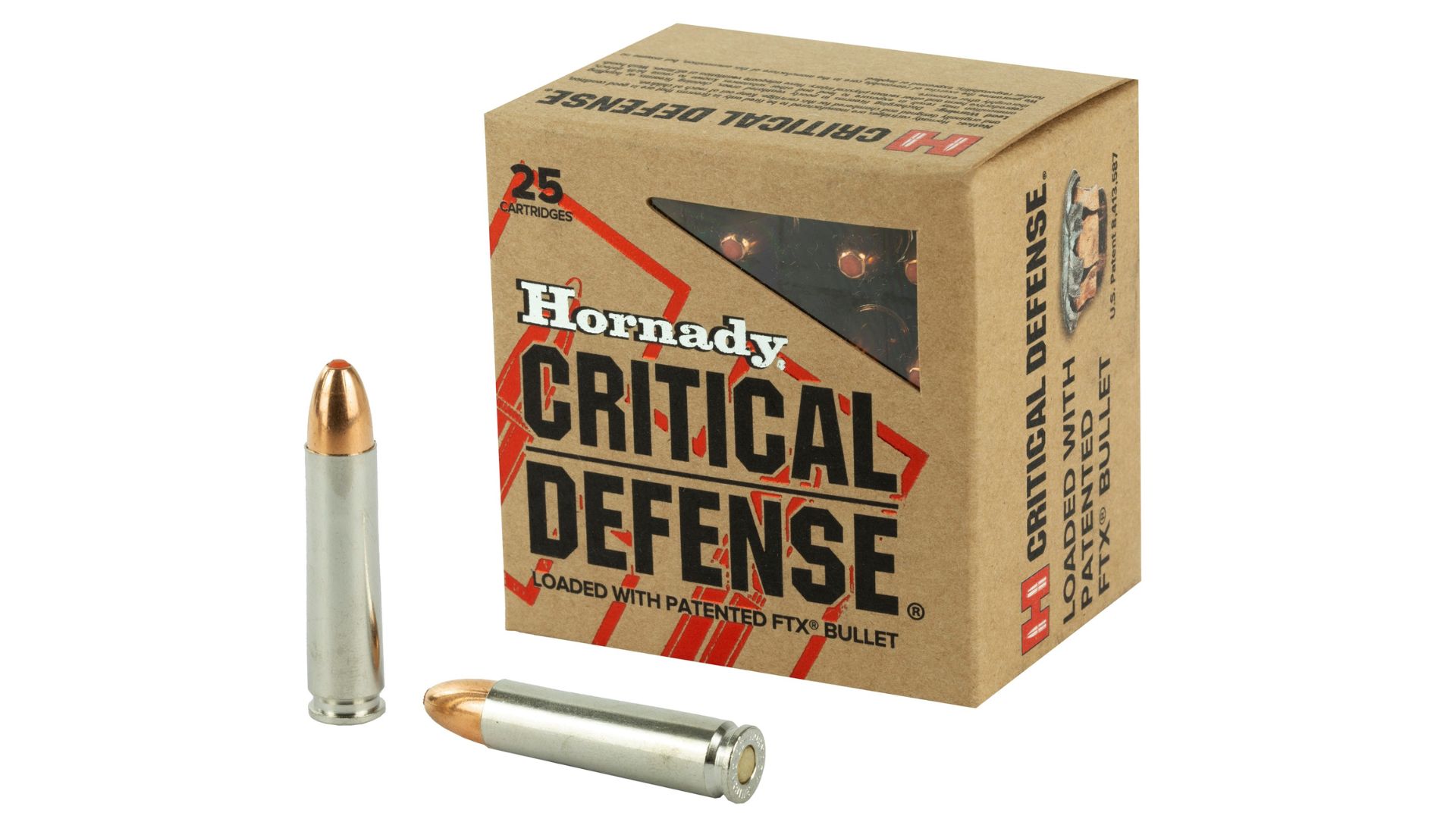
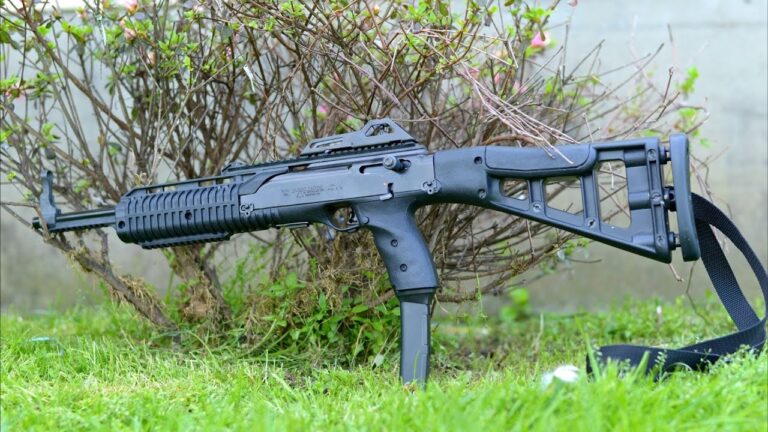
Originally a military round, the .30 Carbine has found its way into the hunting world—usually with poor results. It looks like it should hit harder than a .357 Magnum out of a rifle, but in practice, it doesn’t. The energy isn’t there, and the bullet design doesn’t help.
Most loads are full metal jacket or soft points that don’t expand much. That might be fine on the range or in a home defense carbine, but on game, it leads to long tracking jobs or clean misses on vital zones. The round was never built for hunting, and it shows.
.223 Remington (on deer)
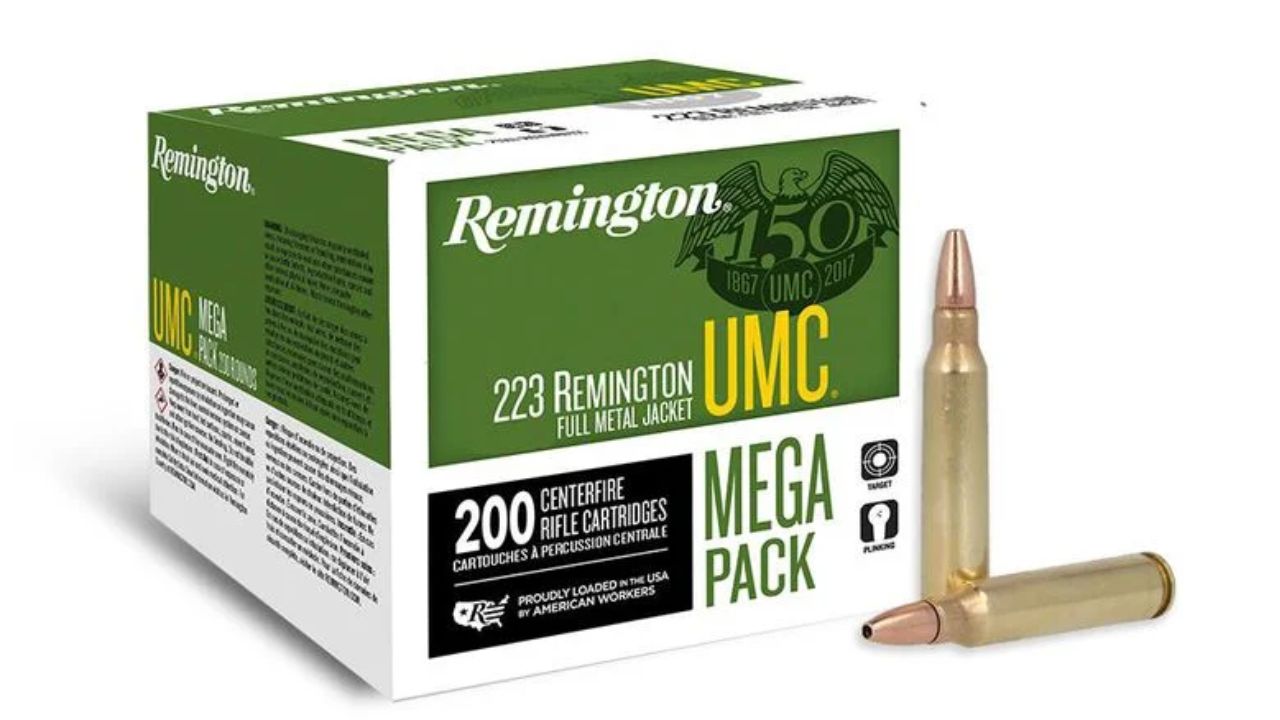
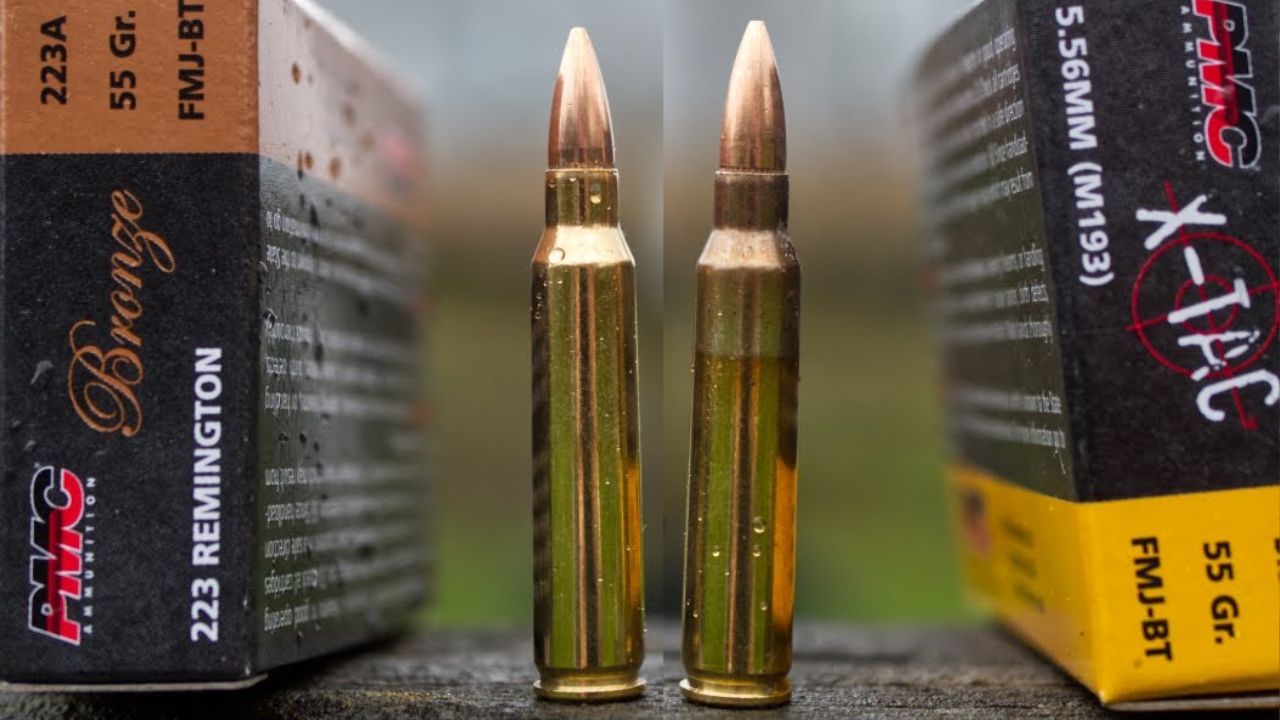
There’s no denying the popularity of .223 Remington. With the right bullet and tight shot placement, it can take a deer. But that doesn’t mean it should be your go-to. A lot of hunters stretch its limits thinking paper energy figures make it “enough.”
The truth is, it’s unforgiving. Hit slightly off target, and the bullet may not expand or penetrate well enough to anchor the animal. If you’re hunting for meat or trying to make ethical, fast kills, there are far better options that give you more margin for error.
.25-20 Winchester
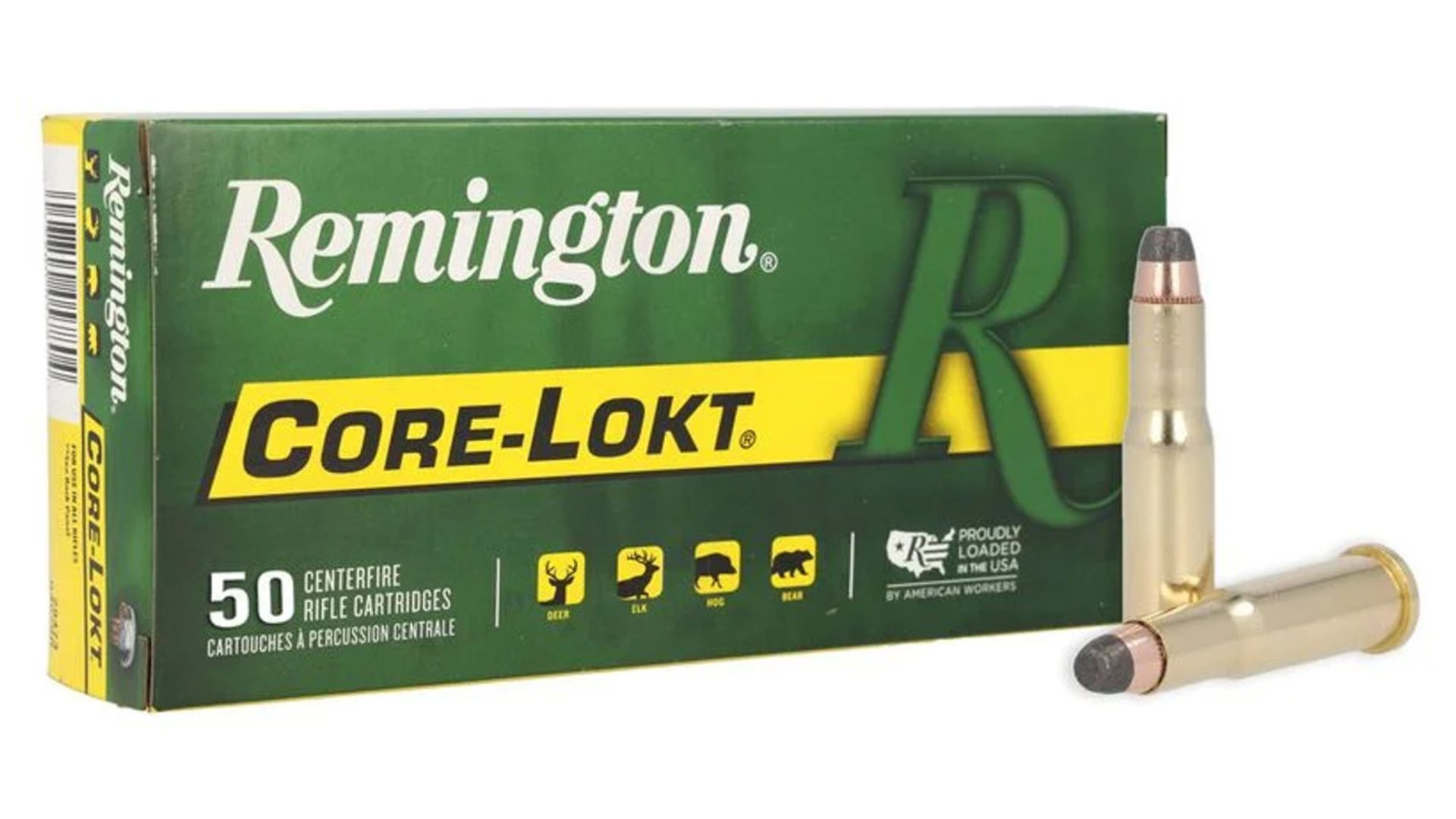
You’ll hear old-timers talk about taking deer with a .25-20, and maybe they did. But this cartridge was never intended for anything larger than varmints. It’s low-pressure, low-velocity, and built for the days when 100 yards was a long shot.
Energy numbers don’t lie—the .25-20 hits with less authority than many handgun rounds. If you’re looking at it for nostalgia or to teach a kid how to hunt, keep it strictly to small game. Trying to use it on deer or hogs is a good way to create tracking nightmares.
6.5 Grendel
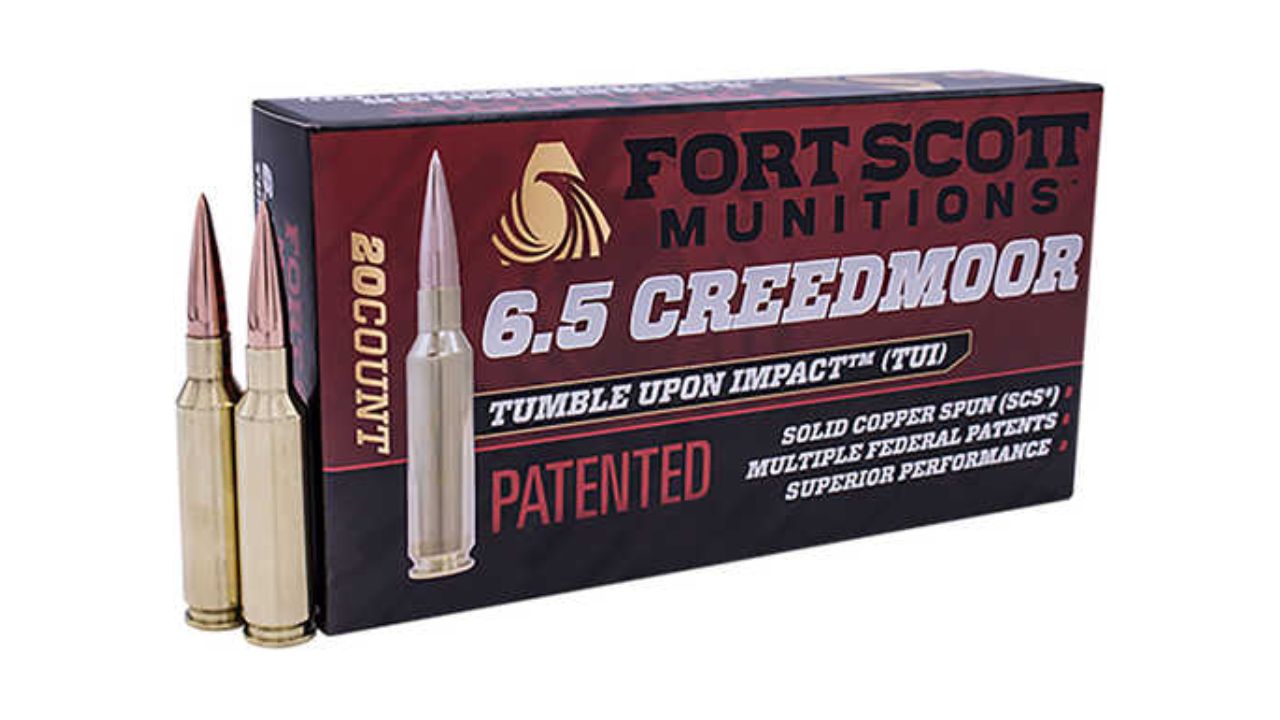
The 6.5 Grendel sounds like a smart compromise: better than .223, fits in an AR-15, and still offers long-range potential. But it’s not the powerhouse some people make it out to be. On paper, it looks good. In the field, you’ll start to see its limits on bigger game.
At extended ranges, the Grendel’s energy drops faster than people expect. It might work on deer, but it’s not forgiving. Marginal hits can lead to long tracking jobs, and heavy bone can stop it cold. It’s a capable round—but not the hammer some folks market it as.
.300 Blackout (supersonic)
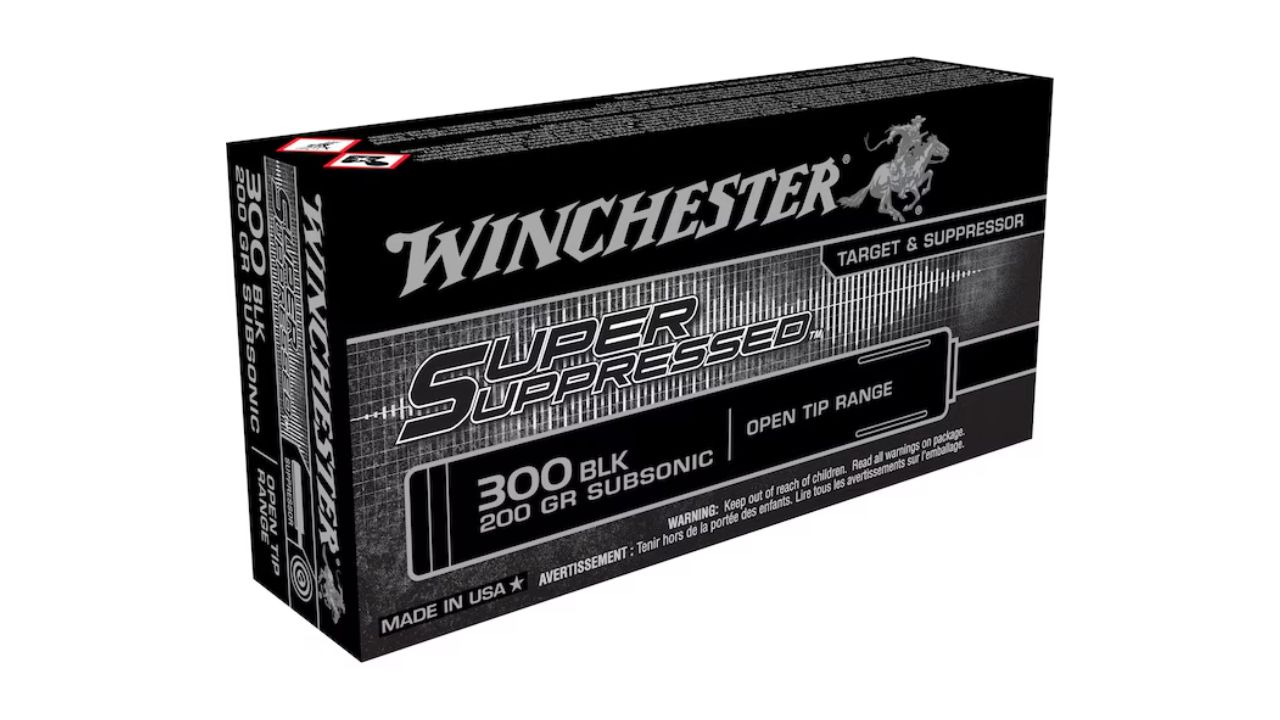
When loaded supersonic, .300 Blackout gains a little more punch, but it’s still soft compared to other .30-caliber hunting rounds. It was built to be quiet, not hard-hitting. At hunting ranges, especially past 100 yards, it starts to show its limitations.
Penetration can be questionable, and expansion isn’t always reliable unless you’re using premium bullets. It can work on hogs and deer with precise shots, but it doesn’t give you the kind of margin you’d get from a .308 or even a 7.62×39. It’s a niche cartridge, and it behaves like one.
7.62x39mm
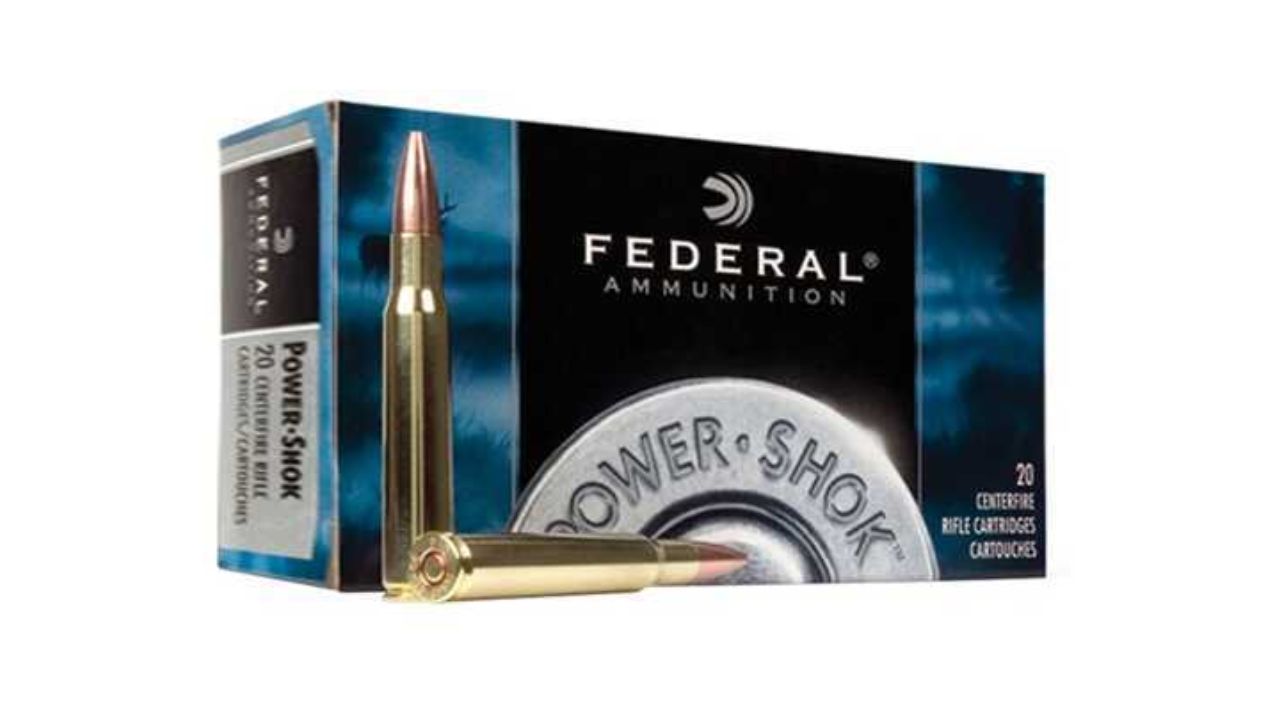
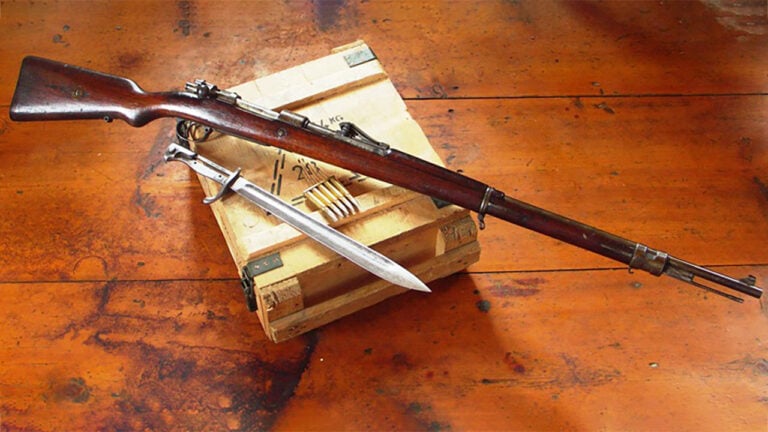
Cheap and easy to find? Yes. Great for hunting? Not so much. The 7.62×39 has ballistics similar to a .30-30 on paper, but the bullet selection often holds it back. Most of what you’ll find is steel-cased FMJ or military surplus that’s terrible for hunting.
Even with soft points, expansion is iffy, and accuracy isn’t great past 100 yards. Sure, it’ll kill a deer at close range, but so will a lot of things. If you want consistency and confidence, especially on bone or quartering shots, there are far better .30-caliber options.
.243 Win (on big-bodied deer)

The .243 Win is accurate, flat-shooting, and easy on the shoulder. That’s why so many new hunters start with it. But once you move into heavier deer or push your range, its limitations start to show. Bullet choice becomes critical, and not every load gets the job done.
You’ll hear plenty of stories of shoulder hits that didn’t exit, or deer that ran too far. If you stay inside 200 yards and hit the heart-lung triangle, it works fine. But once you deal with wind, brush, or less-than-perfect angles, you’ll start to wish you had more gun.
.30-30 Winchester (with round-nose ammo)

The .30-30 has taken a lot of game, no doubt. But traditional round-nose soft points shed energy fast, and they don’t handle longer ranges well. Past 125 yards, you’re dealing with a looping trajectory and reduced terminal performance.
Modern leverevolution ammo has helped a lot, but many folks still hunt with granddad’s load and expect it to perform like a modern cartridge. That’s where it falls flat—especially if you’re shooting across fields or in open country. It works, but you’ve got to respect its range limits.
.45 Colt (in rifles)

The .45 Colt was never a powerhouse, even out of long barrels. Unless you’re handloading or using +P hunting loads, the energy levels are pretty tame. It’s accurate enough at short range, but it lacks the punch for larger game or bone-breaking shots.
Plenty of guys use it in lever guns for fun or nostalgia, but when it comes to actual hunting performance, it trails behind other options. Expansion is unpredictable, especially with cowboy-style loads, and penetration suffers without enough velocity. If you’re serious about anchoring an animal, there are better choices.
Like The Avid Outdoorsman’s content? Be sure to follow us.
Here’s more from us:
The worst deer rifles money can buy
Sidearms That Belong in the Safe — Not Your Belt
*This article was developed with AI-powered tools and has been carefully reviewed by our editors.