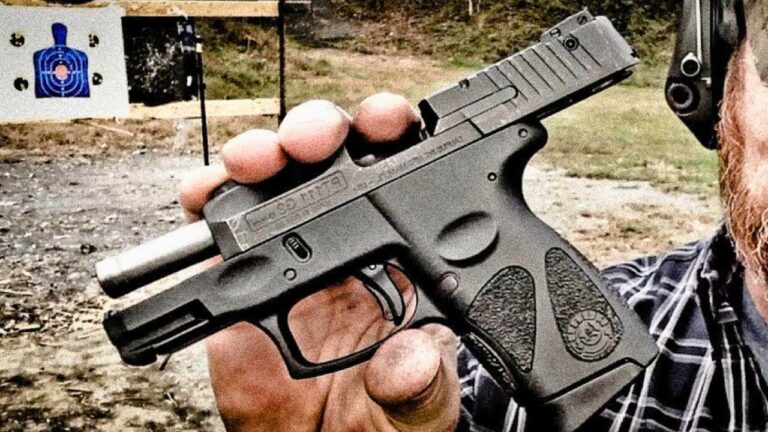
Photo credit: Cpl. Kurt Fredrickson, Submitted by: MCAS – Public Domain/Wiki Commons
New handguns show up with big promises every year. Better texture, better capacity, better optics cuts, better triggers, better everything. Some of them are genuinely good. A lot of them get hot for a season or two, then quietly disappear once shooters stop talking about launch videos and start judging what actually lasts.
Old handguns have a harder job. They have to survive years of range use, carry wear, police trade-ins, competition, bad holsters, cheap ammo, and changing trends. The ones that still earn respect usually do it because they got the important things right early. They may not look modern, but they keep reminding people that good design does not expire just because the market gets bored.
Browning Hi-Power
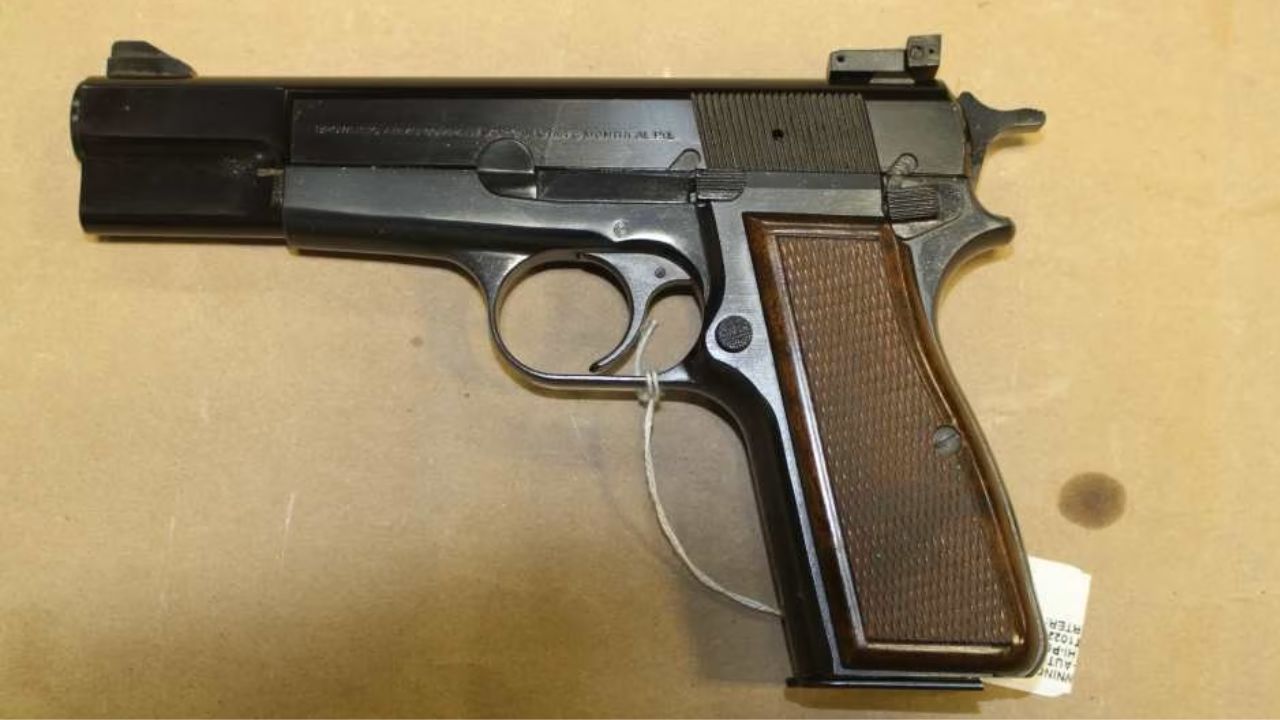
The Browning Hi-Power still earns respect because it feels right the second you grip it. It is slim, balanced, and easy to point, with a design that influenced service pistols for generations. Even shooters who prefer modern striker-fired guns usually understand why the Hi-Power stayed loved for so long.
It has flaws by current standards. The trigger can be held back by the magazine disconnect, older sights are small, and capacity no longer feels special. But the pistol shoots naturally, carries history honestly, and still feels more refined than plenty of newer guns that came and went fast.
Colt Government Model 1911

The Colt Government Model 1911 has been argued about forever, but it keeps earning respect because good examples still shoot beautifully. The trigger, grip angle, thin slide, and natural pointability give it a feel that newer pistols keep trying to imitate.
It is not the easiest handgun to maintain or carry compared with modern polymer pistols. You have lower capacity, more weight, and a manual safety that demands training. Still, experienced shooters defend it because it rewards skill. A solid Colt 1911 does not need to be trendy. It already proved itself long before most new models were sketched out.
Smith & Wesson Model 19
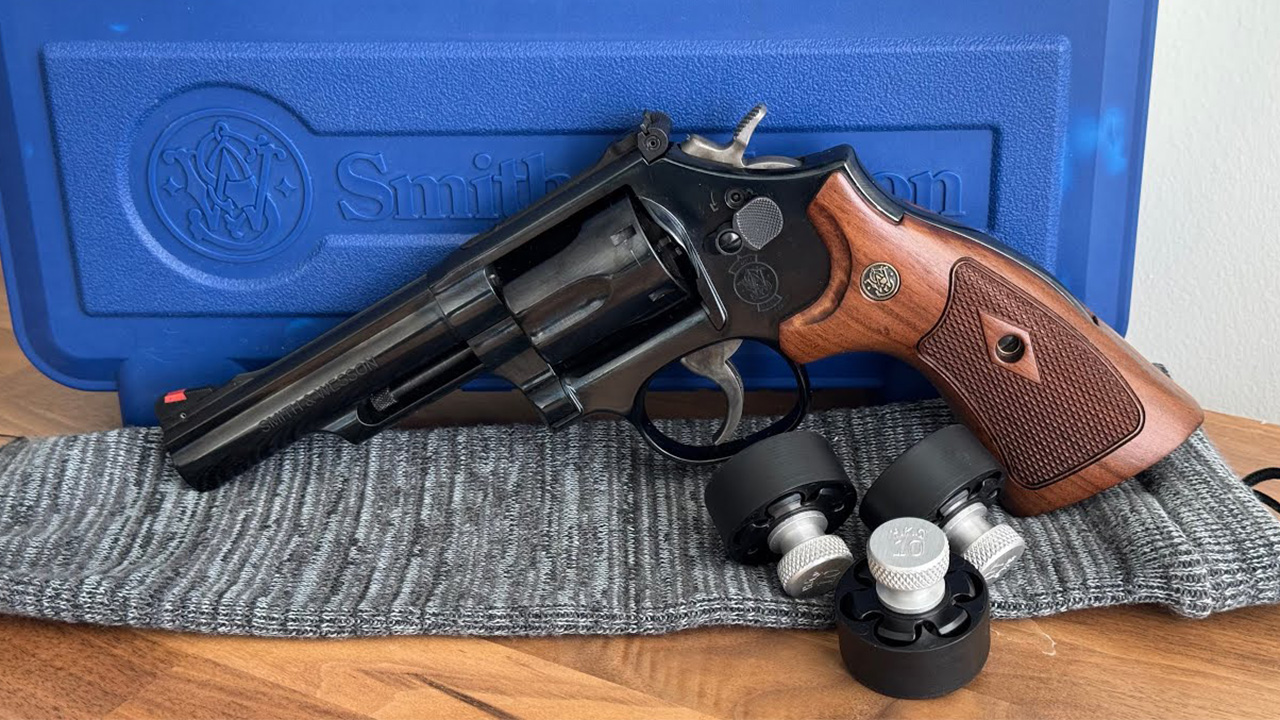
The Smith & Wesson Model 19 is one of those revolvers that gets more respect the longer you understand handguns. It is lighter and handier than big-frame magnums, but still gives you serious .357 Magnum capability in a size that feels balanced.
The Model 19 was never meant to be abused with endless heavy magnum loads, and that matters. Treat it sensibly, shoot plenty of .38 Special, and carry .357 when needed, and the appeal becomes obvious. The trigger, balance, and old K-frame feel make a lot of newer defensive handguns seem forgettable by comparison.
Beretta 92FS

The Beretta 92FS has taken plenty of criticism for being large, heavy, and old-fashioned. That has not stopped it from earning respect with shooters who actually use it. The gun is soft-shooting, accurate, smooth, and easy to control once you learn the controls.
Newer pistols may carry easier, but few full-size service guns feel as steady as a well-run 92FS. The open-slide design, long sight radius, and metal-frame balance all work together. It may not be the fashionable choice anymore, but it still performs like a serious handgun instead of a forgotten relic.
SIG Sauer P226

The SIG P226 is the kind of pistol that makes newer models feel a little too disposable. It is heavier than today’s polymer guns and takes more training than a simple striker-fired trigger, but the payoff is real.
Once you learn the double-action/single-action system, the P226 shoots with a smoothness that is hard to fake. It feels planted, accurate, and built for serious use. A lot of newer duty pistols get attention for a few years, then get replaced by the next contract or trend. The P226 keeps its respect because it earned trust across decades, not launch cycles.
CZ 75
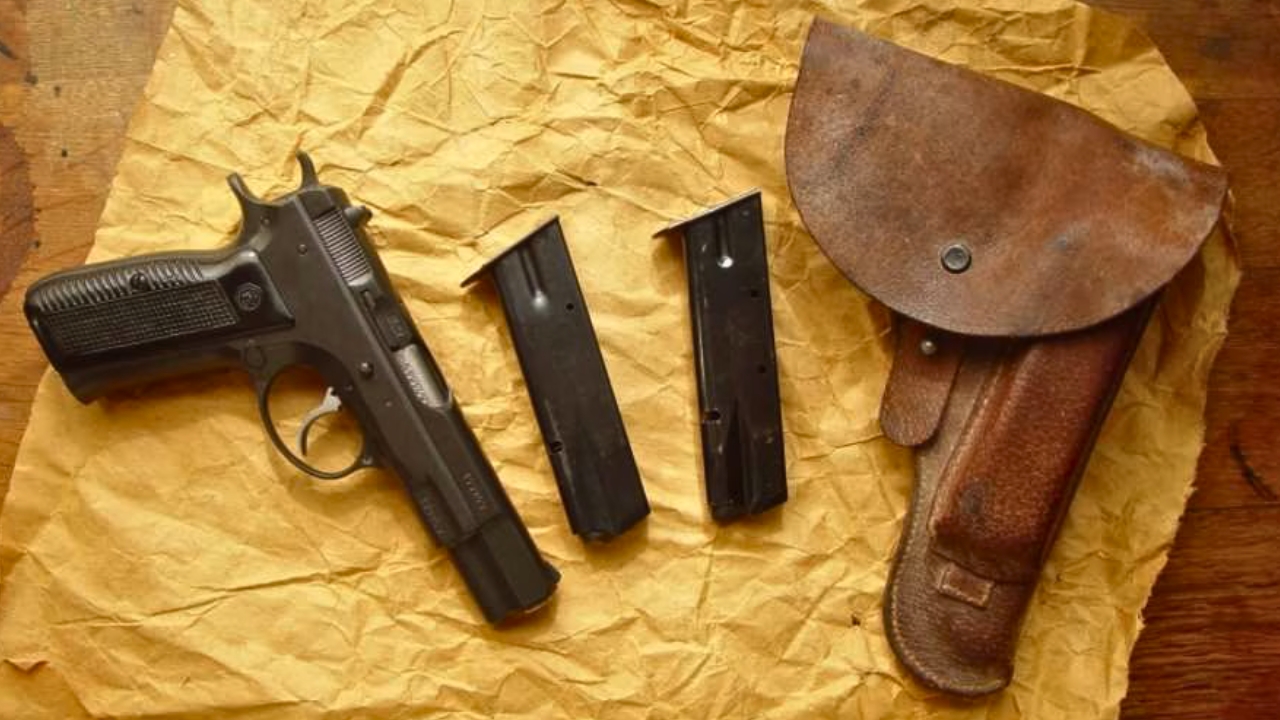
The CZ 75 still feels smarter than a lot of newer pistols because it was built around how a handgun actually sits in the hand. The grip shape, low slide, steel frame, and natural pointing feel make it easy to shoot well.
It is heavier than modern carry guns, and the slide gives you less surface to grab than some shooters prefer. But on the range, the CZ 75 reminds you why people keep coming back to it. It tracks flat, feels steady, and rewards good trigger work. New models may fade, but this one keeps gaining believers.
Smith & Wesson Model 36
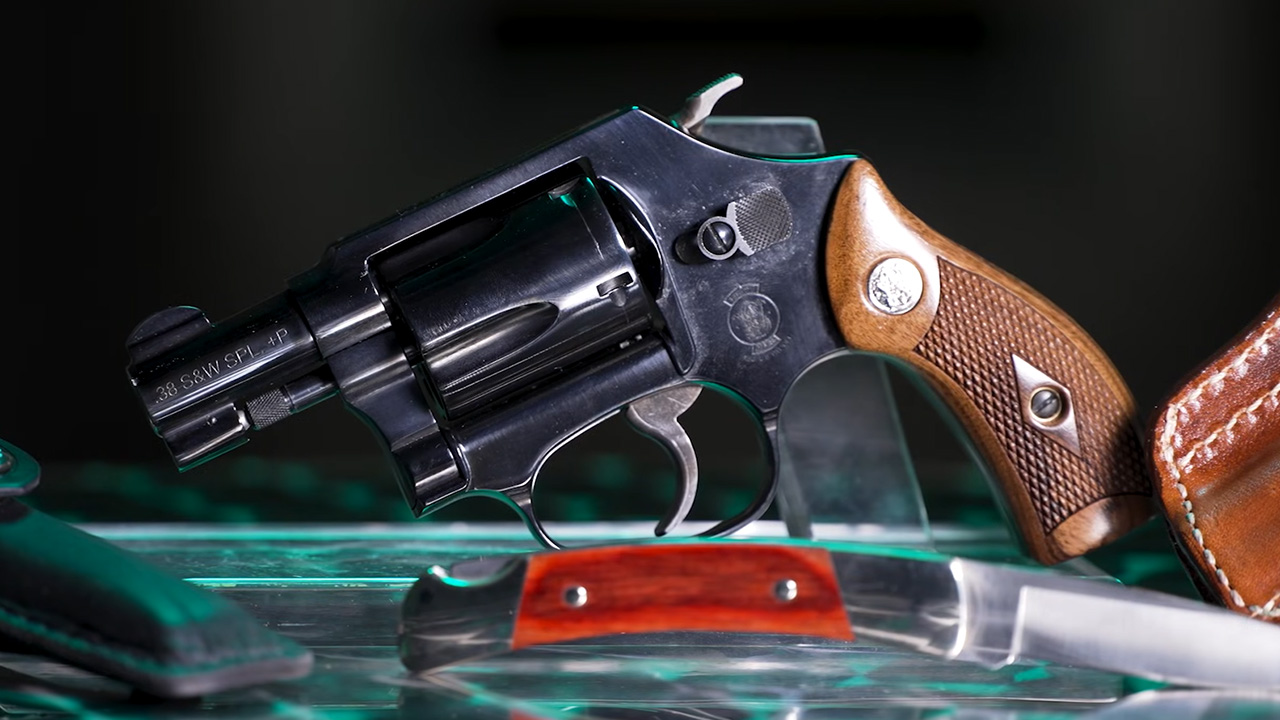
The Smith & Wesson Model 36 is simple, compact, and honest. It does not have the capacity, sights, or easy reload speed of a modern carry pistol. What it does have is a small steel-frame build that still feels trustworthy in the hand.
The extra weight compared with an Airweight makes it much more pleasant to shoot. That matters if you actually practice. A Model 36 in good shape carries easily, points naturally at close range, and keeps the old snub-nose formula alive for a reason. It is not modern, but it still makes sense.
Walther PPK
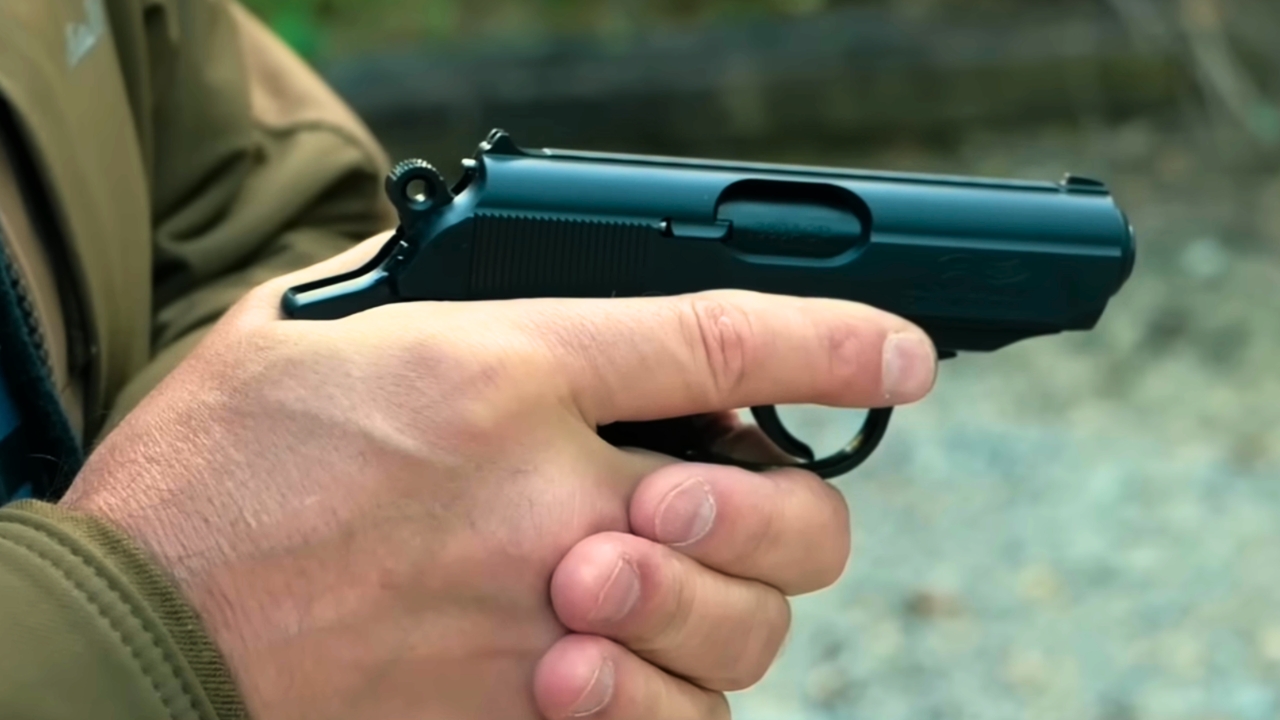
The Walther PPK survives because it has style, history, and a size that still feels useful for certain carry roles. It is not the softest-shooting .380, and the blowback action can feel sharper than people expect from such a small pistol.
Still, the PPK has a level of character newer pocket pistols rarely touch. The metal frame, fixed barrel, and classic profile give it staying power beyond simple practicality. There are lighter and cheaper .380s everywhere now, but most of them will never be remembered the way the PPK is. That says something.
Ruger GP100

The Ruger GP100 earns respect because it was built like a working revolver. It does not have the same elegant feel as some older Smiths, but it brings strength, durability, and confidence that hard-use shooters appreciate fast.
A GP100 can handle regular .357 Magnum use without feeling fragile. It is heavy enough to shoot well, simple enough to maintain, and strong enough for field carry, home defense, or range work. New revolvers and semi-autos come and go, but the GP100 keeps making sense because it is built around endurance instead of fashion.
Colt Detective Special

The Colt Detective Special still earns respect because it gives you six shots in a compact revolver that actually feels good to carry and shoot. That extra round mattered years ago, and it still matters now when most small revolvers hold five.
It also has the kind of old Colt feel that newer carry guns cannot copy. The action, grip shape, and classic lines make it more than just another snub-nose. Yes, parts and collector prices make some owners careful with them now. But as a design, the Detective Special still proves that small revolvers were already pretty smart decades ago.
Heckler & Koch USP Compact

The HK USP Compact is old enough now to feel almost stubborn, and that is part of why people respect it. It is chunky, overbuilt, and not nearly as sleek as newer carry pistols. It also has the kind of durability that makes owners trust it without much drama.
The controls take getting used to, and the trigger is not as clean as modern striker-fired options. But the pistol runs, handles rough use well, and gives you that tough HK feel in a more manageable size than the full-size USP. Some new pistols fade because they feel optimized for marketing. The USP Compact feels optimized to survive.
Ruger Mark II

The Ruger Mark II is one of the rimfire pistols people regret not appreciating sooner. It is accurate, durable, and built with a simple seriousness that makes a lot of newer .22 pistols feel cheap.
The takedown process has frustrated plenty of owners, and nobody should pretend otherwise. But once you learn the gun, the payoff is worth it. A Mark II can serve as a plinker, trainer, small-game pistol, or suppressor host in the right setup. It does not need flashy styling or constant updates. It keeps earning respect because it shoots well for years.
Smith & Wesson Model 5906

The Smith & Wesson 5906 was once seen as another heavy police trade-in pistol. For a while, that made it easy to overlook. Now more shooters are realizing those old third-generation Smith autos were built with a level of toughness that deserves respect.
The 5906 is heavy, but that weight makes it soft and steady on the range. It is all stainless, reliable with good magazines, and has a duty-gun feel that newer lightweight pistols do not always match. It may be too bulky for modern carry tastes, but as a hard-use 9mm, it keeps aging better than expected.
Makarov PM
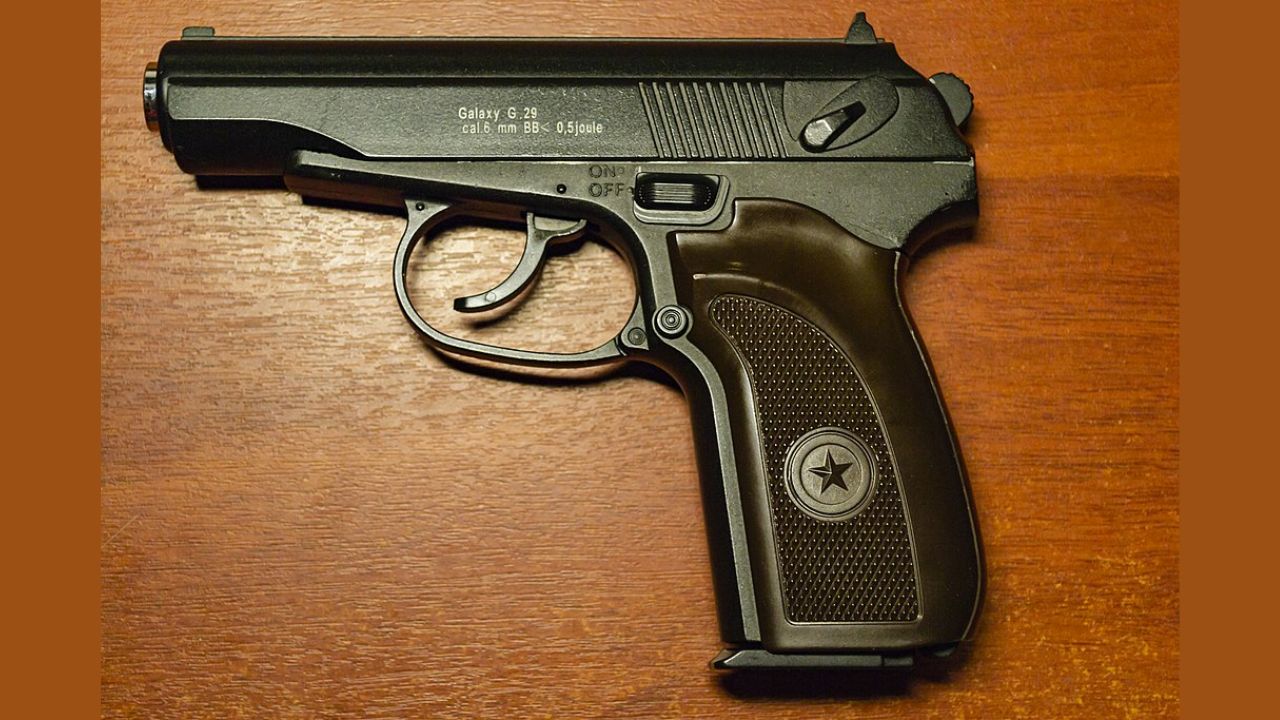
The Makarov PM is not fancy, powerful, or modern. That is exactly why people respect it. It is simple, rugged, compact, and built around practical reliability instead of impressive specifications.
The 9x18mm cartridge is modest, and the sights are not great. But the pistol itself has a reputation for running in rough conditions with very little drama. It is easy to fieldstrip, easy to understand, and surprisingly shootable once you get used to it. Plenty of newer compact pistols came in louder and disappeared faster. The Makarov stayed respected by being plain and dependable.
Smith & Wesson Model 686

The Smith & Wesson Model 686 keeps earning respect because it does nearly everything a .357 Magnum revolver should do. It has enough weight to control recoil, enough strength for regular use, and enough balance to still feel lively in the hand.
It works as a range gun, home-defense gun, field sidearm, and teaching revolver. The stainless finish holds up, the trigger is usually excellent, and the L-frame size hits a sweet spot between carryable and shootable. New handguns may grab attention for a while, but a good 686 remains one of those guns people understand better after years of use.
Like The Avid Outdoorsman’s content? Be sure to follow us.
Here’s more from us: