Photo credit: BERETTA9mmUSA/YouTube
Some handguns never got the glossy ad push, the huge launch buzz, or the constant “next big thing” treatment. While flashier names soaked up the headlines, these pistols kept doing the boring part that matters most. They ran, they carried well enough, they shot better than expected, and they stayed in holsters and safes long after louder guns had already started needing excuses.
That is why they matter. These are handguns that stayed trusted while flashier names took over the ads. Not because they were trendy, but because they kept proving themselves where it counts.
Smith & Wesson 4566
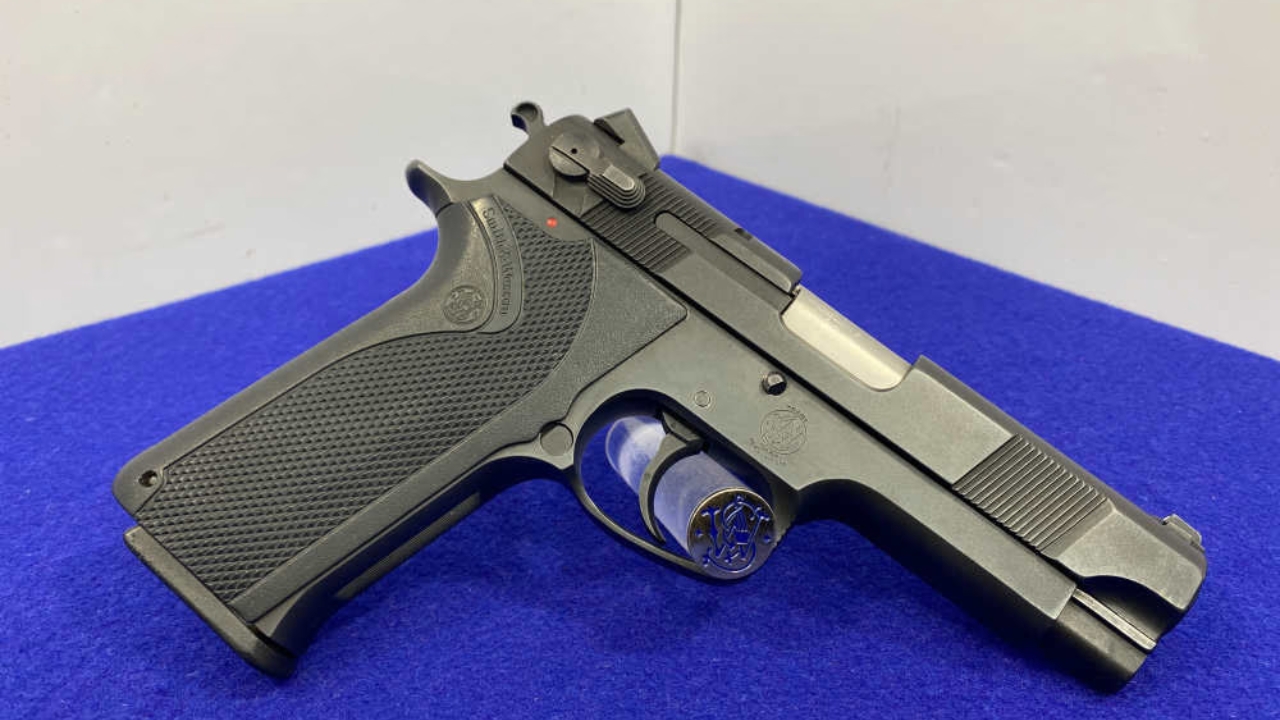
The Smith & Wesson 4566 never needed a fancy ad campaign to earn trust. It was a big, all-business .45 with the kind of solid feel that made a lot of lighter pistols seem a little too eager to impress. It was not glamorous, but it felt serious the second you picked it up, and that alone carried a lot of weight with shooters who valued hard-use sidearms.
That trust stayed because the pistol kept doing exactly what people hoped it would do. It shot well, held up, and never really depended on image to justify its place. While flashier .45s came and went, the old Smith kept making sense to people who actually used their guns.
Ruger SR9
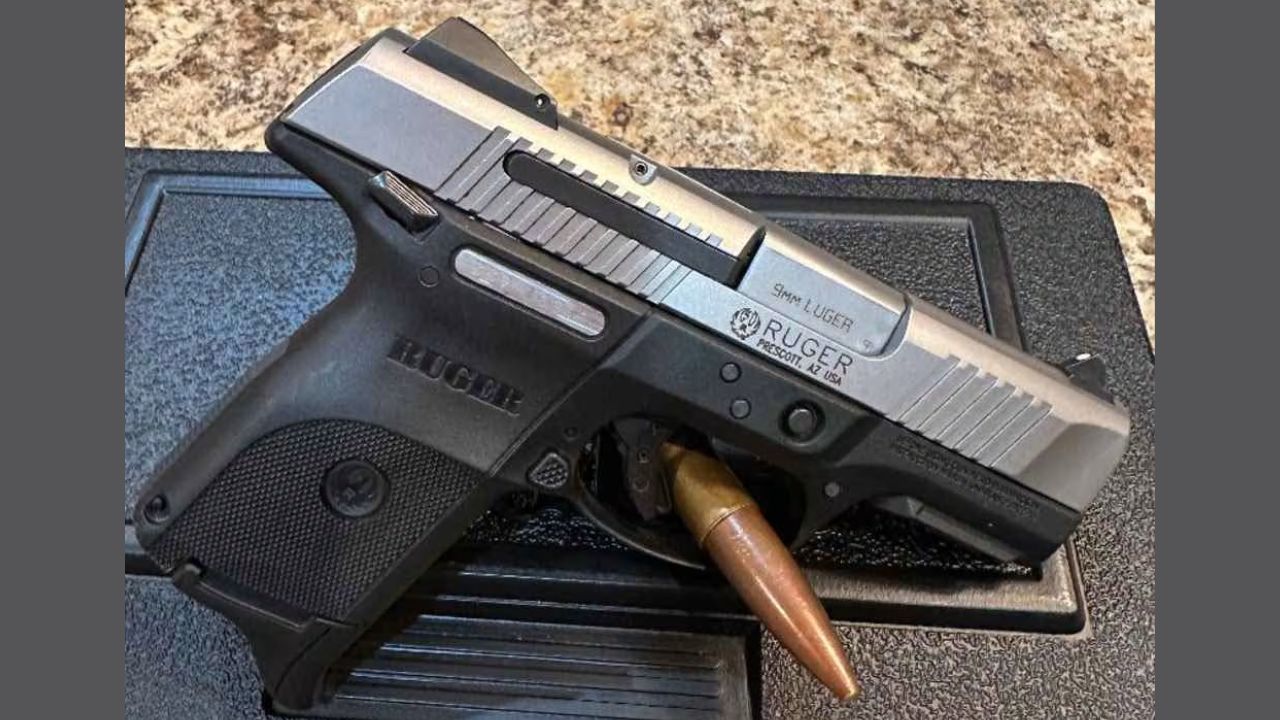
The Ruger SR9 spent years getting less attention than a lot of striker pistols that had better marketing and louder fan bases. That kept some buyers from seeing what was right in front of them. It was slim, practical, and easier to carry than many service-size pistols, but because it wore a Ruger badge in a crowded lane, plenty of people kept looking elsewhere first.
Shooters who stuck with it usually came away with a different opinion. The SR9 handled well, stayed reliable, and offered a very usable handgun without much drama. It stayed trusted because it solved real problems instead of trying to look like a revolution.
Beretta APX Centurion
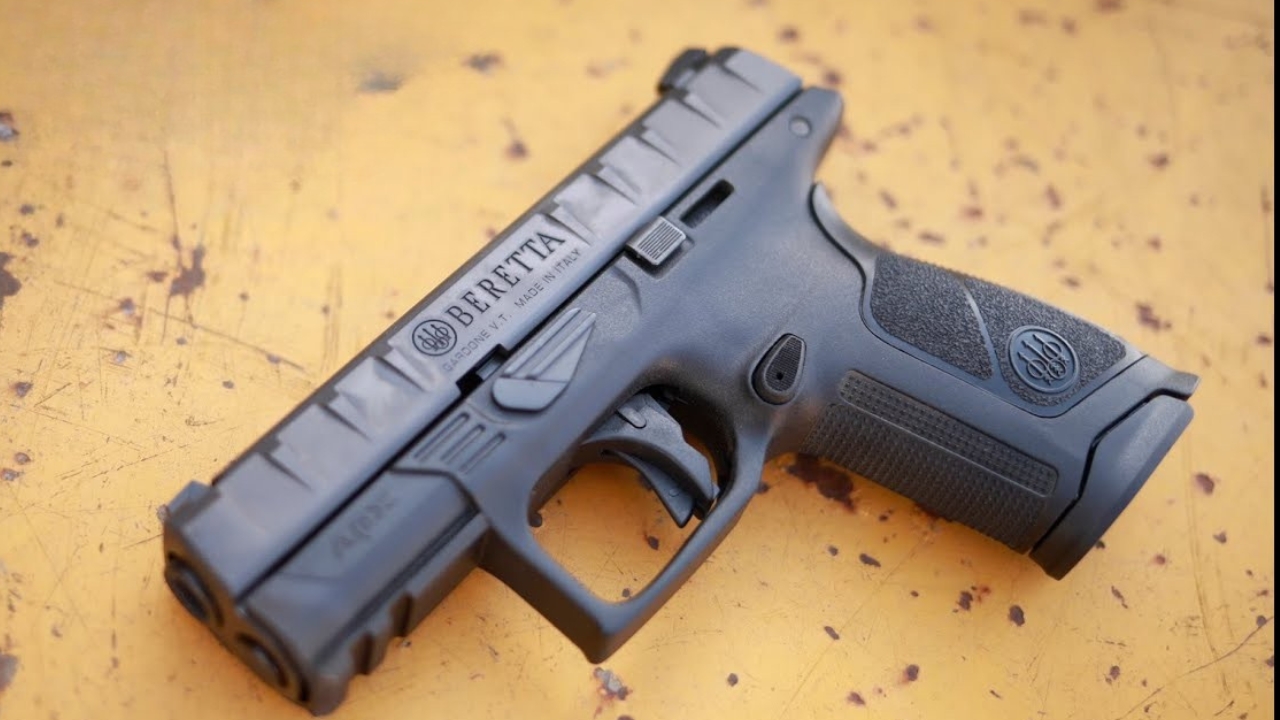
The Beretta APX Centurion never got the broad affection some other modern pistols did, which is a shame because it stayed useful in all the right ways. It had good grip shape, practical size, and more control in recoil than many buyers expected. It just never got marketed as hard as some of the pistols it could go toe-to-toe with.
That never stopped it from earning trust. Shooters who actually ran one found a compact service-style pistol that carried well and worked well without trying too hard to seem exciting. It stayed relevant because it kept acting like a serious handgun instead of an ad concept.
CZ 75 BD Police
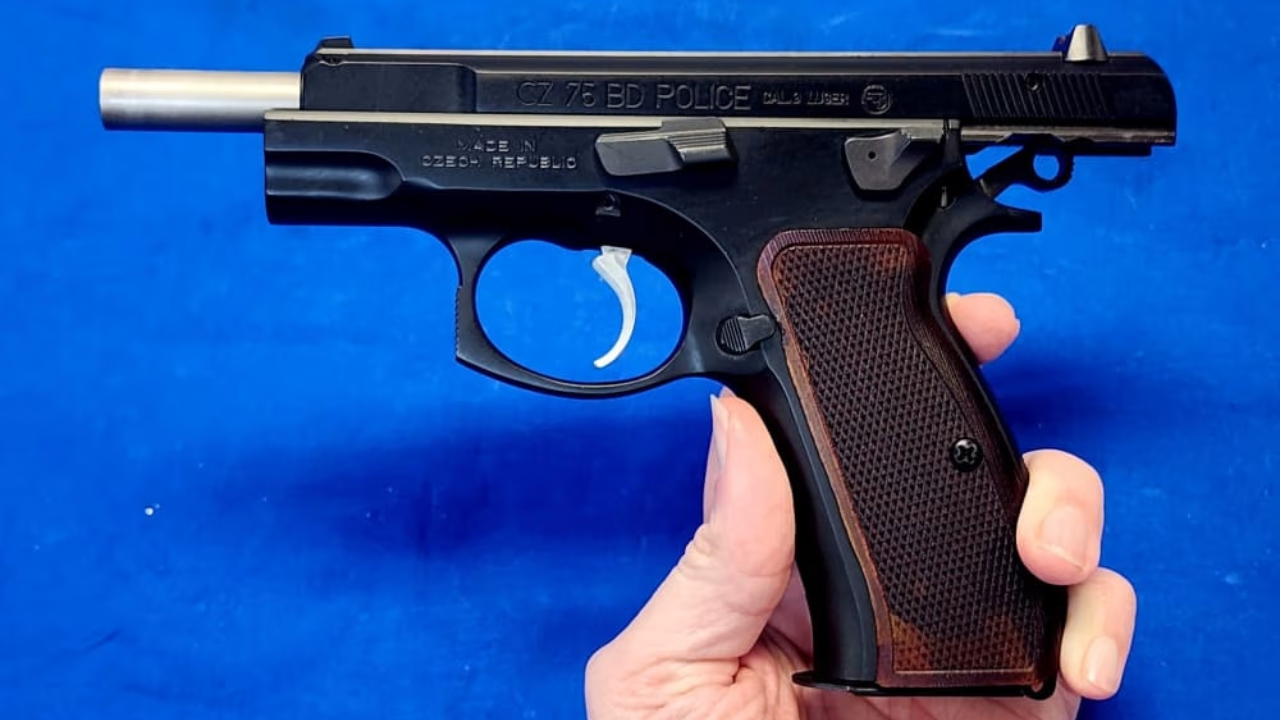
The CZ 75 BD Police did not need flashy branding because it already had the part experienced shooters care about most: it felt right. The grip, the weight, and the all-steel steadiness gave it credibility the second it hit the hand. While ad-heavy pistols kept promising the future, the CZ just kept acting like a pistol that understood what a fighting handgun should feel like.
That is why it stayed trusted. It was comfortable to shoot, easy to respect, and free of the strange little compromises that hurt so many modern pistols once the shooting starts. Plenty of guns got more attention. The CZ kept getting real loyalty.
Glock 30SF

The Glock 30SF never looked flashy enough to dominate ads, but it earned trust by solving the compact .45 problem better than many pistols that got more love. It offered real shootability, useful capacity, and a familiar operating system in a size that still worked for concealed carry. That combination made it a practical answer for shooters who wanted more than just a thin brochure promise.
What kept it trusted was how little owners had to explain it. It ran, it carried well enough, and it gave up less shootability than many compact .45s around it. The ads went elsewhere. The trust often stayed here.
FN FNS-9

The FN FNS-9 lived in the shadow of louder striker guns for years, but it never stopped making practical sense. It was dependable, straightforward, and built with the kind of seriousness buyers often claim they want. It just did not have the same hype machine behind it, which kept some people from noticing how well-rounded it really was.
Shooters who used one enough usually had no trouble trusting it. The gun felt stable, handled recoil well, and avoided much of the fuss that surrounds trendier striker pistols. It stayed trusted because it kept doing its job without trying to make itself a personality.
SIG Sauer P225
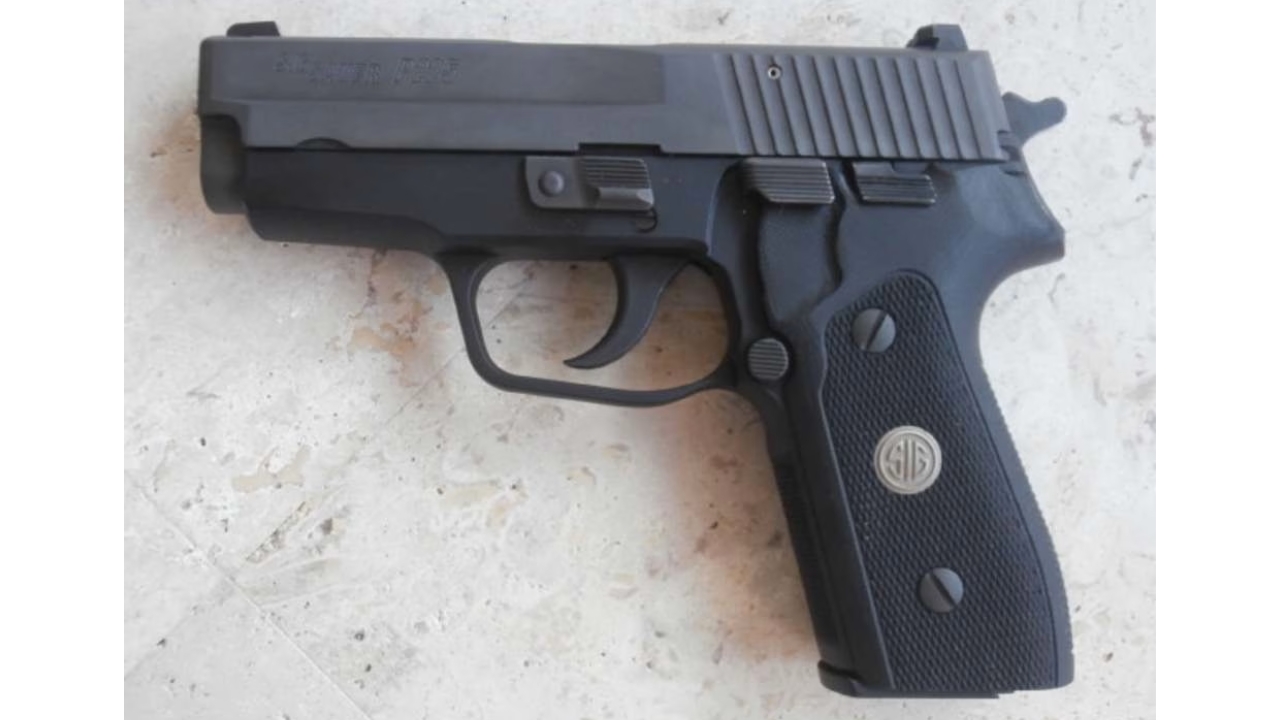
The P225 never needed ad-heavy swagger because it was one of those pistols that made its point immediately in the hand. It was slim, mature, and easy to shoot well, which meant experienced shooters often understood it faster than the broader market did. It lacked the capacity chatter of later guns, but it made up for that with feel and balance.
That is why it stayed trusted. It remained a practical carry-size 9mm for shooters who valued control and confidence more than spec-sheet bragging. While flashier names dominated the ad space, the P225 kept rewarding the people who actually stuck with it.
Springfield XD-E
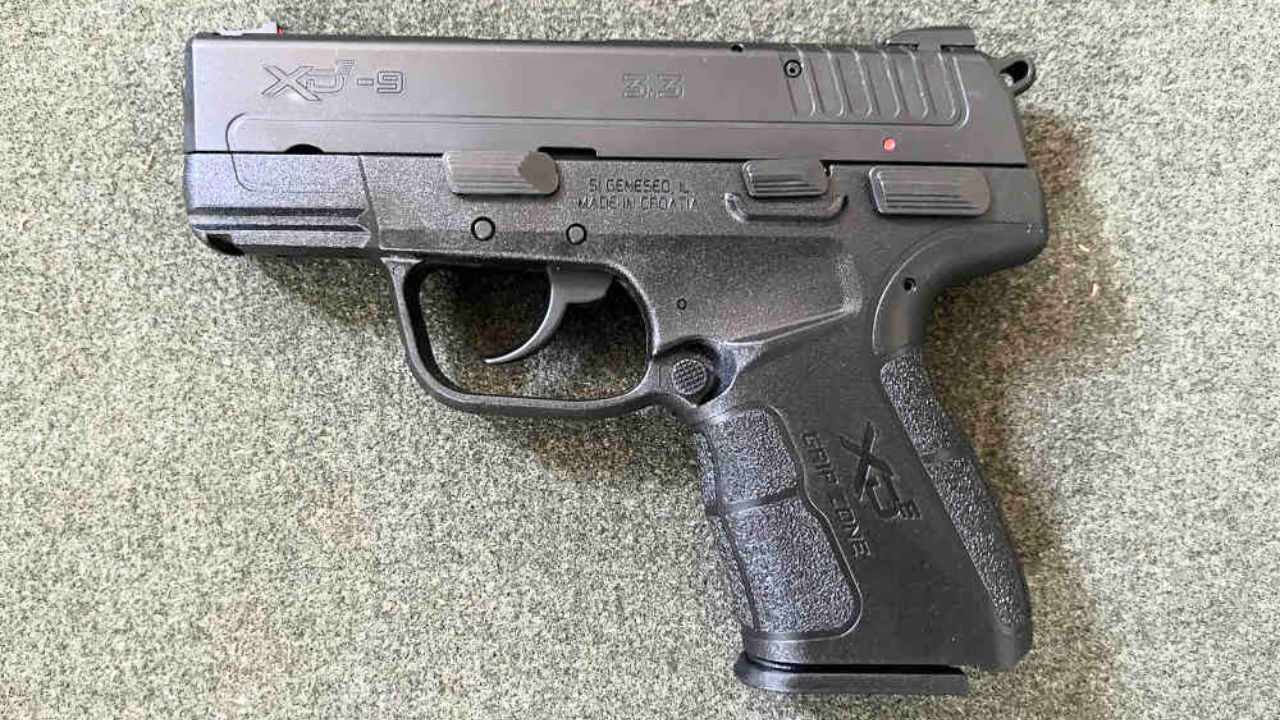
The Springfield XD-E never had the glamour of many carry pistols around it, but it filled a real lane that never stopped mattering. It gave buyers a hammer-fired, easy-to-carry pistol with practical controls and a very manageable shooting experience. That alone separated it from a crowd of tiny guns that were easier to advertise than to shoot well.
It stayed trusted because it behaved like a carry gun for adults. It was simple, useful, and less compromised than a lot of pistols that got far more attention. People who carried one often kept doing so because it made daily ownership feel easy instead of dramatic.
Smith & Wesson 6904
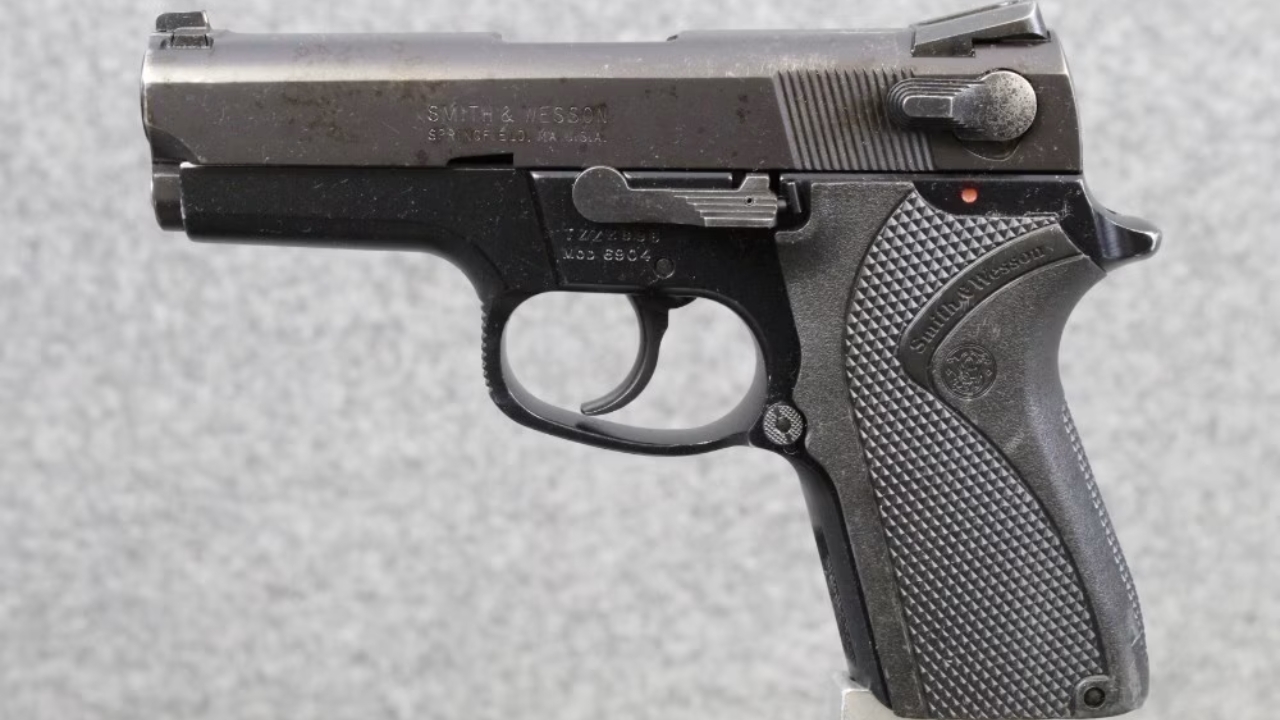
The Smith & Wesson 6904 was never the poster child for anything, and that probably helped it. It was a compact double-stack 9mm with real duty-gun roots and none of the flash that makes buyers act like they are purchasing a lifestyle. It just felt like a practical sidearm, and that matters a lot more once the ad copy stops working.
That trust held because the 6904 stayed believable. It was compact enough to carry, substantial enough to shoot properly, and built with the kind of old-school Smith logic people keep rediscovering after too much time around trend guns. It never needed more noise than that.
CZ P-07

The CZ P-07 stayed trusted because it did not need to be the loudest polymer DA/SA pistol to make a strong case. It had good ergonomics, a very practical size, and real shooting comfort in a format that often ends up feeling less settled in lesser guns. That made it easy for experienced shooters to appreciate, even if the broader market kept running toward louder names.
It earned trust because it was simply useful. It carried well enough, shot well enough, and kept the kind of control that makes training more productive instead of more irritating. Flashier pistols got more ad space. The P-07 kept real believers.
Ruger American Pistol Compact

The Ruger American Pistol Compact never got the kind of attention some smaller duty-style pistols did, but it stayed trusted because it was a very honest gun. It offered a practical grip, dependable operation, and the sort of straightforward handling that makes people feel comfortable fast. It was not trying to be pretty. It was trying to work.
That is why it found loyal users. Shooters who gave it a fair chance found a compact pistol with real practicality and very little nonsense. It did not need big ad energy because it solved real needs without forcing the owner to become a brand evangelist.
IWI Jericho 941
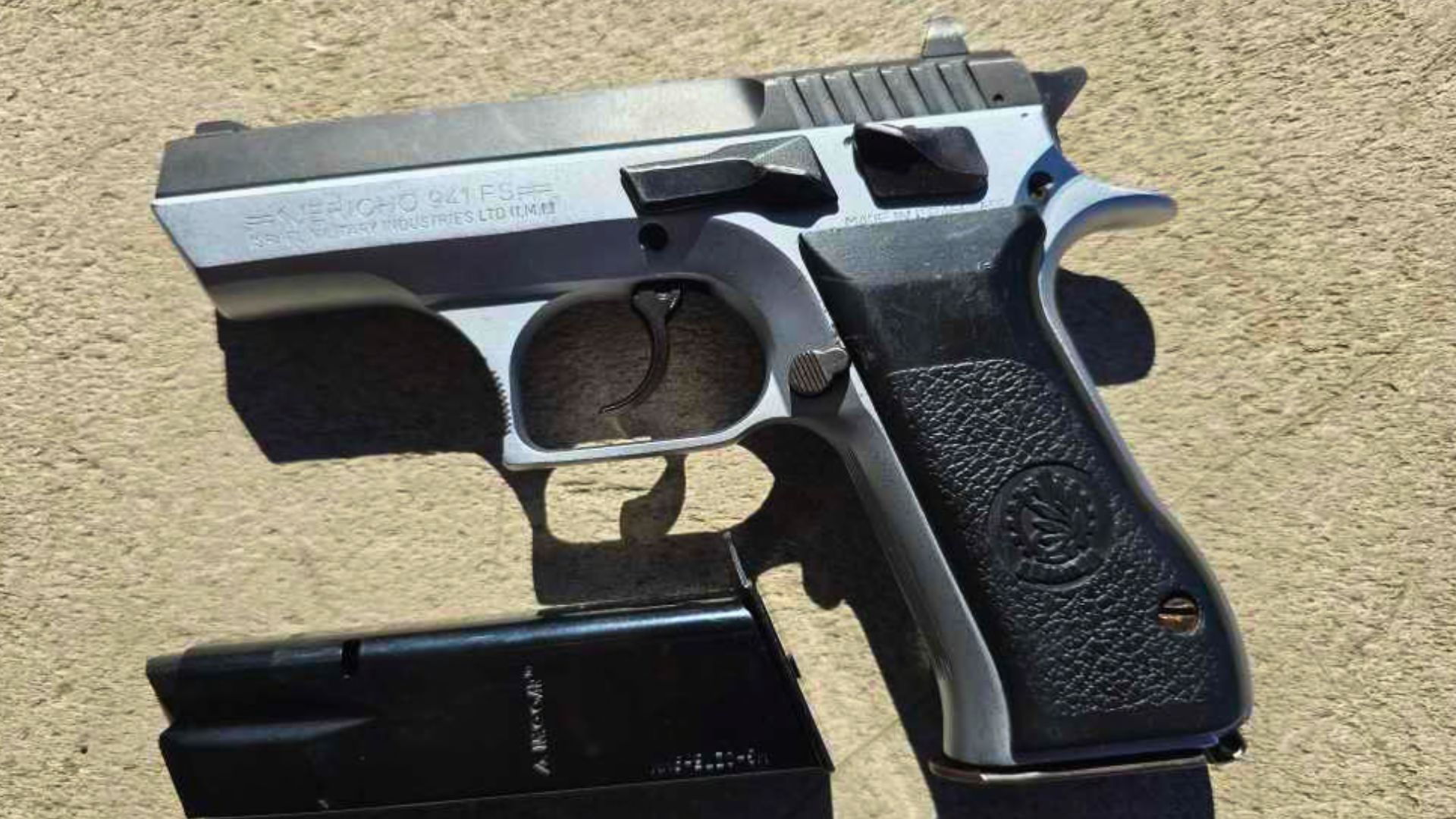
The Jericho 941 stayed trusted because it always felt like more gun than many buyers expected. Heavy, yes, but also very controllable, very shootable, and very easy to respect after a few magazines. It never needed to dominate ad pages because the people who actually shot one usually understood quickly why it had such a loyal following.
That kind of trust sticks. The Jericho feels substantial in a good way, and it remains one of those pistols that keeps making a practical case for steel, balance, and mature design while the market keeps chasing newer shapes. It did not need hype. It had feel.
Taurus PT92
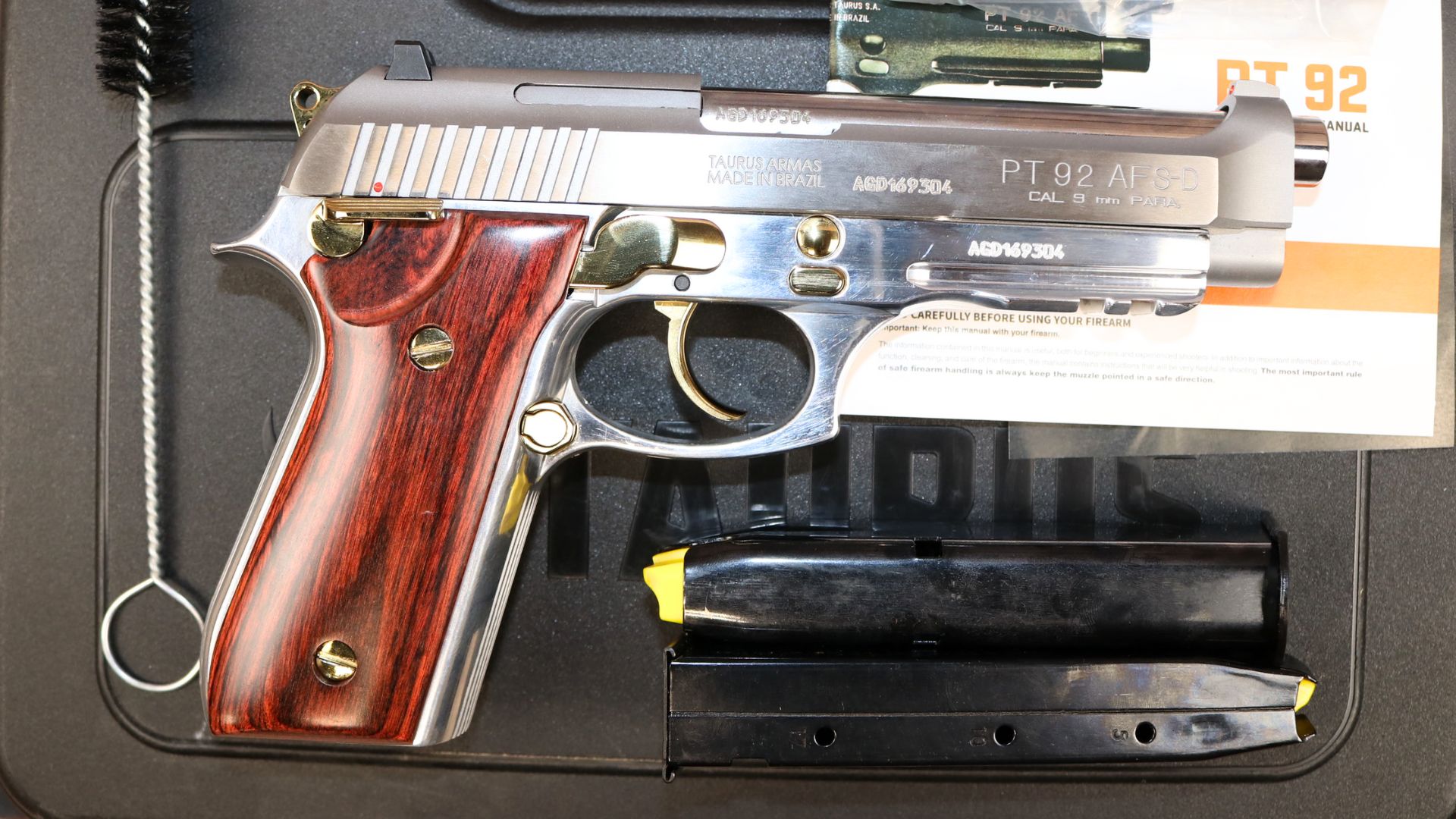
The Taurus PT92 stayed trusted because it kept giving buyers a workable, shootable full-size 9mm with more real-world sense than many people wanted to admit. It lived in the shadow of the Beretta name and spent years getting judged harder than some pistols with much less to offer. But the shooters who actually ran them often came away with a lot more respect than the market chatter suggested.
It stayed trusted because it worked in the hand and on the range. Size, control, and practical capacity all made it useful in ways that many ad-heavy handguns only promised. The flashier names took the headlines. The PT92 kept hanging around for a reason.
Beretta 92D Centurion
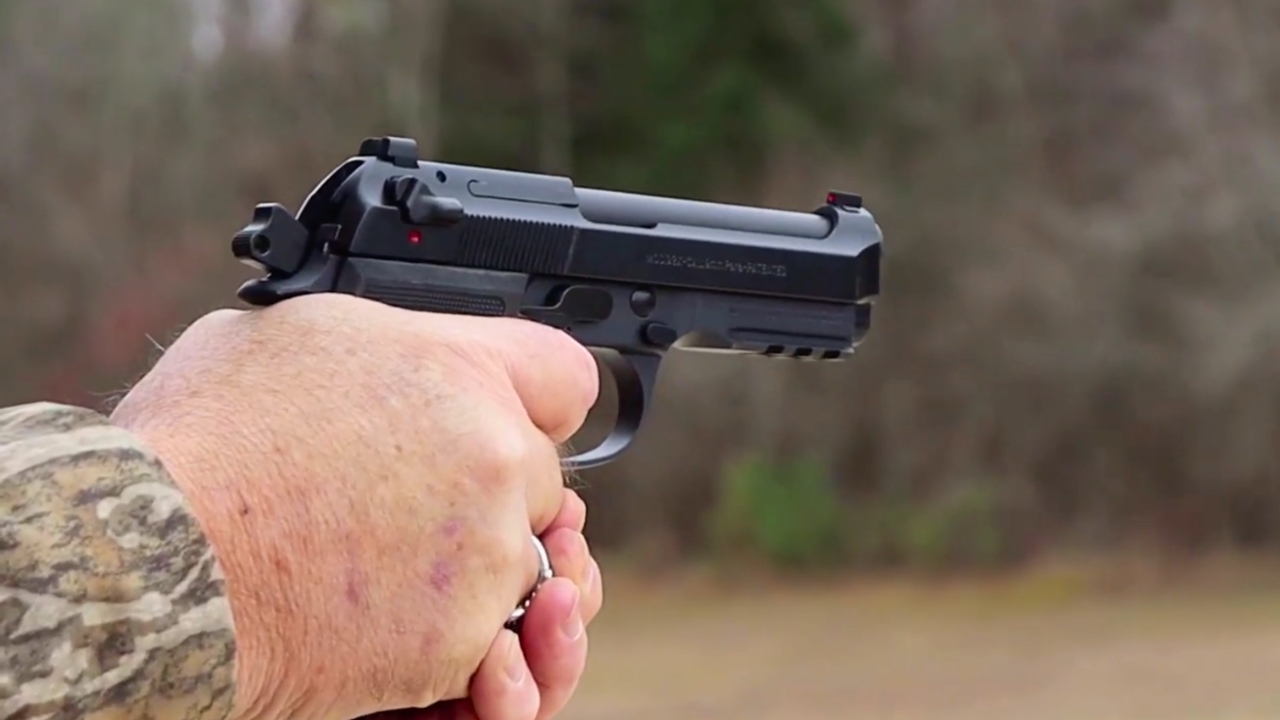
The Beretta 92D Centurion never needed to scream for attention because it already had the combination many serious shooters still want: controllability, practical size, and a smooth, predictable trigger system. It sat in a smart middle space between full-size softness and carry-size practicality, which made it easy to appreciate for people who actually put in time with handguns.
That is why it stayed trusted. It avoided much of the gimmick appeal of later pistols and instead offered a very stable, very believable shooting platform. While the market kept looking for the next big thing, the Centurion quietly remained one of the more sensible Berettas to actually own and use.
Arex Delta Gen 2

The Arex Delta Gen 2 stayed trusted because it came in without much ad noise and quietly overdelivered for shooters willing to give it a fair chance. It is practical, modern, and easy to run without feeling like a copy built only to chase a trend. That matters more than buyers sometimes realize at first.
Shooters who rely on one usually do so because it keeps earning that trust. It is comfortable, dependable, and mature enough in execution to avoid the “budget gun” stigma that kills a lot of otherwise decent pistols. It did not need flashy marketing. It needed rounds through it, and that was enough.
Walther P99 AS
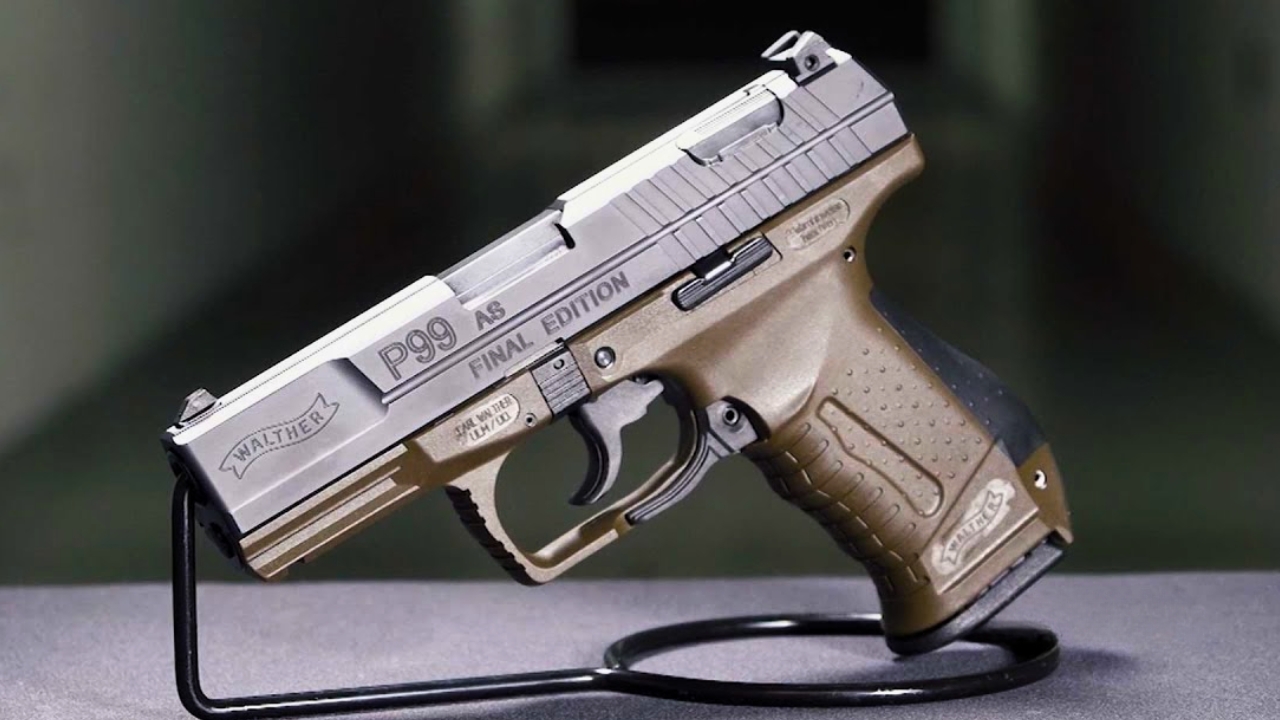
The Walther P99 AS stayed trusted because it always had more real value than the broader market quite knew what to do with. It offered excellent ergonomics, very good practical accuracy, and a trigger system that gave shooters something smarter than the usual one-size-fits-all striker answer. It just never got pushed as relentlessly as some of the pistols that followed it.
That never really hurt it with the people who mattered most. Shooters who actually ran the P99 AS knew it was serious, useful, and better thought out than a lot of louder guns in the same era. It kept proving itself while flashier names soaked up the ad budgets.
Like The Avid Outdoorsman’s content? Be sure to follow us.
Here’s more from us: