

Photo credit: Petr Mič – CC BY-SA 4.0/Wiki Commons
When shooters talk power, the conversation usually drifts toward big cases, heavy bullets, and cartridges with reputations built on noise alone. That leaves a lot of effective calibers sitting in the background. Some look modest on paper. Some were overshadowed by military adoption, marketing trends, or louder competitors. But when you spend enough time behind a rifle or pistol, you learn fast that bore diameter and case size do not always tell the whole story.
A cartridge can feel smaller, lighter, or less impressive than the names around it and still hit with real authority. Good bullet design, velocity, sectional density, and practical field performance matter more than casual gun-counter assumptions. These are the calibers that often surprise people once they see what they do on game, steel, or in serious defensive use. If you have ignored them because they looked too small to matter, you may want another look.
.327 Federal Magnum
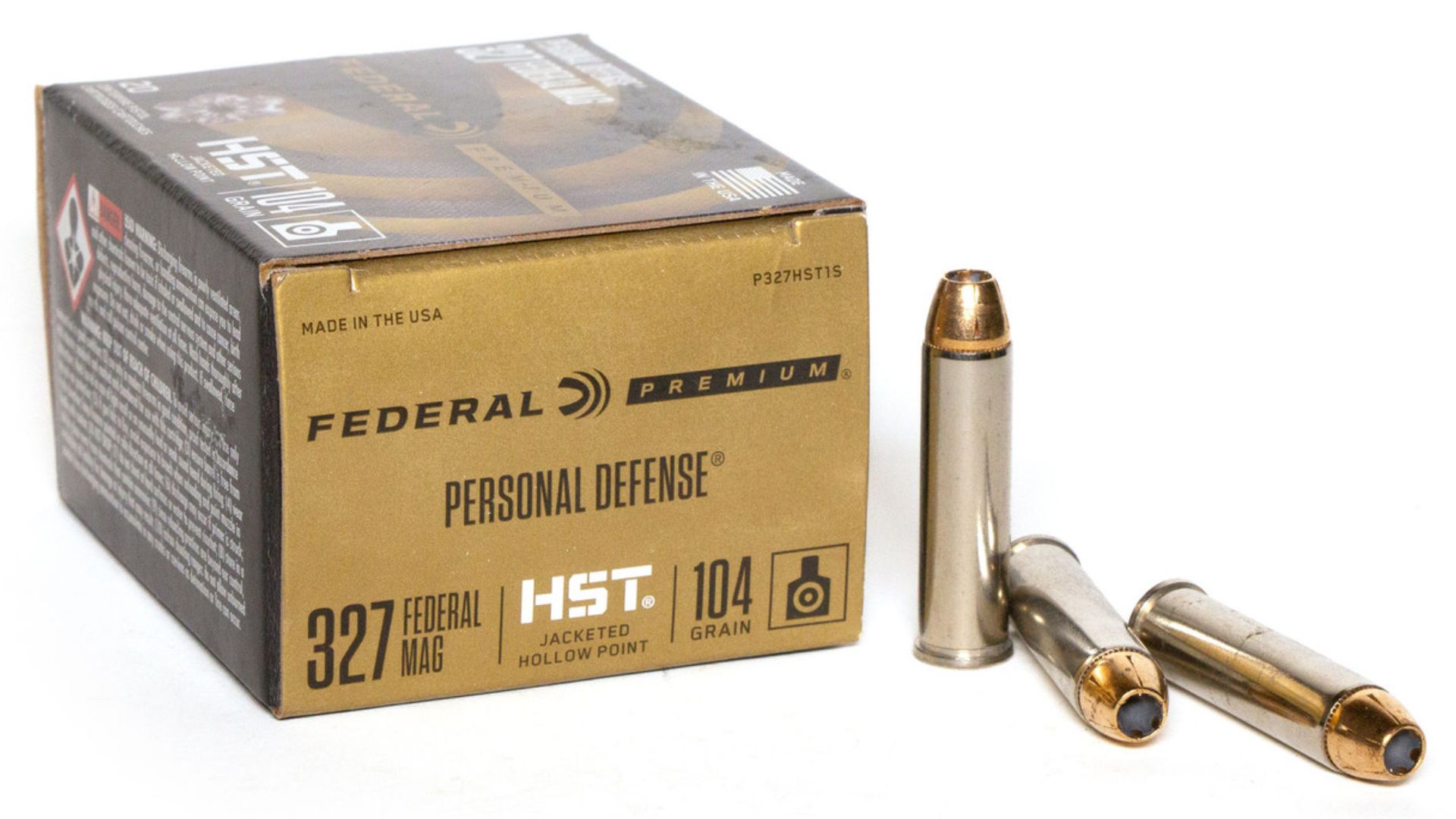
The .327 Federal Magnum never got the mainstream attention it deserved, and that is a shame because it delivers far more than its slim bore suggests. On paper, a .32-caliber revolver round does not sound like something that should command much respect. Then you look at the velocity, the pressure, and the kind of performance it can produce from a compact revolver. It runs flatter than many people expect and carries noticeably more energy than the older .32 revolver cartridges it grew out of.
What makes it easy to overlook is that it lives in a world dominated by .38 Special and .357 Magnum. Most buyers stop there. But if you actually shoot the .327, you see why it has a loyal following. You can often fit an extra round in the same size revolver, and with the right load, it hits with a sharp, serious punch that feels bigger than the bullet diameter implies.
10mm Auto

The 10mm Auto has been around long enough to earn real respect, but it still gets overlooked by plenty of shooters who think it is either too specialized or too much trouble. That misses the point. The 10mm carries more usable authority than many service-pistol rounds, and it does it with a flatter trajectory and more reach than people who only compare it to 9mm expect. When loaded properly, it can handle tasks most mainstream semi-auto calibers were never meant to cover.
What keeps it underrated in some circles is that it sits between categories. It is more than a routine carry round, but many people do not spend enough time with it to understand where it shines. In a solid pistol, it gives you deep penetration, strong energy, and real versatility. It is not a niche round because it lacks performance. It gets ignored because too many shooters never move past the assumptions.
.38 Super
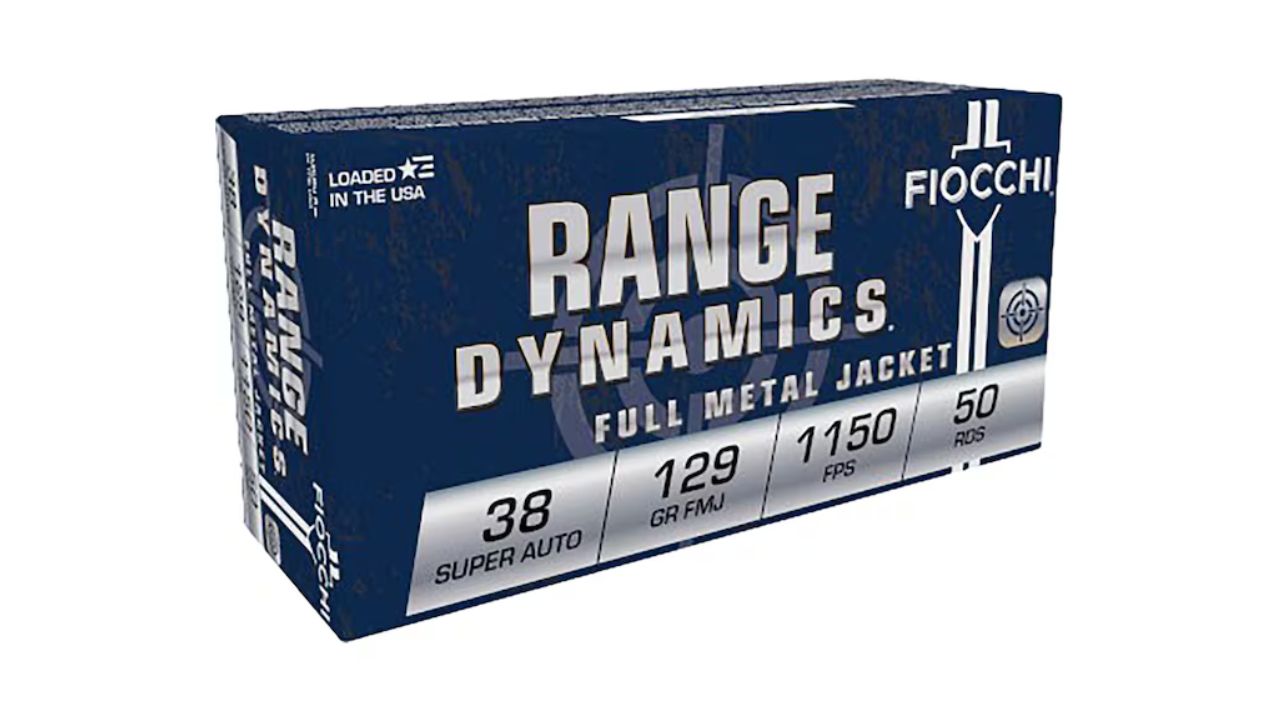
The .38 Super has spent years living in the shadow of more common semi-auto cartridges, even though it has always offered more than many people give it credit for. A lot of shooters see the caliber name and assume it is an old-fashioned round with limited purpose. Then they see how fast it runs, how flat it shoots, and how much authority it can carry with the right load. It feels far livelier than its reputation suggests.
Part of the reason it stays overlooked is timing. The 9mm became the default, and the .45 ACP carried the old-school prestige, so the .38 Super never got the same broad attention. But in a good handgun, it can be fast, controllable, and surprisingly effective. It has long proven that a relatively narrow bullet moving at serious speed can do more work than casual buyers expect when they only judge a cartridge by diameter.
.357 SIG

The .357 SIG is one of the clearest examples of a cartridge that got overshadowed before most shooters ever understood it. It looks odd, feels specialized, and never had the broad commercial foothold of 9mm, .40 S&W, or .45 ACP. That made many buyers skip it. But once you shoot it and study what it was built to do, you see a fast, flat-shooting pistol round that carries more snap and more real-world bite than its size leads many people to expect.
Its strength is speed. That bottleneck case pushes bullets hard, and that gives the cartridge a reputation for strong penetration and good barrier performance. For shooters used to slower, heavier handgun rounds, the .357 SIG often feels like it is working in a different lane. It never became a dominant carry caliber, but not because it came up short. It got overlooked because it never fit neatly into the usual handgun arguments.
7.62x39mm

The 7.62x39mm often gets dismissed as a basic military round tied to rugged rifles and cheap steel-case ammo, but that narrow view leaves out what it actually does well. It may not be a high-speed, flat-shooting cartridge, but inside realistic distances it hits with more weight and authority than many people give it credit for. On deer-sized game and intermediate targets, it has a way of delivering honest results without needing flashy numbers.
A lot of shooters overlook it because they compare it to cartridges built for a different job. They expect it to behave like a longer-range rifle round, then judge it unfairly when it does not. But if you treat it like the compact, hard-hitting cartridge it is, the picture changes. It throws a heavier bullet than many popular small-bore rifle rounds, and at woods ranges it can feel far more substantial than its case size or reputation might suggest.
.30 Carbine

The .30 Carbine gets underestimated constantly because people have a hard time deciding what they think it is. Some dismiss it as too light for a rifle round. Others compare it to pistol cartridges and miss the point there too. In reality, it sits in a middle space that makes it easy to misunderstand. But when you look at the velocity it produces from the M1 Carbine platform, you see a cartridge with more real punch than its small, tidy case leads many people to assume.
It is not a full-power battle rifle round, and it was never meant to be. That has always been part of the confusion. Still, at practical ranges, it hits harder than many casual observers expect, especially compared to handgun-caliber carbines. It has enough speed to matter and enough energy to surprise people who write it off based on looks alone. Small cartridge, modest reputation, stronger performance than it usually gets credit for.
.41 Magnum

The .41 Magnum may be one of the most overlooked powerhouse revolver cartridges ever offered to serious shooters. It sits in the long shadow of the .357 Magnum and .44 Magnum, and that alone kept many people from ever giving it a fair look. The result is a round that often gets skipped in conversations where it belongs. It hits hard, carries serious hunting and defensive credibility, and still does not get talked about nearly as much as the big names around it.
Part of its appeal is that it gives you real authority without always carrying the same blunt reputation as the .44 Magnum. With the right load, it can deliver excellent penetration and strong field performance on game. Shooters who have spent real time with it know it is not some odd middle child. It is a legitimate working magnum that never got the broad attention its actual performance should have earned.
.280 Remington

The .280 Remington has always been a better cartridge than its market position suggests. It lives between the louder reputations of the .270 Winchester and the .30-06 Springfield, and that has kept it from getting the same broad recognition. But when you look at what it actually does, the case for it gets strong in a hurry. It shoots flat, carries useful bullet weight, and handles big-game work far better than many shooters who never gave it real time would guess.
What makes it easy to miss is that it does not dominate any single conversation. It is not the classic icon, and it was never the marketing darling. But in the field, that matters a lot less than results. The .280 gives you reach, flexibility, and enough striking power for serious hunting work. It has long been one of those cartridges that rewards experienced shooters while the larger market keeps talking past it.
6.5 Grendel

The 6.5 Grendel gets judged too often by what it is not. It is not a giant, overbore speed machine, and it is not trying to replace full-size long-action hunting rounds. Because of that, many shooters overlook what it does extremely well. Out of the AR-15 platform, it carries more downrange authority than most people expect when they first hear the caliber name. The bullet shape and sectional density do a lot of work here.
That is where the Grendel surprises people. It keeps energy better than many smaller, lighter projectiles, and it stays useful farther out than the platform size might lead you to think. Hunters and target shooters who spend real time with it usually come away with more respect than they started with. It still does not get the same casual praise as some more popular rifle rounds, but in terms of performance relative to size, it remains one of the smartest overlooked cartridges around.
.45 Colt

The .45 Colt gets pigeonholed as an old cowboy round by people who only know the name and not the full story. In soft traditional loads, it can seem mild and dated, which leads many shooters to underestimate it. But in strong modern revolvers, with loads built for those guns, the .45 Colt becomes a very different animal. It can hit with deep, heavy authority that surprises anyone who assumed it was little more than a historical curiosity.
That broad performance range is part of why it gets overlooked. Too many people only think of the mild side of the cartridge and never consider what it can do in the right platform. You are dealing with a large, heavy bullet that can do serious work when loaded appropriately. It may wear an old name, but there is nothing weak about it when it is used the way knowledgeable revolver shooters have understood for years.
6mm ARC

The 6mm ARC is still young enough that many shooters either ignore it or lump it in with every other newer cartridge that shows up promising more than it delivers. That skepticism is understandable, but the ARC deserves a fairer reading. Built to get more reach and better retained performance out of the AR-15 platform, it offers more downrange effect than its compact case and relatively small bore would suggest. It does not need huge dimensions to stay useful.
What helps it punch above first impressions is bullet efficiency. A good 6mm projectile can carry velocity well, resist wind better than many people expect, and still deliver meaningful energy at distance. That gives the cartridge real usefulness for target work and practical field use. It may not have the long-established reputation of older rounds yet, but it already shows the kind of balanced performance that makes people rethink what a smaller cartridge can actually do.
.44 Special

The .44 Special gets overshadowed by the .44 Magnum so often that many shooters barely consider it on its own merits. That is a mistake. While it lacks the magnum’s full-force reputation, it still throws a large, heavy bullet that can do a lot of work without the same punishing recoil and blast. In a good revolver, it offers a kind of practical thump that feels far more substantial than many people expect when they hear “Special” in the name.
That name works against it. Shooters often assume it is a watered-down compromise with little purpose. But in truth, the .44 Special has long been respected by people who value controllable power and real bullet weight. It is not trying to compete with the hottest magnum numbers. It earns respect by giving you a broad, heavy projectile that lands with authority and remains easier to manage than the headline-grabbing cartridge that sits above it.
.35 Remington

The .35 Remington has spent years being treated like a forgotten woods cartridge, and that has caused many shooters to miss what made it valuable in the first place. It does not have the flat-shooting image of some modern hunting rounds, and it lacks the broad shelf presence it once had. But inside the ranges where many deer are actually taken, it hits with a heavier, more deliberate kind of force than its modest reputation suggests.
That big part of its appeal comes from bullet weight and the kind of work it does in brush-country and timber hunting. It was never built to impress paper-ballistics fans who only care about speed. It was built to deliver solid performance where shots come fast and distances stay reasonable. In that role, it has always carried more punch than casual shooters assume. It remains one of those practical, hard-working cartridges that deserved more respect than the market gave it.
.32 H&R Magnum

The .32 H&R Magnum often gets written off before it ever gets a fair chance. Too many shooters hear “.32” and stop listening, assuming it must be soft, dated, or too light to matter. That misses what makes it useful. In a small revolver, it can offer better performance than the older .32 rounds, manageable recoil, and often an extra round in the cylinder compared with some larger-bore options. That is not a small advantage in a compact carry gun.
Its real strength is how efficiently it works within its size class. It can be easier to shoot well than harder-kicking snubs, yet it still delivers more authority than many buyers expect when they first dismiss it. It is not meant to compete with full magnum revolver rounds, but that was never the point. It earns respect by doing more than people expect from a cartridge most of the market still overlooks.
9x18mm Makarov
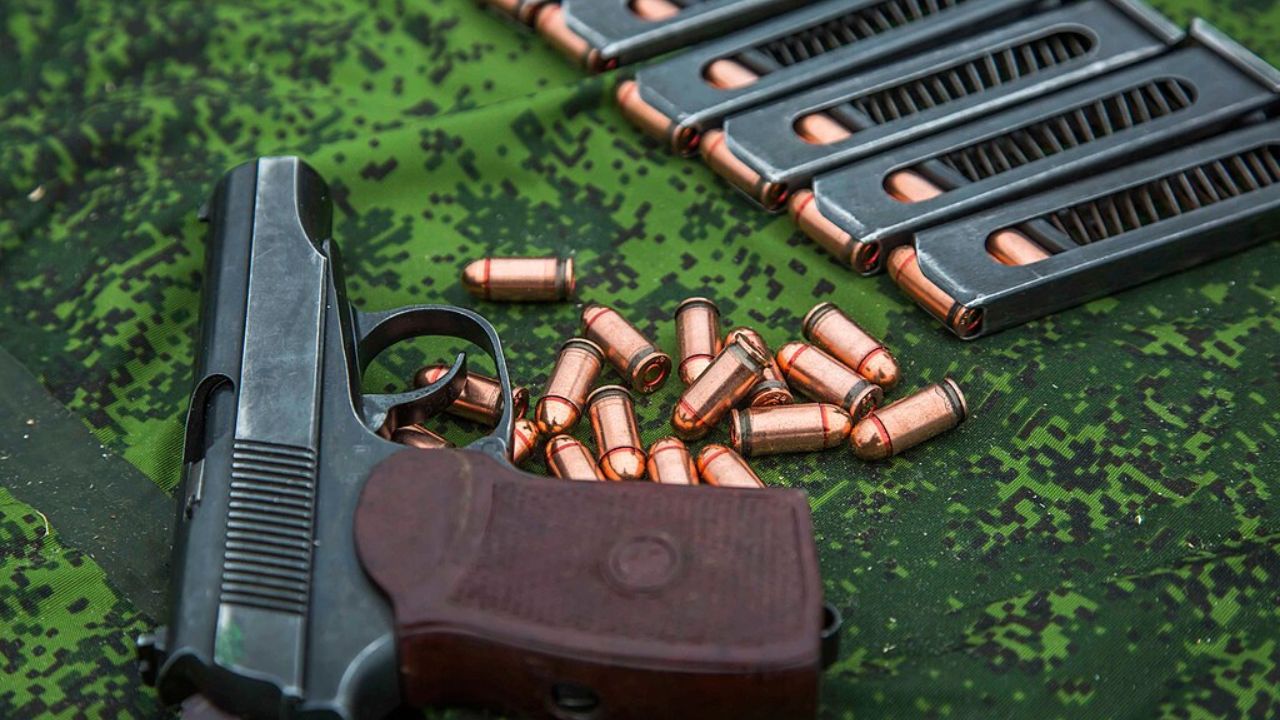
The 9x18mm Makarov lives in that strange category of cartridges many shooters know by name but rarely take seriously. Because it sits outside the usual American handgun conversation, it often gets dismissed as an odd surplus round with little to offer. That is too shallow a reading. In the pistols built for it, the cartridge delivers more snap and more real-world usefulness than people often expect when they first compare it to lighter .380-class options.
It was built as a service round, and that history matters. While it does not rival full-power duty cartridges at the top end, it can carry more authority than its compact dimensions suggest. That is especially true when you remember what it was designed to do and the era it came from. The 9×18 gets overlooked not because it lacks useful performance, but because too many shooters never look past its unfamiliar place in the market.
.300 Savage

The .300 Savage was doing smart, efficient rifle work long before newer short-action cartridges became fashionable. Even now, it gets overlooked because many shooters see it as an old round tied to older rifles and assume modern options left it behind. That assumption ignores how well it actually performs. It offers solid hunting power in a compact package, and within sane distances it has always carried more authority than its shorter case seems to promise.
What keeps it underrated is that it is rarely the loudest cartridge in the room. It does not dominate current catalog talk, and it lacks the constant praise of newer rounds with bigger marketing budgets. But in the field, it has long proven itself as a dependable deer and black bear cartridge. You get efficient performance, good bullet weight, and practical striking power without needing a large case to achieve it. That is exactly why it still deserves more attention.
Like The Avid Outdoorsman’s content? Subscribe to our newsletter so you never miss an article.
Here’s more from us:


