Photo credit: Walnut and Steel/YouTube
A lot of rifle regret starts with the same bad assumption. If a gun looks practical, common, or just a little too plain to get people excited, buyers start treating it like something they can always come back for later. That works right up until the later version has a higher price tag, fewer clean examples, and a whole lot more competition from people who finally figured out what they were looking at.
That is how overlooked rifles turn into expensive lessons. They were not always rare. They were just underestimated. These are rifles that got expensive while buyers kept looking past them.
Winchester Model 43
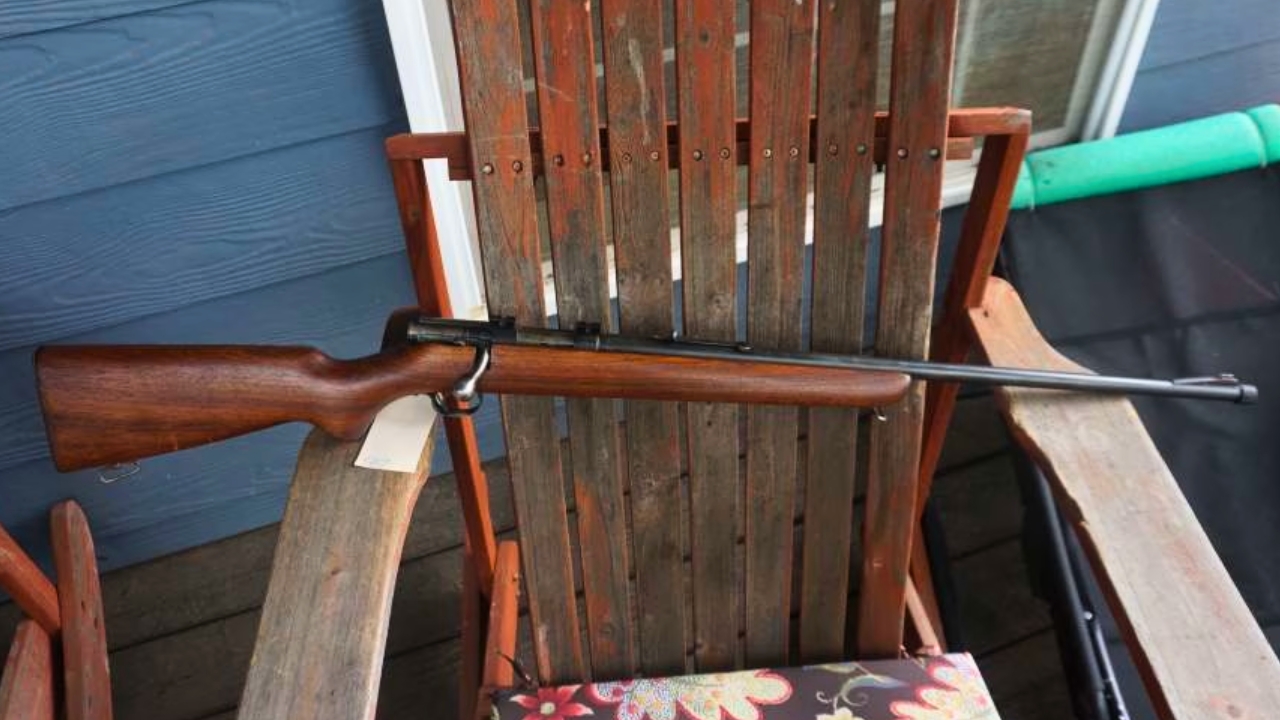
The Model 43 spent years living in the shadow of louder Winchester names. It was a bolt-action sporting rifle with real quality, but not always the kind of rifle buyers rushed toward first. Too many people saw it as a nice old Winchester rather than a rifle they needed to buy before the window closed.
That changed once more shooters and collectors started appreciating the cleaner, quieter corners of Winchester history. Good Model 43s stopped feeling casual in a hurry. A rifle that once looked like a smart but sleepy buy suddenly looked a lot more important than the price tags people remembered.
Remington 600

The Remington 600 always had enough oddness to make buyers hesitate. The short barrel, the quirky styling, and the whole compact package made it easy for people to admire it without fully trusting their interest. A lot of buyers figured they would eventually grab one when they felt more in the mood for something different.
That was the mistake. Different got expensive. Once buyers started appreciating how handy and distinctive the little 600 really was, the rifles that once looked odd started looking like the ones people should have grabbed immediately. They went from quirky to costly while plenty of people were still acting unimpressed.
Browning T-Bolt
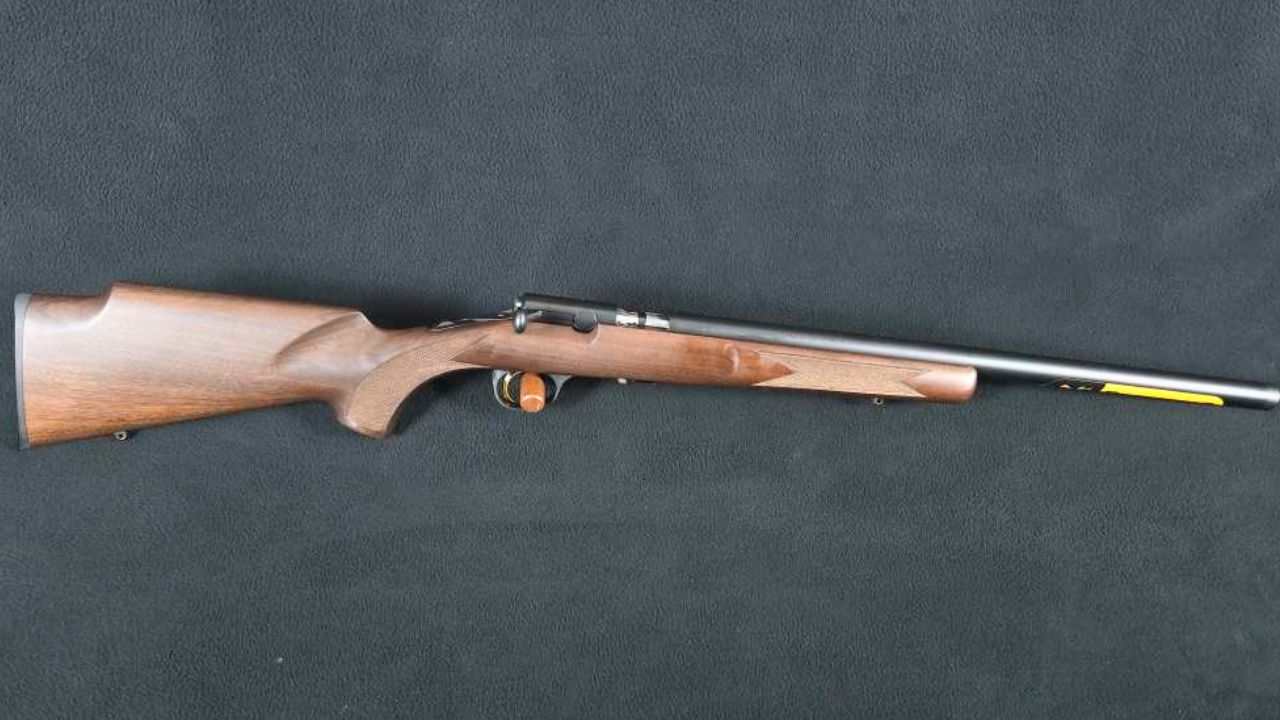
The T-Bolt felt too mild for too long. It was a rimfire, it was neat, and it had Browning quality, but many buyers still treated it like the kind of rifle that would always be around in one form or another. Rimfires often get that treatment, especially when they are elegant instead of loud.
Then the market started caring a lot more about older, well-made .22s. The T-Bolt’s quality, handling, and long-term appeal became much harder to ignore. Buyers who once kept walking because it was “just a nice .22” now get to watch what happens when enough people figure out that nice .22s do not stay cheap forever.
Savage 99DL

The 99DL got overlooked because plenty of buyers were too busy deciding which Savage 99 variation they thought was the “right” one. That kind of pickiness let good rifles sit around longer than they should have. The DL looked handsome but still not urgent enough to stop people from waiting.
Time fixed that attitude. Once the broader 99 market heated up, the old internal ranking system buyers used stopped helping much. Clean 99DL rifles got expensive while plenty of people were still telling themselves they were holding out for something just a little different. That is usually how you miss the smart buy.
Winchester 52 Sporter
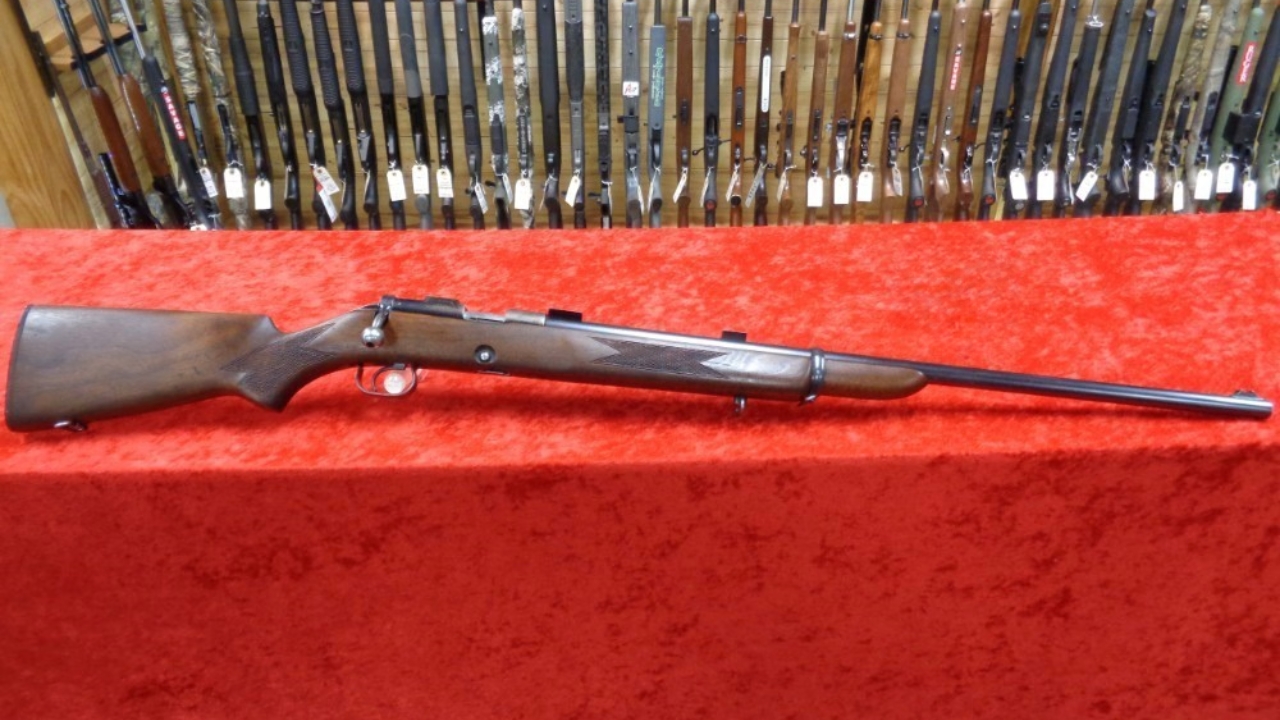
The 52 Sporter was never unknown, but there was a long time where many buyers still treated it like a refined rimfire they could appreciate from a distance while putting money into centerfires or louder collector pieces first. That kind of delay gets expensive when the gun in question has real quality behind it.
The buyers who moved early looked smart later. The 52 Sporter had too much build quality and too much rimfire pedigree to stay remotely affordable once the market got serious. It became the sort of rifle people had always respected in theory and suddenly had to respect in dollars too.
Marlin 1893

The 1893 often sat behind more famous lever-gun conversations, which made it easier for buyers to leave one behind while talking themselves into waiting for some other Marlin or Winchester. It was still a real old lever gun with real appeal, but not always the first rifle buyers thought to chase.
That changed once people started looking harder at older Marlins as a whole instead of treating only a few models like the true targets. The 1893 got expensive while buyers were still acting like it was the sort of rifle they could circle back for later. By the time later came, the tone had changed a lot.
Sako L46
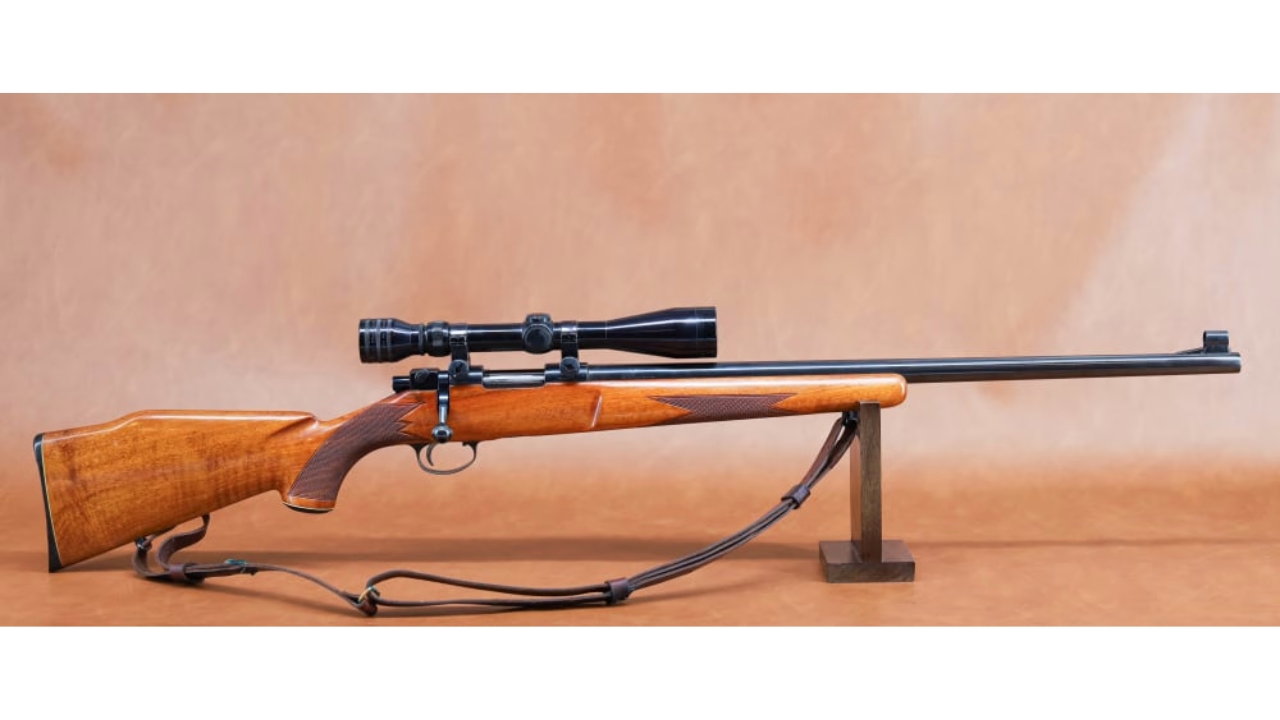
The L46 was one of those rifles people often admired quietly instead of acting on. It had obvious quality, but a lot of buyers still treated it like a refined little Sako from a corner of the market they would eventually explore when they had the time. That is a classic delay pattern.
It did not stay forgiving. The more people started appreciating compact early Sakos for what they really were, the harder it became to find them at old prices. Buyers who kept looking past the L46 because it felt too subtle learned the hard way that subtle quality becomes very expensive once enough people stop ignoring it.
Remington 660

The 660 had a long run as the practical little rifle buyers did not quite know what to make of. It looked useful, but not always beautiful enough or famous enough to trigger urgency. That made it very easy to pass on while chasing cleaner, longer, more conventional rifles.
Then hunters and collectors started appreciating compact rifles in a much more serious way. The 660’s handling and identity suddenly mattered more. A rifle that once felt like the low-pressure option got expensive while a lot of buyers were still stuck on first impressions.
Browning SA-22 Grade I

The SA-22’s more basic trims were easy to take for granted because buyers often focused on the prettier grades or treated the whole platform like a charming extra rather than a must-buy. That let very good rifles sit around while people convinced themselves they could always come back for one later.
That stopped being true. Once more buyers started valuing older Browning rimfires for more than just surface beauty, the standard grades began rising right alongside the fancier ones. People who kept looking past the Grade I because it felt too common found out common does not last when the gun is actually good.
CZ 453 American
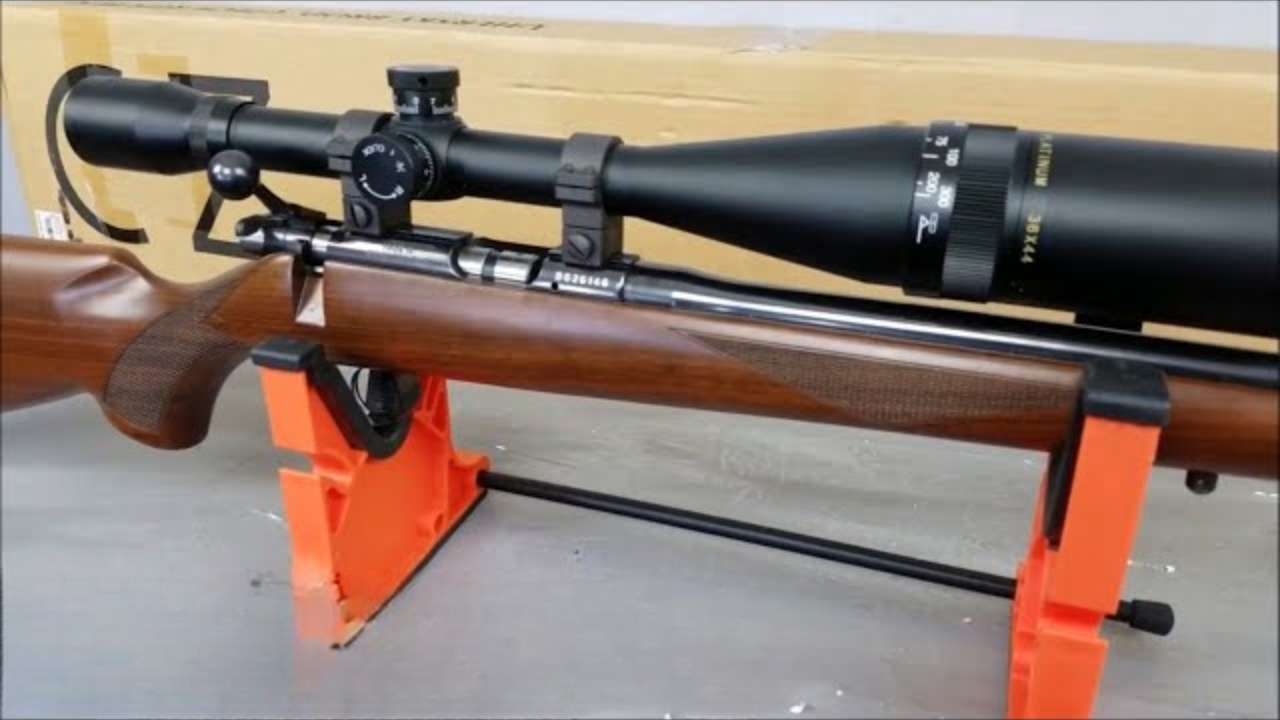
The 453 American felt like the kind of rimfire that would always have a calm little audience and never much more than that. It was accurate, nicely made, and quietly appealing, which is exactly the kind of combination that lets buyers get lazy. Too many people assumed there would always be another one.
Then rimfire buyers started getting pickier and more serious. The set trigger, the quality, and the overall feel started standing out more. The 453 American got expensive while plenty of people were still treating it like a background rifle they could grab whenever they finally felt like paying attention.
Browning B-78

The B-78 got looked past because single-shots always tempt buyers into waiting. People tell themselves they will come back for one when they are ready to buy something elegant, deliberate, and maybe a little outside their normal routine. That “later” mindset is practically built into guns like this.
That delay cost people here. The B-78 had too much quality and too much long-term appeal to stay underpriced forever. Once the market got more interested in classic single-shots with real substance, the rifles that used to sit there looking refined and optional became much more painful to revisit.
Ruger 77/22 Hornet
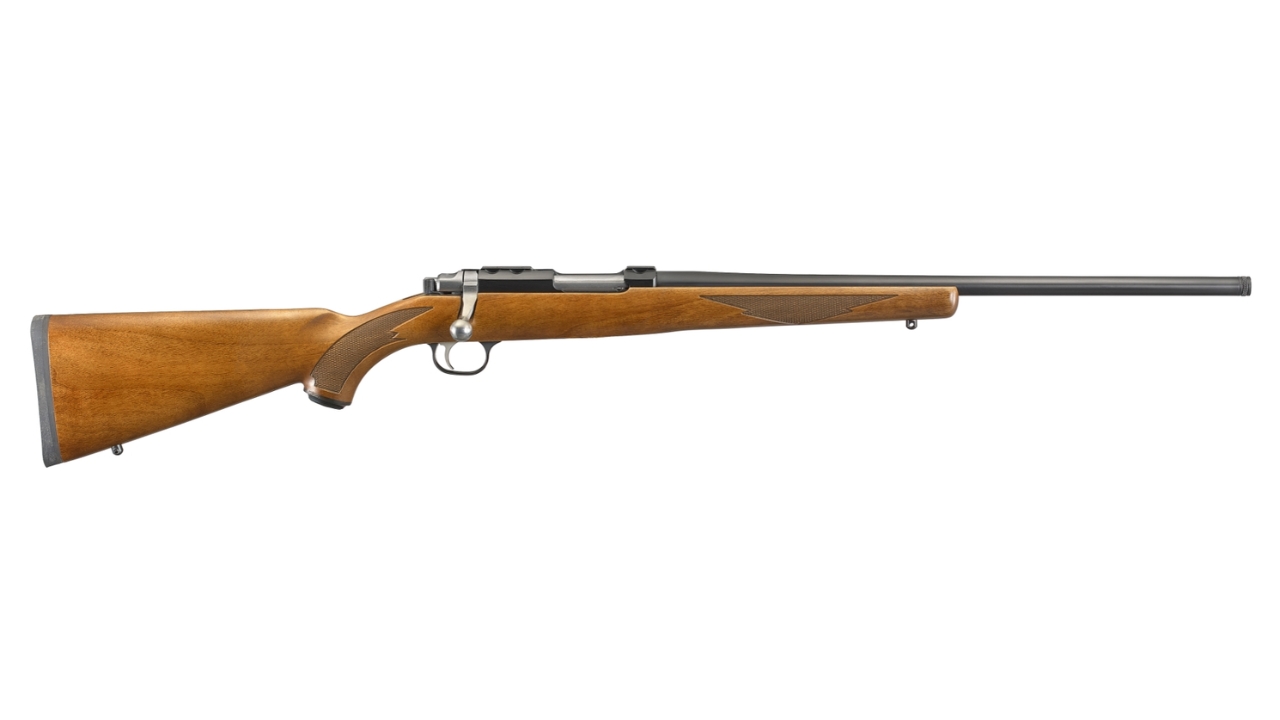
The 77/22 Hornet was easy to overlook because it lived in a very specific corner of the market. Hornet fans appreciated it, but many other buyers treated it like a nice little specialty rifle they would eventually get around to if the interest ever became serious enough. That delayed a lot of purchases.
It turned out to be a very expensive delay. Once buyers started wanting compact, quality Hornet rifles in a Ruger package, the easy deals got scarce. The same rifle people once kept looking past because it felt too niche started looking like a very sharp missed chance.
Winchester 70 Westerner
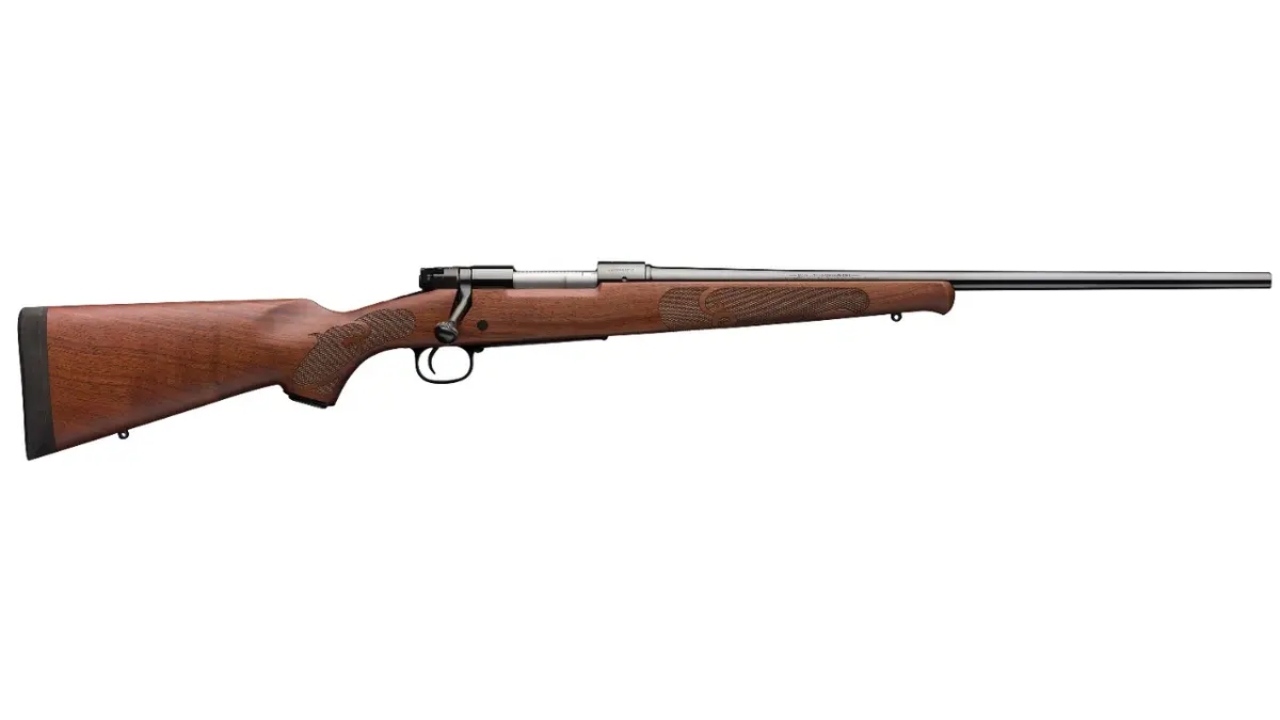
The Western sat in a lane that was easy for buyers to half-appreciate. It was clearly a real Model 70, but not always the exact version many collectors or hunters put at the top of their wish list first. That let more than a few rifles get passed over while buyers waited for something they imagined was just a little more ideal.
That patience did not pay off. The Western had too much real rifle value to stay underpriced, and once buyers started reevaluating the broader Model 70 world, these got pulled up too. They got expensive while many people were still acting like they were the version you could safely leave behind for another day.
Savage 23 series
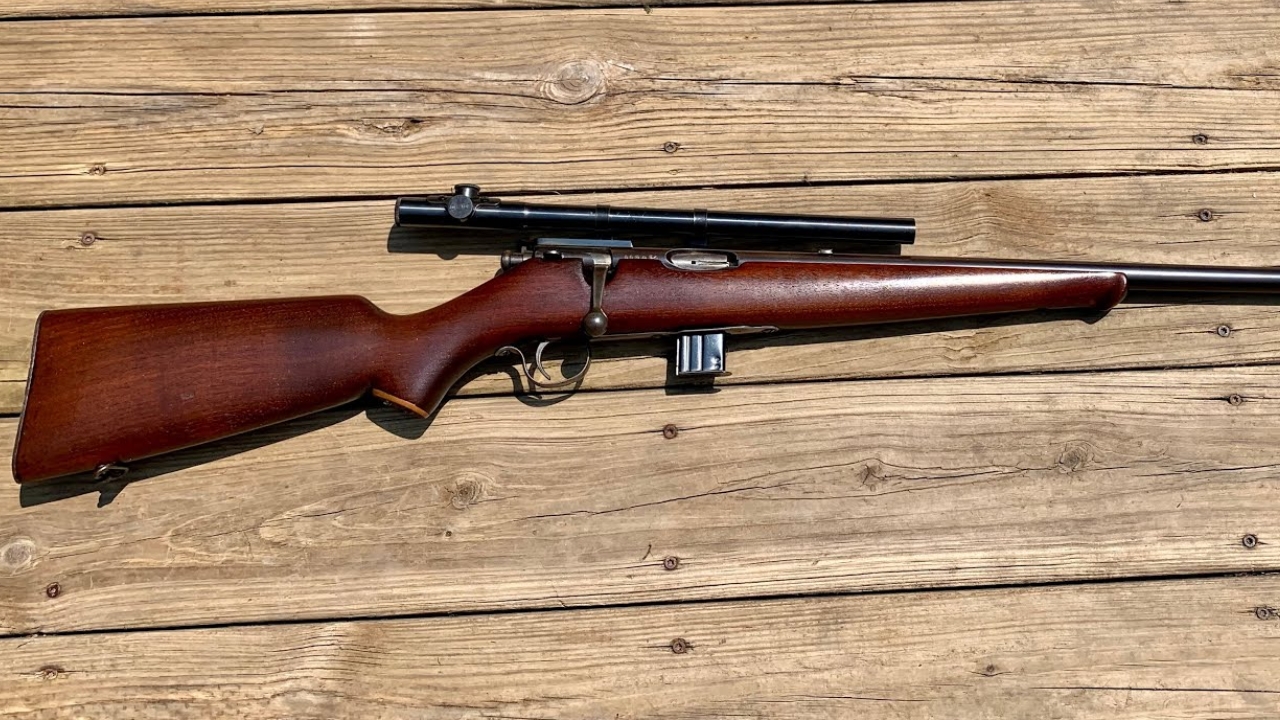
The Savage 23 rifles always looked more practical than glamorous, and that let a lot of buyers ignore them for too long. They were useful little sporting rifles, not major showpieces, and that usually means people assume prices will stay mild and availability will stay friendly.
That assumption failed once enough buyers started valuing honest old sporting rifles again. The 23 series had quality, shootability, and exactly the sort of plain appeal that grows stronger with time. They got expensive while a lot of people were still treating them like sleepy used-rack filler.
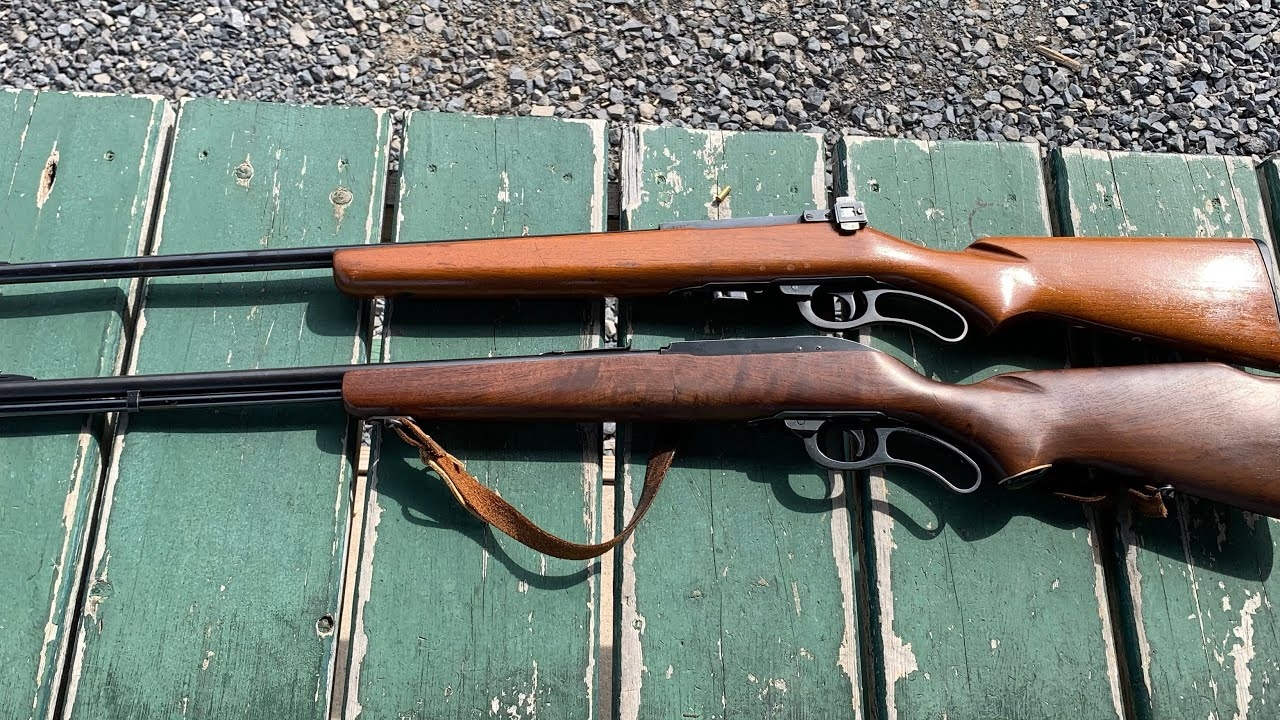
Marlin 57M Levermatic

The Levermatic was too odd for some buyers to take seriously and too ordinary for others to get excited about. That is usually a dangerous combination. It meant the rifle kept getting passed over by people who could not quite decide what it was supposed to be, which gave the market time to keep undervaluing it.
Then collectors and shooters started realizing that clever, well-made oddballs do not stay cheap once enough people catch on. The 57M had too much charm and too much unique mechanical appeal to stay ignored. It got expensive while buyers were still laughing off what made it special.
Like The Avid Outdoorsman’s content? Be sure to follow us.
Here’s more from us: